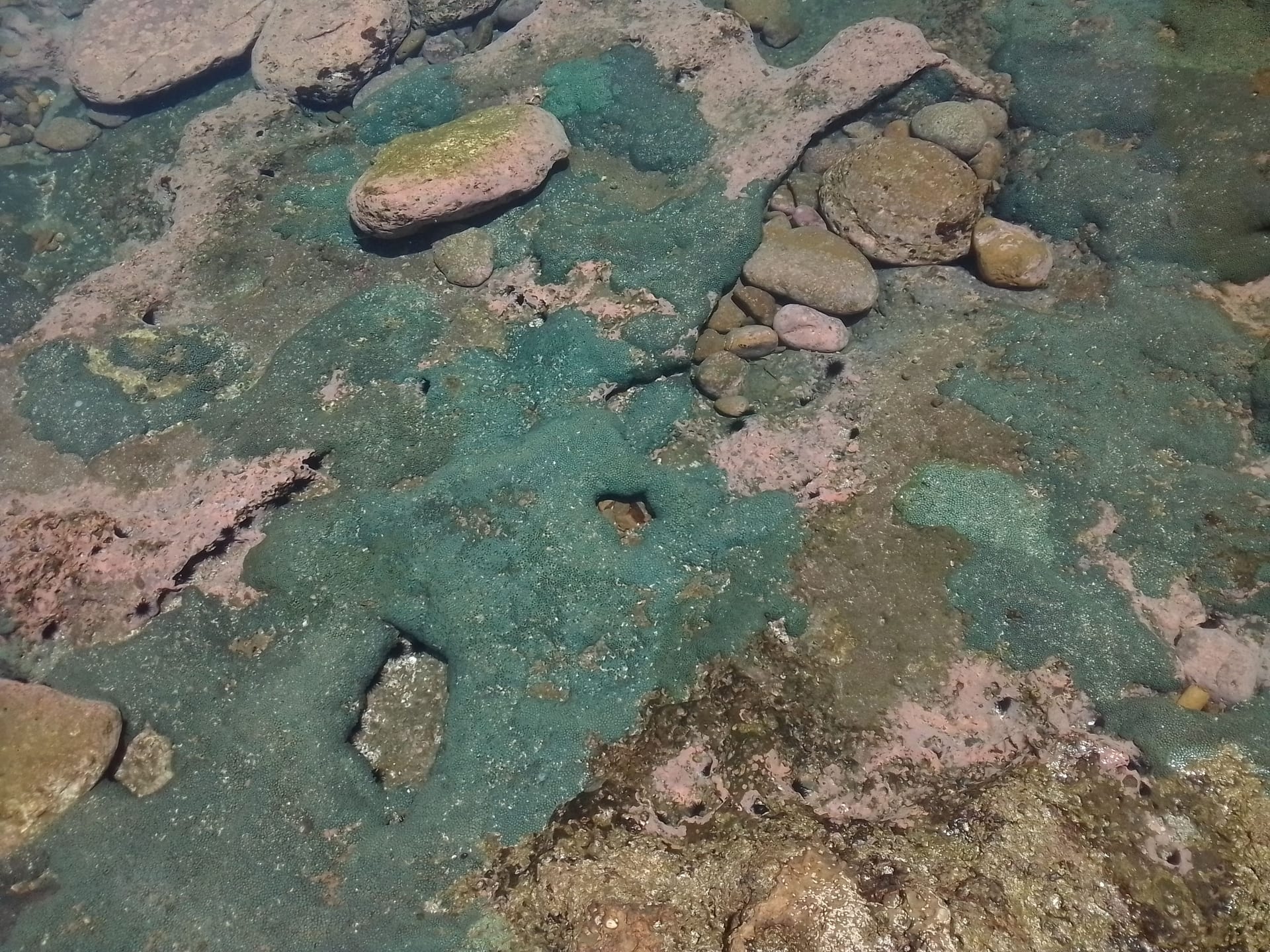
 © Kai Medina (Mk170101) / CC BY-SA 4.0
Zoanthus Sansibaricus
Zoanthus sansibaricus is the flagship species of the button polyp genus Zoanthus, forming extensive colonies in intertidal zones from mainland Japan down to Okinawa. Its polyps are compact, with a diameter of roughly 1cm, but what makes this coral so popular is the remarkable range of oral disc colors it displays. In fact, much of the zoanthid stock sold for reef tanks belongs to this species. Hardy and adaptable, it's considered one of the more forgiving corals for beginning reefkeepers, and watching a colony spread over time is one of the simple pleasures of keeping it.
View Zoanthus Sansibaricus encyclopedia →0% commission on your first sales!Register by September 30, 2026 and your first 2 sales are commission-free!
Breeder Wanted!
List on BreederDirect and sell directly to customers nationwide!
Br-Choku's 6 Transparency Standards
Our Breeder sellers disclose detailed care specs for all Coral listings. We prioritize Aquacultured/CB specimens, verify WYSIWYG photos, and provide difficulty ratings—avoiding wild-caught.
- Aquacultured
- WYSIWYG Photo
- Difficulty Disclosed
- Frag/Colony
- Care Info Included
- Trade name shown
Browse all 210 breeds
Difficulty
Verified breeders wanted for Coral
Breeders are signing up now ahead of launch. Subscribe to be notified when new listings go live.
Getting alerts is free with a member account. When new listings match your saved search, we'll notify you by email and in-app.
Browse other categories
Verified breeders (preview)
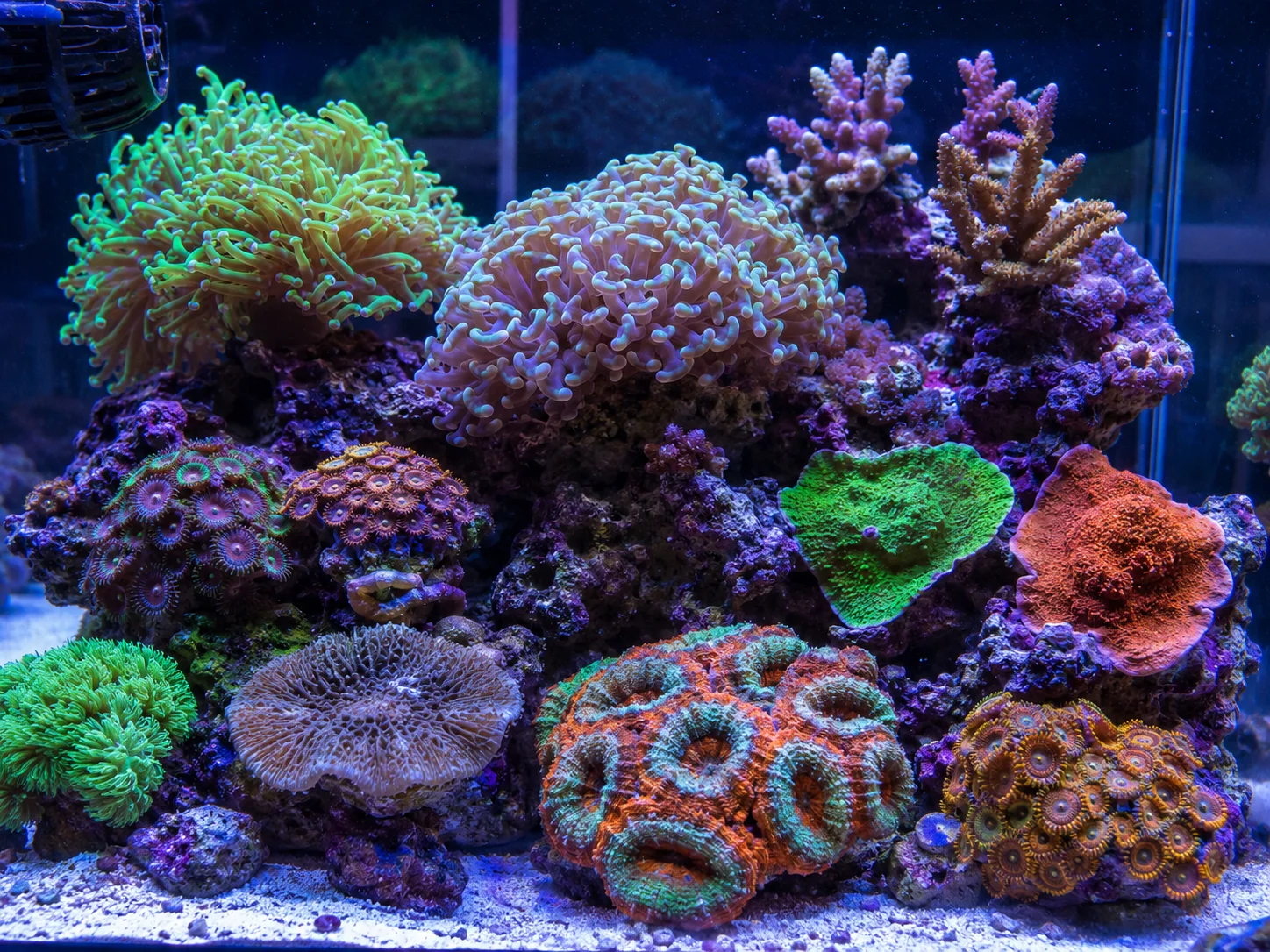
Zoanthus Sansibaricus key facts
- Care level
- Beginner-friendly
- Size
- Polyps about 1cm across
- Temperature
- 24〜27℃
- Diet
- Mainly nutrition from symbiotic zooxanthellae, supplemented with liquid or powdered coral foods.
- Lighting
- LiveAquaria lists moderate lighting. As an intertidal species it tolerates bright light, but colour is steadiest under moderate intensity in the aquarium; too much and the oral discs tend to stay closed.
- Flow & Placement
- Give moderate randomised flow and place it at mid-height on the rockwork. It creeps across rock and will smother neighbours, so leave space or keep it on an isolated rock.
- Water Temperature & Quality
- Water 24-27C, specific gravity 1.023-1.025 (33-35 ppt), KH 8-12. Colour and spread are steadier with a trace of nutrients present than in ultra-low-nutrient water.
- Feeding
- Most of its nutrition comes from photosynthesis. It also responds to liquid or powdered coral foods, which speed its spread, but it can be maintained without them.
- Notes
- Species in this group are known to carry palytoxin. Do not frag them bare-handed, and never treat colonised rock with boiling water or a pressure washer. Wear gloves and eye protection, and keep the fluid away from eyes and open cuts. It spreads vigorously and will overgrow neighbouring corals, so site it with care. It is not listed in the CITES Appendices.
About Zoanthus Sansibaricus
Zoanthus sansibaricus, the flagship button polyp species known for its richly varied oral disc colors and colony-forming growth. A hardy, beginner-friendly coral.
7 things to know before welcoming a Zoanthus Sansibaricus
1Placement & Flow
This coral does best with moderate-to-strong water flow and adequate lighting, placed on or tucked into live rock where it can spread naturally into a colony. If flow is too strong the polyps may struggle to open fully, so it's worth adjusting and observing how they respond.
2Light Adaptability
Zoanthus sansibaricus tolerates a wide range of lighting, from relatively low to fairly intense, which makes it easy to keep under standard LED reef lighting. Sudden changes in light intensity can stress the colony, though, so ease it in gradually after introducing it to a new tank.
3Spacing From Other Corals
Because it grows and spreads readily, leave plenty of space between this coral and its neighbors. It isn't especially aggressive toward other corals, but prolonged contact can still stress both colonies over time.
4When Polyps Stay Closed
It's common for the polyps to stay closed for a while after shipping or being introduced to a new tank — they typically begin opening within a few days to a week once water parameters settle. If they remain closed much longer, check your flow, lighting, and water quality.
5Basic Water Quality Care
This is a hardy species that tolerates some fluctuation in water parameters, but sudden swings are still best avoided — make water changes gradual and consistent. Keep an eye out for algae growth and check on the colony regularly.
6A Note on Toxicity
Like other zoanthids, this species may contain palytoxin, a potent compound, so it's best to wear gloves when handling it or working in the tank. Extra care is especially important if you have any open cuts, or when cutting or fragging the colony.
7Preparing Before Arrival
Before bringing it home, make sure your tank's water parameters (specific gravity, pH, KH, etc.) are stable, and plan ahead for compatibility with existing livestock and available space in your layout. Acclimate it carefully after arrival and give it time to settle in.
Frequently asked questions about Zoanthus Sansibaricus
- Q.Is Zoanthus sansibaricus suitable for beginners?
- A.Yes — it's a hardy species that tolerates some environmental fluctuation, making it a good choice for first-time coral keepers. That said, it still needs stable water quality and appropriate flow and lighting.
- Q.How much color variation is there among polyps?
- A.This species is known for an especially wide range of oral disc colors, with noticeable variation from one colony to the next. In fact, much of the zoanthid stock commonly sold for reef tanks belongs to this species.
- Q.How large does it grow?
- A.Individual polyps stay fairly compact, with a diameter of roughly 1cm. The colony as a whole spreads and grows in size over time as new polyps form.
- Q.How much flow and light does it need?
- A.It tends to prefer moderate-to-strong flow and adequate lighting, but adapts well to a fairly wide range of conditions. It's a good idea to start with gentler settings and ease it in after introducing it to a new tank.
- Q.Can it be kept alongside other corals?
- A.It generally coexists well with other corals, but because it spreads readily, it's important to leave enough space between it and its neighbors. Prolonged contact can stress both colonies over time.
Useful tools for Zoanthus Sansibaricus care
Learn more about Zoanthus Sansibaricus in the encyclopedia
View Zoanthus Sansibaricus encyclopedia entry →
Care difficulty, lifespan, size and diet — all basics covered.
More in this category
Can't find the one you're looking for?
Post your wishes for free and breeders with matching animals will contact you with introductions.