Source: Wikimedia Commons
Zoanthus Sansibaricus
BeginnerZoanthus sansibaricus
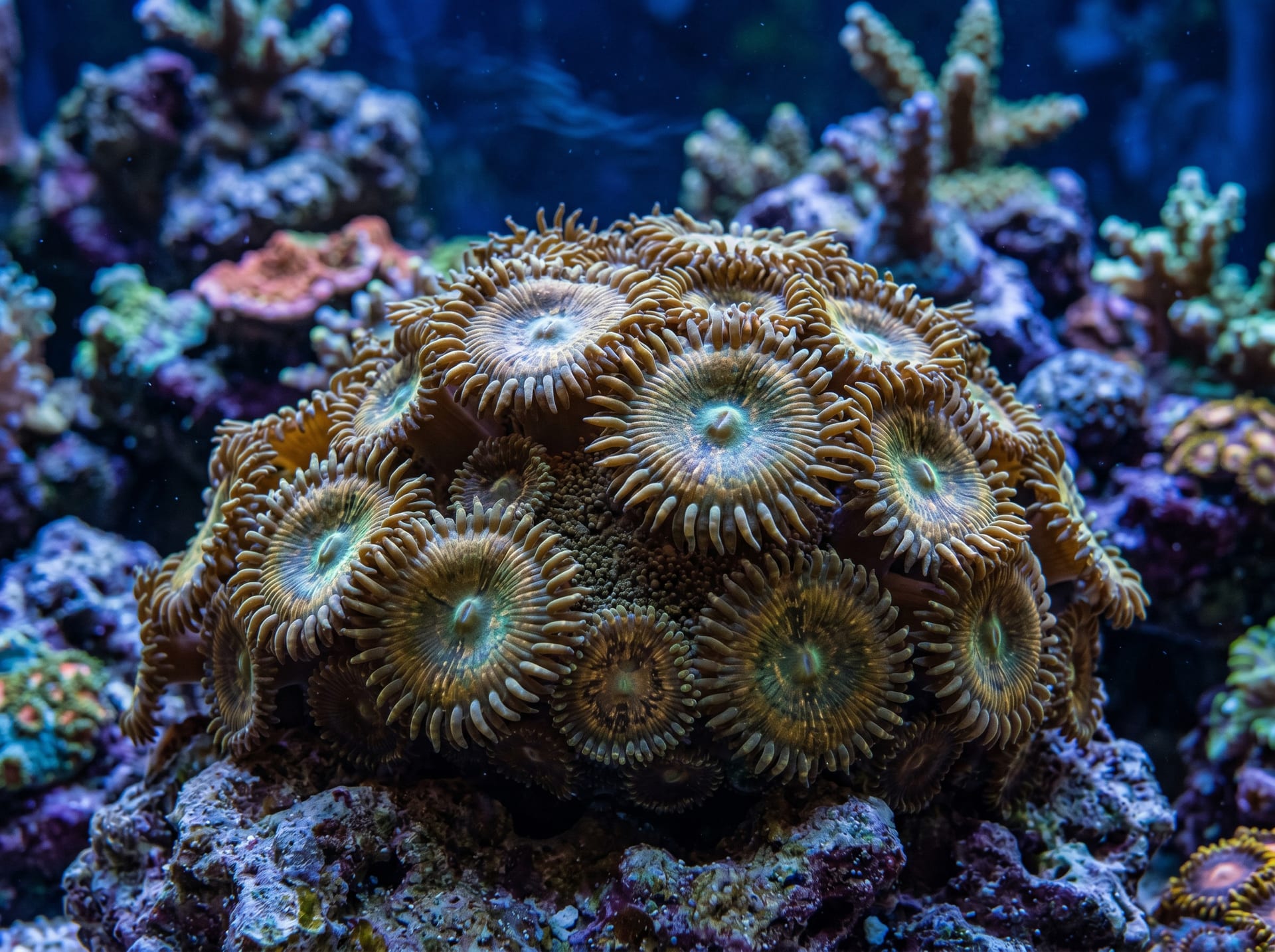
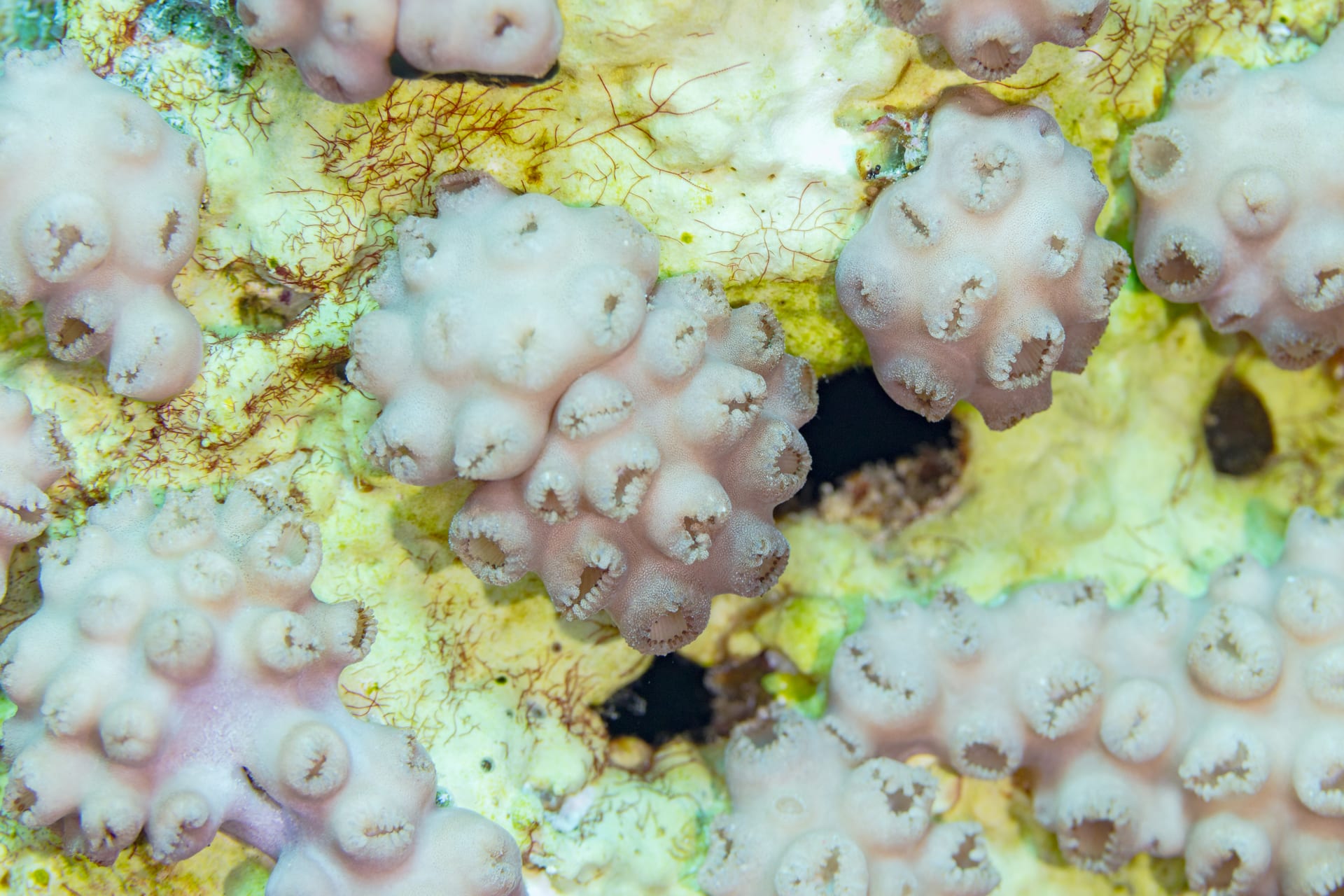
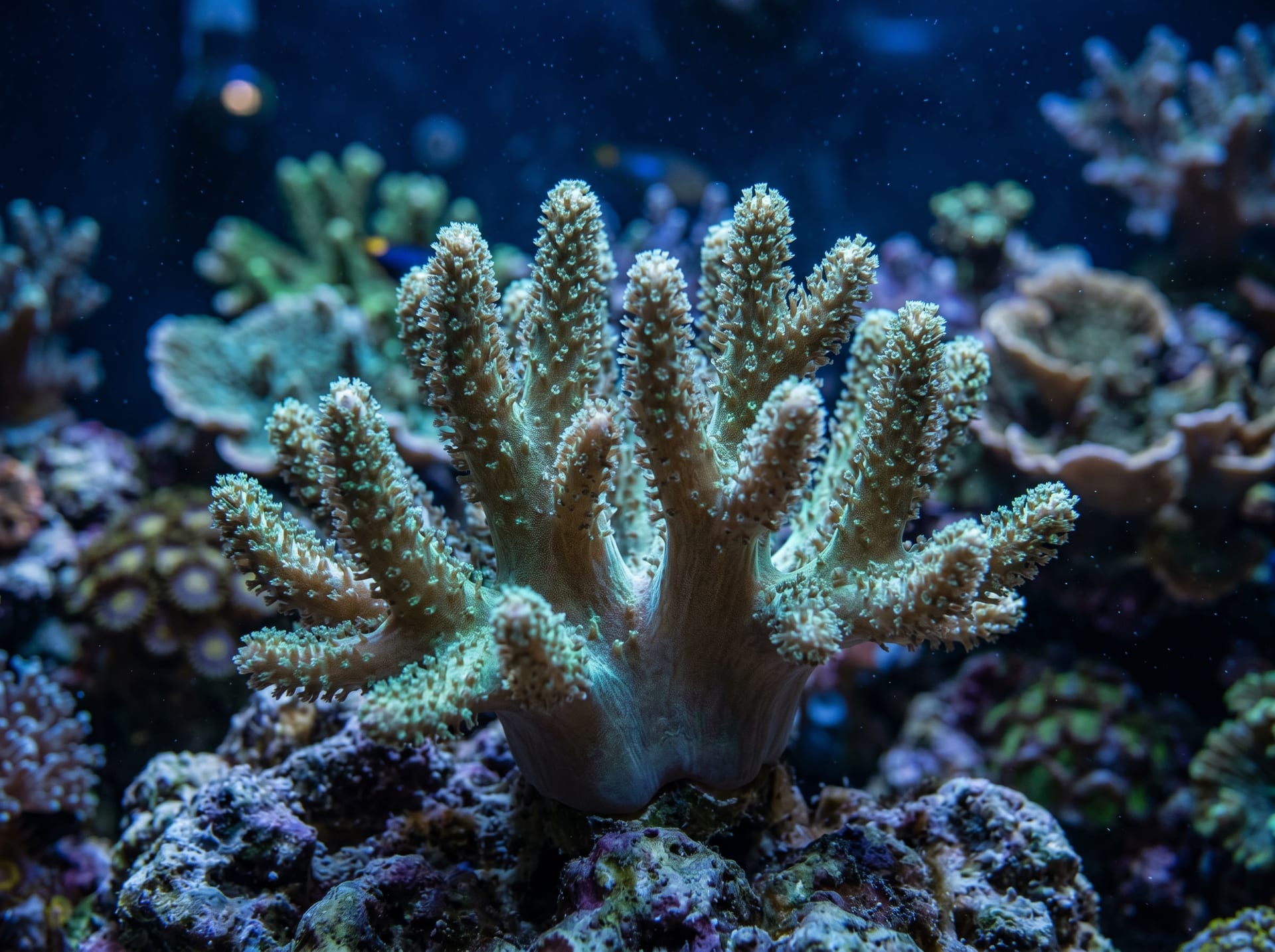
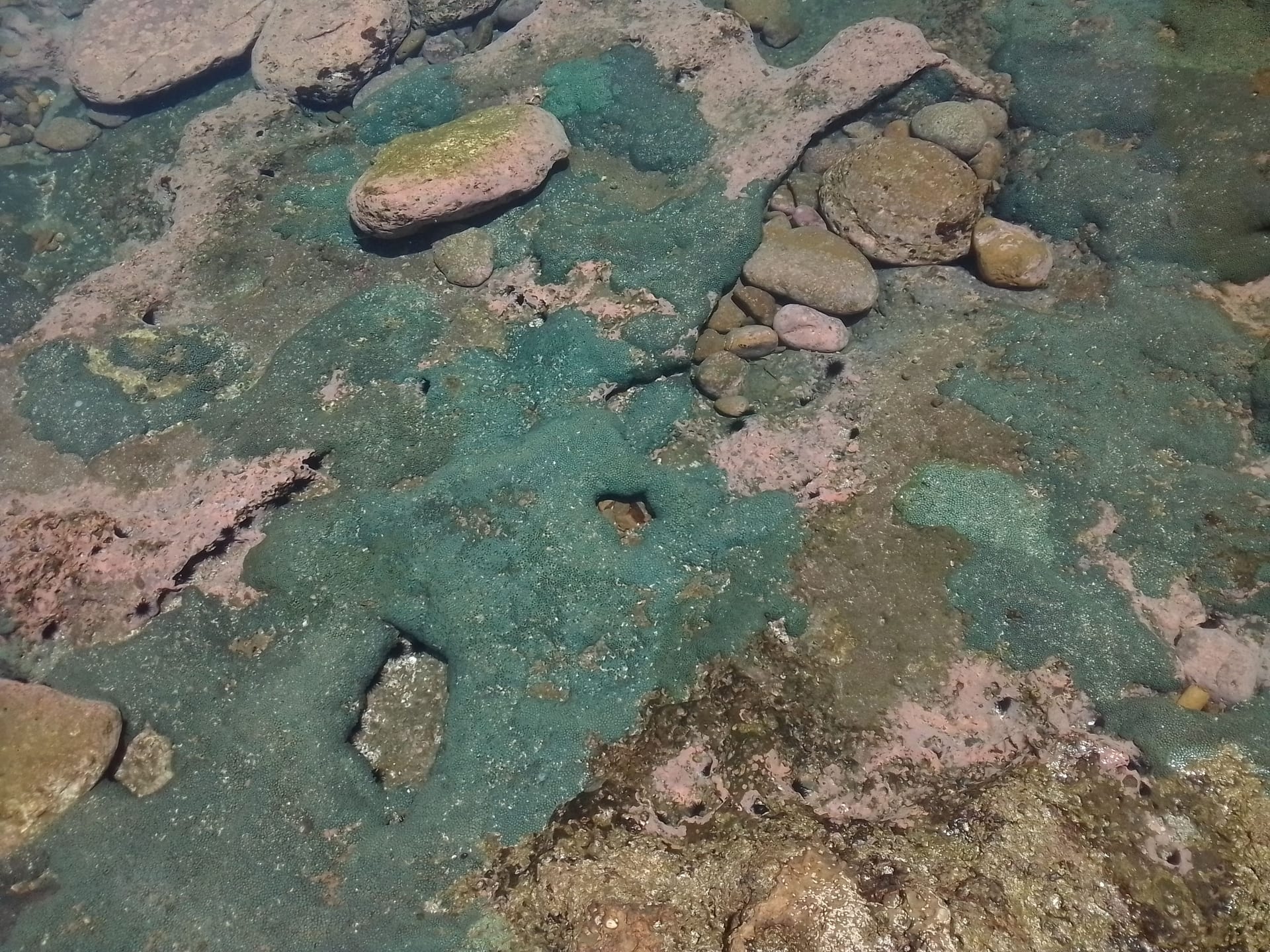
The representative Zoanthus of Japanese waters, forming extensive intertidal mats from the mainland coast to Okinawa. Its oral disc colour is exceptionally variable, and most Zoanthus sold for aquariums belong to this species.
Difficulty
Beginner
Temperature
24〜27℃
Size
Polyps about 1cm across
Diet
Mainly nutrition from symbiotic zooxanthellae, supplemented with liquid or powdered coral foods.
About
Zoanthus sansibaricus is a zoantharian of the family Zoanthidae distributed across the Indo-Pacific. SeaLifeBase gives its depth range as 0-8 m, and it forms extensive mats over rock, its coenenchyme reinforced with incorporated sand, from the intertidal zone into shallow reef. In Japan it is common from the southern coast of Honshu to Okinawa and can be seen enduring exposure in tide pools. The polyps are about a centimetre across and the oral disc is exceptionally variable, with green, orange, pink and blue-green colour morphs all known. Most Zoanthus offered for aquariums belongs to this species. It is zooxanthellate and draws most of its nutrition from photosynthesis, though it also responds to liquid coral foods. It is hardy and spreads quickly, which makes it easy to keep but also means it creeps across rock and smothers neighbouring corals, so it needs room. Species in this order are known to carry palytoxin, so avoid handling it bare-handed when fragging. It is not listed in the CITES Appendices.
Source: Wikipedia (CC BY-SA 4.0)
Size of the Zoanthus Sansibaricus
The Zoanthus Sansibaricus grows to Polyps about 1cm across.
Temperature & humidity for the Zoanthus Sansibaricus
The ideal temperature for the Zoanthus Sansibaricus is 24〜27℃.
Basic Info
Origin
Indo-Pacific, on rocky shores and in the intertidal zone at depths of 0-8 m
Size
Polyps about 1cm across
Temperature
24〜27℃
Care Specifications
- Carbonate (KH)
- 8–12 dKH
- Water Temp.
- 24–27℃
- Specific Gravity
- 1.023–1.025
- Salinity
- 33–35 ppt
Semi-aggressiveLight: Medium (PAR 50-150)Flow: MediumPlacement: Middle
Sources: SeaLifeBase (Zoanthus sansibaricus) / LiveAquaria (Colony Polyp, Zoanthus Corals) / AlgaeBarn: Water Parameters 101
References & Sources
Edited & verified by: BreederDirect editorial team
The taxonomic, regulatory, and husbandry data on this page are compiled and verified against the authoritative primary sources below.
Taxonomy & Authority
Accepted name: Zoanthus sansibaricus Carlgren, 1900
Synonyms: Zoanthus zansibaricus Carlgren, 1900, Zoanthus cavernarum Pax & Müller, 1957, Zoanthus erythrochloros Pax & Müller, 1957
Authority databases: WoRMS
Nomenclature follows global taxonomic authority databases.
Regulations & Conservation Status
Not CITES-listed
Sources: CITES Appendices (species not listed)
Regulations may change. Always verify the latest information with the relevant authorities.
Zoanthus Sansibaricus Listings
Loading latest listingsFind listings for this species