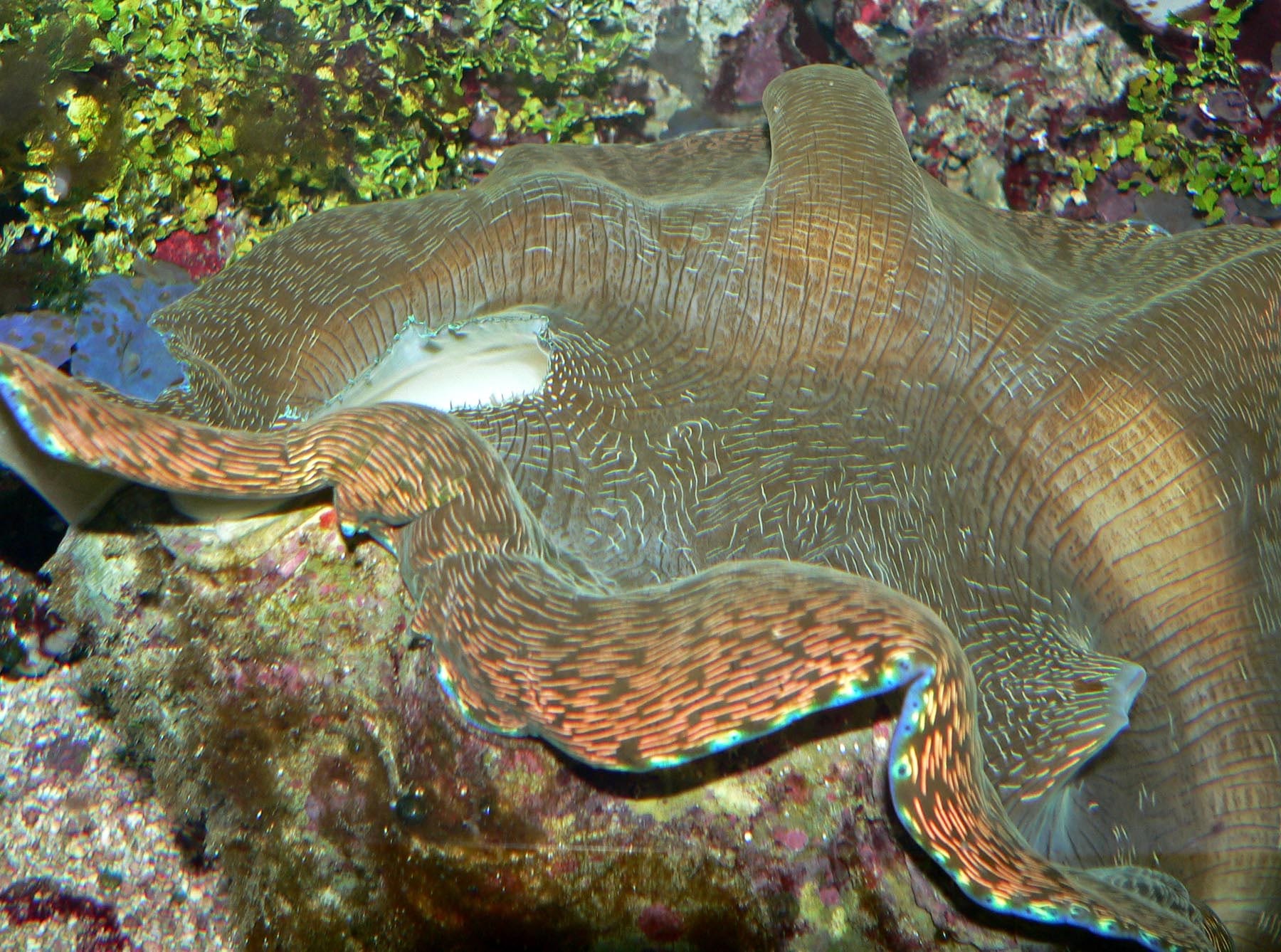
 © Stan Shebs / CC BY-SA 3.0
Derasa Clam
The Derasa Clam is a large giant clam species that can grow to a shell length of up to 60 cm. Unlike the closely related squamosa clam, it lacks the leaf-like scutes on its shell, giving it a smooth surface — the origin of its Japanese name, which literally means "finless." Known for fast growth and hardiness, it is often recommended as a great starting species for those new to keeping giant clams. Its mantle hosts symbiotic zooxanthellae, producing vivid colors that shine beautifully under reef lighting. Rated beginner-friendly in difficulty, it makes a striking, low-maintenance centerpiece for a marine aquarium alongside corals.
View Derasa Clam encyclopedia →0% commission on your first sales!Register by September 30, 2026 and your first 2 sales are commission-free!
Breeder Wanted!
List on BreederDirect and sell directly to customers nationwide!
Br-Choku's 6 Transparency Standards
Our Breeder sellers disclose detailed care specs for all Coral listings. We prioritize Aquacultured/CB specimens, verify WYSIWYG photos, and provide difficulty ratings—avoiding wild-caught.
- Aquacultured
- WYSIWYG Photo
- Difficulty Disclosed
- Frag/Colony
- Care Info Included
- Trade name shown
Browse all 210 breeds
Difficulty
Verified breeders wanted for Coral
Breeders are signing up now ahead of launch. Subscribe to be notified when new listings go live.
Getting alerts is free with a member account. When new listings match your saved search, we'll notify you by email and in-app.
Browse other categories
Verified breeders (preview)
Derasa Clam key facts
- Care level
- Beginner-friendly
- Size
- Shell length to 60cm
- Temperature
- 24〜27℃
- Diet
- Mainly photosynthesis by the zooxanthellae in its mantle; small specimens also filter-feed on phytoplankton.
- Lighting
- LiveAquaria lists moderate lighting. Its light requirement is the lowest in the family and it does not need the intensity T. crocea demands, though it still depends on photosynthesis in the mantle.
- Flow & Placement
- LiveAquaria lists medium flow and a bottom position. It does not bore into rock and can sit directly on sand. Allow for the footprint it will occupy once grown.
- Water Temperature & Quality
- Water 24-27C, specific gravity 1.023-1.025 (33-35 ppt), KH 8-12, calcium 400-450 ppm, magnesium 1280-1350 ppm. Shell growth consumes calcium heavily, so dose and test for it consistently.
- Feeding
- Most of its nutrition comes from photosynthesis by the zooxanthellae in its mantle. Adults need little feeding, but specimens under about 5 cm rely more on filter feeding and benefit from added phytoplankton.
- Notes
- It reaches 60 cm, so long-term keeping requires a large tank. The IUCN lists it as Endangered, and as a member of the Tridacnidae it falls under the blanket CITES Appendix II listing; trade requires permits. A mantle that will not open, retracted edges, or no response to light all signal trouble. Severing the byssus is usually fatal, so never force a clam off the rock it has attached to. Check at night for parasitic pyramidellid snails around the shell gape and remove them.
About Derasa Clam
Derasa Clam: a large giant clam species reaching up to 60cm in shell length, with a smooth, scute-free shell. Fast-growing, hardy, and beginner-friendly — an excellent starter species for giant clam keeping.
7 things to know before welcoming a Derasa Clam
1Grows Up to 60cm
Shell length can reach up to 60cm, so plan your tank and aquascape with its future size in mind. Once settled, clams don't tolerate being moved often, so choose a permanent spot from the start.
2Needs Strong Lighting
The mantle hosts symbiotic zooxanthellae that provide most of its nutrition through photosynthesis, so reef-grade lighting is essential. Insufficient light will gradually weaken the clam over time.
3Water Chemistry for Shell Growth
Maintaining and growing the shell requires consistent dosing of calcium, magnesium, and trace elements. Regular water testing helps keep these parameters stable for long-term health.
4Choose a Stable Perch
Placing it on uneven rockwork or in gaps between live rock can lead to it toppling or falling due to water flow or contact with other animals. A flat, stable rock ledge or dedicated stand works best.
5Watch for Mantle Nippers
Some fish, shrimp, and snails are known to peck at the clam's mantle, and injuries there can sap its strength. Check tankmate compatibility before adding this clam to an established system.
6Hardy Starter Species
Compared to other giant clam species, it is notably hardy and fast-growing, making it a beginner-friendly choice. It's often recommended as a first clam for aquarists new to keeping them.
7Check Mantle Response Before Buying
Look for a specimen whose mantle extends fully and retracts quickly when disturbed, as this is a good indicator of health. Acclimate it slowly after transport to minimize stress from the change in water conditions.
Frequently asked questions about Derasa Clam
- Q.How large does the Derasa Clam grow?
- A.Its shell can reach up to 60cm in length. When adding one to your tank, it's important to plan for this eventual size in advance.
- Q.Is this clam suitable for beginners?
- A.Yes, it's rated beginner-friendly and known as a great starter species for giant clam keeping thanks to its hardiness and fast growth. That said, it still needs strong lighting and stable water parameters.
- Q.How is it different from the squamosa clam?
- A.Unlike the squamosa clam, it lacks the leaf-like scutes on its shell, giving it a smooth surface. This smooth shell is the origin of its Japanese name, which means "finless."
- Q.Does it require special feeding?
- A.Since the symbiotic zooxanthellae in its mantle produce most of its nutrition through photosynthesis, feeding demands are relatively low as long as lighting is adequate. Ongoing water quality and calcium management are still necessary, though.
- Q.Are there any legal restrictions on this species?
- A.Derasa Clam is listed in CITES Appendix II. International trade requires a permit from the exporting country, but as far as CITES is concerned, no registration is needed to buy or sell individuals already legally in Japan.
Useful tools for Derasa Clam care
Learn more about Derasa Clam in the encyclopedia
View Derasa Clam encyclopedia entry →
Care difficulty, lifespan, size and diet — all basics covered.
More in this category
Can't find the one you're looking for?
Post your wishes for free and breeders with matching animals will contact you with introductions.