Source: Wikimedia Commons
Derasa Clam
BeginnerTridacna derasa
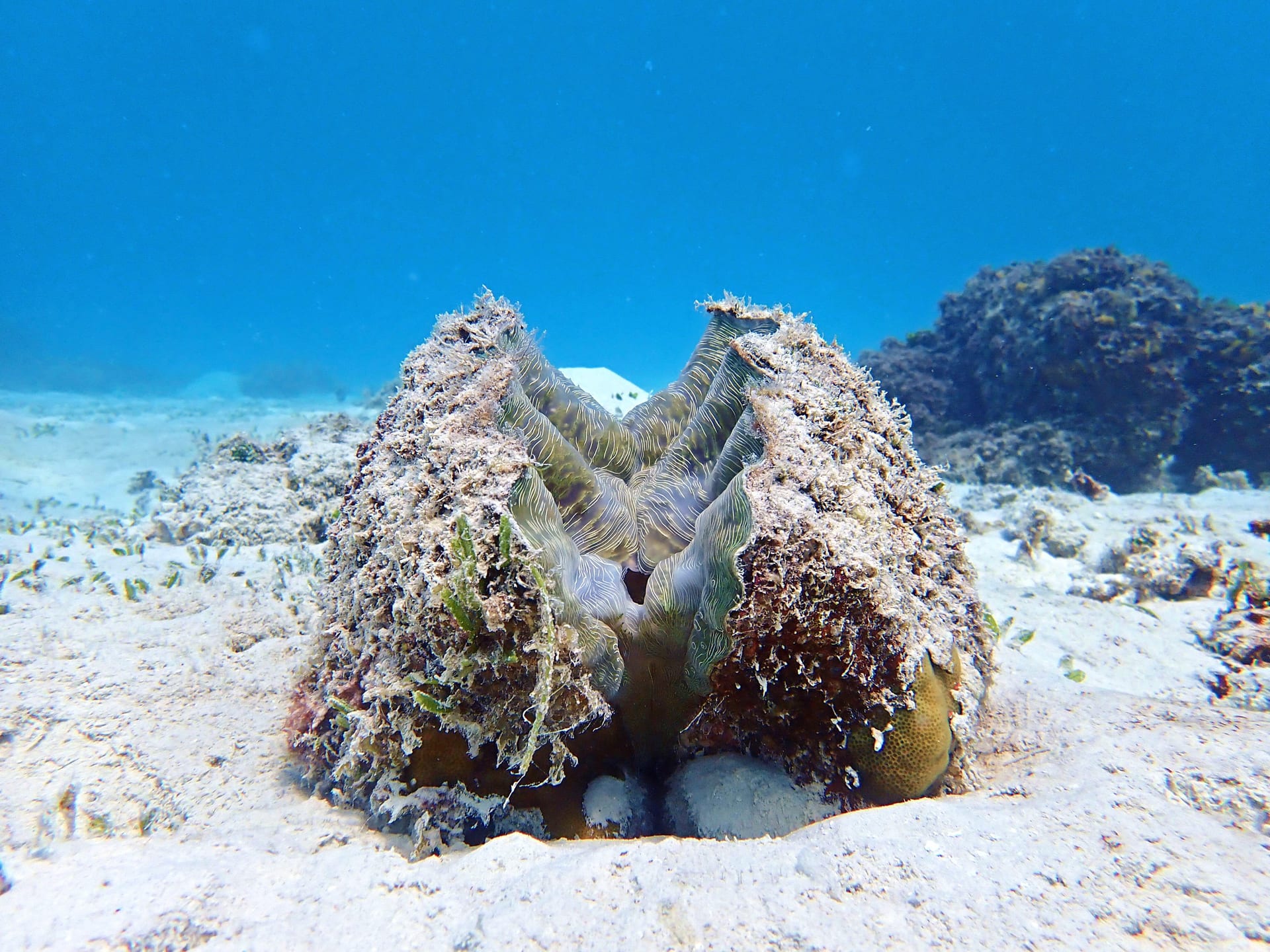
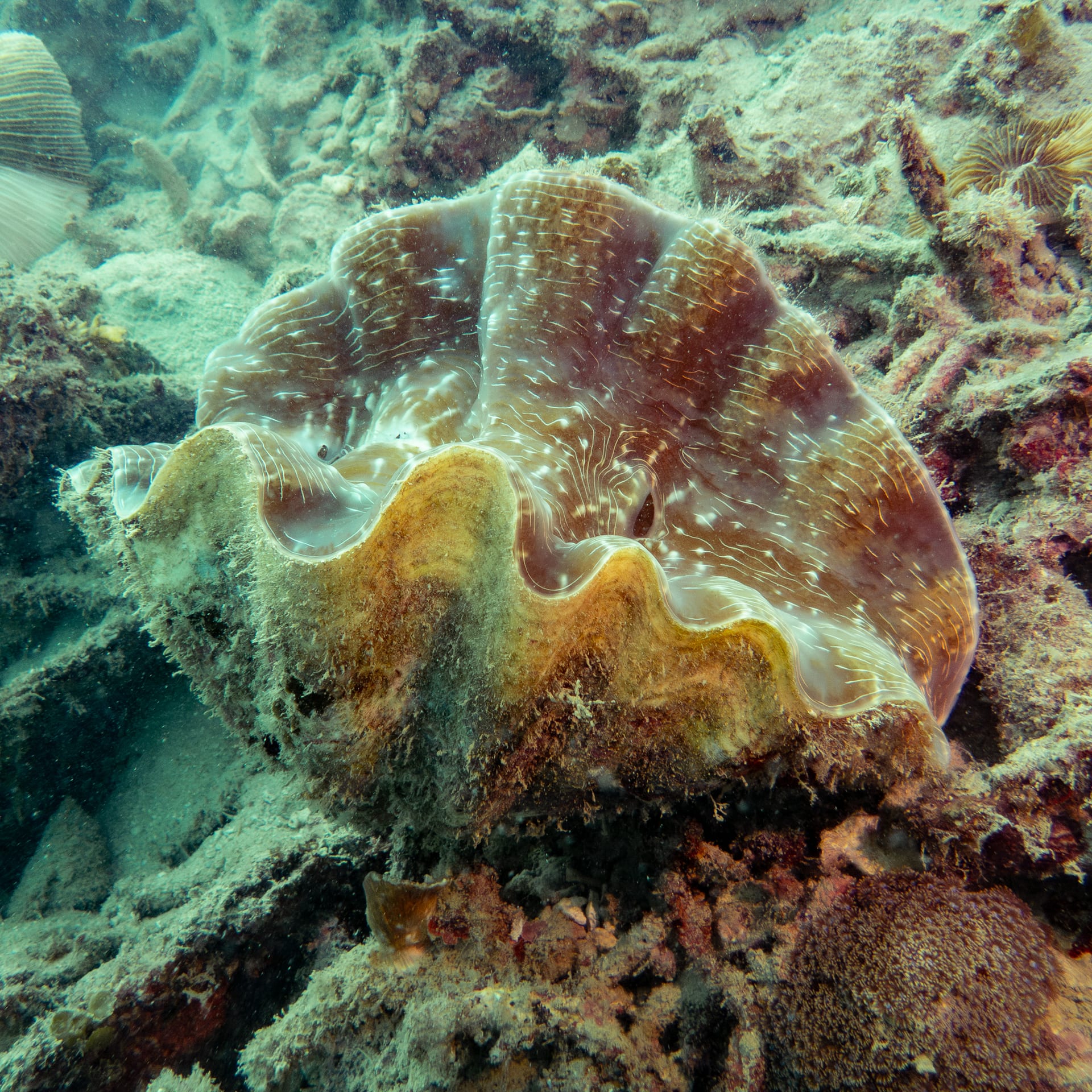
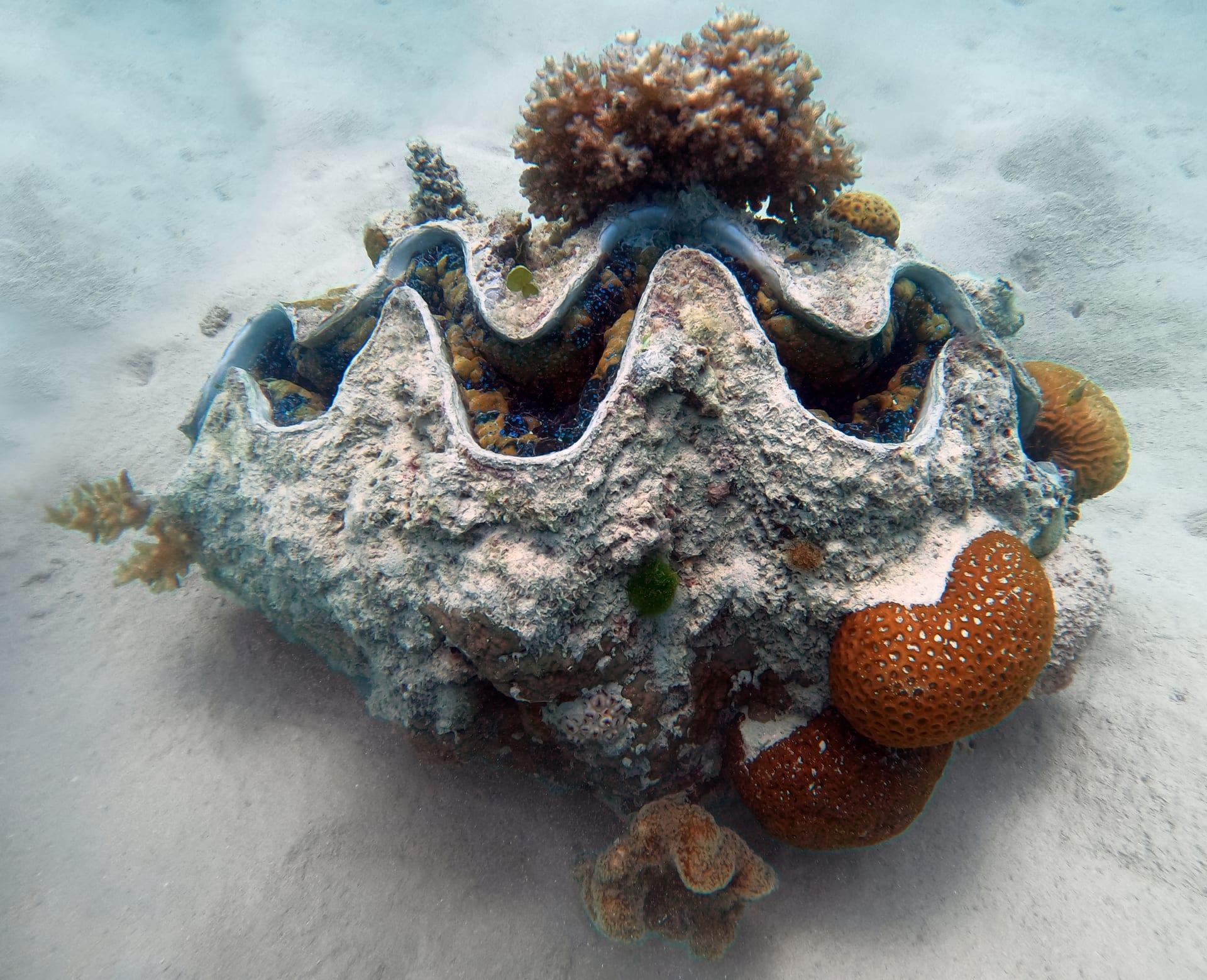
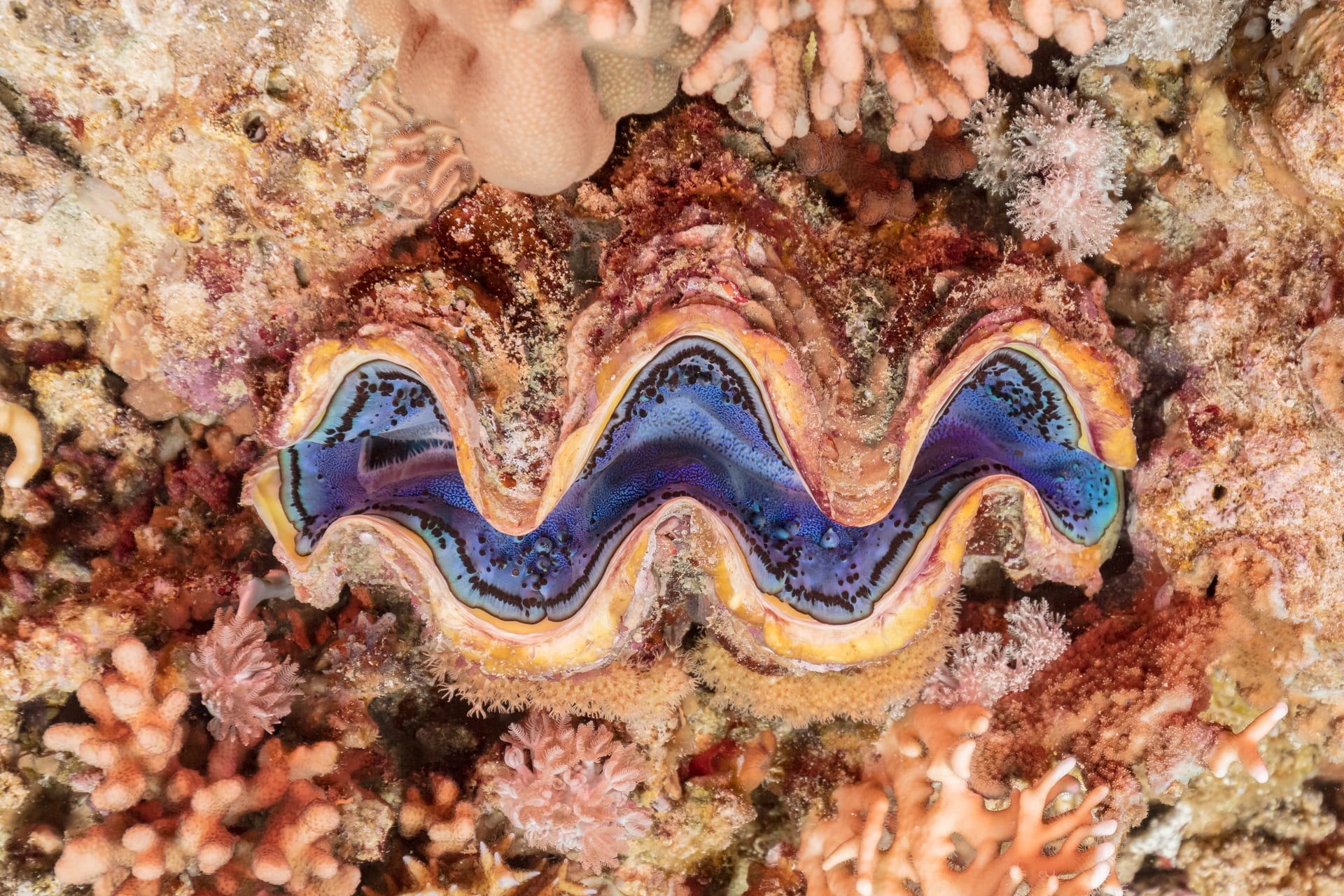
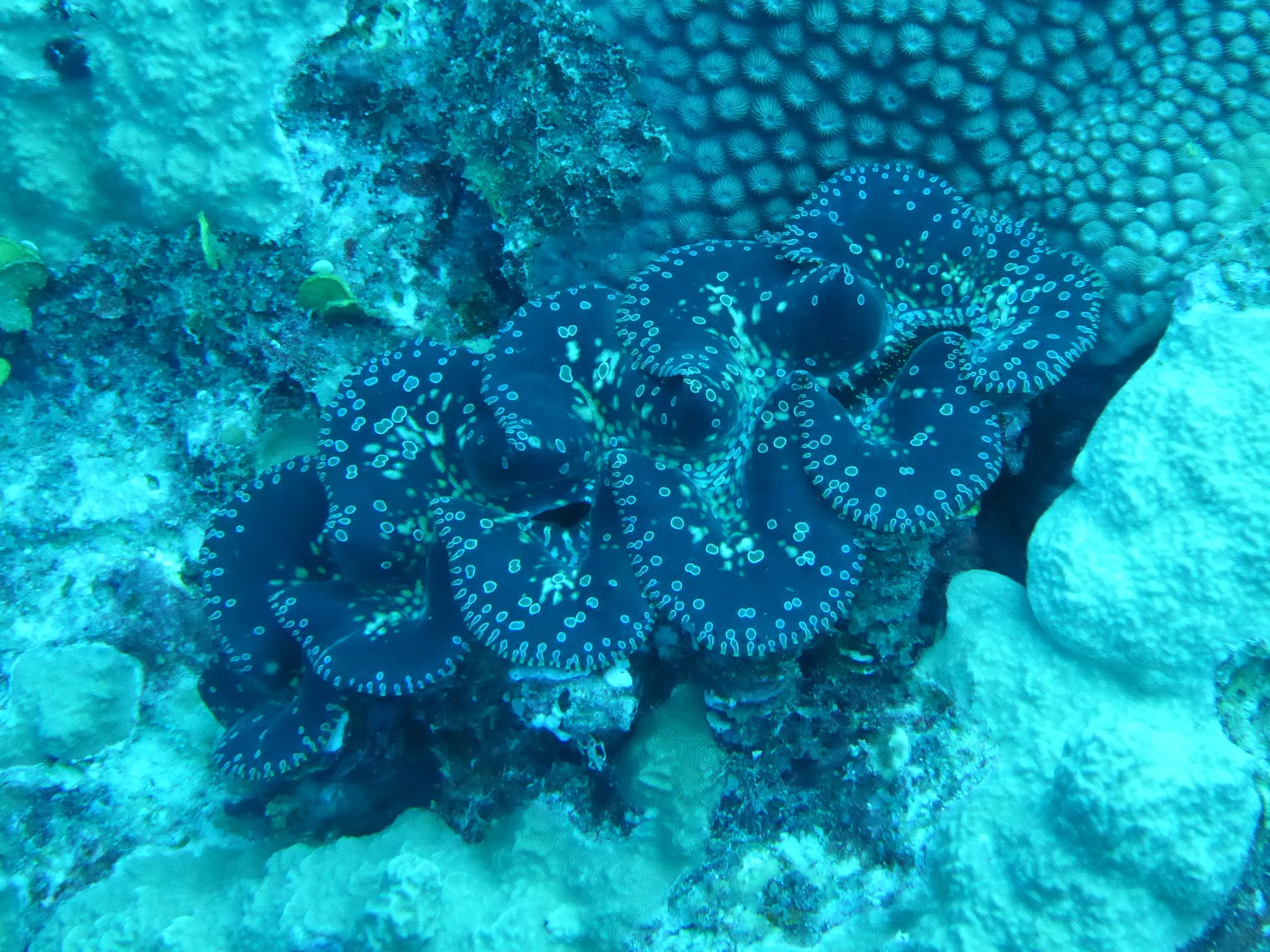
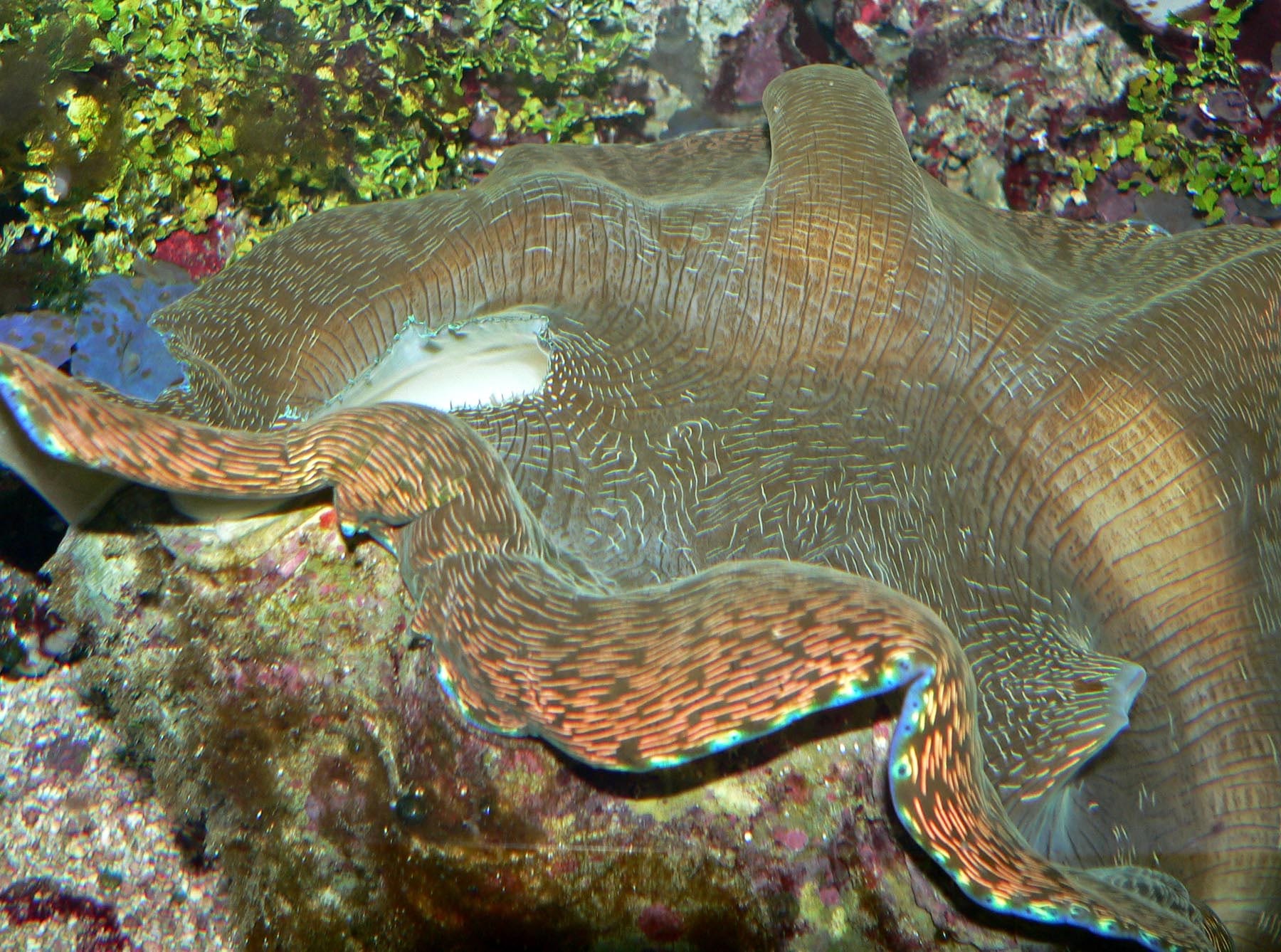
Reaching 60 cm in shell length, with a smooth shell lacking the leaf-like scutes of T. squamosa, which its Japanese name reflects. Fast-growing and hardy, it is regarded as the beginner's giant clam.
Difficulty
Beginner
Temperature
24〜27℃
Size
Shell length to 60cm
Diet
Mainly photosynthesis by the zooxanthellae in its mantle; small specimens also filter-feed on phytoplankton.
About
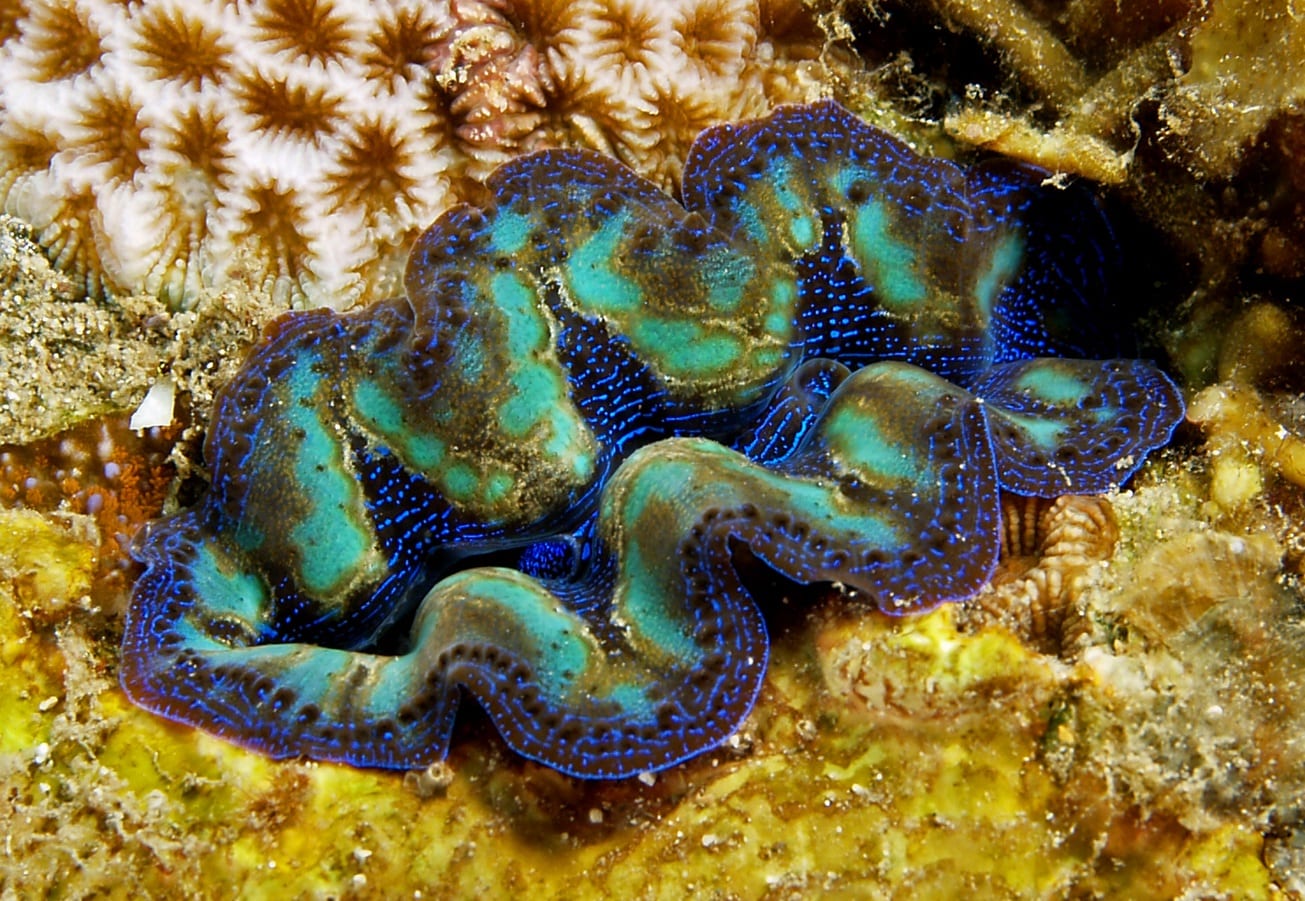
Tridacna derasa is a giant clam of the Indo-West Pacific. gigas. It lacks the leaf-like scutes of T. squamosa; the shell carries only low radial ribs and is otherwise smooth, which its Japanese name reflects. Zooxanthellae live in its mantle, which is typically brown or gold with blue or green striping. It grows faster and tolerates changing water chemistry better than most of the family, so it is generally treated as the beginner's clam. Its light requirement is lower than that of its relatives, and LiveAquaria lists moderate lighting for it. It does not bore into rock and can sit on sand, which also makes it easy to place. It does reach 60 cm, however, so long-term keeping needs a large tank. The IUCN assessed it as Endangered in 2024, and as a member of the Tridacnidae it is covered by the blanket CITES Appendix II listing. Most clams sold in Japan are cultured.
Source: Wikipedia (CC BY-SA 4.0)
Size of the Derasa Clam
The Derasa Clam grows to Shell length to 60cm.
SeaLifeBase gives its depth range as 0-20 m, usually 0-15 m, and a maximum shell length of 60 cm, making it the second largest species in the family after T.
Temperature & humidity for the Derasa Clam
The ideal temperature for the Derasa Clam is 24〜27℃.
Basic Info
Origin
Indo-West Pacific, at depths of 0-20 m and usually 0-15 m
Size
Shell length to 60cm
Temperature
Care Specifications
- Carbonate (KH)
- 8–12 dKH
- Water Temp.
- 24–27℃
- Specific Gravity
- 1.023–1.025
- Salinity
- 33–35 ppt
- Calcium (Ca)
- 400–450 ppm
- Magnesium (Mg)
- 1280–1350 ppm
PeacefulLight: Medium (PAR 50-150)Flow: MediumPlacement: Bottom
Sources: SeaLifeBase (Tridacna derasa) / LiveAquaria (Aquacultured Derasa Clam) / AlgaeBarn: Water Parameters 101
References & Sources
Edited & verified by: BreederDirect editorial team
The taxonomic, regulatory, and husbandry data on this page are compiled and verified against the authoritative primary sources below.
Taxonomy & Authority
Accepted name: Tridacna derasa (Röding, 1798)
Synonyms: Tridachnes derasa Röding, 1798, Tridacna glabra Link, 1807, Persikima whitleyi Iredale, 1937
Authority databases: WoRMS
Nomenclature follows global taxonomic authority databases.
Regulations & Conservation Status
CITES Appendix IIIUCN EN · Endangered
Sources: CITES Appendix II (Tridacnidae spp. listed as a family) / IUCN Red List 2025-2 (assessed 2024, via SeaLifeBase)
Regulations may change. Always verify the latest information with the relevant authorities.
Derasa Clam Listings
Loading latest listingsFind listings for this species