Source: Wikimedia Commons
Noah's Giant Clam
IntermediateTridacna noae
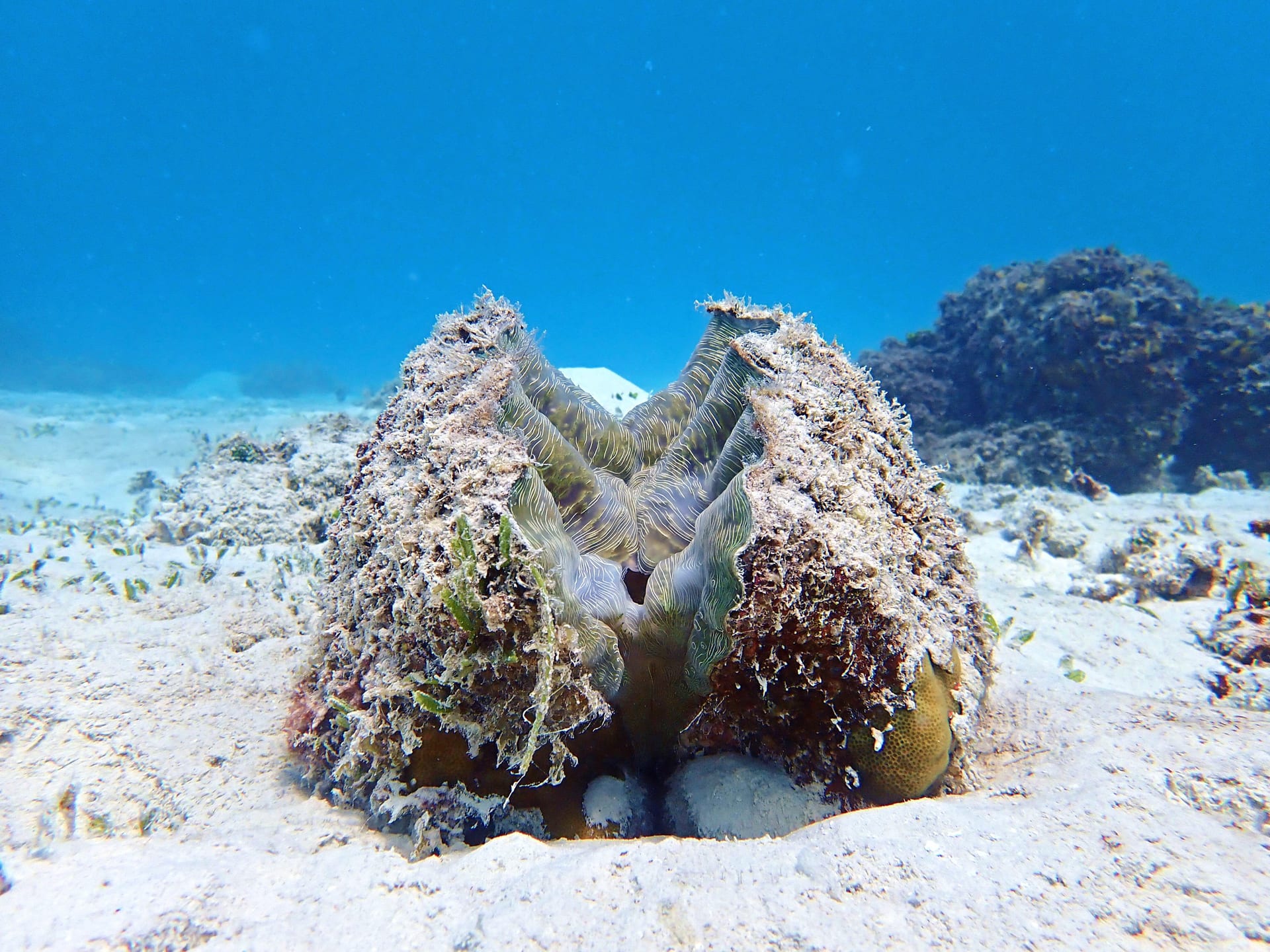
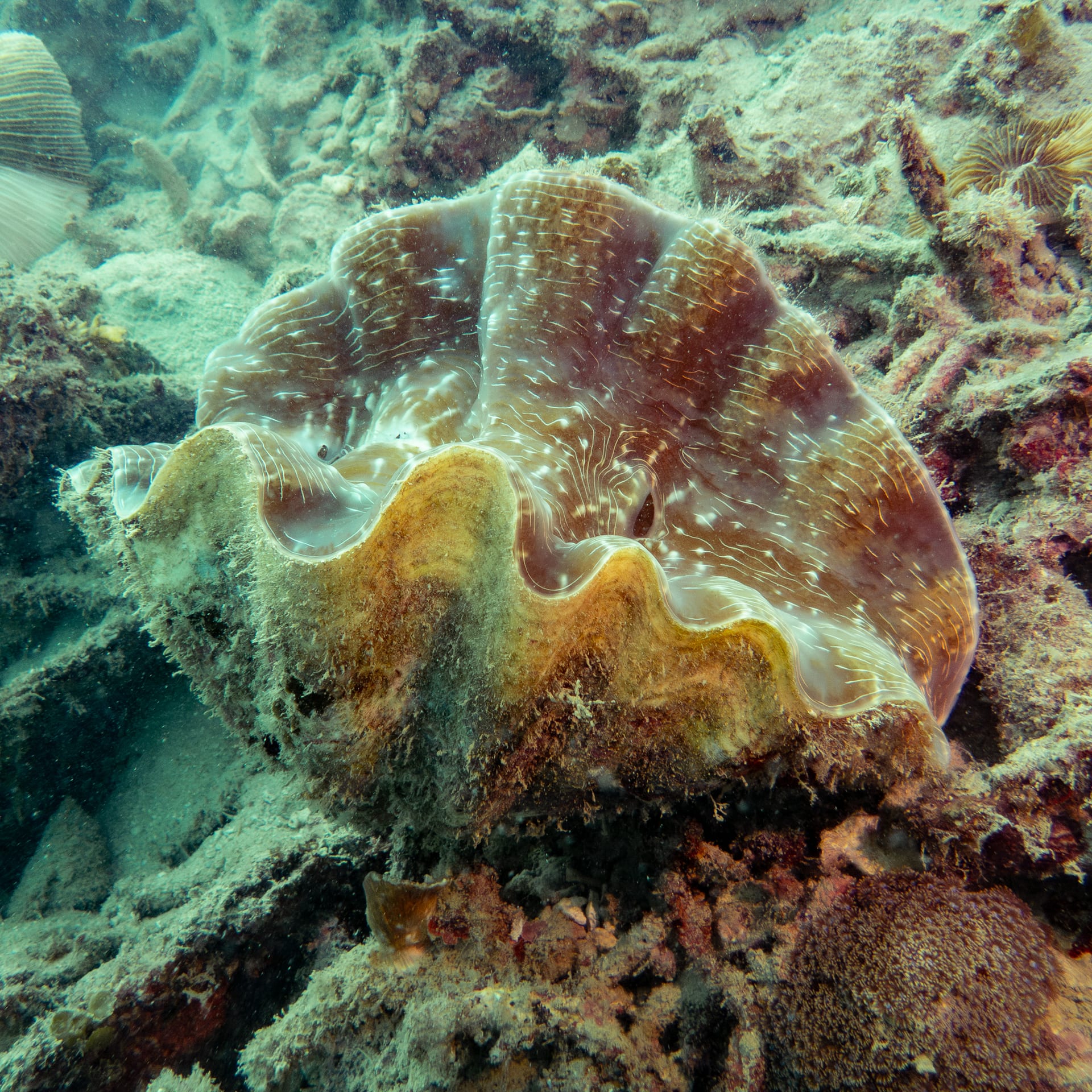
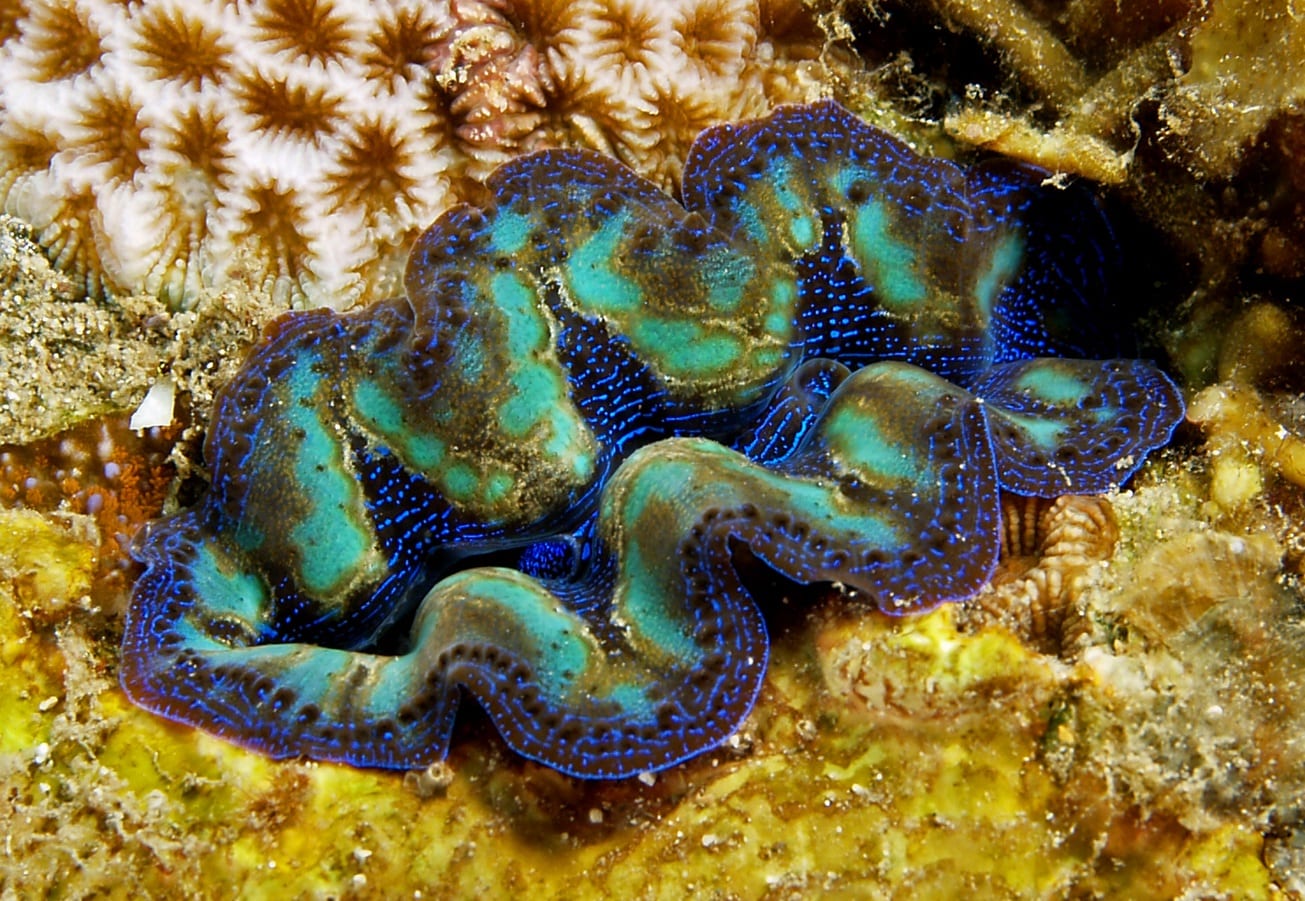
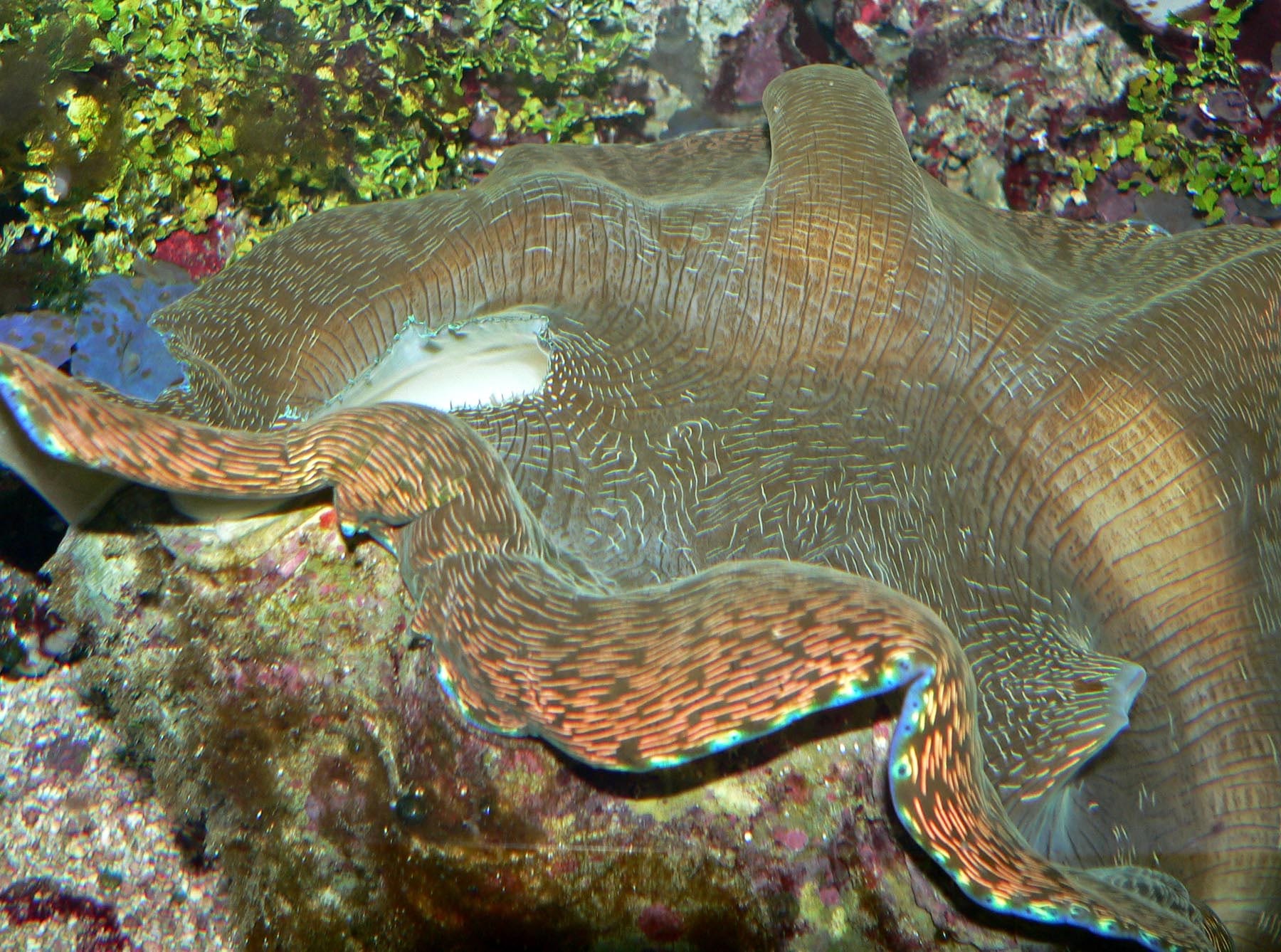
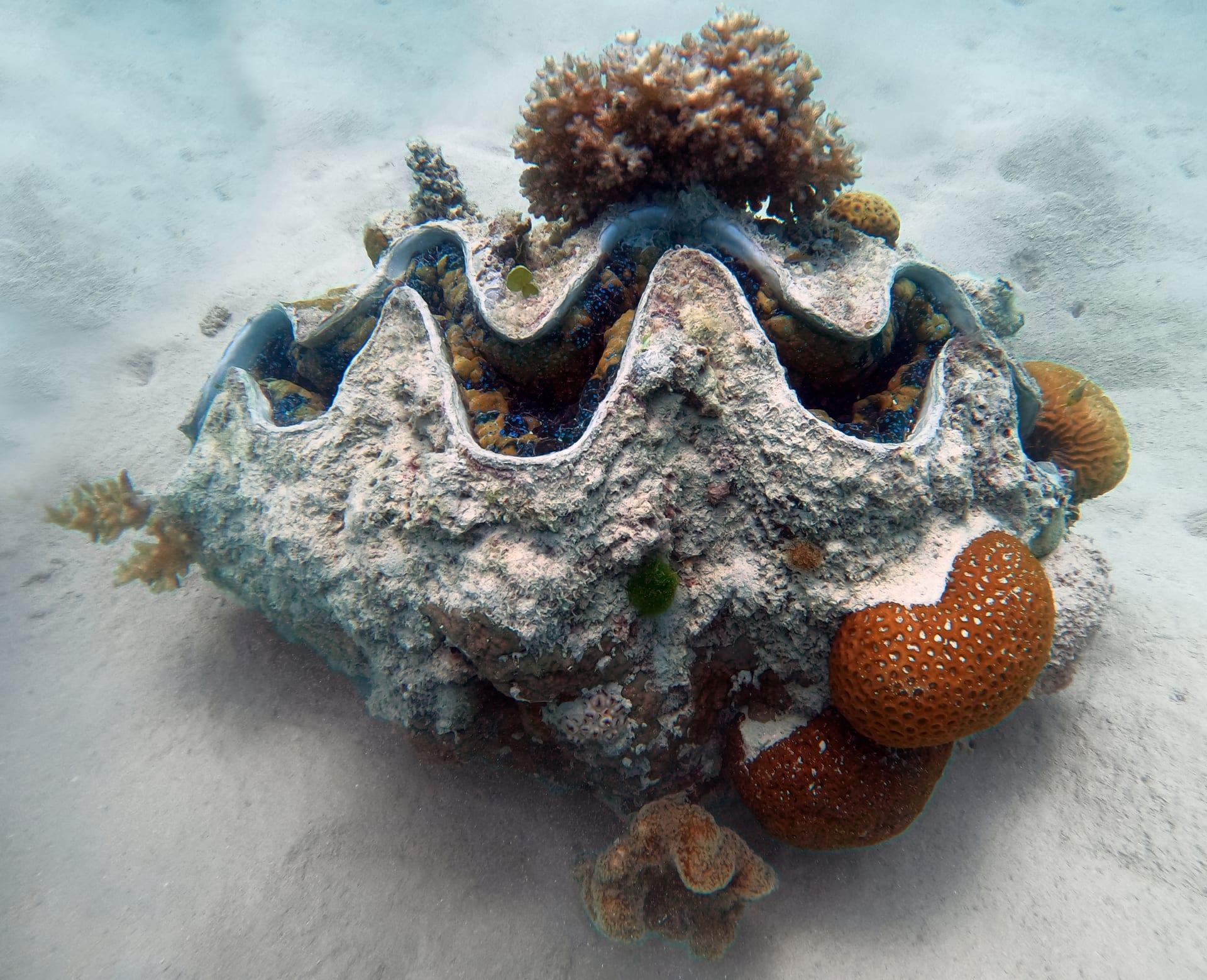
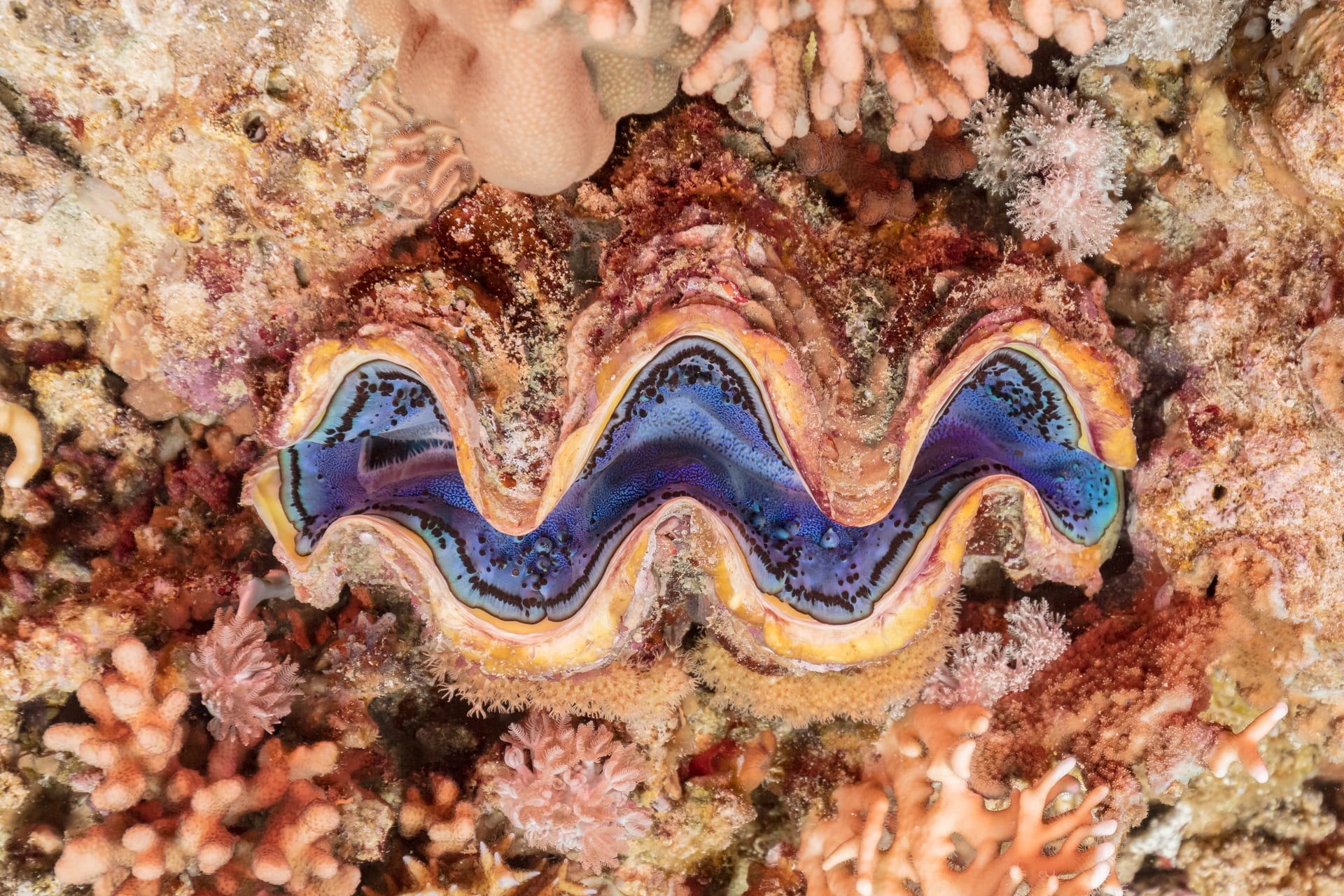
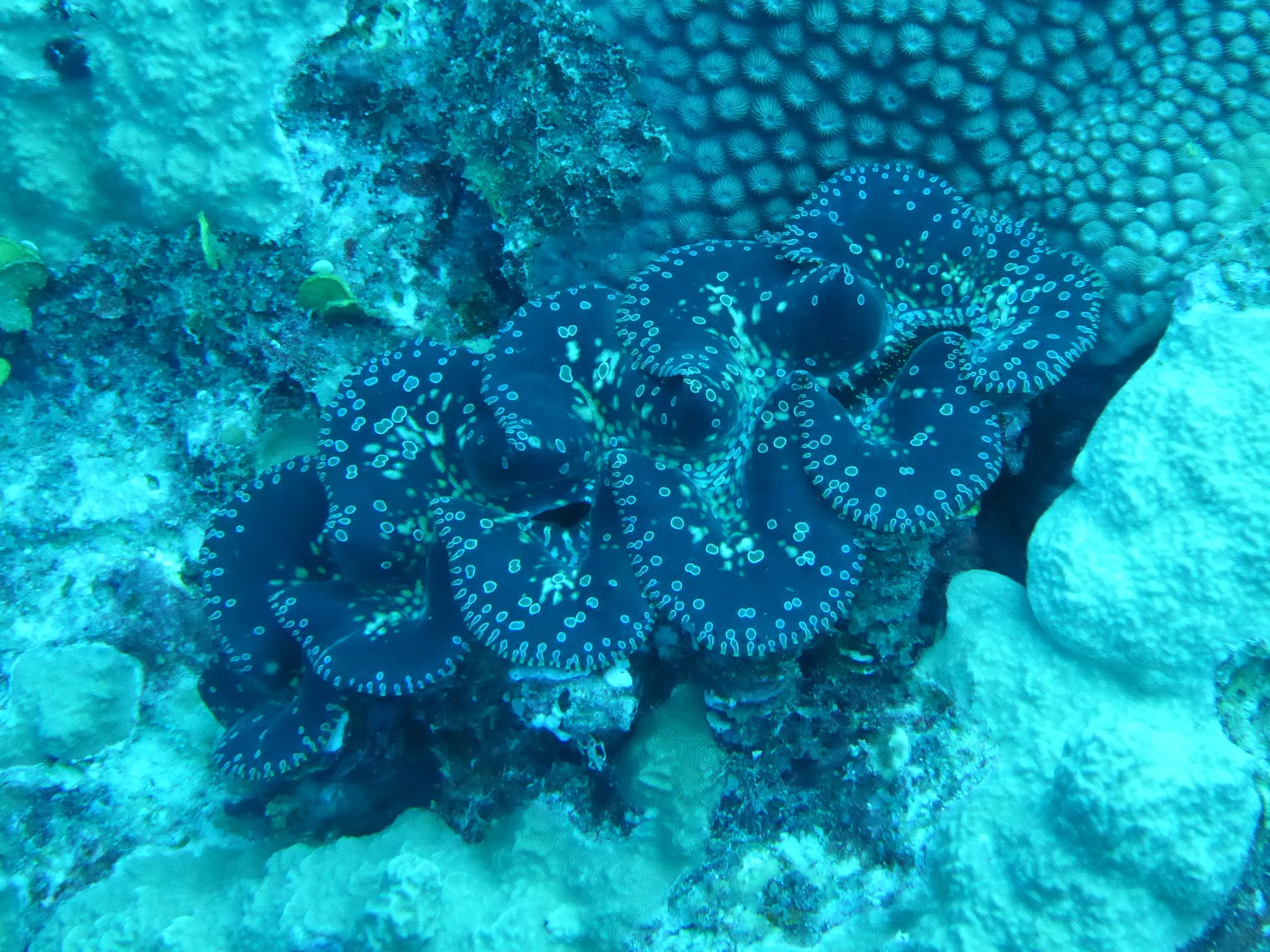
Reaching 28 cm in shell length. It is told from T. maxima by the scattered teardrop-shaped, white-rimmed spots on its mantle, where that species has linear markings. Long confused with it, this clam was resurrected as distinct in 2014.
Difficulty
Intermediate
Temperature
24〜27℃
Size
Shell length to 28cm
Diet
Mainly photosynthesis by the zooxanthellae in its mantle; small specimens also filter-feed on phytoplankton.
About
Tridacna noae is a giant clam of the Western Pacific. Roding described it in 1798, but it was long treated as the same species as T. maxima until work published in 2014 re-established it as distinct. It had also been described under other names, such as Tridacna ningaloo, which WoRMS now treats as synonyms. Zooxanthellae live in its mantle, and the diagnostic character is a scatter of teardrop-shaped spots with white margins, in contrast to the linear markings of T. maxima. It is smaller than that species but comparable in how it behaves in an aquarium. It attaches to rock by byssal threads and, as a shallow-water species, needs strong lighting. Because its taxonomy was settled only recently, it is still confused with T. maxima and T. crocea in the trade. The IUCN assessed it as Least Concern in 2024, and as a member of the Tridacnidae it is covered by the blanket CITES Appendix II listing.
Source: Wikipedia (CC BY-SA 4.0)
Size of the Noah's Giant Clam
The Noah's Giant Clam grows to Shell length to 28cm.
SeaLifeBase gives its depth range as 1-15 m and a maximum shell length of 28 cm.
Temperature & humidity for the Noah's Giant Clam
The ideal temperature for the Noah's Giant Clam is 24〜27℃.
Basic Info
Origin
Subtropical Western Pacific, at depths of 1-15 m
Size
Shell length to 28cm
Temperature
24〜27℃
Care Specifications
- Carbonate (KH)
- 8–12 dKH
- Water Temp.
- 24–27℃
- Specific Gravity
- 1.023–1.025
- Salinity
- 33–35 ppt
- Calcium (Ca)
- 400–450 ppm
- Magnesium (Mg)
- 1280–1350 ppm
PeacefulLight: High (PAR>150)Flow: MediumPlacement: Middle
Sources: SeaLifeBase (Tridacna noae) / LiveAquaria (Tridacnidae care data) / AlgaeBarn: Water Parameters 101
References & Sources
Edited & verified by: BreederDirect editorial team
The taxonomic, regulatory, and husbandry data on this page are compiled and verified against the authoritative primary sources below.
Taxonomy & Authority
Accepted name: Tridacna noae (Röding, 1798)
Synonyms: Tridachnes noae Röding, 1798, Tridacna ningaloo Penny & Willan, 2014, Tridacna troughtoni Iredale, 1927
Authority databases: WoRMS
Nomenclature follows global taxonomic authority databases.
Regulations & Conservation Status
CITES Appendix IIIUCN LC · Least Concern
Sources: CITES Appendix II (Tridacnidae spp. listed as a family) / IUCN Red List 2025-2 (assessed 2024, via SeaLifeBase)
Regulations may change. Always verify the latest information with the relevant authorities.
Noah's Giant Clam Listings
Loading latest listingsFind listings for this species