Source: Wikimedia Commons
China Clam (Hippopus Porcellanus)
AdvancedHippopus porcellanus
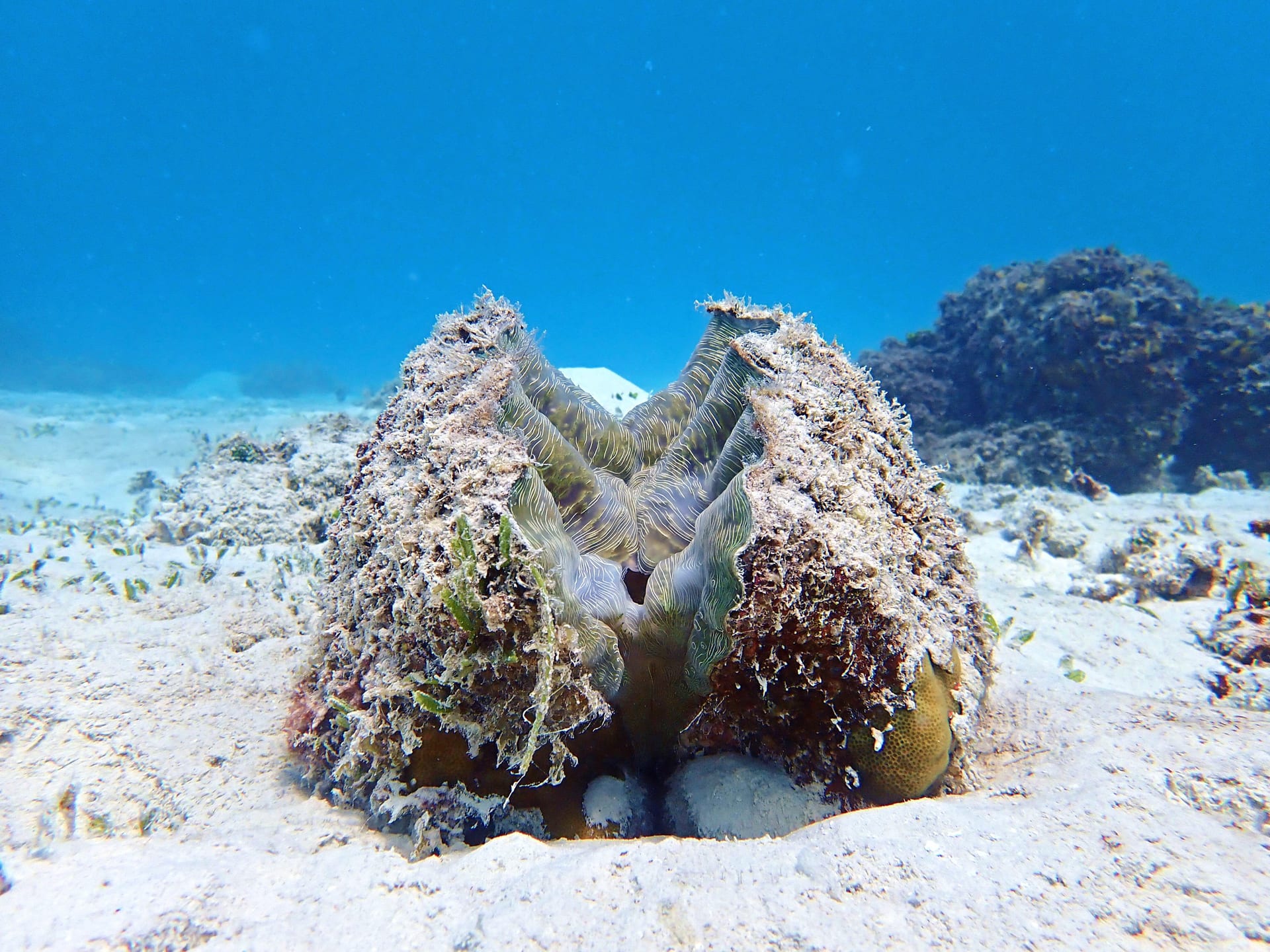
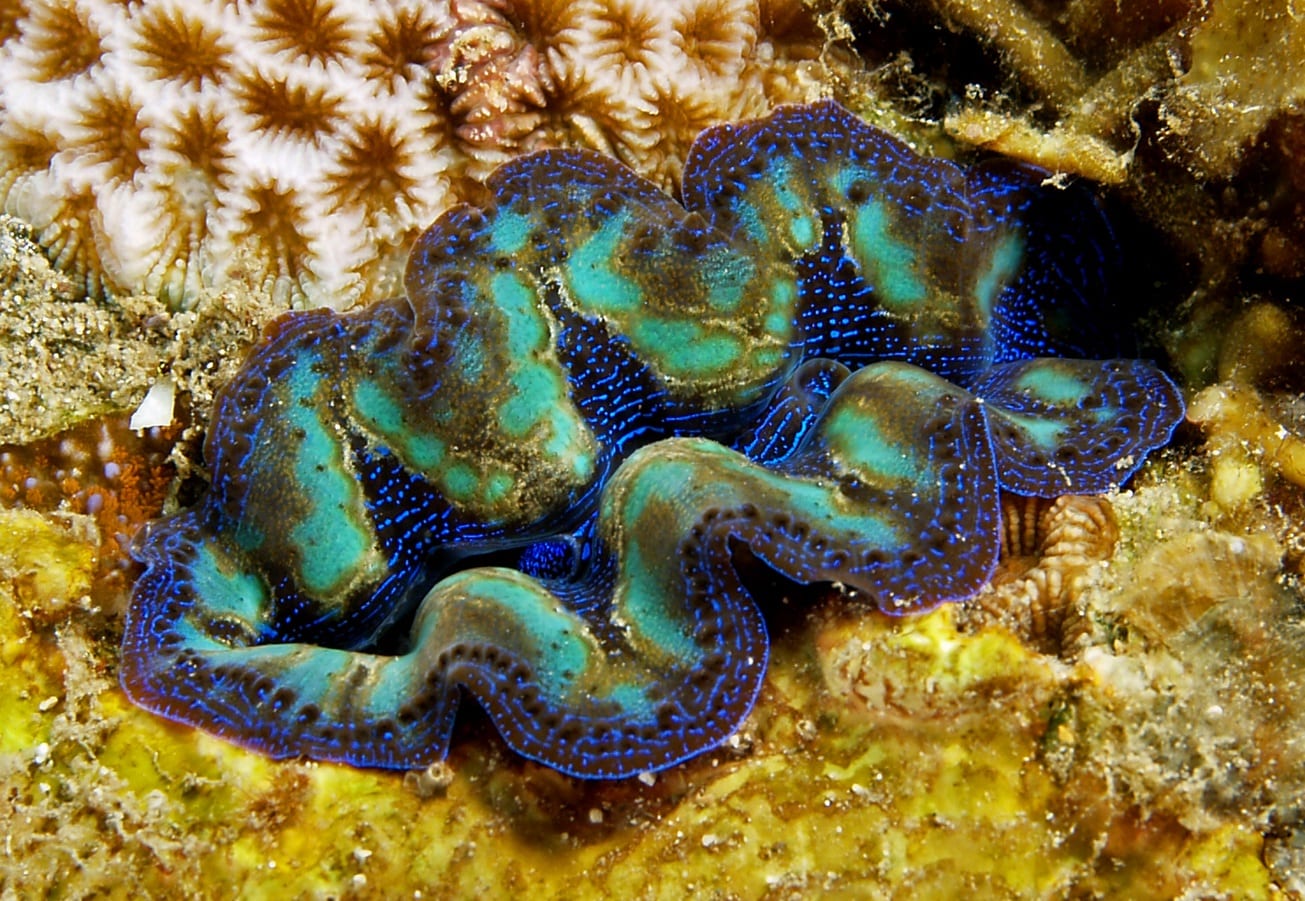
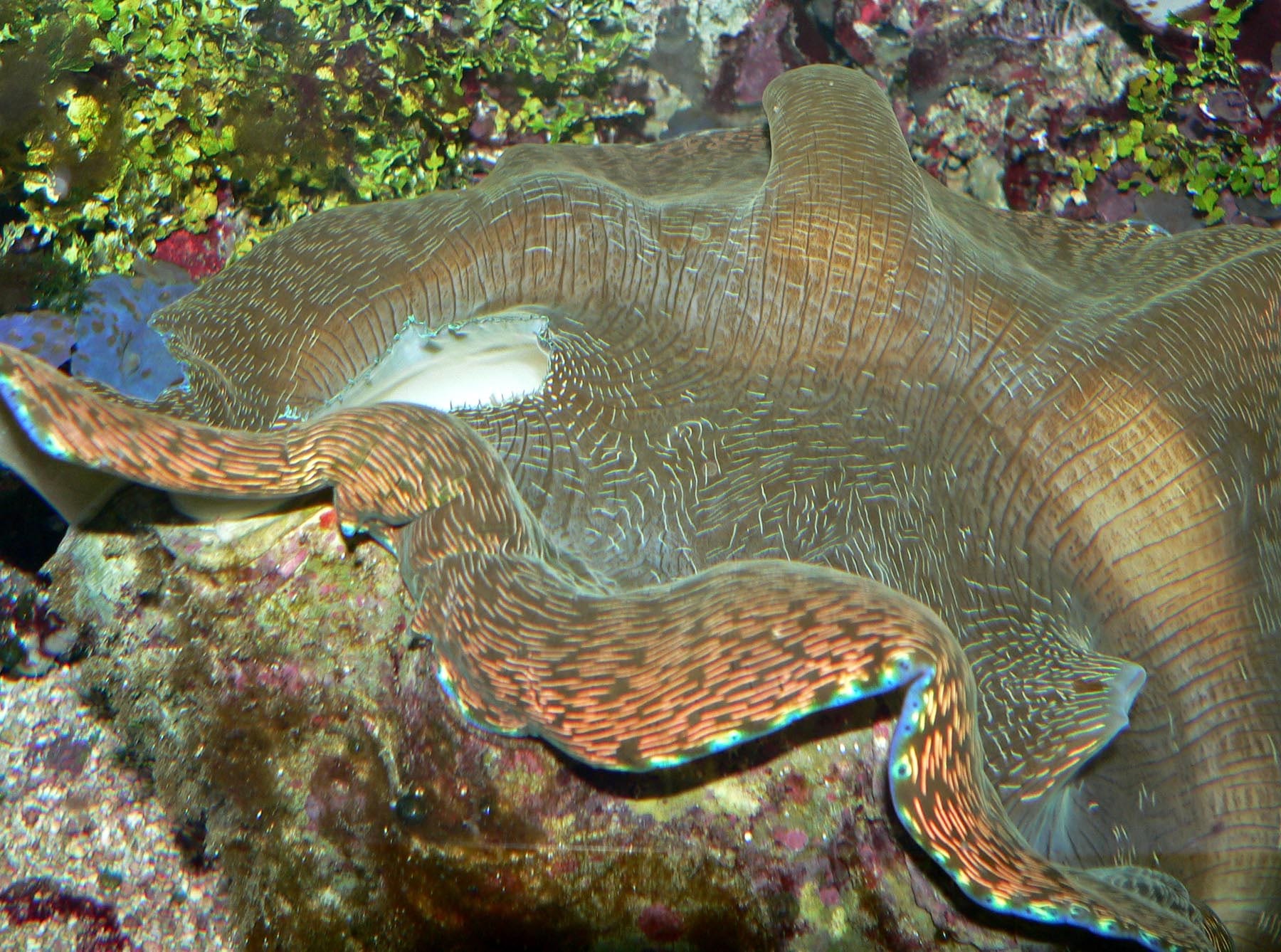
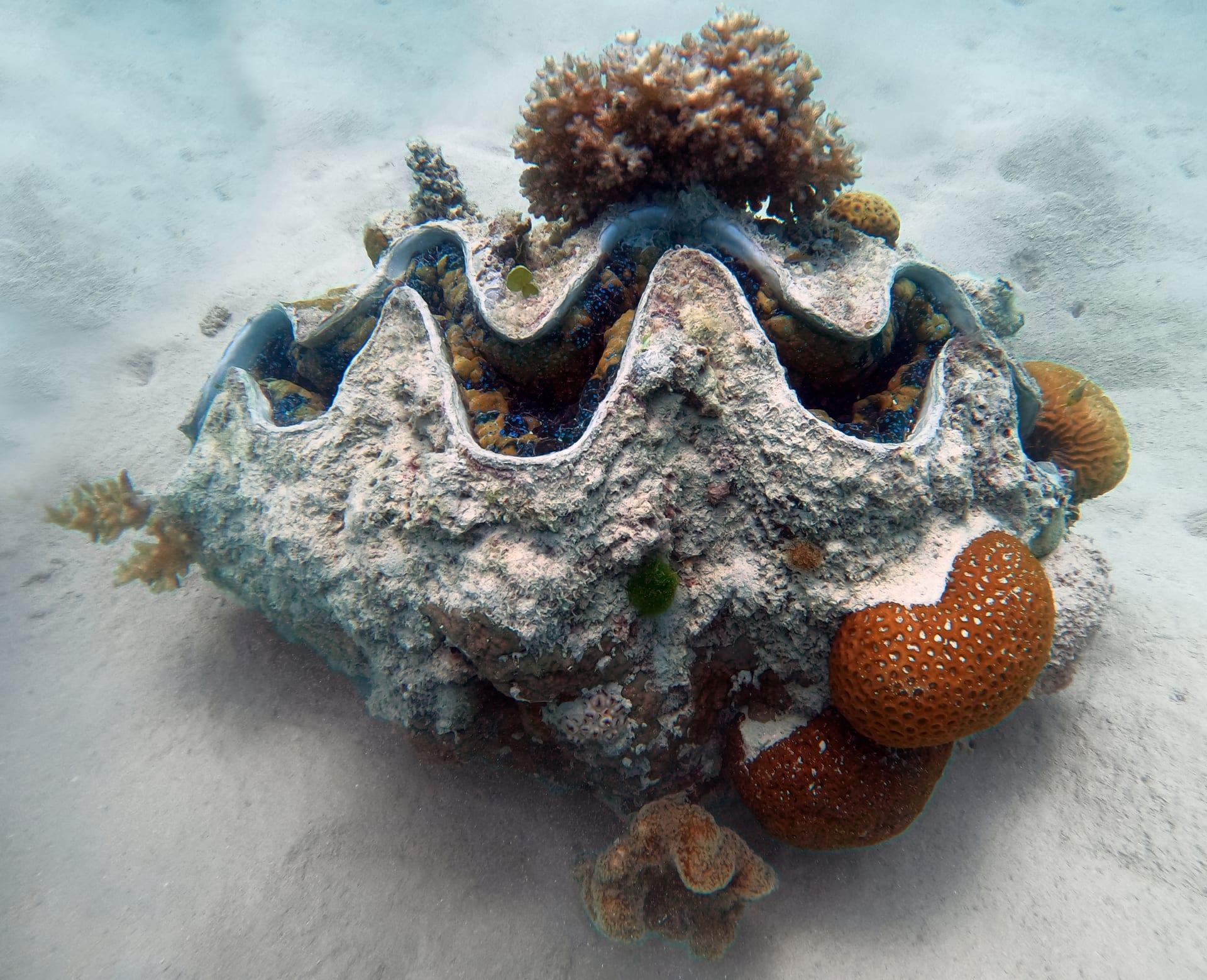
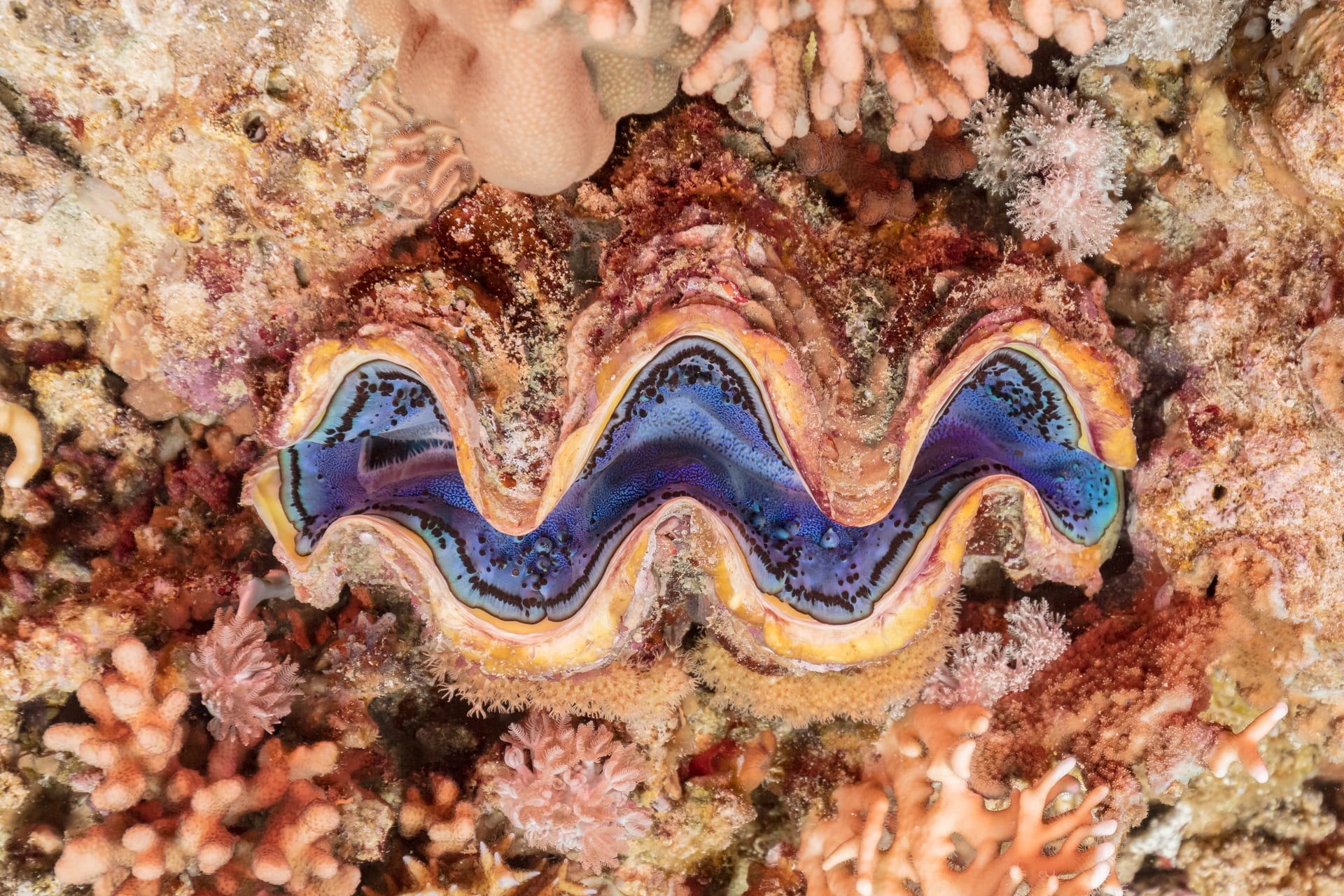
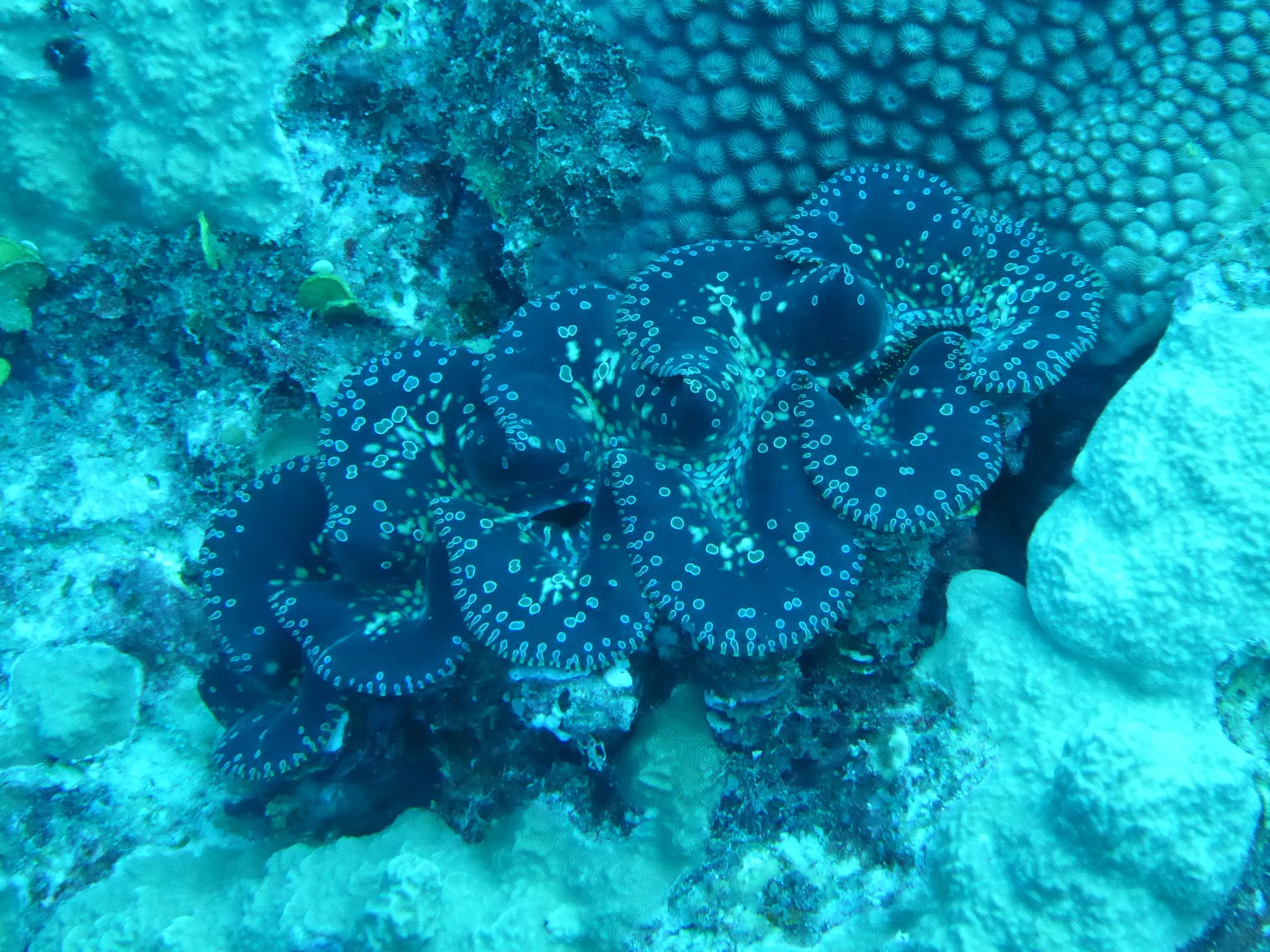
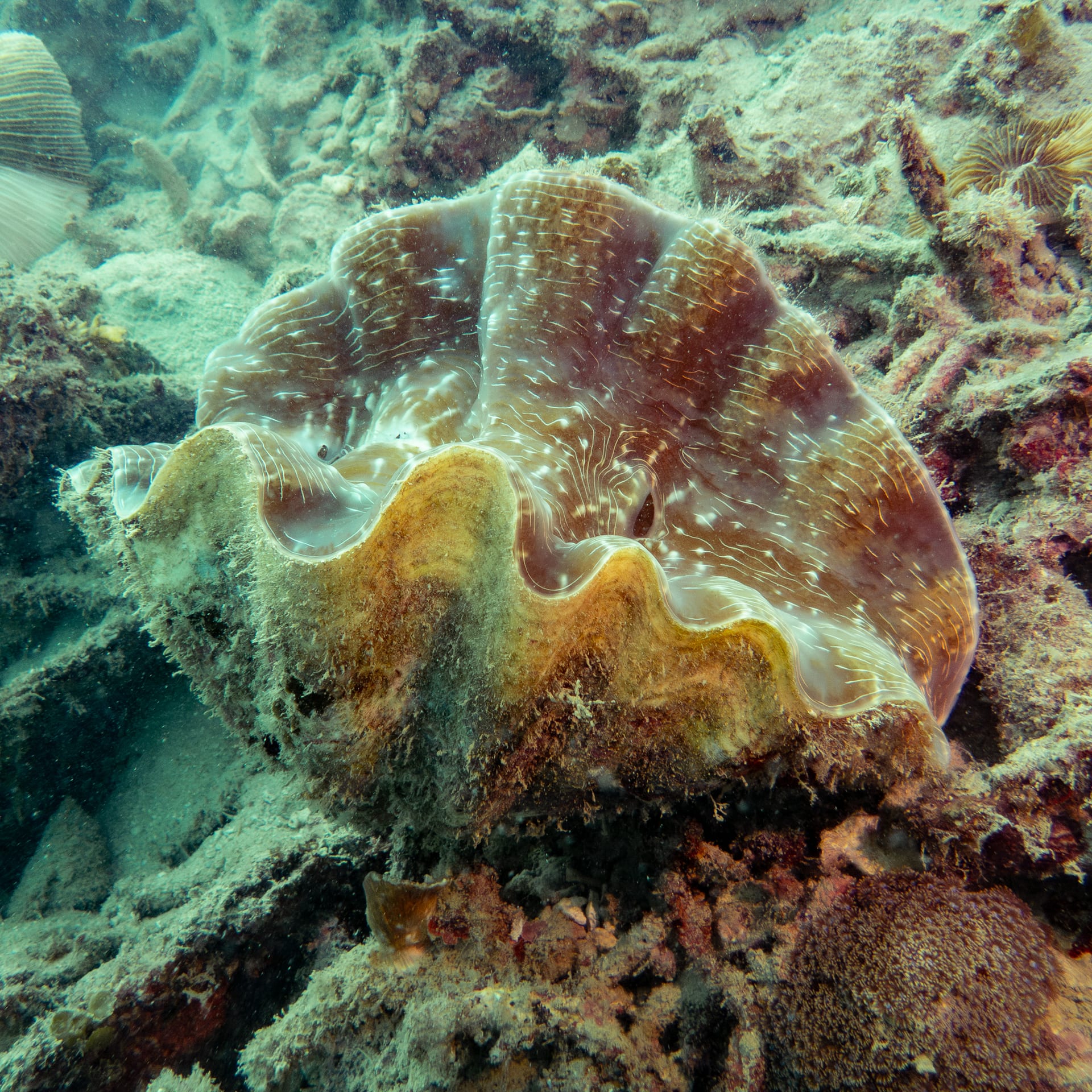
Reaching 41 cm in shell length. It resembles H. hippopus but its shell is thinner and porcelain-like in translucency, hence the English name China clam. Its range is limited to the Philippine region, and the IUCN lists it as Vulnerable.
Difficulty
Advanced
Temperature
24〜27℃
Size
Shell length to 41cm
Diet
Mainly photosynthesis by the zooxanthellae in its mantle; small specimens also filter-feed on phytoplankton.
About
Hippopus porcellanus is a giant clam confined to a narrow range from Sabah in Malaysia to Palau, north to the Philippines and south to Indonesia. It closely resembles H. hippopus but its shell is thinner, translucent like porcelain, and its scutes are weaker; the English name China clam refers to that texture. More of its mantle shows along the shell margin than in H. hippopus, and the tentacle-fringed incurrent siphon is another diagnostic character. Described by Rosewater only in 1982, and with so restricted a range, it is vulnerable to both harvesting and habitat loss, and the IUCN assessed it as Vulnerable in 2024. As a member of the Tridacnidae it is covered by the blanket CITES Appendix II listing and trade requires permits. Availability is limited, and any specimen acquired should be cultured and properly permitted. Its care follows that of H. hippopus: set it on the sand bed under fairly strong lighting.
Source: Wikipedia (CC BY-SA 4.0)
Size of the China Clam (Hippopus Porcellanus)
The China Clam (Hippopus Porcellanus) grows to Shell length to 41cm.
SeaLifeBase gives a maximum shell length of 41 cm.
Temperature & humidity for the China Clam (Hippopus Porcellanus)
The ideal temperature for the China Clam (Hippopus Porcellanus) is 24〜27℃.
Basic Info
Origin
Western Central Pacific, from Sabah in Malaysia to Palau, north to the Philippines and south to Indonesia
Size
Shell length to 41cm
Care Specifications
- Carbonate (KH)
- 8–12 dKH
- Water Temp.
- 24–27℃
- Specific Gravity
- 1.023–1.025
- Salinity
- 33–35 ppt
- Calcium (Ca)
- 400–450 ppm
- Magnesium (Mg)
- 1280–1350 ppm
PeacefulLight: High (PAR>150)Flow: MediumPlacement: Bottom
Sources: SeaLifeBase (Hippopus porcellanus) / LiveAquaria (Tridacnidae care data) / AlgaeBarn: Water Parameters 101
References & Sources
Edited & verified by: BreederDirect editorial team
The taxonomic, regulatory, and husbandry data on this page are compiled and verified against the authoritative primary sources below.
Taxonomy & Authority
Accepted name: Hippopus porcellanus Rosewater, 1982
Authority databases: WoRMS
Nomenclature follows global taxonomic authority databases.
Regulations & Conservation Status
CITES Appendix IIIUCN VU · Vulnerable
Sources: CITES Appendix II (Tridacnidae spp. listed as a family) / IUCN Red List 2025-2 (assessed 2024, via SeaLifeBase)
Regulations may change. Always verify the latest information with the relevant authorities.
China Clam (Hippopus Porcellanus) Listings
Loading latest listingsFind listings for this species