Giant Clam (Tridacna) Breeding and Spawning Induction Guide | Spat Rearing and Legal Regulations
A comprehensive guide to spawning induction (temperature cycling method), fertilization and larval settlement mechanics, spat rearing after metamorphosis (microalgae and zooxanthellae establishment), and CITES regulations in Japan—essential knowledge for successful captive breeding of giant clams.
Key Takeaways
A comprehensive guide to spawning induction (temperature cycling method), fertilization and larval settlement mechanics, spat rearing after metamorphosis (microalgae and zooxanthellae establishment), and CITES regulations in Japan—essential knowledge for successful captive breeding of giant clams.
Related Species

Giant Clam Reproduction
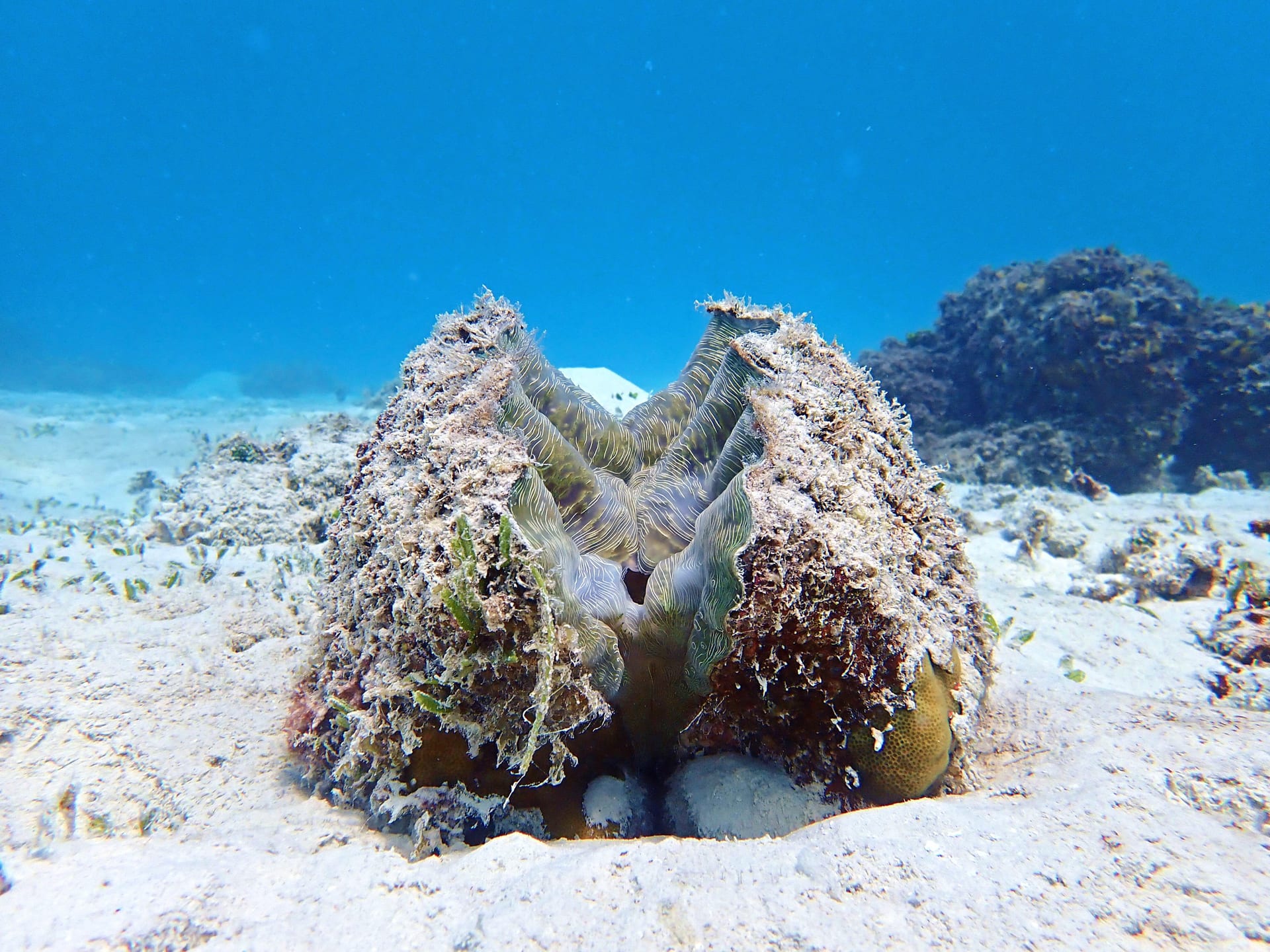
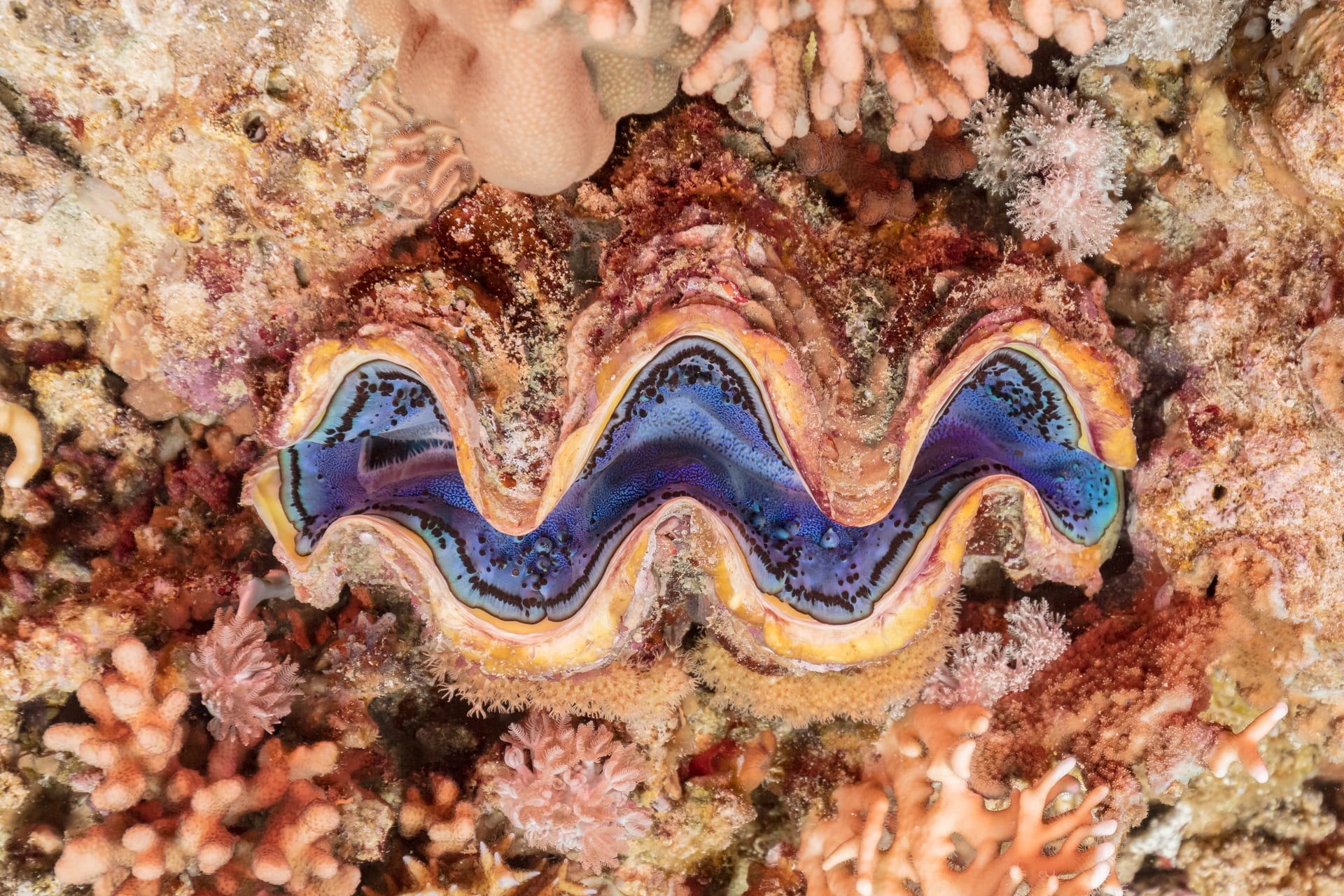
Giant clams (Tridacna species) are known as the world's largest bivalves, with nine species ranging from the Crocea clam (Tridacna crocea) to the Giant clam (Tridacna gigas), which can exceed 1 meter. In nature, they attach permanently to coral reefs and live for decades or more, but in recent years many species have become protected due to overharvesting and environmental change.
Tank breeding (captive breeding) is technically difficult and has traditionally been led by universities and research institutions, though large-scale reef farms and some advanced aquarists abroad have begun reporting successful spawning at the personal aquarium level. This article covers the fundamentals of giant clam spawning induction, fertilization, and spat rearing, as well as distribution and legal regulations in Japan.
Husbandry Suitability and Conditioning for Breeding
Before attempting breeding, parent clams must already be maintained in excellent condition.
Required Water Parameters
| Parameter | Target Value |
|---|---|
| Salinity (Specific Gravity) | 1.025–1.026 |
| Temperature | 26–28°C |
| pH | 8.1–8.3 |
| Alkalinity (KH) | 8–11 dKH |
| Calcium (Ca) | 420–450 mg/L |
| Magnesium (Mg) | 1300–1380 mg/L |
| Nitrate (NO₃) | 1–5 ppm |
| Phosphate (PO₄) | 0.02–0.06 ppm |
Giant clams are among the most demanding organisms in reef environments, requiring "high light intensity and stable water parameters." Maintain lighting at 500–1000 PAR or higher to maximize photosynthetic activity of symbiotic zooxanthellae, which is a prerequisite for breeding condition.
Nutritional Supplementation
In addition to photosynthesis (self-sufficiency), giant clams filter-feed on microplankton. Regular additions of the following to the tank promote health and reproductive organ development:
- Microalgae (DT's Phytoplankton, Nannochloropsis, etc.): Add 3–4 times per week
- Rotifers and copepods: Important for spat nutrition
- Amino acid-based liquid food (Reef Energy B, etc.): Also improves coloration of the mantle
Sex and Sexual Maturity
Giant clams are hermaphrodites but employ protandric hermaphroditism—initially functioning as males and later acquiring both male and female capability—to avoid self-fertilization.
Minimum size for sexual maturity varies by species:
| Species | Minimum Size for Breeding |
|---|---|
| Crocea clam (T. crocea) | Shell length ≥8 cm |
| Squamose clam (T. squamosa) | Shell length ≥15 cm |
| Maxima clam (T. maxima) | Shell length ≥12 cm |
| Derasa clam (T. derasa) | Shell length ≥20 cm |
Sexing giant clams by external appearance is difficult in tank settings, and determining reproductive gonad development by eye is generally not feasible. Maintaining multiple individuals in the same tank tends to promote spawning synchronization.
Spawning Induction
In nature, water temperature, lunar phase, and tidal signals synchronize spawning. Tank breeding employs the following methods:
Temperature Cycling Method
- Gradually raise water temperature from standard husbandry temperature (26–27°C) to 28–29°C and maintain for 3–5 days
- Then rapidly cool to 25–26°C (a 2–3°C temperature shock)
- Spawning may be induced within 12–24 hours after cooling
Serotonin Injection (Research Level)
Research facilities use microinjections of 0.1–1 mM serotonin solution near the gonad, but this requires sterile technique, proper injection needles, and precise concentration calculations. It is not recommended for general aquarists.
Spawning Cue Water
If another individual in the same tank begins spawning, adding a small amount of that "spawning water" (containing gametes) to another individual's tank can trigger chain spawning through chemical communication.
Fertilization and Hatching
Sperm and eggs meet in the water column for external fertilization. After spawning, quickly collect them in a dedicated rearing tank (breeding tank).
Breeding Tank Setup
- Volume: 20–40 L (smaller volumes maintain gamete concentration more effectively)
- Fine aeration (maintain dissolved oxygen)
- No lighting (keep dark initially)
- Temperature: maintain 27–28°C
Fertilized eggs develop into free-swimming trochophore larvae within 12–18 hours, followed by veliger larvae. The larval period lasts 5–10 days, during which they do not feed and rely on yolk reserves.
Spat Rearing
Settlement and Metamorphosis
Veliger larvae gradually sink and settle on suitable substrate, undergoing metamorphosis and transitioning to benthic life.
The following substrates promote settlement:
- Live rock fragments (with coralline algae)
- Ceramic tiles (rough surface)
- In research facilities, substrate pre-treated with epitaph (biofilm)
Within several days of settlement, tiny shells (1–2 mm) become visible.
Early Spat Feeding
After settlement, juvenile clams feed on small microalgae and bacterial biofilm to grow:
- Microalgae (Nannochloropsis, Isochrysis): Add small amounts daily
- Zooxanthellae establishment: Zooxanthellae begin colonizing the endoderm 2–4 weeks after settlement, initiating photosynthetic self-sufficiency
- Gradually increase lighting from low PAR (50–100) over time
Early survival rates are extremely low (1–5%), and proper water flow, water parameters, and microalgae supply are critical.
Growth Stage Management
| Growth Stage | Shell Length | Typical Duration (variable) |
|---|---|---|
| Spat (post-settlement) | 1–5 mm | 0–3 months |
| Juvenile | 5–30 mm | 3–12 months |
| Subadult | 30–80 mm | 1–3 years |
| Adult | ≥80 mm | 3+ years |
Crocea clams grow relatively quickly; under good conditions, they may grow 2–3 cm per year.
Japan Domestic Regulations
Convention on International Trade in Endangered Species (CITES)
Most giant clam species are listed on CITES Appendix II. Even for captive-bred individuals, CITES export permits from the source country are required when importing.
- T. gigas (Giant clam) is listed on CITES Appendix II
- Sales or transfer of domestically-bred individuals in Japan benefit from documentation
Law for the Conservation of Species of Wild Fauna and Flora
Giant clams are not regulated under Japan's species conservation law, but possession of origin certificates and CB (Captive Bred) documentation prevents trade complications.
Summary: Tank Breeding of Giant Clams
Tank breeding of giant clams is an advanced-level challenge, but success opens possibilities for home-grown CB collections and market participation. The keys to success are:
- Long-term conditioning: Maintain excellent water parameters for 6–12 months before spawning
- Multiple individuals in same tank: Promotes spawning synchronization
- Preparation for spawning induction: Advance setup of temperature control equipment and dedicated rearing tanks
- Knowledge of spat rearing: Continuous microalgae culture and appropriate settlement substrate preparation
- Regulatory compliance: Establish CITES documentation
While domestic giant clam research is limited, joining international communities like the Tridacna Forum provides access to the latest knowledge.