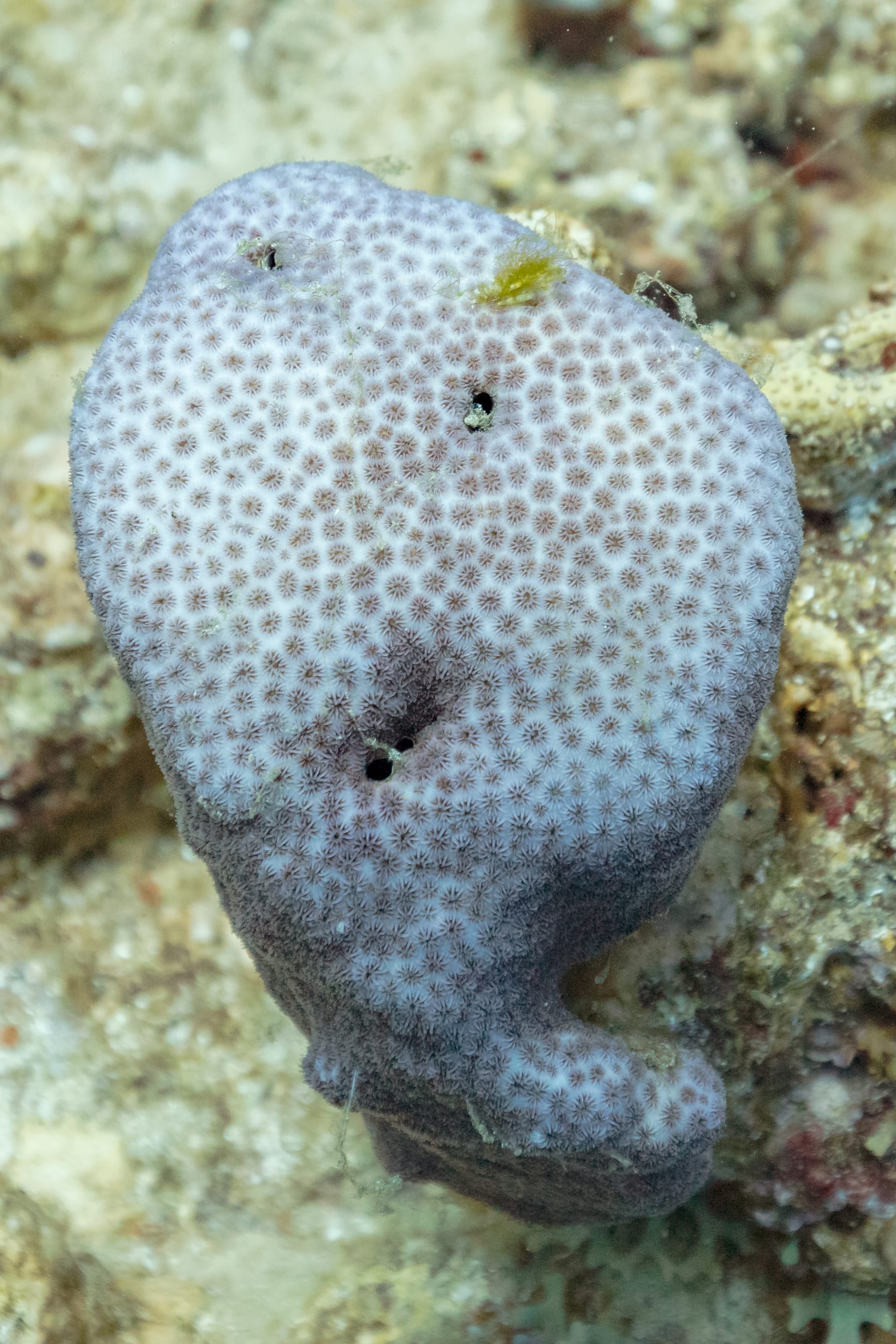
 © Diego Delso / CC BY-SA 4.0
Dipsastraea Favus
Dipsastraea Favus, sometimes called the favus or moon coral, is a reef-building species from the Faviidae family found across the Red Sea and Indo-Pacific. Its large, wall-separated corallites sit independently side by side, giving each colony -- whether brown or green -- a distinctive honeycomb-like texture. Because it tolerates a wide range of light and water flow, it's a forgiving choice for those just starting out with corals. At night the polyps extend fully to feed, revealing a completely different look from its daytime appearance.
View Dipsastraea Favus encyclopedia →0% commission on your first sales!Register by September 30, 2026 and your first 2 sales are commission-free!
Breeder Wanted!
List on BreederDirect and sell directly to customers nationwide!
Br-Choku's 6 Transparency Standards
Our Breeder sellers disclose detailed care specs for all Coral listings. We prioritize Aquacultured/CB specimens, verify WYSIWYG photos, and provide difficulty ratings—avoiding wild-caught.
- Aquacultured
- WYSIWYG Photo
- Difficulty Disclosed
- Frag/Colony
- Care Info Included
- Trade name shown
Browse all 210 breeds
Difficulty
Verified breeders wanted for Coral
Breeders are signing up now ahead of launch. Subscribe to be notified when new listings go live.
Getting alerts is free with a member account. When new listings match your saved search, we'll notify you by email and in-app.
Browse other categories
Verified breeders (preview)
About Dipsastraea Favus
Dipsastraea Favus is a hardy Faviidae coral from the Red Sea and Indo-Pacific, known for its independent, wall-separated corallites. Its wide tolerance for light and flow makes it a great choice for beginners.
7 things to know before welcoming a Dipsastraea Favus
1Adapts to light & flow
It tolerates everything from strong lighting to dimmer conditions, along with gentle to moderately strong water flow. Acclimate it gradually over a few weeks after placement so it settles into its new environment.
2Watch for sweeper tentacles
Like other Faviidae corals, it can extend long sweeper tentacles at night to sting neighboring corals. Keep enough distance from other colonies so tentacles can't reach them.
3Independent, wall-lined corallites
Its defining feature is large corallites separated by walls, each sitting independently side by side. Coloration ranges from brown to green depending on the colony, giving each one its own character.
4Feeds at night
During the day it relies mainly on photosynthesis from its symbiotic algae, but at night it extends its polyps to capture food. If feeding, try it shortly after lights-out when the polyps are open.
5Manage calcium & alkalinity
As a reef-building coral, it depends on stable calcium and alkalinity to build its skeleton. Regular water changes and supplementation help keep mineral levels balanced.
6Hardy and easy to observe
Its tolerance for changing conditions and independently arranged corallites make it easy to watch grow and divide over time. Expect slow, steady colony growth rather than rapid change.
7Check condition before purchase
Before bringing one home, check the tissue color, fullness, and whether the corallite edges show any bleaching. Polyps may retract temporarily after transport, but they typically recover within a few days.
Frequently asked questions about Dipsastraea Favus
- Q.Is this coral suitable for beginners?
- A.Yes -- its wide tolerance for light and water flow makes it a popular starter coral. That said, it still needs the same basic water quality care as any other coral.
- Q.Can it be kept with other corals in the same tank?
- A.It can extend sweeper tentacles at night to sting nearby corals, so leave enough space between it and its neighbors. With adequate spacing, it coexists well in a mixed reef.
- Q.Does it need to be fed?
- A.It gets most of its energy from photosynthesis, but it also extends its polyps at night to capture food. Feeding isn't required, but it can help the colony thrive.
- Q.How large does it grow?
- A.Colonies can reach anywhere from tens of centimeters to about a meter across. Growth is gradual, so it takes considerable time to reach its full size.
- Q.What should I do if its color starts to fade?
- A.Fading can signal that lighting, water flow, or water chemistry isn't quite right. Check the placement and key parameters like calcium levels.
Useful tools for Dipsastraea Favus care
Learn more about Dipsastraea Favus in the encyclopedia
View Dipsastraea Favus encyclopedia entry →
Care difficulty, lifespan, size and diet — all basics covered.
More in this category
Can't find the one you're looking for?
Post your wishes for free and breeders with matching animals will contact you with introductions.