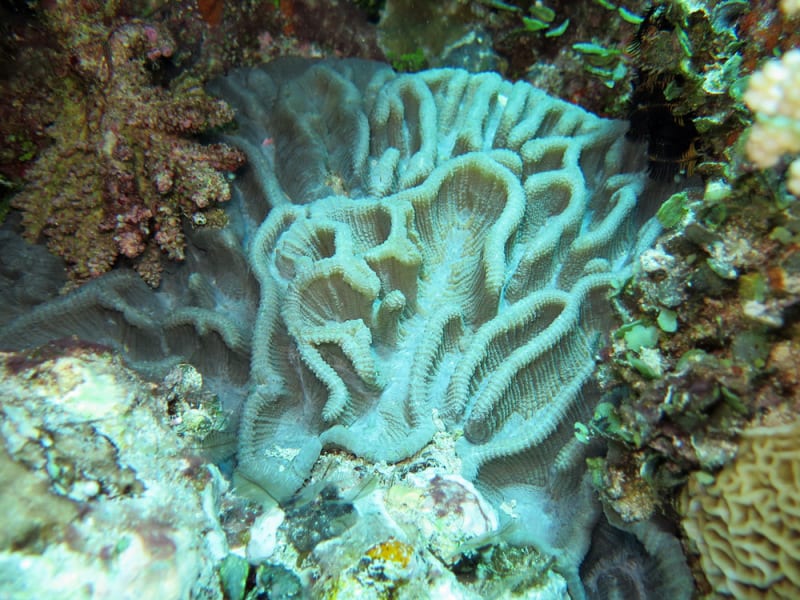
 © Anne Hoggett / CC BY 3.0
Pectinia Lactuca (Lettuce Coral)
Pectinia Lactuca, known as Lettuce Coral, is a reef-building coral in the Pectiniidae family, built from layered, wavy plates with sharply pointed edges. Its striking form resembles unfurled lettuce leaves, and its coloration is typically green or brown, often deepening toward the center of the colony. Despite its delicate appearance, it is sensitive to shifts in water quality and flow, making it a species best suited to experienced aquarists who can maintain a stable, well-tuned tank.
View Pectinia Lactuca (Lettuce Coral) encyclopedia →0% commission on your first sales!Register by September 30, 2026 and your first 2 sales are commission-free!
Breeder Wanted!
List on BreederDirect and sell directly to customers nationwide!
Br-Choku's 6 Transparency Standards
Our Breeder sellers disclose detailed care specs for all Coral listings. We prioritize Aquacultured/CB specimens, verify WYSIWYG photos, and provide difficulty ratings—avoiding wild-caught.
- Aquacultured
- WYSIWYG Photo
- Difficulty Disclosed
- Frag/Colony
- Care Info Included
- Trade name shown
Browse all 210 breeds
Difficulty
Verified breeders wanted for Coral
Breeders are signing up now ahead of launch. Subscribe to be notified when new listings go live.
Getting alerts is free with a member account. When new listings match your saved search, we'll notify you by email and in-app.
Browse other categories
Verified breeders (preview)
Pectinia Lactuca (Lettuce Coral) key facts
- Care level
- Advanced
- Size
- Colonies to several tens of cm
- Temperature
- 24〜27℃
- Diet
- Mainly nutrition from symbiotic zooxanthellae, supplemented with fine to small particulate coral foods offered at night.
- Lighting
- LiveAquaria gives moderate lighting for Pectinia. Strong light makes the tissue retract, so place it from mid-height downwards and start at an even lower intensity.
- Flow & Placement
- Medium flow, randomised, because detritus collects between the plates. The plate edges are sharp and will injure neighbouring corals, so leave generous space.
- Water Temperature & Quality
- Water 24-26C, specific gravity 1.023-1.025, salinity 33-35 ppt, KH 8-12. It is intolerant of sudden swings and rising nutrients, so stability matters more than anything else.
- Feeding
- Most of its nutrition comes from its zooxanthellae. Feed small amounts of fine to small particulate coral food after lights-out; overfeeding raises nutrients and triggers tissue recession.
- Notes
- LiveAquaria rates the genus as difficult. The thin, sharp plates chip easily, and tissue can recede from a broken edge. As a scleractinian it is on CITES Appendix II.
About Pectinia Lactuca (Lettuce Coral)
Lettuce Coral is a Pectiniidae species known for its wavy, plate-like skeleton and green-to-brown coloration. It is considered an advanced-level coral requiring stable water conditions.
7 things to know before welcoming a Pectinia Lactuca (Lettuce Coral)
1Suited to experienced keepers
Lettuce Coral is sensitive to shifts in water quality and flow, and is considered an advanced-level species. It's best kept by aquarists with experience running a stable, mature reef tank. Avoid sudden environmental changes and monitor water parameters consistently.
2Delicate, wavy plate structure
Its defining feature is a series of thin, wavy plates with sharply pointed edges. While visually striking, this structure is physically delicate. When placing the coral or adjusting flow, avoid direct strong currents or equipment contact with the plates.
3Nighttime sweeper tentacles
Corals in the Pectiniidae family extend tentacles at night and may sting neighboring corals. Leave ample space between colonies when arranging your tank to prevent contact-related damage.
4Coloration varies with tank conditions
Coloration is typically green or brown, often deepening toward the center of the colony. Lighting intensity and water conditions can influence how the color appears, so observe how it settles in as the coral acclimates to your tank.
5Balancing light and water flow
As a reef-building coral, it relies on symbiotic algae for photosynthesis, but both excessive and insufficient light or flow can stress its tissue. After placement, observe its condition over time and fine-tune positioning as needed.
6Colonies grow to tens of centimeters
Colonies can grow to a diameter of several tens of centimeters. Plan ahead for its eventual size and place it where there is enough space and clearance from neighboring corals.
7Check your tank setup beforehand
Before bringing one home, confirm that your water parameters are stable and that your equipment can properly adjust lighting and flow. Since this is an advanced-level species, thorough preparation makes a significant difference to long-term success.
Frequently asked questions about Pectinia Lactuca (Lettuce Coral)
- Q.Is this a good coral for beginners?
- A.Lettuce Coral is considered an advanced-level species. It is sensitive to changes in water quality and flow, making it best suited to keepers experienced in maintaining a stable reef tank.
- Q.Can it be placed close to other corals?
- A.Pectiniidae corals extend stinging tentacles at night that can affect nearby colonies, so it's recommended to leave ample space between it and other corals.
- Q.How large does it grow?
- A.Colonies can reach a diameter of several tens of centimeters. When choosing a placement, it's worth accounting for future growth space.
- Q.Why does its color vary between green and brown?
- A.Coloration varies by individual and can also be influenced by lighting and water conditions, with the center of the colony often appearing darker.
- Q.Is this species subject to any regulations?
- A.Pectinia Lactuca (Lettuce Coral) is listed in CITES Appendix II. International trade requires a permit from the exporting country, but as far as CITES is concerned, no registration is needed to buy or sell individuals already legally in Japan.
Useful tools for Pectinia Lactuca (Lettuce Coral) care
Learn more about Pectinia Lactuca (Lettuce Coral) in the encyclopedia
View Pectinia Lactuca (Lettuce Coral) encyclopedia entry →
Care difficulty, lifespan, size and diet — all basics covered.
More in this category
Can't find the one you're looking for?
Post your wishes for free and breeders with matching animals will contact you with introductions.