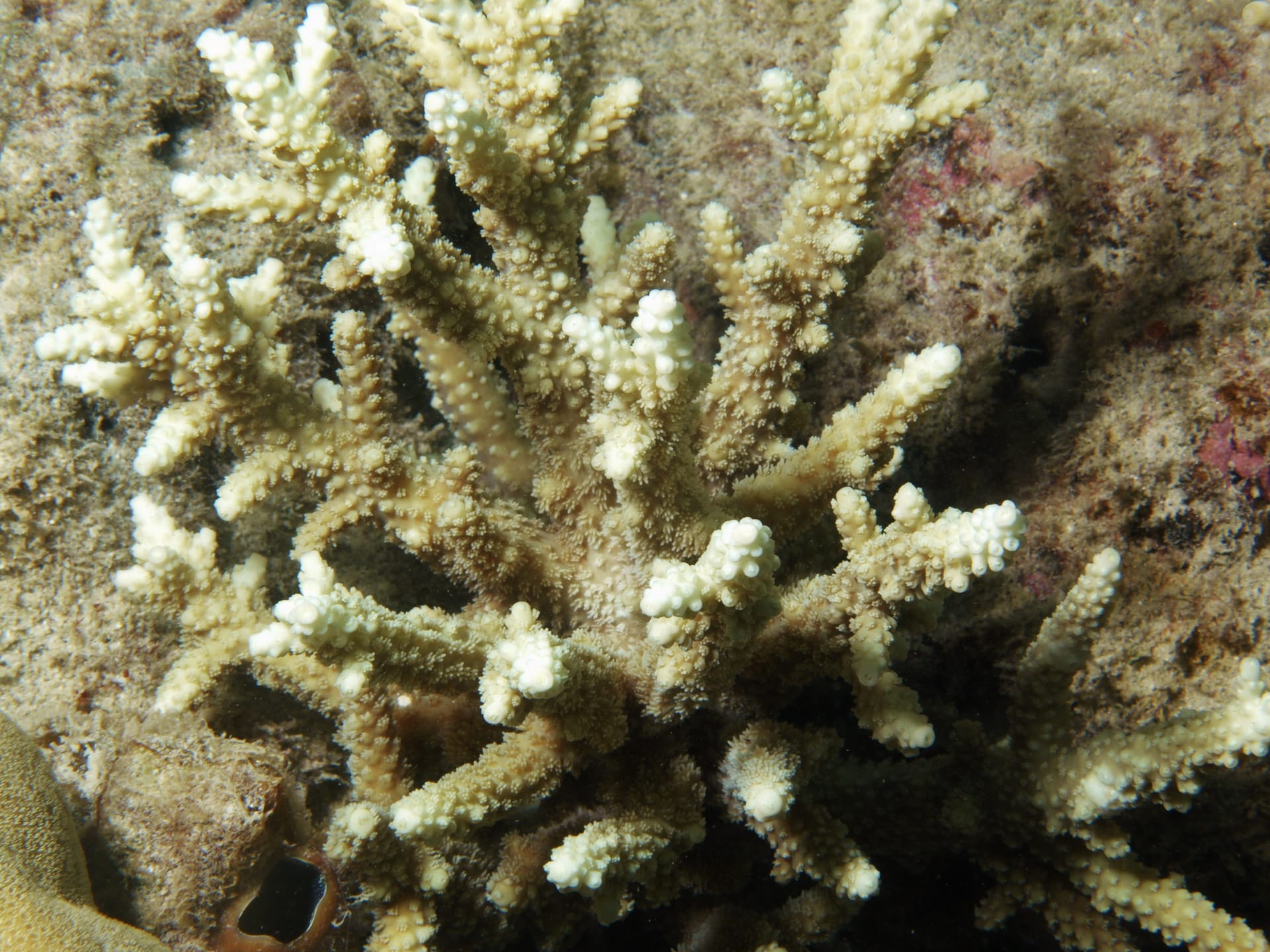
 © Paul Muir / CC BY 4.0
Acropora Horrida
Acropora horrida is a loose, open-branching Acropora that thrives near turbid fringing reefs, where its branch density shifts with water clarity — a trait that gives each colony its own character depending on where it grows. Base coloration ranges from pale to deep blue, pale yellow, or brown, often set off by white or pale blue polyps that extend their tentacles widely during the day to feed. Considered a species for experienced reef keepers, it responds sensitively to changes in water quality and lighting, making it a rewarding challenge for those ready to take it on. With striking skeletal structure and shifting color, it's a coral you can enjoy building a long-term relationship with.
View Acropora Horrida encyclopedia →0% commission on your first sales!Register by September 30, 2026 and your first 2 sales are commission-free!
Breeder Wanted!
List on BreederDirect and sell directly to customers nationwide!
Br-Choku's 6 Transparency Standards
Our Breeder sellers disclose detailed care specs for all Coral listings. We prioritize Aquacultured/CB specimens, verify WYSIWYG photos, and provide difficulty ratings—avoiding wild-caught.
- Aquacultured
- WYSIWYG Photo
- Difficulty Disclosed
- Frag/Colony
- Care Info Included
- Trade name shown
Browse all 242 breeds
Difficulty
Verified breeders wanted for Coral
Breeders are signing up now ahead of launch. Subscribe to be notified when new listings go live.
Getting alerts is free with a member account. When new listings match your saved search, we'll notify you by email and in-app.
Browse other categories
Verified breeders (preview)
Acropora Horrida key facts
- Care level
- Advanced
- Temperature
- 24〜27℃
- Diet
- Mainly nutrition from symbiotic zooxanthellae, supplemented with powdered or liquid coral foods and phytoplankton.
- Lighting
- Requires strong light. AlgaeBarn cites successful Acropora keeping at PAR 800 or more. Start newly added colonies under reduced light and raise it over several weeks.
- Flow & Placement
- In the wild it favours turbid water and its growth form changes with the environment. The open branching means flow should be able to reach the inside of the colony.
- Water Temperature & Quality
- Water 22-26C, specific gravity 1.023-1.025, KH 8-12, calcium 380-440 ppm, magnesium 1300-1400 ppm. Sudden swings in alkalinity are the most common cause of tissue loss.
- Feeding
- Most of its nutrition comes from photosynthesis by its zooxanthellae. Powdered or liquid coral foods and phytoplankton can be offered as a supplement, but stable light and water chemistry matter more than feeding.
- Notes
- The tentacles enlarge during the day, which adds to its display value. It is not especially resistant to bleaching or disease. Listed on CITES Appendix II, so international trade requires permits.
About Acropora Horrida
Acropora horrida is a loose-branching Acropora from turbid fringing reefs, showing blue, yellow, or brown coloration with white or pale blue polyps — an advanced-level coral for experienced keepers.
7 things to know before welcoming a Acropora Horrida
1Prefers Slightly Turbid Water
This species is commonly found near fringing reefs with somewhat turbid water, and tends to do better with moderate nutrient levels rather than ultra-clear, nutrient-poor conditions. Avoid over-skimming your tank and be careful not to drive nutrients down to zero.
2Branch Density Varies
How open or dense the branching grows is said to shift with water turbidity, so the same species can look different depending on where it's kept. Watching this change over time is part of the appeal of keeping this coral.
3An Advanced-Level Coral
Acropora horrida is considered suited to experienced reefkeepers, as it's sensitive to sudden shifts in water quality and lighting. It's best approached after you've built up experience with other corals first.
4Stable Light and Flow Matter
As with Acropora in general, light that's too strong or too weak, and uneven flow, can affect coloration and overall health. Once you've chosen a spot in the tank, avoid moving it around and aim for consistent conditions.
5Tentacles Extend by Day
Its tentacles extend widely during daylight hours, and you can watch them open and close in response to feeding or flow. This gives it a different rhythm to enjoy compared with corals that are more active at night.
6Base Color Meets Polyp Color
Base coloration ranges from pale to deep blue, pale yellow, and brown, often set off by white or pale blue polyps. The overall impression can vary quite a bit from one colony to another even within the same species.
7Acclimate Slowly to New Water
This coral is particularly sensitive to sudden changes in water parameters during drip acclimation or after introduction to a new tank, so take your time with the process. Keep a close eye on its condition for a while after adding it.
Frequently asked questions about Acropora Horrida
- Q.Is this coral suitable for beginners?
- A.Acropora horrida is considered an advanced-level Acropora. Because it's sensitive to changes in water quality and lighting, it's best to gain experience with other corals before taking this one on.
- Q.What water conditions does it prefer?
- A.This species is often found in slightly turbid water near fringing reefs, and tends to fare better with moderate nutrient levels than in ultra-clear, nutrient-stripped water. Be careful not to over-skim your tank down to zero nutrients.
- Q.Why do colonies vary in color and branch shape?
- A.Base coloration ranges from pale to deep blue, pale yellow, and brown, and branch density is also said to shift with water turbidity. That means the same species can look quite different depending on where it's kept.
- Q.Does its appearance change between day and night?
- A.Its tentacles extend widely during the day, showing off the white or pale blue polyps against the base color. This gives it a different rhythm of activity compared with corals that are more active at night.
- Q.Can it be kept alongside other Acropora?
- A.It shares the same basic care requirements as other Acropora, but as an advanced-level species it's more sensitive to light, flow, and water quality changes. When adding it to a mixed reef, make sure overall water conditions are stable and introduce it gradually while monitoring its response.
Useful tools for Acropora Horrida care
Learn more about Acropora Horrida in the encyclopedia
View Acropora Horrida encyclopedia entry →
Care difficulty, lifespan, size and diet — all basics covered.
More in this category
Can't find the one you're looking for?
Post your wishes for free and breeders with matching animals will contact you with introductions.