Indophyllia
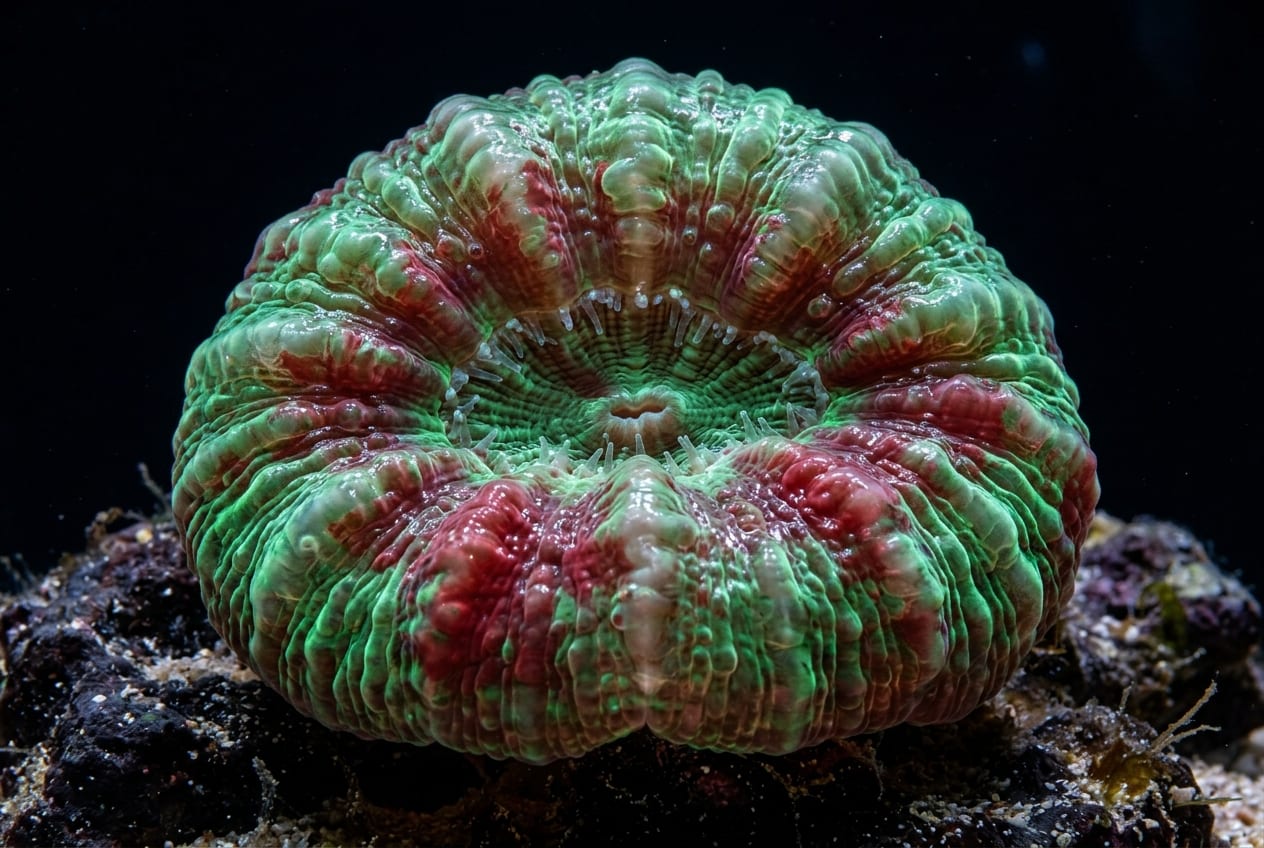
Indophyllia is a solitary stony coral whose single, plump polyp covers its entire skeleton. It's a rare species first described from the waters around Makassar, Indonesia, and in the trade it's still commonly known by its former genus name, Indophyllia. Its cushiony texture and understated coloration give it a quiet but distinctive presence as a standalone specimen in the tank. Care generally follows the same guidelines as the open brain coral, so keepers with experience in that group should find it manageable. It's a calm, slow-moving coral that does best with plenty of space between itself and its neighbors.
View Indophyllia encyclopedia →0% commission on your first sales!Register by September 30, 2026 and your first 2 sales are commission-free!
Breeder Wanted!
List on BreederDirect and sell directly to customers nationwide!
Br-Choku's 6 Transparency Standards
Our Breeder sellers disclose detailed care specs for all Coral listings. We prioritize Aquacultured/CB specimens, verify WYSIWYG photos, and provide difficulty ratings—avoiding wild-caught.
- Aquacultured
- WYSIWYG Photo
- Difficulty Disclosed
- Frag/Colony
- Care Info Included
- Trade name shown
Browse all 210 breeds
Difficulty
Verified breeders wanted for Coral
Breeders are signing up now ahead of launch. Subscribe to be notified when new listings go live.
Getting alerts is free with a member account. When new listings match your saved search, we'll notify you by email and in-app.
Browse other categories
Verified breeders (preview)
Indophyllia key facts
- Care level
- Intermediate
- Size
- Disc a few cm to about 10 cm across
- Temperature
- 24〜27℃
- Diet
- Mainly nutrition from symbiotic zooxanthellae, supplemented with meaty coral foods offered to the tentacles at night.
- Lighting
- LiveAquaria gives moderate lighting for Cynarina. Strong light makes the tissue retract, so keep it on the sand bed or at mid-height where the light is not intense.
- Flow & Placement
- Keep the flow low. Place it alone on sand or low rockwork so the inflated tissue is not damaged, and leave enough space that neighbouring corals cannot be reached by its tentacles.
- Water Temperature & Quality
- Water 24-26C, specific gravity 1.023-1.025, salinity 33-35 ppt, KH 8-12. It consumes calcium and magnesium, so test and replenish them regularly.
- Feeding
- Most of its nutrition comes from photosynthesis by its zooxanthellae. It extends its tentacles at night, and small amounts of meaty coral food given then improve its condition.
- Notes
- A rare species whose records are confined to Indonesia, and easily confused with its congener Cynarina lacrymalis. As a scleractinian it is on CITES Appendix II and international trade requires permits.
About Indophyllia
Indophyllia is a solitary stony coral with a single fleshy polyp covering its entire skeleton. A rare species cared for much like the open brain coral. Learn its traits, care basics, and FAQs.
7 things to know before welcoming a Indophyllia
1A Solitary Coral by Nature
Indophyllia is a solitary stony coral made up of a single polyp per skeleton, which sets its growth pattern apart from colonial corals. Its fleshy tissue covers the entire skeleton, giving it the look of one plump, cushion-like mass.
2Suited to Intermediate Keepers
Indophyllia is generally rated for intermediate keepers, calling for some experience managing water quality and lighting. It's best introduced once you've built a foundation in basic coral care.
3Care Follows the Open Brain Coral
Indophyllia belongs to the same family as the open brain coral, and its care generally follows the same guidelines. If you've kept open brain corals before, that experience with placement, flow, and feeding timing should transfer well.
4Placement and Water Flow
A calm spot with little disturbance, such as on the sand bed or nestled between rocks, suits this coral well. Avoid positioning it where strong flow hits the tissue directly, and aim for gentle, indirect water movement instead.
5Size and Growth Rate
A mature Indophyllia grows to a disc diameter of a few centimeters up to around 10 cm. Since it grows slowly, it's worth planning ahead and leaving room for it to expand over the long term.
6Give It Room from Neighbors
Because it expands its fleshy tissue outward, contact with neighboring corals can easily lead to stinging conflicts. Be sure to leave enough open space around it when placing it in the tank.
7Preparing Before You Bring One Home
Before bringing one home, make sure your tank already has stable water quality and lighting in place. While it settles into its new environment, keep an eye on daily changes in polyp extension and coloration.
Frequently asked questions about Indophyllia
- Q.What kind of coral is Indophyllia?
- A.Indophyllia is a solitary stony coral with a single fleshy polyp covering its entire skeleton. It's a rare species first described near Makassar, Indonesia, and is considered a close relative of the open brain coral.
- Q.Is it suitable for beginner keepers?
- A.It's generally considered suited to intermediate keepers, so some prior experience with coral husbandry is helpful. Getting comfortable with water quality management and lighting before bringing one home will help it settle in well.
- Q.How large does it grow?
- A.A mature specimen typically reaches a disc diameter of a few centimeters up to around 10 cm. Growth is gradual, so it fills out slowly over time.
- Q.Can it be kept with other corals?
- A.Because it spreads its fleshy tissue outward, it needs enough distance from neighboring corals to avoid contact and stinging conflicts. Giving it adequate space makes it easier to keep alongside other corals.
- Q.Is Indophyllia subject to CITES?
- A.Indophyllia is listed in CITES Appendix II. International trade requires a permit from the exporting country, but as far as CITES is concerned, no registration is needed to buy or sell individuals already legally in Japan.
Useful tools for Indophyllia care
Learn more about Indophyllia in the encyclopedia
View Indophyllia encyclopedia entry →
Care difficulty, lifespan, size and diet — all basics covered.
More in this category
Can't find the one you're looking for?
Post your wishes for free and breeders with matching animals will contact you with introductions.