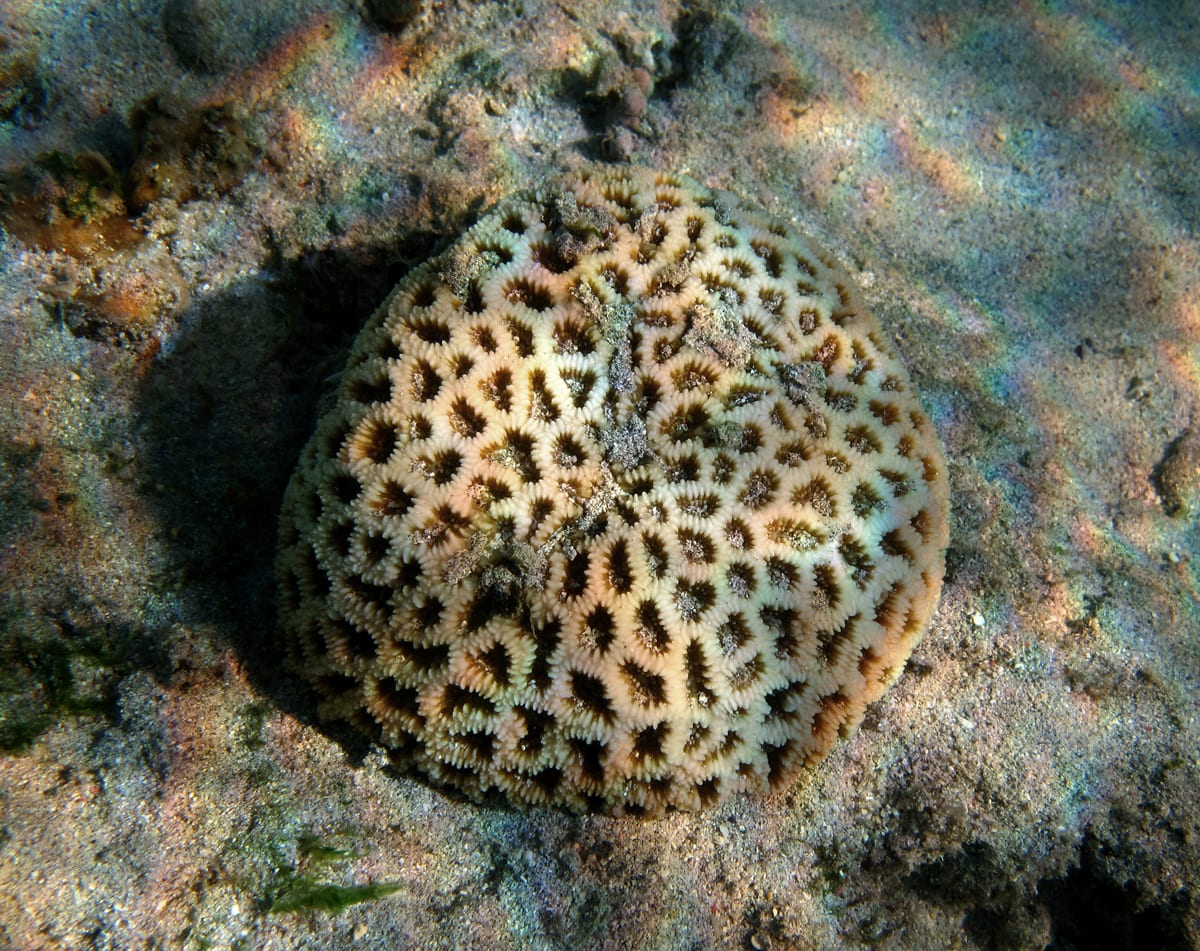
 © Philippe Bourjon / CC BY-SA 4.0
Dipsastraea Pallida
The Dipsastraea Pallida, a reef-building coral in the faviid family, is found widely across the Indo-Pacific. It forms pale brown, dome-shaped colonies made up of individual corallites, each cleanly separated by its own wall — the classic faviid growth form. Common on coral reefs throughout its range, it tolerates a reasonable range of tank conditions and is considered sturdy and easy to keep. Its coloring is understated rather than flashy, but the neat, orderly pattern of its polyps gives a reef tank a calm, natural texture. It's a solid pick for anyone just starting out with coral keeping.
View Dipsastraea Pallida encyclopedia →0% commission on your first sales!Register by September 30, 2026 and your first 2 sales are commission-free!
Breeder Wanted!
List on BreederDirect and sell directly to customers nationwide!
Br-Choku's 6 Transparency Standards
Our Breeder sellers disclose detailed care specs for all Coral listings. We prioritize Aquacultured/CB specimens, verify WYSIWYG photos, and provide difficulty ratings—avoiding wild-caught.
- Aquacultured
- WYSIWYG Photo
- Difficulty Disclosed
- Frag/Colony
- Care Info Included
- Trade name shown
Browse all 210 breeds
Difficulty
Verified breeders wanted for Coral
Breeders are signing up now ahead of launch. Subscribe to be notified when new listings go live.
Getting alerts is free with a member account. When new listings match your saved search, we'll notify you by email and in-app.
Browse other categories
Verified breeders (preview)
Dipsastraea Pallida key facts
- Care level
- Beginner-friendly
- Size
- Colonies to several tens of cm
- Temperature
- 24〜27℃
- Diet
- Mainly nutrition from symbiotic zooxanthellae, supplemented with meaty coral foods offered at night.
- Lighting
- LiveAquaria gives moderate lighting for this group of brain corals. It reacts badly to sudden changes, so start at reduced light and acclimate it over several weeks.
- Flow & Placement
- Medium flow. Placement from the sand bed to mid-height is fine, but keep other corals out of reach of its sweeper tentacles.
- Water Temperature & Quality
- Water 24-26C, specific gravity 1.023-1.025, salinity 33-35 ppt, KH 8-12. It consumes calcium and magnesium, so test and replenish them regularly.
- Feeding
- Most of its nutrition comes from its zooxanthellae. It extends its polyps at night, so small amounts of meaty coral food after lights-out speed its growth.
- Notes
- It is hard to tell from related moon corals without examining the skeleton, and shops often label it with the genus alone. As a scleractinian it is on CITES Appendix II and international trade requires permits.
About Dipsastraea Pallida
Dipsastraea Pallida is a hardy, pale brown, dome-shaped reef coral in the faviid family, native across the Indo-Pacific, with distinct wall-separated corallites — an easy choice for beginners.
7 things to know before welcoming a Dipsastraea Pallida
1Prefers Moderate Light and Flow
Dipsastraea Pallida does best under moderate lighting and gentle water flow rather than intense, direct currents. A calmer environment helps the corallites stay open and extended more consistently.
2Keep Water at 24–27°C
As a tropical coral, it needs stable water temperatures in the 24–27°C range. Sudden temperature swings can stress the colony, so a reliable chiller or heater setup is important.
3Give It Space From Neighbors
It can extend sweeper tentacles to sting nearby corals, so leave adequate spacing from other colonies when placing it. Since the colony can eventually grow to tens of centimeters across, plan for that future spread.
4Feeds Mainly via Zooxanthellae
Most of its nutrition comes from the photosynthetic algae living in its tissue. Supplemental feeding isn't essential, though it may extend tentacles at night to catch small plankton.
5Hardy and Beginner-Friendly
It's a common, resilient species on natural reefs with reasonable tolerance for varying conditions, making it a popular pick for first-time coral keepers. Even so, don't neglect basic water quality care just because it's tough.
6Stability Matters Most
Keeping core parameters like calcium and alkalinity stable is key to its long-term health. Sharp swings in these values can cause the corallites to retract or lose color.
7Check Extension Before Buying
When selecting a specimen, look for corallites that are fully extended with no signs of bleaching or tissue damage. After bringing it home, acclimate it slowly and keep lighting subdued for the first few days.
Frequently asked questions about Dipsastraea Pallida
- Q.Is it suitable for beginners?
- A.Yes, it's a hardy species with reasonable tolerance for varying conditions, making it a good entry point into coral keeping. As long as you maintain basic water quality and temperature, it's manageable even for a first coral.
- Q.How large does it grow?
- A.The colony can eventually reach tens of centimeters in diameter. It's a good idea to leave room for that future growth when choosing its placement.
- Q.Does it need to be fed?
- A.Feeding isn't essential, since it gets most of its nutrition from photosynthetic algae living in its tissue. It may also extend tentacles at night to catch small plankton.
- Q.Can it be kept close to other corals?
- A.It's best to leave adequate spacing from other corals, since it can extend sweeper tentacles that sting nearby colonies. Factor in its eventual growth when planning your layout.
- Q.Is it regulated under CITES?
- A.Dipsastraea Pallida is listed in CITES Appendix II. International trade requires a permit from the exporting country, but as far as CITES is concerned, no registration is needed to buy or sell individuals already legally in Japan.
Useful tools for Dipsastraea Pallida care
Learn more about Dipsastraea Pallida in the encyclopedia
View Dipsastraea Pallida encyclopedia entry →
Care difficulty, lifespan, size and diet — all basics covered.
More in this category
Can't find the one you're looking for?
Post your wishes for free and breeders with matching animals will contact you with introductions.