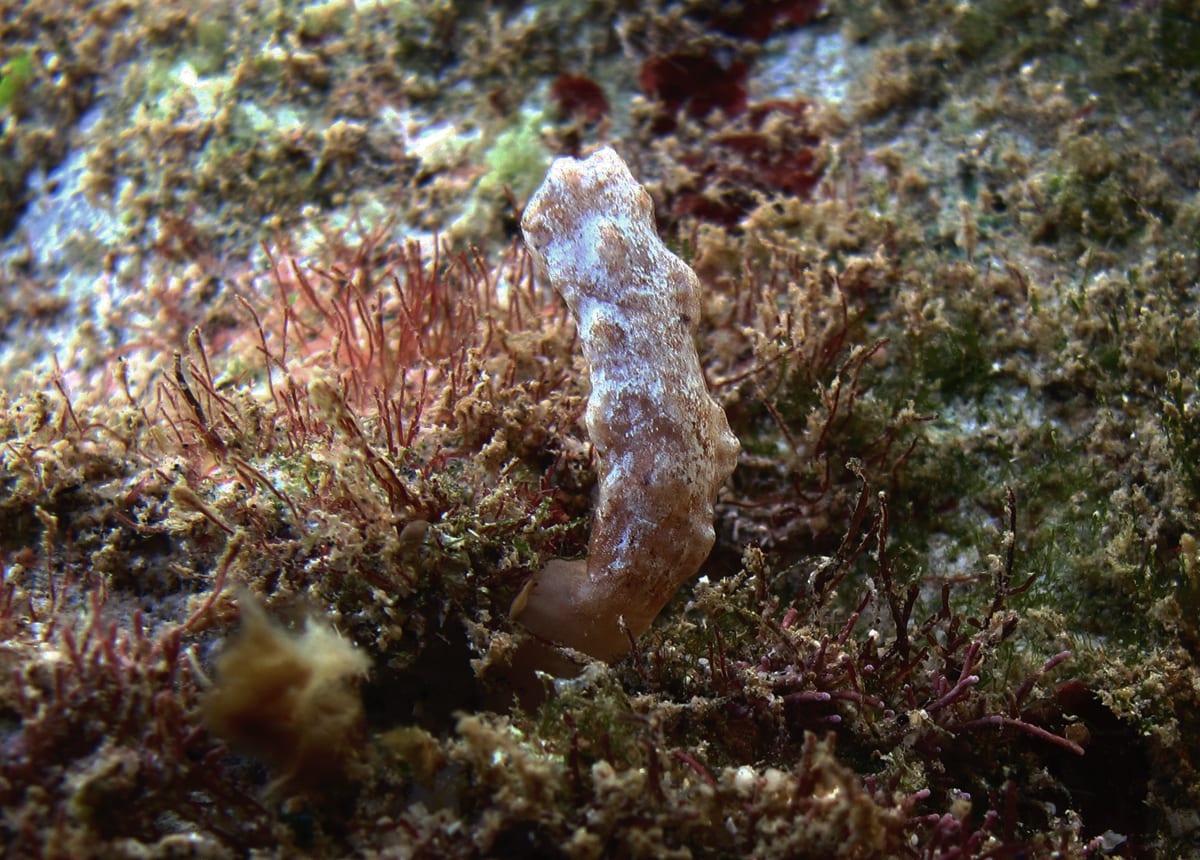
 © Philippe Bourjon / CC BY-SA 4.0
Snake Polyps (Isaurus)
The Snake Polyp is a distinctive zoanthid-relative whose slender, cylindrical polyps lean sideways rather than standing upright, their surfaces covered in irregular, knobby bumps. By day the tentacles retract, leaving the colony looking like a snake or a bundle of dry twigs, while at night the tentacles open up for feeding, giving the coral two very different looks depending on the time of day. It's generally considered suited to intermediate keepers, and part of its appeal is watching the colony gradually spread across the tank over time. Though it doesn't move much, its unusual texture and form add a striking accent to any reef display.
View Snake Polyps (Isaurus) encyclopedia →0% commission on your first sales!Register by September 30, 2026 and your first 2 sales are commission-free!
Breeder Wanted!
List on BreederDirect and sell directly to customers nationwide!
Br-Choku's 6 Transparency Standards
Our Breeder sellers disclose detailed care specs for all Coral listings. We prioritize Aquacultured/CB specimens, verify WYSIWYG photos, and provide difficulty ratings—avoiding wild-caught.
- Aquacultured
- WYSIWYG Photo
- Difficulty Disclosed
- Frag/Colony
- Care Info Included
- Trade name shown
Browse all 210 breeds
Difficulty
Verified breeders wanted for Coral
Breeders are signing up now ahead of launch. Subscribe to be notified when new listings go live.
Getting alerts is free with a member account. When new listings match your saved search, we'll notify you by email and in-app.
Browse other categories
Verified breeders (preview)
Snake Polyps (Isaurus) key facts
- Care level
- Intermediate
- Size
- Polyps 2-4cm tall
- Temperature
- 24〜27℃
- Diet
- Nutrition from symbiotic zooxanthellae, plus zooplankton taken when the tentacles open at night. Offer liquid coral foods after dark.
- Lighting
- Moderate lighting is sufficient. The polyps stay contracted during the day, and stronger light will not make them open.
- Flow & Placement
- Give moderate randomised flow and place it at mid-height on the rockwork. The polyps lean sideways as they grow, so allow room for them to sprawl.
- Water Temperature & Quality
- Water 24-27C, specific gravity 1.023-1.025 (33-35 ppt), KH 8-12. Colour and spread are steadier with a trace of nutrients present than in ultra-low-nutrient water.
- Feeding
- It opens its tentacles at night to take zooplankton, so feeding is most effective after lights out, with liquid coral foods or finely divided foods. It also gains nutrition from its zooxanthellae.
- Notes
- Polyps contracted during the day are behaving normally, not showing distress. Specimens usually arrive contracted as well, and will open only after lights out. It is not listed in the CITES Appendices.
About Snake Polyps (Isaurus)
The Snake Polyp is a zoanthid relative resembling a coiled snake by day, opening its tentacles to feed at night. Suited to intermediate reef keepers.
7 things to know before welcoming a Snake Polyps (Isaurus)
1Different looks by day and night
During the day the polyps retract their tentacles and resemble a snake or a dry twig, but at night they open up to feed. The impression can differ greatly depending on when you observe them, so daytime viewing alone may seem understated.
2A sideways-leaning growth form
Its slender, cylindrical polyps grow leaning to the side rather than standing upright, with irregular knobby bumps covering the surface. The form differs from typical coral shapes, making it a good fit for aquarists who want to add character to their layout.
3Intermediate-level care
Care difficulty is generally rated as intermediate. It's best introduced once you're comfortable managing water quality and equipment, rather than right after setting up a new tank.
4Best observed during nighttime feeding
Since it opens its tentacles to feed at night, feeding and observation are easier after the lights go out. Avoid judging its condition based on daytime appearance alone.
5Consider water flow at placement
Because of its tendency to grow leaning sideways, it settles in better away from direct strong currents, in a spot with gentle, indirect water flow.
6Keep some distance from neighbors
As a cnidarian, placing it too close to other corals or polyp colonies can lead to stinging interactions. Leave some space between it and neighboring specimens when arranging your layout.
7Confirm your tank is established first
Since this is considered an intermediate-level species, reviewing your tank's water quality, lighting, and flow management beforehand will help you notice any changes more easily once it's introduced.
Frequently asked questions about Snake Polyps (Isaurus)
- Q.It barely moves during the day — is it healthy?
- A.It's normal for the Snake Polyp to retract its tentacles and appear shrunken during the day. Looking like a snake or dry twig isn't a sign of trouble — it opens its tentacles and begins feeding at night.
- Q.Can beginners keep this coral?
- A.Its care difficulty is generally rated as intermediate. It's recommended to gain some experience with basic water quality and lighting management for corals before keeping this species.
- Q.Can it be kept in the same tank as other corals?
- A.As a cnidarian, placing it too close to other corals or polyps can cause stinging interactions. Be sure to keep some distance between specimens when placing it in the tank.
- Q.How large does it grow?
- A.Individual polyps reach roughly 2 to 4 cm in height. While each polyp is small, part of the appeal is watching the colony spread over time.
- Q.Are there any legal regulations for keeping this species?
- A.The Snake Polyp is not subject to CITES. There are no other special legal regulations for keeping this species.
Useful tools for Snake Polyps (Isaurus) care
Learn more about Snake Polyps (Isaurus) in the encyclopedia
View Snake Polyps (Isaurus) encyclopedia entry →
Care difficulty, lifespan, size and diet — all basics covered.
More in this category
Can't find the one you're looking for?
Post your wishes for free and breeders with matching animals will contact you with introductions.