Source: Wikimedia Commons
Snake Polyps (Isaurus)
IntermediateIsaurus tuberculatus
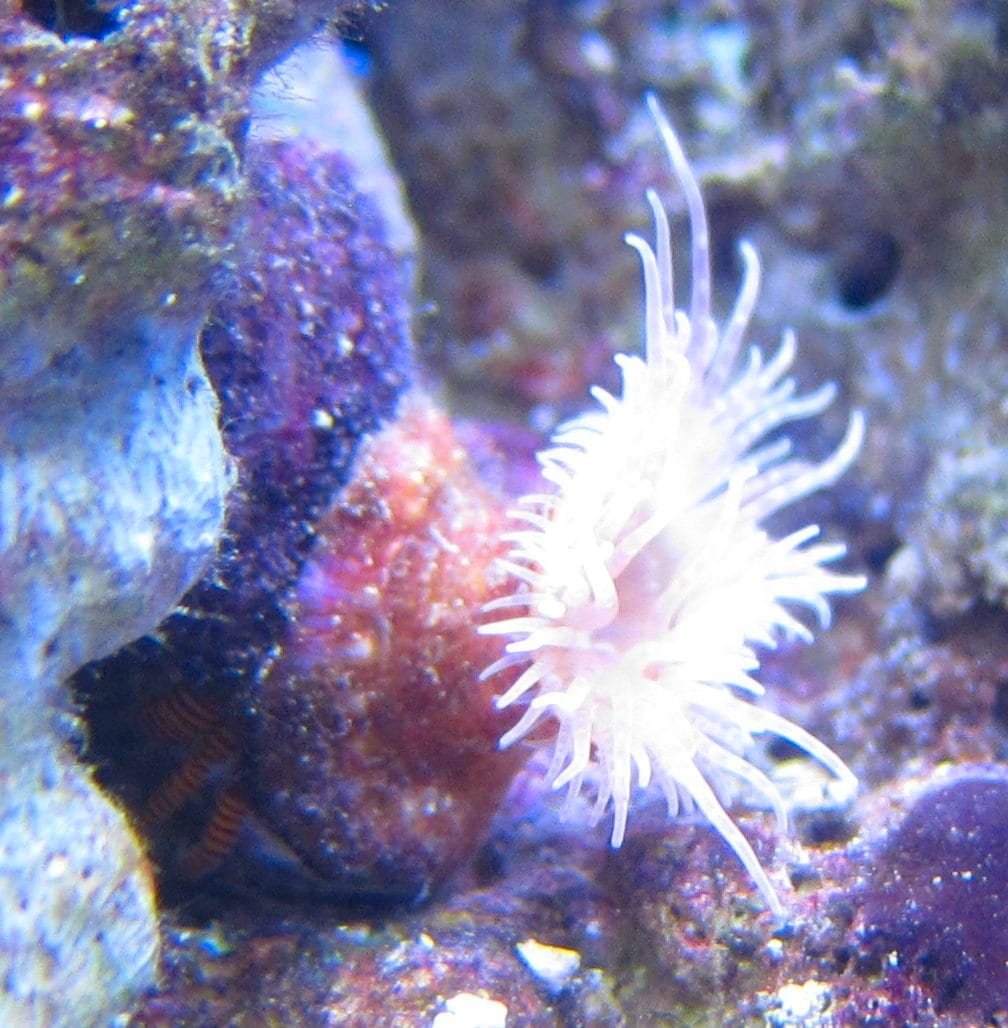
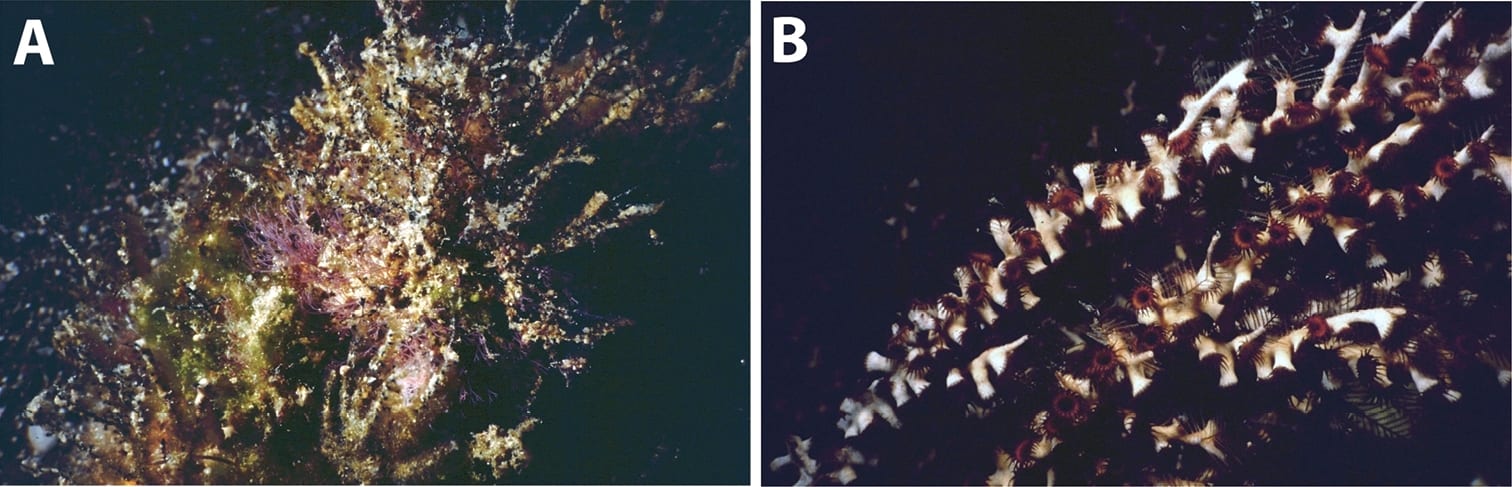
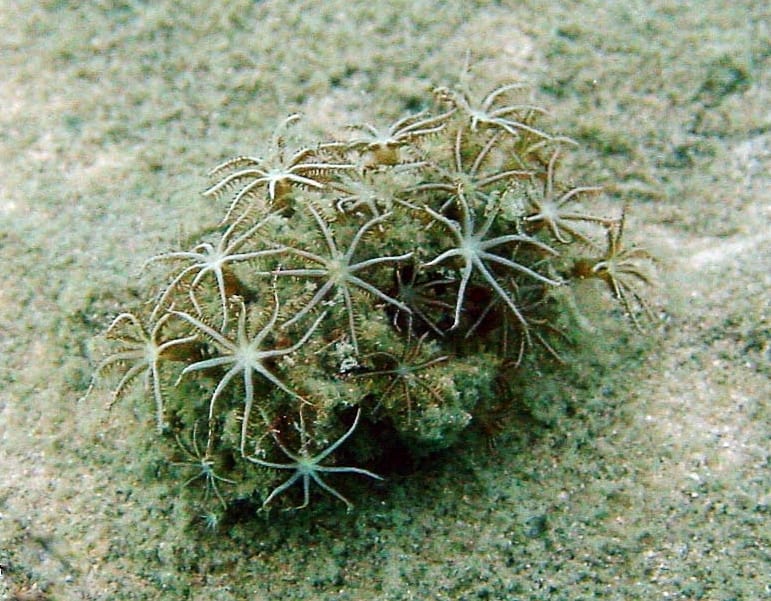
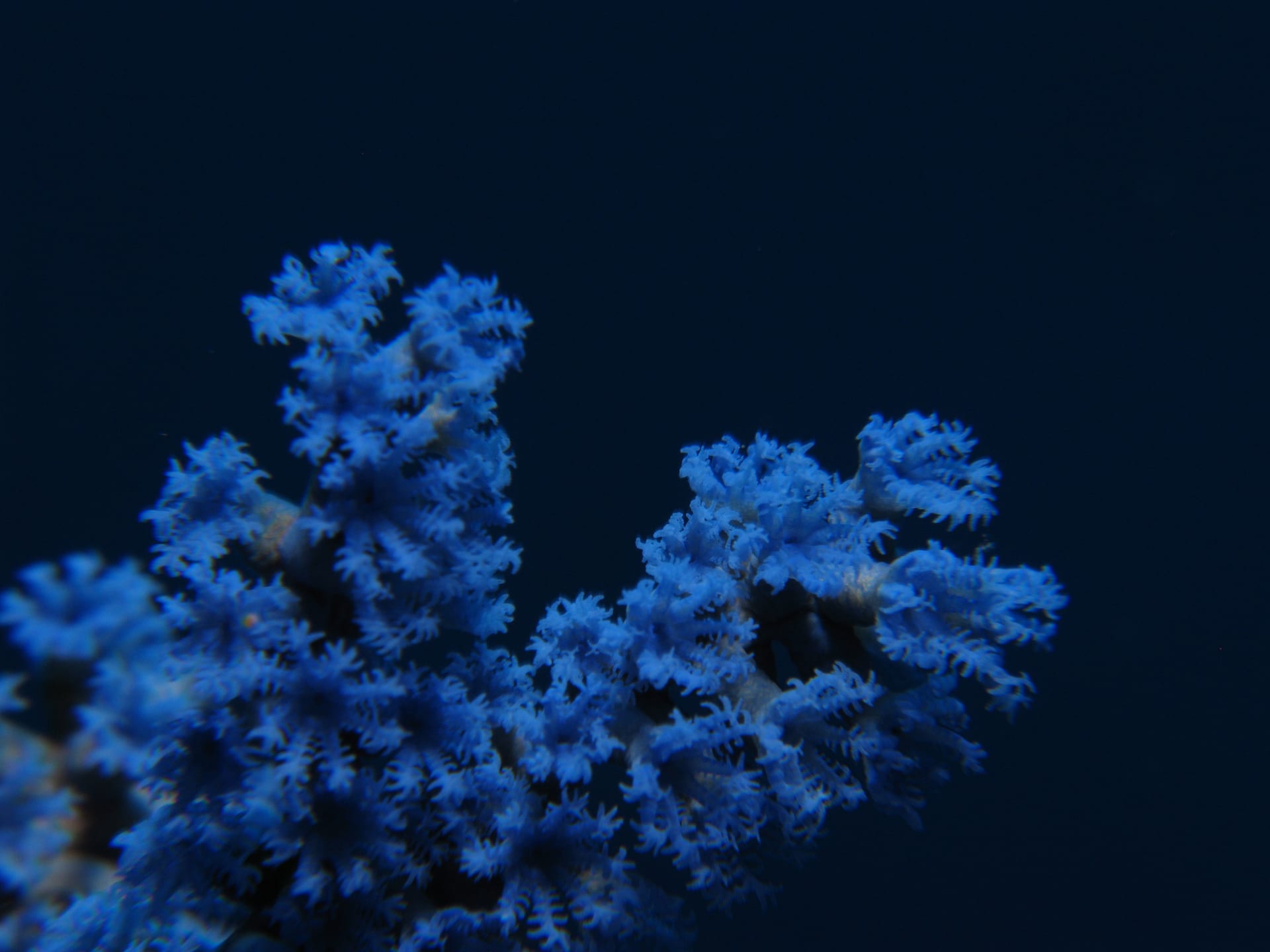
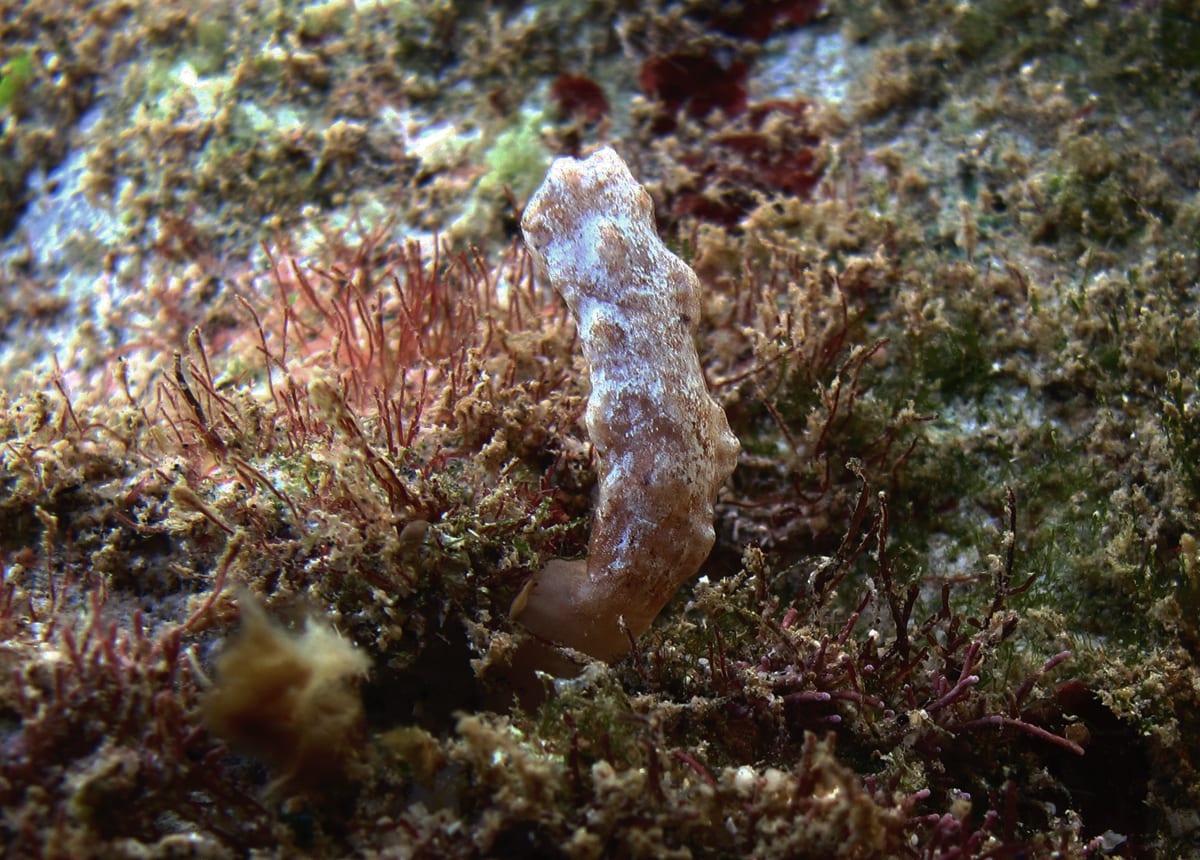
A zoantharian whose elongate cylindrical polyps lean sideways rather than standing upright, their surfaces irregularly studded with tubercles. By day they withdraw their tentacles and contract, looking like snakes or dead twigs; they open and feed at night.
Difficulty
Intermediate
Temperature
24〜27℃
Size
Polyps 2-4cm tall
Diet
Nutrition from symbiotic zooxanthellae, plus zooplankton taken when the tentacles open at night. Offer liquid coral foods after dark.
About
Isaurus tuberculatus is a zoantharian of the family Zoanthidae found in the tropical and subtropical Western Pacific and Atlantic. SeaLifeBase gives its depth range as 0-20 m. The polyps are elongate cylinders that lean sideways rather than standing upright, their surfaces irregularly studded with tubercles. By day they withdraw their tentacles and contract, so the colony looks like a cluster of snakes or dead twigs, which is the origin of the English name snake polyps. After dark the tentacles open radially and the polyps feed on zooplankton. It is zooxanthellate and so also gains nutrition from photosynthesis, but this nocturnal feeding sets it apart from other genera in the family. Colour is a plain brown or greyish green. It keeps well under moderate light and flow, and offering liquid coral foods at night keeps it in good condition. A colony contracted during the day is behaving normally and should not be mistaken for one in trouble. It is not listed in the CITES Appendices.
Source: SeaLifeBase
Size of the Snake Polyps (Isaurus)
The Snake Polyps (Isaurus) grows to Polyps 2-4cm tall.
Temperature & humidity for the Snake Polyps (Isaurus)
The ideal temperature for the Snake Polyps (Isaurus) is 24〜27℃.
Basic Info
Origin
Tropical and subtropical Western Pacific and Atlantic, at depths of 0-20 m
Size
Polyps 2-4cm tall
Temperature
24〜27℃
Care Specifications
- Carbonate (KH)
- 8–12 dKH
- Water Temp.
- 24–27℃
- Specific Gravity
- 1.023–1.025
- Salinity
- 33–35 ppt
PeacefulLight: Medium (PAR 50-150)Flow: MediumPlacement: Middle
Sources: SeaLifeBase (Isaurus tuberculatus) / LiveAquaria (Colony Polyp, Zoanthus Corals; zoantharian care values) / AlgaeBarn: Water Parameters 101
References & Sources
Edited & verified by: BreederDirect editorial team
The taxonomic, regulatory, and husbandry data on this page are compiled and verified against the authoritative primary sources below.
Taxonomy & Authority
Accepted name: Isaurus tuberculatus Gray, 1828
Synonyms: Antinedia tuberculata Duchassaing & Michelotti, 1864, Isaurus duchassaingi Andres, 1884, Isaurus elongatus Verrill, 1928, Isaurus asymmetricus Haddon & Shackleton, 1891
Authority databases: WoRMS
Nomenclature follows global taxonomic authority databases.
Regulations & Conservation Status
Not CITES-listed
Sources: CITES Appendices (species not listed)
Regulations may change. Always verify the latest information with the relevant authorities.
Snake Polyps (Isaurus) Listings
Loading latest listingsFind listings for this species