Clove Polyps (Clavularia) Care Guide | Basic Care for a Soft Coral Beginner Species
A comprehensive guide to caring for Clove Polyps (Clavularia), the ideal species for beginners in coral keeping. We'll cover proper lighting (PAR 50-150), water flow settings, water parameters, attachment methods to live rock, fragging procedures, and troubleshooting tips for when polyps won't open—all tailored for beginners.
Key Takeaways
A comprehensive guide to caring for Clove Polyps (Clavularia), the ideal species for beginners in coral keeping. We'll cover proper lighting (PAR 50-150), water flow settings, water parameters, attachment methods to live rock, fragging procedures, and troubleshooting tips for when polyps won't open—all tailored for beginners.
What Are Clove Polyps (Clavularia)?
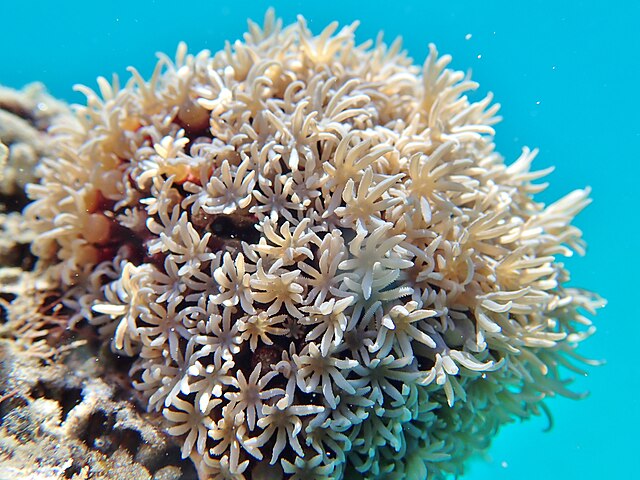
Clove Polyps (scientific name: Clavularia spp.) are a type of soft coral belonging to the subclass Octocorallia, and are called "Clove Polyps" or "Glove Polyps" in English. They are characterized by small polyps about 1-2 cm in diameter that grow in a mat-like formation, with eight feathery tentacles surrounding each polyp that create a distinctive and beautiful appearance.
✍️
BreederDirect Editorial
The BreederDirect editorial team specializes in care information for animals, covering veterinary care and breeding to deliver beginner-friendly guides.
Find Coral on BreederDirect
Buy directly from verified breeders
Browse Related Listings
Find Coral listings related to this article on BreederDirect. Buy directly from verified breeders.
Beginner-friendly with low care difficulty, making them ideal for those new to coral keeping
Available in many color variations including fluorescent green, purple, and brown
Under proper conditions, they multiply through fragmentation and spread across rockwork, creating dramatic layouts
Relatively affordable and easy to obtain compared to other corals
Taxonomic Classification of Clove Polyps
They belong to the order Alcyonacea within Octocorallia. Unlike LPS/SPS corals with hard calcareous skeletons, they are classified as soft corals with a flexible internal skeleton (silicate spicules called sclerites). They contain symbiotic photosynthetic algae (zooxanthellae) and derive nutrients from light energy.
Tank Setup
Lighting Requirements
Clove Polyps depend heavily on photosynthesis and require proper lighting. However, excessive light can cause bleaching and recession.
Recommended PAR: 50-150 μmol/m²/s (moderate to low light range)
Placement in tank: Best positioned in mid-level to lower areas with some shade, avoiding high-light zones
Indirect light positions, such as beneath Acropora (SPS) corals, are particularly suitable
Compatible LED Lights
Standard reef tank LEDs like the Kessil A360X, Radion XR15, and AI Prime HD work well. Cyan to blue spectrum (420-480 nm) maximizes the fluorescent colors of the polyps.
Water Flow Management
Clove Polyps prefer gentle to moderate water movement.
Strong currents: Can prevent polyps from opening and cause the mat to detach
Weak currents: Result in uneven light distribution to zooxanthellae and poor nutrient delivery
Recommendation: Use a wave pump with random mode to create varying, non-directional flow
Water Parameters
Parameter
Target Range
Salinity (Specific Gravity)
1.024-1.026
Temperature
24-26°C
pH
8.1-8.3
KH (Alkalinity)
8-11 dKH
Calcium (Ca)
380-450 mg/L
Magnesium (Mg)
1,250-1,350 mg/L
Nitrate (NO₃)
1-10 mg/L (lower is better)
Phosphate (PO₄)
0.02-0.1 mg/L
Soft corals are less sensitive to water parameters than SPS corals, but high levels of nitrate and phosphate can cause excessive zooxanthellae proliferation, resulting in coral browning. Regular water changes and maintaining biological filtration are essential.
Attachment to Live Rock and Placement
Clove Polyps attach directly to and grow on substrates such as rock, live rock, or artificial coral bases.
Placement Tips
Attach the base of the frag (fragment) to live rock using gel-type coral adhesive
Polyps may close immediately after attachment, but typically recover within a few hours to a day
As they grow and spread across rockwork, ensure adequate spacing to prevent contact with neighboring corals
Watch Out for Allelopathy (Chemical Competition)
Soft corals, including Clove Polyps, secrete chemical compounds such as terpenes during growth. When leather corals (Sinularia sp.) and Clove Polyps share the same tank, they can inhibit each other's growth through chemical competition. Activated carbon or VOC-absorbing carbon media can help mitigate this.
Propagation (Fragging) Methods
Clove Polyps propagate very easily and will naturally spread under proper conditions. Here are methods for intentional propagation (fragging):
Natural Propagation: New colonies form naturally when polyps contact substrate such as sand or rock, and attach themselves.
Artificial Fragging
Cut a portion of the colony (3-5 polyps or more) using clean scissors or a small knife
Attach the cutting to new substrate (frag plug or stand) using coral adhesive
Polyps may remain closed for several days, but will open within a week if lighting and water flow are adequate
Once established, frags can be transferred to other tanks, given to other hobbyists, or sold
Clove Polyp frags are popular trading items within the reef-keeping community.
Troubleshooting When Polyps Won't Open
If Clove Polyps refuse to open for extended periods, check the following:
Cause
Solution
Excessive water flow
Adjust pump direction or reduce flow rate
Excessive lighting
Move to lower position or shaded area
Stress from new introduction
Wait 1-3 days
Poor water quality (high nitrate)
Perform water change
Contact with other corals (allelopathy)
Separate from other corals and add activated carbon
Parasites (nudibranchs, flatworms)
Remove via dipping
Certain species-specific nudibranchs (particularly Elysia and Cuthona spp.) are known predators of Clove Polyps. It's recommended to dip corals in Lugol's solution or diluted ProDibio Reef Booster before introduction to check for parasites.
Feeding
While Clove Polyps derive most of their energy from photosynthesis, they can also feed on fine organic particles in the water column, including phytoplankton and other microorganisms.
Adding phytoplankton supplements (such as Phyto Feast or Reef-Roids) once or twice weekly in small amounts promotes growth
However, overfeeding can degrade water quality, so start with small amounts
Where to Buy
Clove Polyps are available from reef specialty shops and domestic breeders. Frags from domestic breeders are recommended because they experience less shipping stress and acclimate faster to aquariums compared to imported wild-collected specimens.
Selection Tips
Fully open polyps (a sign of good health)
Firmly attached to substrate (frag plug or live rock)
Vibrant coloration without browning
No signs of nudibranchs or flatworms (check that polyps are intact)
Clove Polyps are beautiful, hardy, and highly propagative—making them ideal soft corals for beginners to reef keeping. They excel in a variety of settings, from small nano reef tanks to full-scale mixed reef aquariums.