Source: Wikimedia Commons
Cespitularia
IntermediateCespitularia spp.
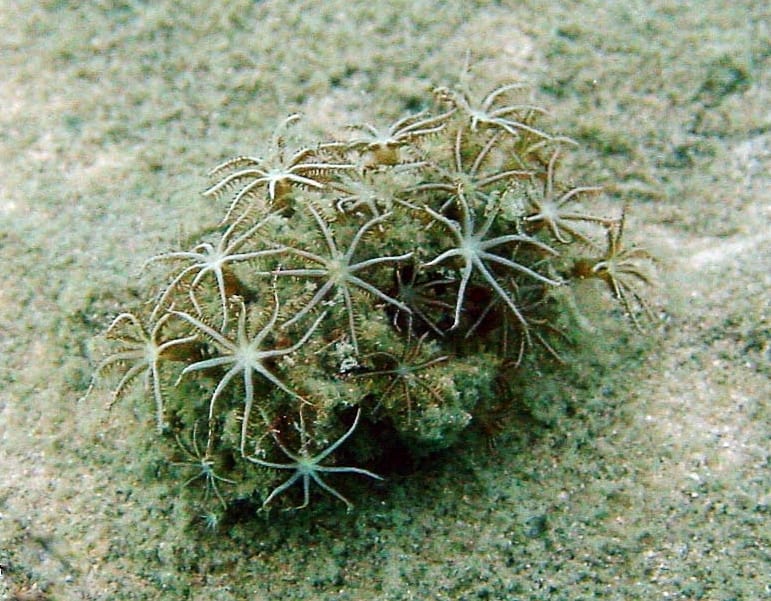
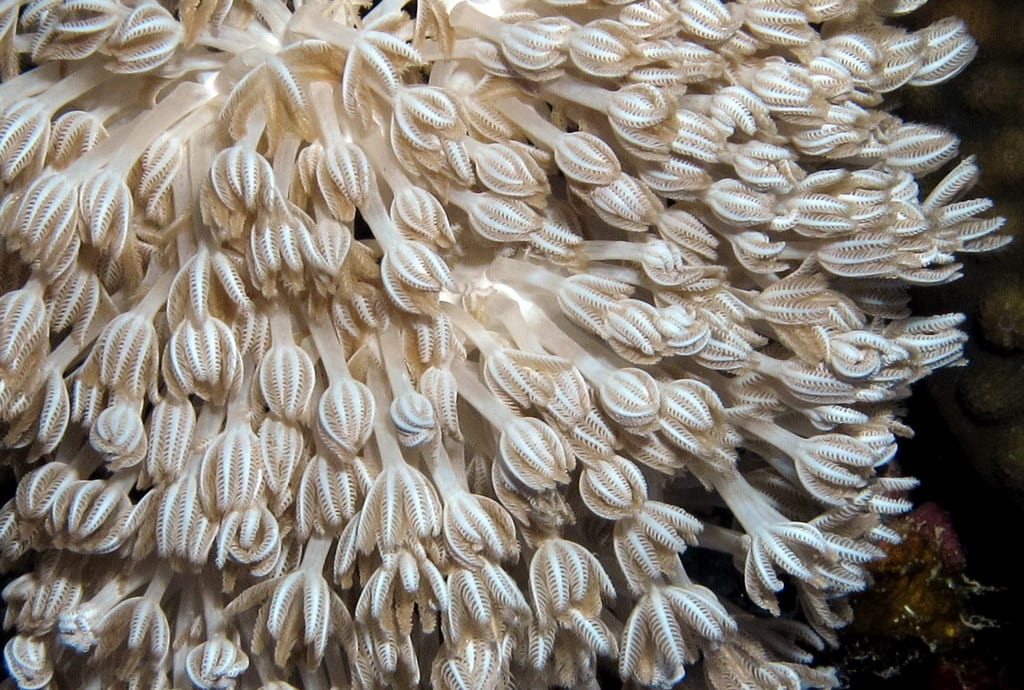
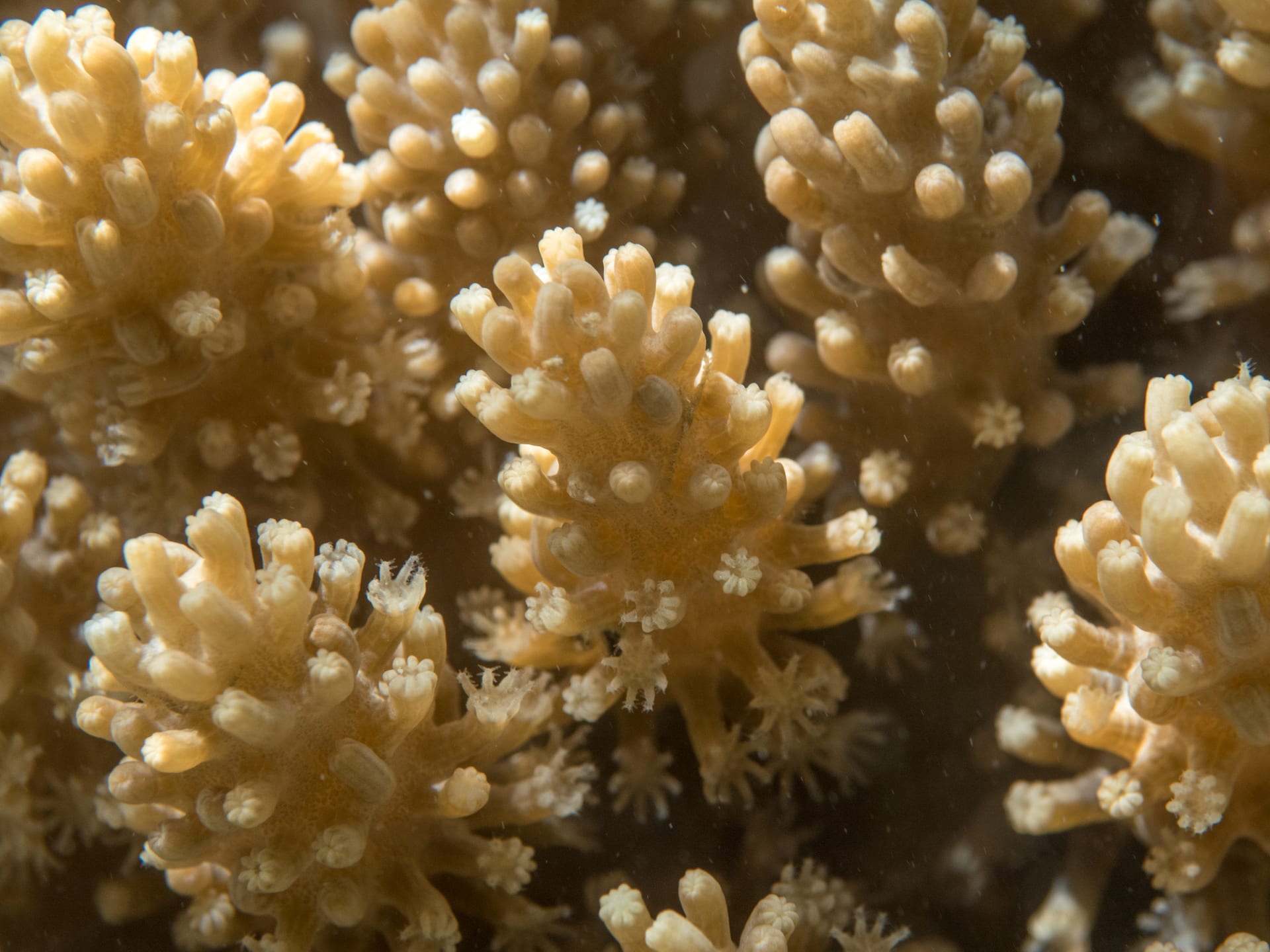
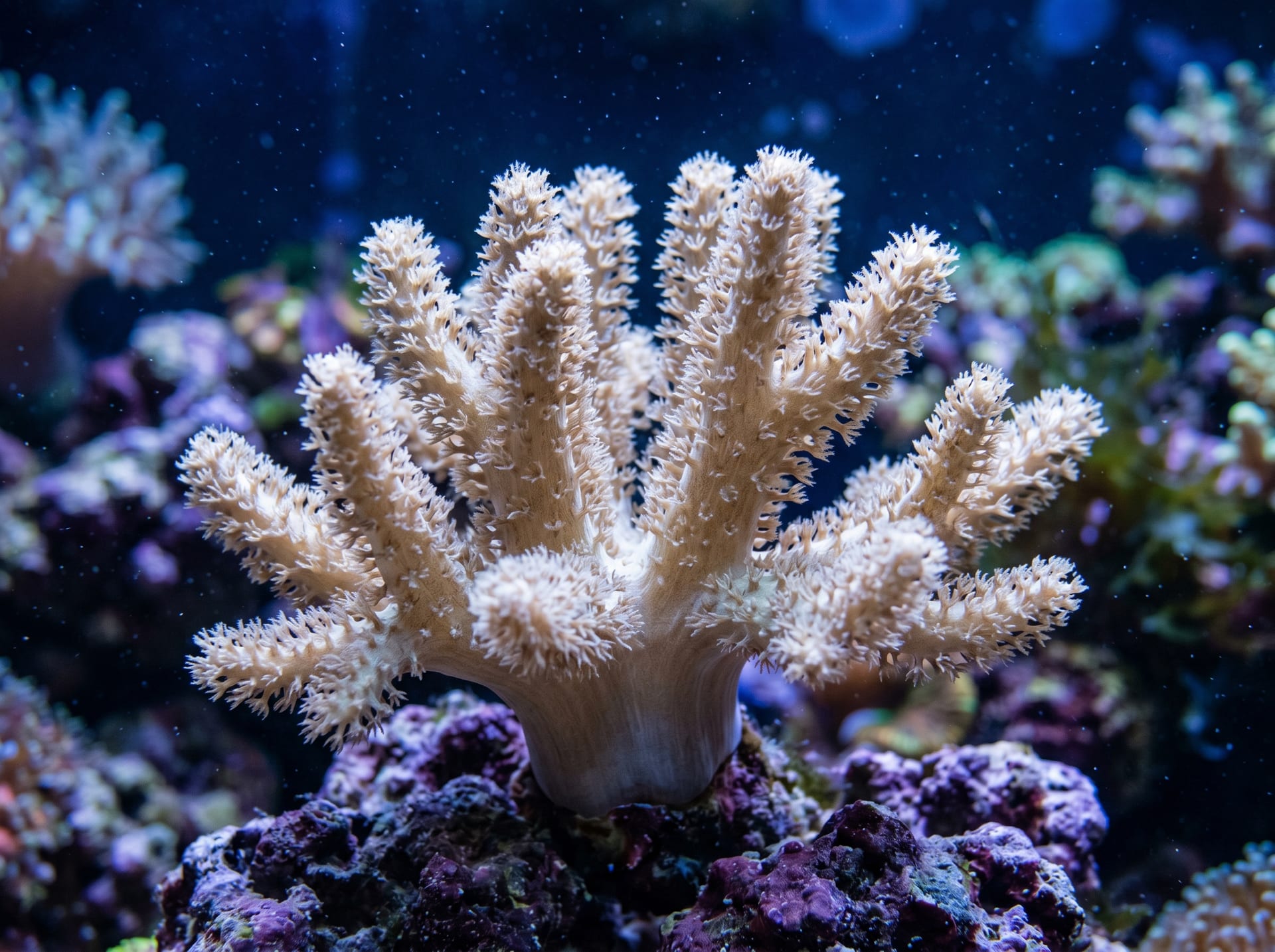
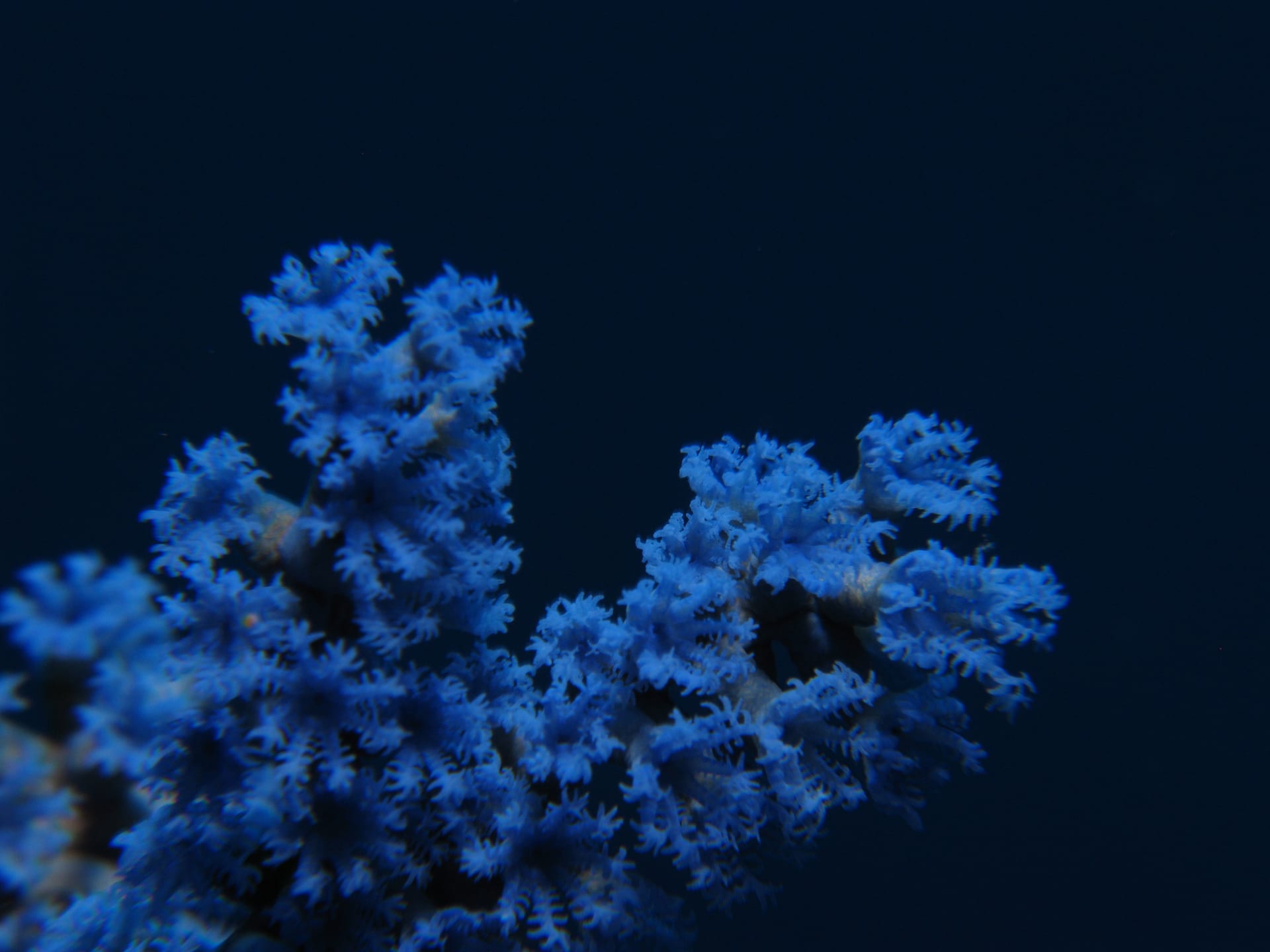
A xeniid soft coral that branches from a thick stalk, with polyps bearing eight pinnate tentacles clustered at the branch tips. Specimens with a blue, pale blue or greenish metallic sheen are prized in the aquarium trade.
Difficulty
Intermediate
Temperature
24〜26℃
Diet
Mainly nutrition from its zooxanthellae, with micro-plankton or foods for filter-feeding invertebrates as a supplement.
About
Cespitularia is a genus of octocoral soft corals in the family Xeniidae, order Malacalcyonacea, found on shallow reefs across the Indo-West Pacific. Colonies branch from a thick stalk with polyps bearing eight pinnate tentacles clustered at the branch tips. Specimens with a blue, pale blue or greenish metallic sheen are prized by aquarists, but the genus is easily confused with Xenia and Heteroxenia in the same family and trade names alone are unreliable. Note that WoRMS treats the genus as a taxon inquirendum, meaning its validity is unsettled. It is zooxanthellate and draws most of its nutrition from photosynthesis. Within the family it is regarded as relatively sensitive to changes in water quality, and colonies are known to shrink shortly after introduction and then melt away. As a soft coral with no stony skeleton it is not covered by the CITES coral listings.
Source: WoRMS
Temperature & humidity for the Cespitularia
The ideal temperature for the Cespitularia is 24〜26℃.
Basic Info
Origin
Shallow reefs of the Indo-West Pacific, including Indonesia and north-eastern Australia
Temperature
24〜26℃
Diet
Mainly nutrition from its zooxanthellae, with micro-plankton or foods for filter-feeding invertebrates as a supplement.
Care Guide
Lighting
Care Specifications
- Carbonate (KH)
- 8–12 dKH
- Water Temp.
- 24–26℃
- Specific Gravity
- 1.023–1.025
- Salinity
- 33–35 ppt
Soft coralLight: High (PAR>150)Flow: MediumPlacement: Middle
Sources: LiveAquaria (Waving Hand, Thick Stem/ウミアザミ科の飼育値) / WoRMS (World Register of Marine Species)
References & Sources
Edited & verified by: BreederDirect editorial team
The taxonomic, regulatory, and husbandry data on this page are compiled and verified against the authoritative primary sources below.
Taxonomy & Authority
Accepted name: Cespitularia spp. Milne Edwards & Haime, 1850
Authority databases: WoRMS
Nomenclature follows global taxonomic authority databases.
Regulations & Conservation Status
Not CITES-listed
Sources: CITES Appendices (taxon not listed)
Regulations may change. Always verify the latest information with the relevant authorities.
Cespitularia Listings
Loading latest listingsFind listings for this species