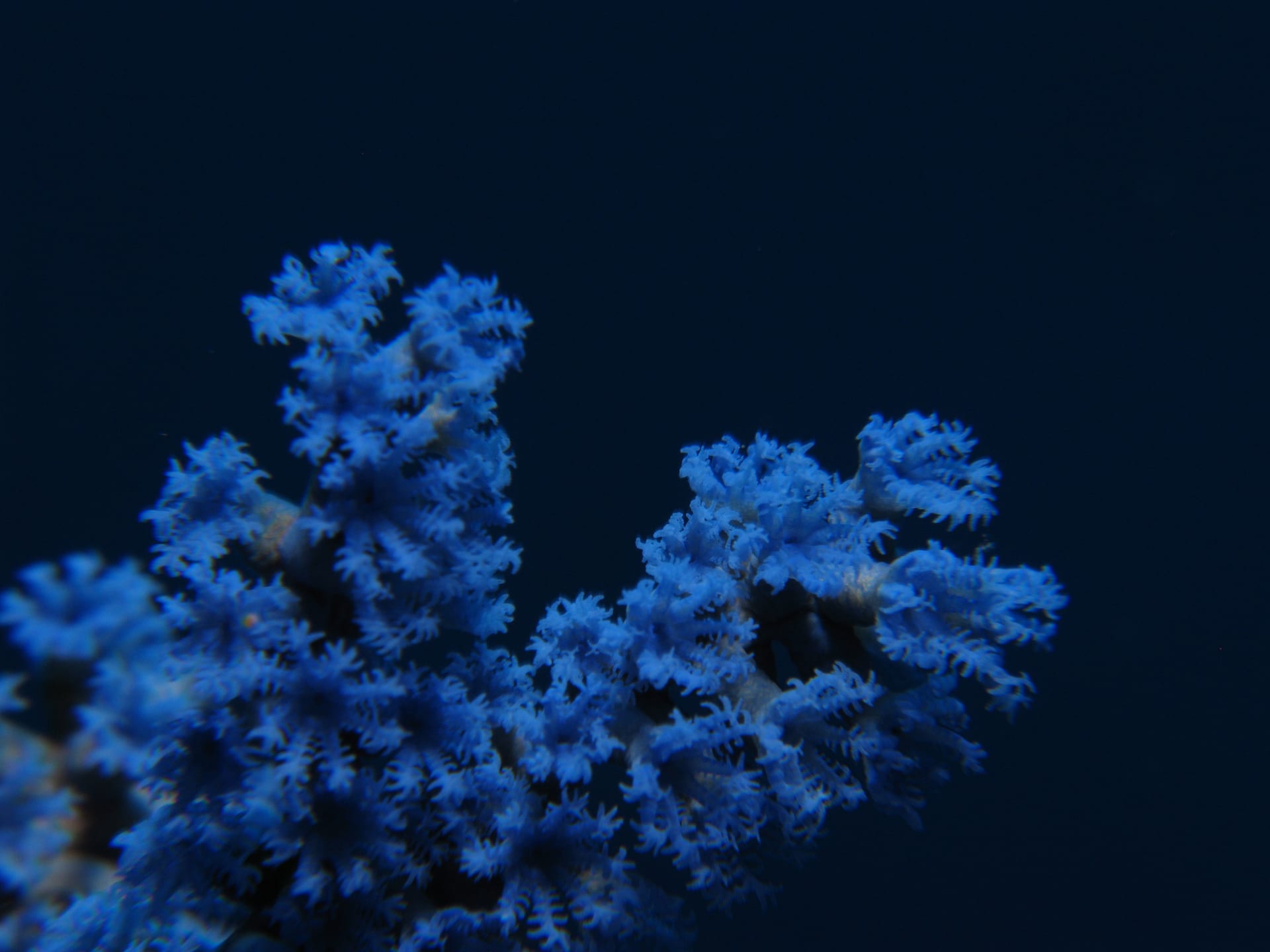
 © prilfish / CC BY 2.0
Cespitularia
Cespitularia is a soft coral in the Xeniidae family, branching from a thick central stalk with polyps densely lined by eight feathery tentacles. Colonies often show a metallic blue, pale blue, or greenish sheen, and their gently swaying, feather-like polyps make them a real eye-catcher in the tank. They are generally peaceful and show little aggression toward other corals. That said, they are sensitive to sudden shifts in water quality and may retract or lose color when conditions aren't stable. Considered suited to intermediate keepers, this species is best approached once you're comfortable with day-to-day water management. Given a calm, stable setup, its clustered growth is a pleasure to watch develop over time.
View Cespitularia encyclopedia →0% commission on your first sales!Register by September 30, 2026 and your first 2 sales are commission-free!
Breeder Wanted!
List on BreederDirect and sell directly to customers nationwide!
Br-Choku's 6 Transparency Standards
Our Breeder sellers disclose detailed care specs for all Coral listings. We prioritize Aquacultured/CB specimens, verify WYSIWYG photos, and provide difficulty ratings—avoiding wild-caught.
- Aquacultured
- WYSIWYG Photo
- Difficulty Disclosed
- Frag/Colony
- Care Info Included
- Trade name shown
Browse all 210 breeds
Difficulty
Verified breeders wanted for Coral
Breeders are signing up now ahead of launch. Subscribe to be notified when new listings go live.
Getting alerts is free with a member account. When new listings match your saved search, we'll notify you by email and in-app.
Browse other categories
Verified breeders (preview)
About Cespitularia
Cespitularia is a Xeniidae soft coral covered in feathery tentacled polyps, prized for its blue-green metallic sheen. Suited to intermediate keepers, it's sensitive to sudden water changes, making a stable environment the key to success.
7 things to know before welcoming a Cespitularia
1Stable water is key
Cespitularia is sensitive to sudden shifts in water quality. Introduce water changes and additives gradually and in small amounts, since abrupt changes can cause the polyps to retract or lose color.
2Prefers gentle flow
Moderate, indirect flow helps the pinnate tentacles extend fully. Flow that's too strong keeps the polyps closed, while flow that's too weak lets debris accumulate—watch how the colony responds and adjust.
3Start with moderate light
While it enjoys good lighting, exposing it to intense light right after introduction can stress the coral. Start with moderate intensity and gradually increase it as the coral acclimates.
4Peaceful, mixes well
Cespitularia shows little aggression toward other corals, making it easy to keep alongside various species. As it grows and its branches spread, leave enough space between neighboring colonies.
5Watch polyp extension
A healthy colony extends its feathery polyps widely. If the polyps stay closed for an extended period, treat it as a cue to check water quality, flow, and lighting.
6Avoid moving once placed
Because it's sensitive to environmental change, avoid relocating it often once it has settled in. If a layout change is necessary, space out adjustments and proceed carefully.
7Stabilize water beforehand
Before bringing one home, stabilize your tank's water parameters (such as nitrate and pH) to reduce the chance of trouble afterward. Gradual acclimation via a drip method also helps ease the transition.
Frequently asked questions about Cespitularia
- Q.Is Cespitularia suitable for beginners?
- A.Cespitularia is generally considered suited to intermediate keepers. Since it's sensitive to sudden shifts in water quality, it's best attempted once you're comfortable with routine water management.
- Q.What water flow and lighting does it need?
- A.Gentle, indirect flow and moderate lighting to start are the basics. Watch how the colony extends its polyps and adjust conditions gradually for stability.
- Q.Can it be kept with other corals?
- A.Yes, its peaceful, low-aggression nature makes it suitable for mixed-species tanks. Just leave enough space between colonies as it grows and branches spread.
- Q.Why do the polyps stay retracted?
- A.This is usually caused by shifts in water quality or by flow and lighting that don't suit the coral. Reviewing placement and tank conditions to restore stability often helps.
- Q.Is Cespitularia regulated under CITES?
- A.Cespitularia is not subject to CITES.
Useful tools for Cespitularia care
Learn more about Cespitularia in the encyclopedia
View Cespitularia encyclopedia entry →
Care difficulty, lifespan, size and diet — all basics covered.
More in this category
Can't find the one you're looking for?
Post your wishes for free and breeders with matching animals will contact you with introductions.