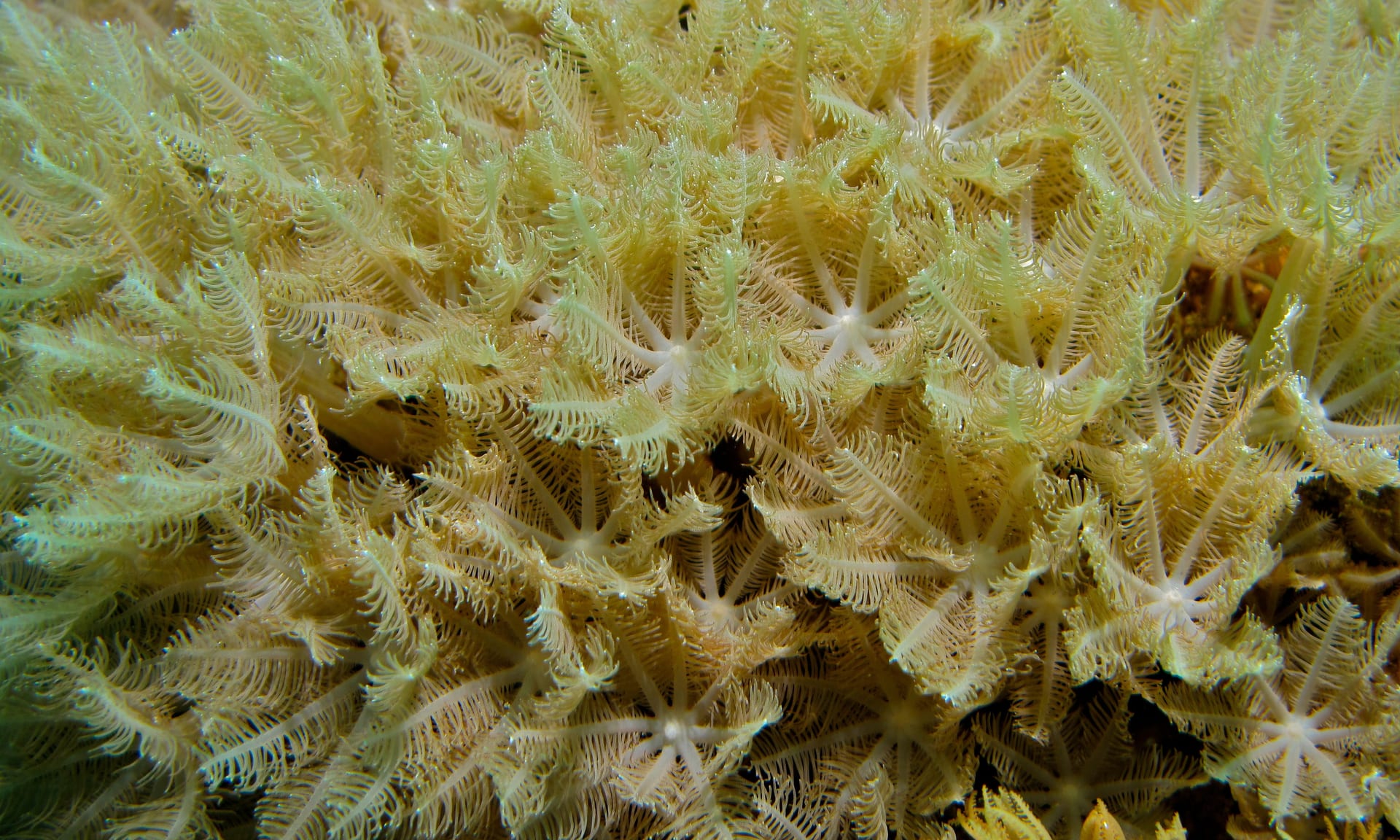
 © Bernard DUPONT from FRANCE / CC BY-SA 2.0
Clove Polyps (Clavularia)
Clove Polyps (Clavularia) are soft corals in the Clavulariidae family, sending up countless polyps—each with eight feathery tentacles—from a creeping, mat-like base that spreads across rock. Coloration varies widely between colonies, ranging from brown and tan to pink, green, and white, and the way the tentacles sway together in the current makes for an eye-catching display. Because the base encrusts and spreads quickly, it's a great pick for anyone wanting to cover bare rockwork with living color. It's generally considered easy to keep, making it approachable for those just starting out with corals. A dense stand of swaying polyps creates a simple yet striking look in any reef tank.
View Clove Polyps (Clavularia) encyclopedia →0% commission on your first sales!Register by September 30, 2026 and your first 2 sales are commission-free!
Breeder Wanted!
List on BreederDirect and sell directly to customers nationwide!
Br-Choku's 6 Transparency Standards
Our Breeder sellers disclose detailed care specs for all Coral listings. We prioritize Aquacultured/CB specimens, verify WYSIWYG photos, and provide difficulty ratings—avoiding wild-caught.
- Aquacultured
- WYSIWYG Photo
- Difficulty Disclosed
- Frag/Colony
- Care Info Included
- Trade name shown
Browse all 210 breeds
Difficulty
Verified breeders wanted for Coral
Breeders are signing up now ahead of launch. Subscribe to be notified when new listings go live.
Getting alerts is free with a member account. When new listings match your saved search, we'll notify you by email and in-app.
Browse other categories
Verified breeders (preview)
About Clove Polyps (Clavularia)
Clove Polyps are soft corals whose eight-tentacled polyps spread across rock from a creeping base. Colors range from brown to pink and green, and they're considered easy to keep, even for beginners.
7 things to know before welcoming a Clove Polyps (Clavularia)
1Spreads via a Creeping Base
Clove Polyps extend a creeping base across the surface of the rock, sending up polyps as they go. Because coverage can spread further than expected, it helps to leave room in your layout when placing the colony.
2Color Varies by Colony
Coloration differs quite a bit from one colony to the next, spanning brown, tan, pink, green, and white. It's worth checking how a colony looks under your own lighting before choosing, rather than relying on photos alone.
3Tentacles Sway in the Current
One of the appeals of this coral is watching its eight feathery tentacles sway in gentle flow. Excessively strong current can cause the polyps to close up, so it helps to adjust flow while observing how they respond.
4Give Neighboring Corals Space
Because it encrusts and spreads quickly, placing it too close to other corals can lead to competition for space. Check its growth periodically and adjust the layout if it starts crowding neighbors.
5Settling in After Introduction
After being introduced to a new tank, the polyps may stay closed for a while. Give the colony a few days to a few weeks to settle in before expecting full extension.
6Sensitive to Disturbance
Physical contact or sudden changes in water quality or flow can cause the polyps to retract as a defensive response. It's best to avoid touching the colony directly when rearranging the tank or performing maintenance.
7Approachable for Beginners
Clove Polyps are generally considered easy to keep and are often chosen as an entry point into coral keeping. Maintaining basic water quality is usually enough to keep the colony thriving.
Frequently asked questions about Clove Polyps (Clavularia)
- Q.Can beginners keep Clove Polyps?
- A.Yes—Clove Polyps are generally considered easy to keep and are a popular choice for those new to coral keeping, as long as basic water quality is maintained.
- Q.How fast does it spread?
- A.It has a tendency to encrust surfaces fairly quickly as its base creeps across the rock. It's a good idea to consider surrounding space when deciding where to place it.
- Q.Why won't the polyps open?
- A.The polyps often close after introduction, or in response to changes in flow, lighting, or physical disturbance. They typically reopen once the colony adjusts, so it's best to wait and observe.
- Q.Can it be kept alongside other corals?
- A.Since it tends to spread, it helps to leave extra space between it and neighboring corals. Adjust placement over time as you observe its growth.
- Q.Is it subject to CITES regulation?
- A.Clove Polyps (Clavularia) are not subject to CITES.
Useful tools for Clove Polyps (Clavularia) care
Learn more about Clove Polyps (Clavularia) in the encyclopedia
View Clove Polyps (Clavularia) encyclopedia entry →
Care difficulty, lifespan, size and diet — all basics covered.
Clove Polyps (Clavularia) related articles
See more Clove Polyps (Clavularia) articles →More in this category
Can't find the one you're looking for?
Post your wishes for free and breeders with matching animals will contact you with introductions.