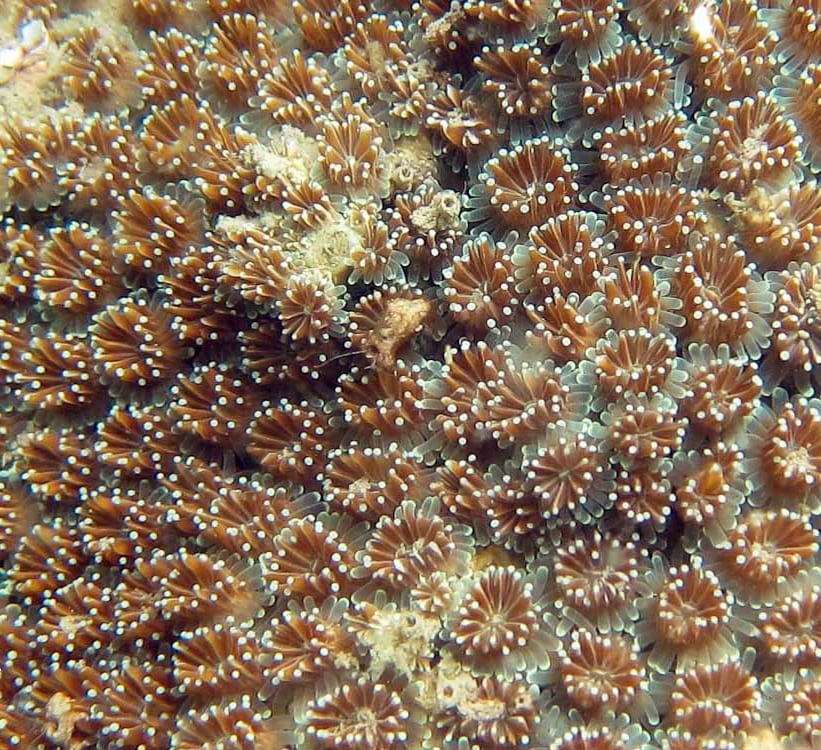
 © Chaloklum Diving / CC BY-SA 4.0
Galaxea Astreata
Galaxea Astreata is a striking stony coral whose star-shaped polyps extend from widely spaced, plate-like corallites, giving colonies an unmistakable starburst pattern — hence its common names, Octopus Coral and Starburst Coral. Colonies grow in massive, columnar, or encrusting forms and can exceed two meters across over time. Because it extends sweeper tentacles that can sting neighboring corals, careful placement is essential, making it a coral best suited to hobbyists with some reefkeeping experience.
View Galaxea Astreata encyclopedia →0% commission on your first sales!Register by September 30, 2026 and your first 2 sales are commission-free!
Breeder Wanted!
List on BreederDirect and sell directly to customers nationwide!
Br-Choku's 6 Transparency Standards
Our Breeder sellers disclose detailed care specs for all Coral listings. We prioritize Aquacultured/CB specimens, verify WYSIWYG photos, and provide difficulty ratings—avoiding wild-caught.
- Aquacultured
- WYSIWYG Photo
- Difficulty Disclosed
- Frag/Colony
- Care Info Included
- Trade name shown
Browse all 210 breeds
Difficulty
Verified breeders wanted for Coral
Breeders are signing up now ahead of launch. Subscribe to be notified when new listings go live.
Getting alerts is free with a member account. When new listings match your saved search, we'll notify you by email and in-app.
Browse other categories
Verified breeders (preview)
Galaxea Astreata key facts
- Care level
- Intermediate
- Size
- Colonies can exceed 2 m in length
- Temperature
- 24〜26℃
- Diet
- Nutrition from symbiotic zooxanthellae, plus zooplankton and coral larvae caught by the polyps, which are expanded during the day.
- Lighting
- LiveAquaria gives moderate to high lighting for Galaxea. It prefers clear water, but reduce the light for newly added colonies and acclimate over several weeks.
- Flow & Placement
- Medium flow. It extends very long sweeper tentacles, so leave plenty of distance from other corals; mounting it on its own rock is the safe option.
- Water Temperature & Quality
- Water 24-26C, specific gravity 1.023-1.025, salinity 33-35 ppt, KH 8-12. It consumes calcium and magnesium, so test and replenish them regularly.
- Feeding
- Unusually, it feeds with its polyps expanded during the day, so meaty coral food can be offered while the lights are on. It takes coral larvae as well as zooplankton.
- Notes
- LiveAquaria classes the genus as aggressive; any coral within reach of its sweeper tentacles will be damaged, so placement planning matters most. As a scleractinian it is on CITES Appendix II.
About Galaxea Astreata
Galaxea Astreata (Octopus Coral) is a stony coral with striking star-shaped polyps. Colonies grow in massive, columnar, or encrusting forms — a striking centerpiece for intermediate reefkeepers.
7 things to know before welcoming a Galaxea Astreata
1Stinging Sweeper Tentacles
Galaxea Astreata extends long sweeper tentacles at night that can sting nearby corals. Give it generous spacing from tankmates, and take the reach of its tentacles into account when planning your layout.
2Plan for Growth
Colonies grow into massive, columnar, or encrusting shapes and can exceed two meters across over time. Choose a tank and layout with enough room for this long-term growth.
3Lighting and Flow
Like other stony corals, it does best under stable lighting and moderate water flow. Overly strong flow can prevent the polyps from opening fully, so a gentler current works better.
4Supplemental Feeding
It gets much of its energy from photosynthetic zooxanthellae, but also extends its polyps at night to capture food. Offering finely chopped food directly to the polyps can support healthier growth.
5Water Parameter Care
As with other stony corals, calcium, alkalinity, and magnesium levels form the foundation for healthy growth. Regular testing and dosing help keep conditions stable.
6Intermediate-Level Care
It's a hardy coral overall, but handling its stinging tentacles and fragging colonies takes some experience. It's best suited to hobbyists who already have some reefkeeping under their belt.
7Acclimating a New Arrival
When introducing it to a new tank, a slow drip acclimation helps match temperature and water chemistry gradually. Keep an eye on it in a calm spot for the first few days after transport.
Frequently asked questions about Galaxea Astreata
- Q.Can it be kept alongside other corals?
- A.Galaxea Astreata can sting nearby corals with its sweeper tentacles, so it's best kept with generous spacing from other livestock. Check how far its tentacles can reach before finalizing your layout.
- Q.How large can it grow?
- A.Colonies change shape as they grow — massive, columnar, or encrusting — and can exceed two meters across. It's wise to leave plenty of room for this growth.
- Q.Does it need to be fed?
- A.It gets most of its energy from photosynthetic zooxanthellae, but it also opens its polyps at night to capture food. Offering finely chopped food can help support its growth.
- Q.Is it suitable for beginners?
- A.Its care level is considered intermediate. It's a hardy species, but handling its stinging tentacles and fragging require some experience, so it's better suited to those already familiar with coral keeping.
- Q.Is Galaxea Astreata subject to CITES?
- A.Galaxea Astreata is listed in CITES Appendix II. International trade requires a permit from the exporting country, but as far as CITES is concerned, no registration is needed to buy or sell individuals already legally in Japan.
Useful tools for Galaxea Astreata care
Learn more about Galaxea Astreata in the encyclopedia
View Galaxea Astreata encyclopedia entry →
Care difficulty, lifespan, size and diet — all basics covered.
More in this category
Can't find the one you're looking for?
Post your wishes for free and breeders with matching animals will contact you with introductions.