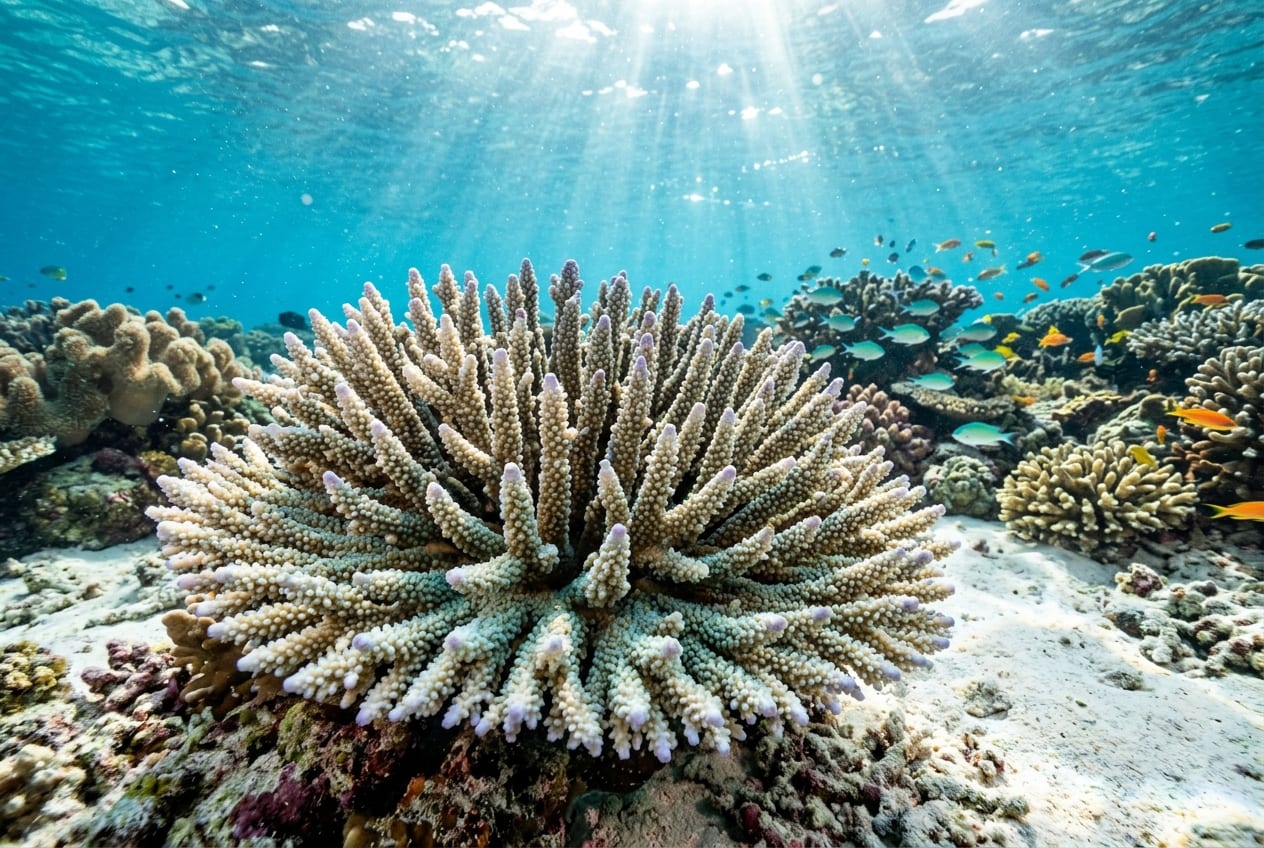
Acropora Spathulata
Acropora spathulata is a stony coral first described in 1891 as Madrepora spathulata. It's typically found on clear, shallow back reefs and reef flats, generally no deeper than about 1 to 10 meters. Its flattened, spatula-shaped branches radiate outward, a growth form well suited to catching light. Like other Acropora, it's sensitive to changes in lighting, flow, and water chemistry, which is why it's best suited to experienced reef keepers who can maintain a stable environment. Its spreading branch structure and coloration that shifts with the light are a big part of its appeal.
View Acropora Spathulata encyclopedia →0% commission on your first sales!Register by September 30, 2026 and your first 2 sales are commission-free!
Breeder Wanted!
List on BreederDirect and sell directly to customers nationwide!
Br-Choku's 6 Transparency Standards
Our Breeder sellers disclose detailed care specs for all Coral listings. We prioritize Aquacultured/CB specimens, verify WYSIWYG photos, and provide difficulty ratings—avoiding wild-caught.
- Aquacultured
- WYSIWYG Photo
- Difficulty Disclosed
- Frag/Colony
- Care Info Included
- Trade name shown
Browse all 210 breeds
Difficulty
Verified breeders wanted for Coral
Breeders are signing up now ahead of launch. Subscribe to be notified when new listings go live.
Getting alerts is free with a member account. When new listings match your saved search, we'll notify you by email and in-app.
Browse other categories
Verified breeders (preview)
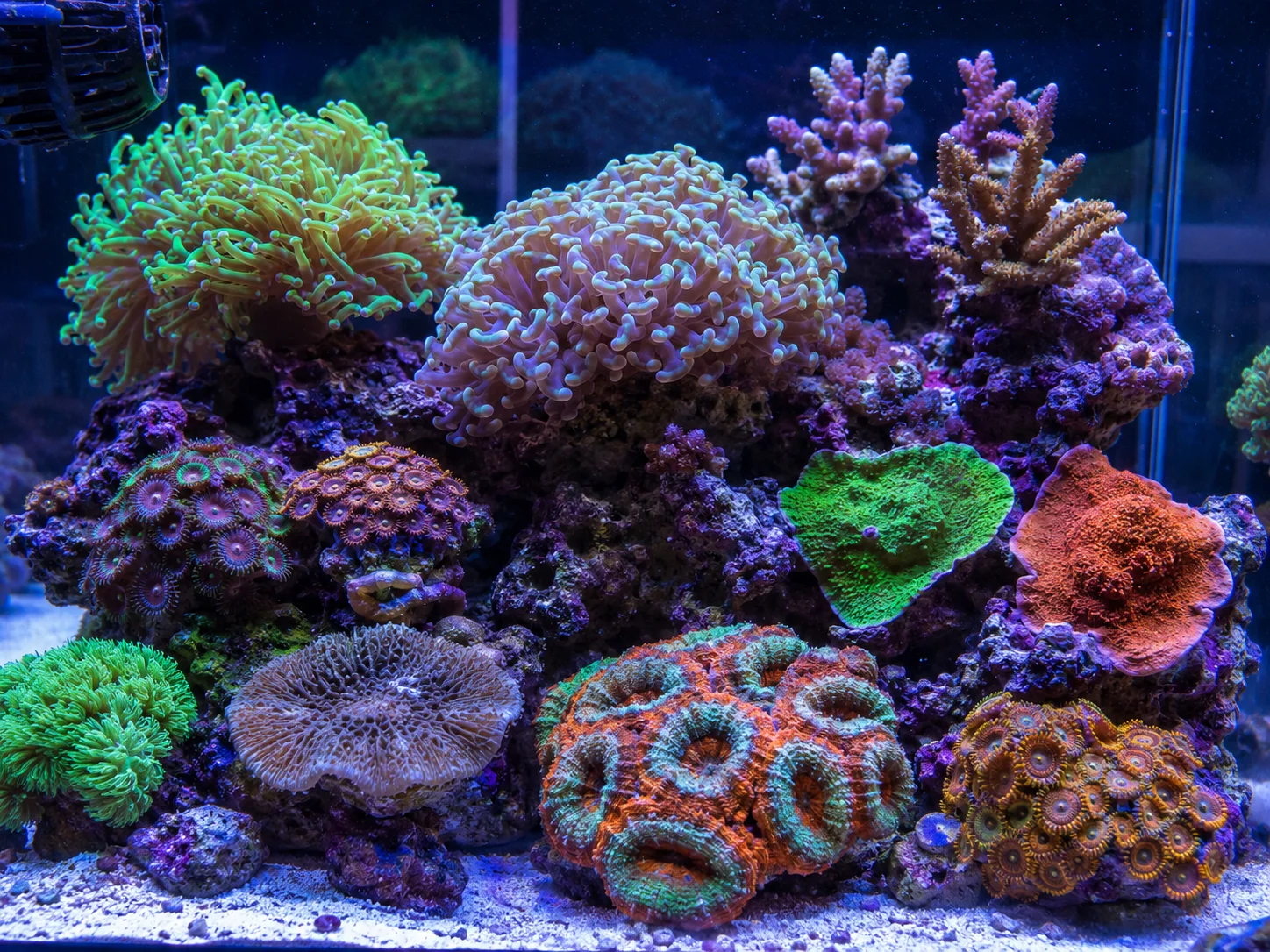
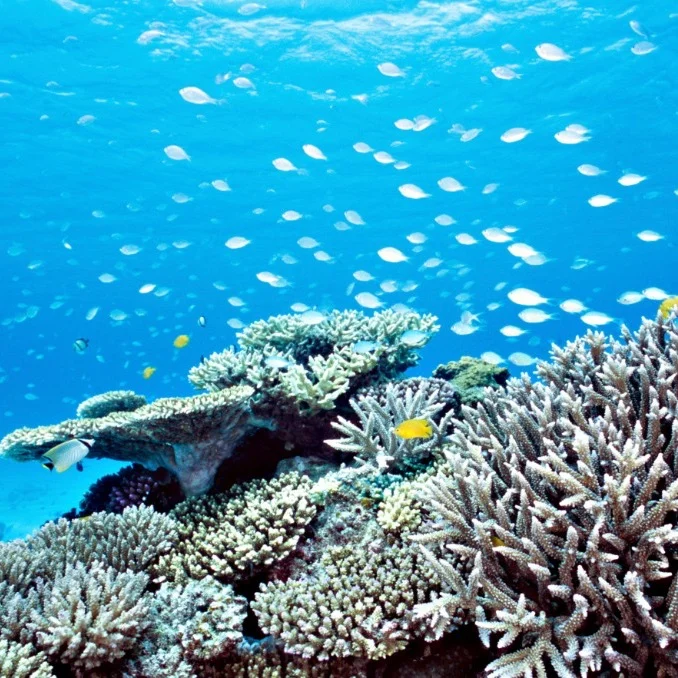
Acropora Spathulata key facts
- Care level
- Advanced
- Temperature
- 22〜26℃
- Diet
- Mainly nutrition from symbiotic zooxanthellae, supplemented with powdered or liquid coral foods and phytoplankton.
- Lighting
- Requires strong light. AlgaeBarn cites successful Acropora keeping at PAR 800 or more. Start newly added colonies under reduced light and raise it over several weeks.
- Flow & Placement
- A shallow-water species from intertidal reefs at 1-10 m. Give it a bright position near the top of the rockwork with strong flow.
- Water Temperature & Quality
- Water 22-26C, specific gravity 1.023-1.025, KH 8-12, calcium 380-440 ppm, magnesium 1300-1400 ppm. Sudden swings in alkalinity are the most common cause of tissue loss.
- Feeding
- Most of its nutrition comes from photosynthesis by its zooxanthellae. Powdered or liquid coral foods and phytoplankton can be offered as a supplement, but stable light and water chemistry matter more than feeding.
- Notes
- Uncommon in the trade and poorly documented, so check the scientific name on the label when buying. Listed on CITES Appendix II, so international trade requires permits.
About Acropora Spathulata
Acropora spathulata is a reef-flat Acropora that favors clear, shallow water with strong light and flow. Here's an overview of key care points and common questions for this advanced-level coral.
7 things to know before welcoming a Acropora Spathulata
1Needs Strong Light
Originating from clear, shallow reef flats, this coral needs intense lighting in the aquarium, such as high-output LEDs or metal halides. Without enough light, its coloration tends to fade toward a duller brown.
2Provide Strong Flow
In the wild it grows on wave-swept reef flats, so it does best with direct, vigorous water movement. In stagnant spots, debris can settle on its surface and harm its health.
3Stable Water Chemistry
This coral is sensitive to swings in calcium, alkalinity, and magnesium, the elements involved in building its skeleton. That sensitivity is a major reason it's considered a species for experienced keepers who test and dose regularly.
4Give It Space
Its branches spread outward as they grow, and contact with neighboring corals can trigger stinging between them. Leave generous space around it to account for future growth.
5Careful Acclimation
When introducing a new specimen, acclimate it slowly to your tank's conditions. Keeping it separate for a short observation period can help reduce the risk of introducing parasites or disease.
6Watch for Stress Signs
Sudden changes in the environment or water quality can cause polyps to stay retracted or the skeleton to show through as pale patches. Noticing these changes early and addressing the cause is important.
7Can Be Fragged
A well-grown colony can be propagated by cutting off branches, a practice known as fragging. It's a popular trait among Acropora species, and cuttings can develop into new colonies once they attach successfully.
Frequently asked questions about Acropora Spathulata
- Q.Can beginners keep this coral?
- A.Acropora spathulata is generally considered an advanced-level coral. Because it requires stable light, flow, and water chemistry, it's best kept by hobbyists already experienced with Acropora.
- Q.Is this species subject to CITES?
- A.Acropora Spathulata is listed in CITES Appendix II. International trade requires a permit from the exporting country, but as far as CITES is concerned, no registration is needed to buy or sell individuals already legally in Japan.
- Q.What kind of tank setup suits it?
- A.It does best in a tank with strong lighting, strong flow, and stable water chemistry. An Acropora-friendly setup where calcium and alkalinity are well managed is ideal.
- Q.Is it safe to place next to other corals?
- A.If its branches grow to touch a neighboring coral, the two can sting each other. Place it with plenty of room around it to allow for future growth.
- Q.Why has its coloration faded?
- A.Fading color is usually linked to insufficient light or changes in water quality. Since the coral's zooxanthellae affect its color, reviewing lighting and water parameters can often help.
Useful tools for Acropora Spathulata care
Learn more about Acropora Spathulata in the encyclopedia
View Acropora Spathulata encyclopedia entry →
Care difficulty, lifespan, size and diet — all basics covered.
More in this category
Can't find the one you're looking for?
Post your wishes for free and breeders with matching animals will contact you with introductions.