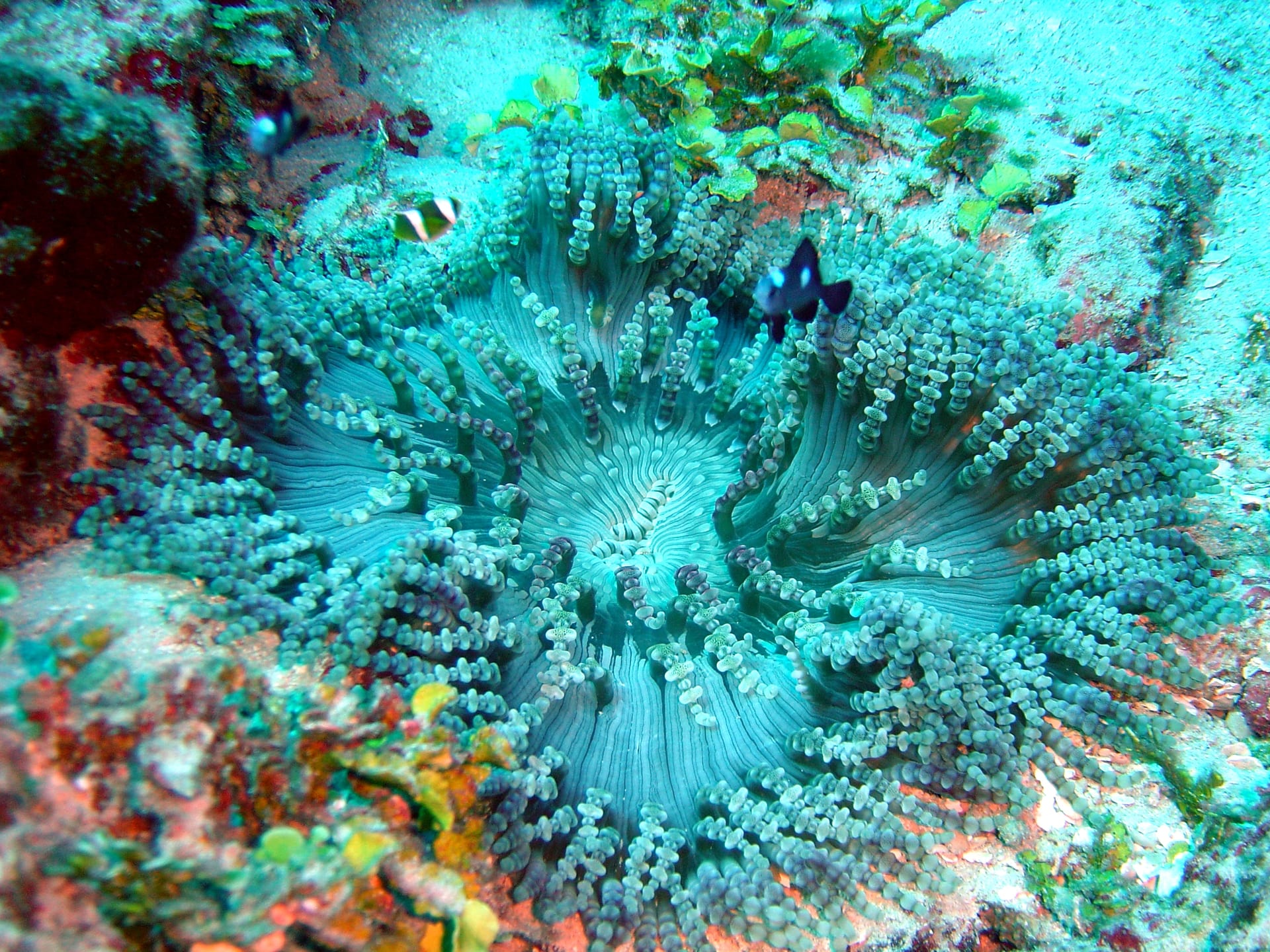
 © National Park Service - EE.UU. / Public domain
Beaded Sea Anemone
The Beaded Sea Anemone is known for its distinctive tentacles, each lined with round, bead-like swellings that give it a strung-necklace appearance — sometimes along just one side, sometimes almost all the way around, so no two individuals look quite alike. Its oral disc spreads out flat and can grow quite large, making it a striking centerpiece in a reef tank. That said, it demands strong lighting, steady water flow, and stable water quality, and its tendency to relocate along with its stinging tentacles calls for careful handling, making it a species best suited to experienced keepers ready to give it close attention.
View Beaded Sea Anemone encyclopedia →0% commission on your first sales!Register by September 30, 2026 and your first 2 sales are commission-free!
Breeder Wanted!
List on BreederDirect and sell directly to customers nationwide!
Br-Choku's 6 Transparency Standards
Our Breeder sellers disclose detailed care specs for all Coral listings. We prioritize Aquacultured/CB specimens, verify WYSIWYG photos, and provide difficulty ratings—avoiding wild-caught.
- Aquacultured
- WYSIWYG Photo
- Difficulty Disclosed
- Frag/Colony
- Care Info Included
- Trade name shown
Browse all 210 breeds
Difficulty
Verified breeders wanted for Coral
Breeders are signing up now ahead of launch. Subscribe to be notified when new listings go live.
Getting alerts is free with a member account. When new listings match your saved search, we'll notify you by email and in-app.
Browse other categories
Verified breeders (preview)
Beaded Sea Anemone key facts
- Care level
- Advanced
- Size
- Oral disc up to 250 mm, tentacles up to 50 mm
- Temperature
- 22〜26℃
- Diet
- Nutrition from symbiotic zooxanthellae, supplemented about once a week with meaty foods such as fish, shrimp and clam.
- Lighting
- It is a zooxanthellate anemone and does require illumination.
- Flow & Placement
- In the wild it chooses positions with strong currents. It attaches to a surface while keeping part of its body buried in sand or sediment, so it needs a layout offering both rock and a sand bed.
- Water Temperature & Quality
- Keep it within the care parameters LiveAquaria lists for anemones of this family: 22-26C and a specific gravity of 1.023-1.025.
- Feeding
- Besides photosynthesis, offer meaty foods such as fish, shrimp and clam. It withdraws into the substrate when disturbed, so watch its response while feeding.
- Notes
- This species is sometimes traded under the Japanese name of Entacmaea actinostoloides; its own standard Japanese name is juzudama-isoginchaku. It is not listed in the CITES Appendices.
About Beaded Sea Anemone
A sea anemone whose tentacles carry bead-like swellings, with an oral disc spreading up to 250mm. It requires strong lighting, flow, and stable water quality, best suited to experienced reef keepers.
7 things to know before welcoming a Beaded Sea Anemone
1Bead-like Tentacle Swellings
Its tentacles carry rows of round, bead-like swellings that give it a strung-necklace appearance. Some individuals show swellings along just one side, while others have them almost all the way around, so appearance varies from animal to animal. A single tentacle can carry up to around 20 of these swellings.
2Advanced-Level Care
This species needs strong lighting, ample water flow, and long-term stable water quality. It can decline quickly if conditions fluctuate, so it is best kept by hobbyists with prior experience keeping corals and marine fish.
3A Large, Flat Oral Disc
The oral disc spreads out flat and can reach up to about 250mm across. Tentacle length tops out at around 50mm, making the tentacles relatively short compared to the size of the disc.
4It May Relocate Itself
This anemone can slowly move around the tank using its pedal disc. If it does not like its spot, it will move on its own, so place it away from pump intakes and heat sources and check on its position regularly.
5Handle With Care, It Stings
Its tentacles carry stinging cells that can harm nearby corals or fish on contact. Give it plenty of space from other animals, and avoid touching it directly with bare hands when rearranging your layout.
6Provide Strong Light and Flow
It hosts photosynthetic zooxanthellae, so it needs consistent, strong lighting. Add water flow with a pump as well, so fresh water reaches all of its beaded tentacles.
7Prepare Your Tank First
Set up stable water quality, lighting, and flow before bringing one home. Decide on a settled spot in advance, and take your time with a gradual acclimation process.
Frequently asked questions about Beaded Sea Anemone
- Q.Is this anemone suitable for beginners?
- A.This species is considered suitable only for experienced keepers, so it is not recommended as a first anemone. It does best with hobbyists who already have coral and marine fish experience and can provide strong lighting, flow, and stable water quality.
- Q.How big does it grow?
- A.Its oral disc spreads out flat and can reach up to about 250mm across, with tentacles reaching up to around 50mm in length.
- Q.Do all individuals have the same beaded pattern?
- A.Appearance varies, some individuals have swellings along just one side of each tentacle, while others have them almost all the way around. A single tentacle can carry up to around 20 swellings.
- Q.Does it move around in the tank?
- A.Yes. It can slowly move using its pedal disc if it does not like its current spot. Keep it away from pump intakes and heat sources, and check its position periodically.
- Q.Can it be kept with other corals or fish?
- A.Its tentacles carry stinging cells that can damage nearby corals or fish on contact, so give it plenty of space in your tank layout.
Useful tools for Beaded Sea Anemone care
Learn more about Beaded Sea Anemone in the encyclopedia
View Beaded Sea Anemone encyclopedia entry →
Care difficulty, lifespan, size and diet — all basics covered.
More in this category
Can't find the one you're looking for?
Post your wishes for free and breeders with matching animals will contact you with introductions.