Source: Wikimedia Commons
Beaded Sea Anemone
AdvancedHeteractis aurora
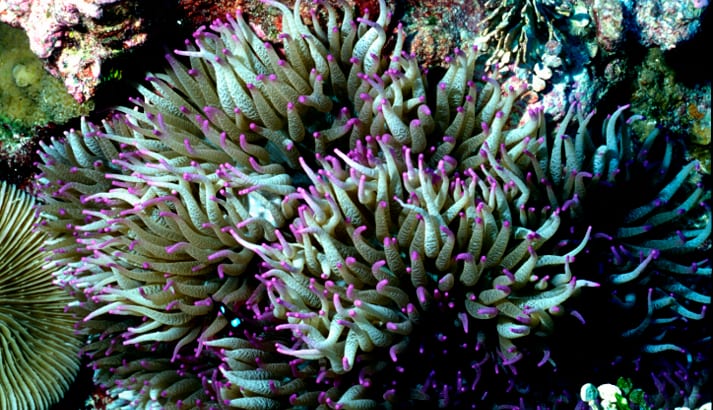
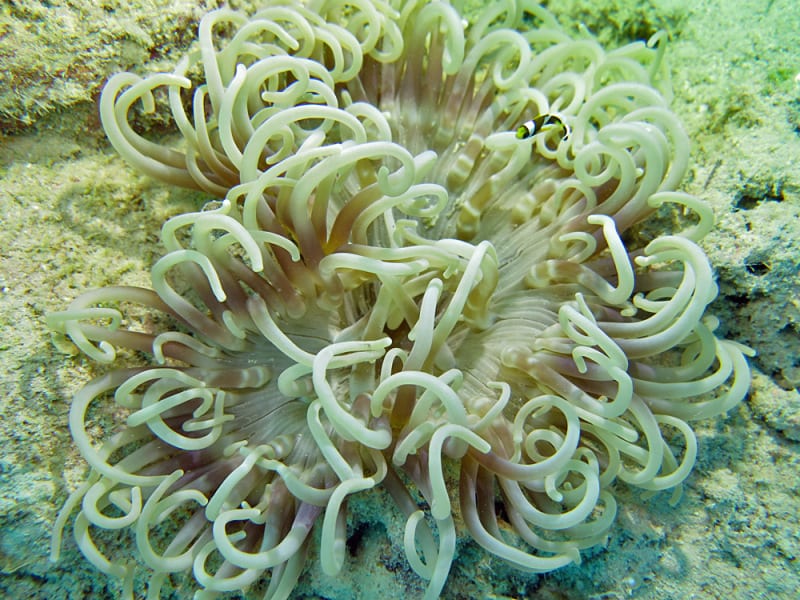
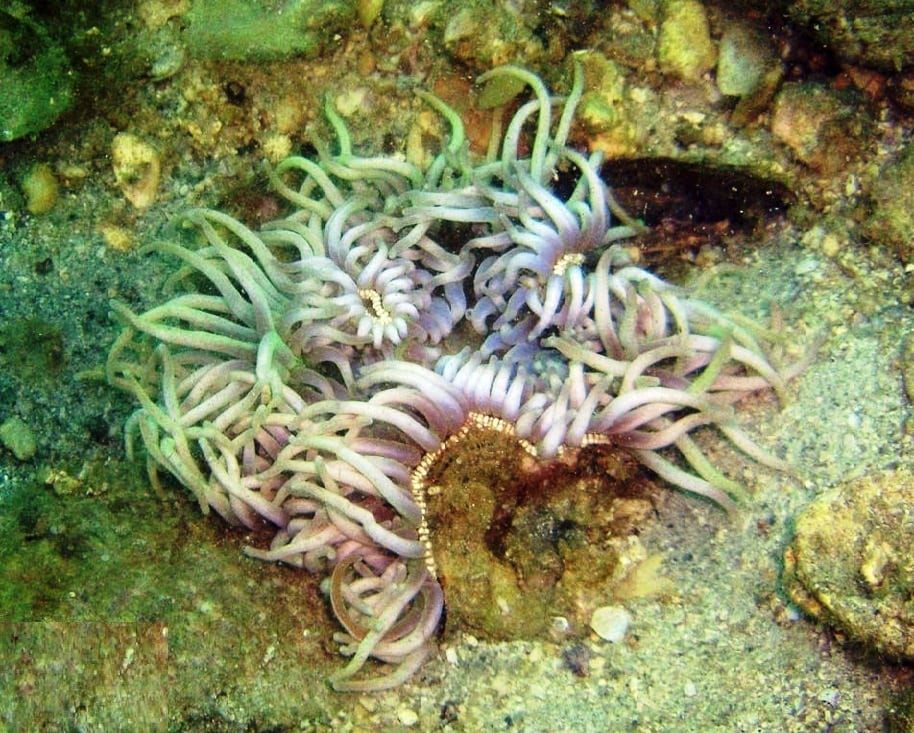
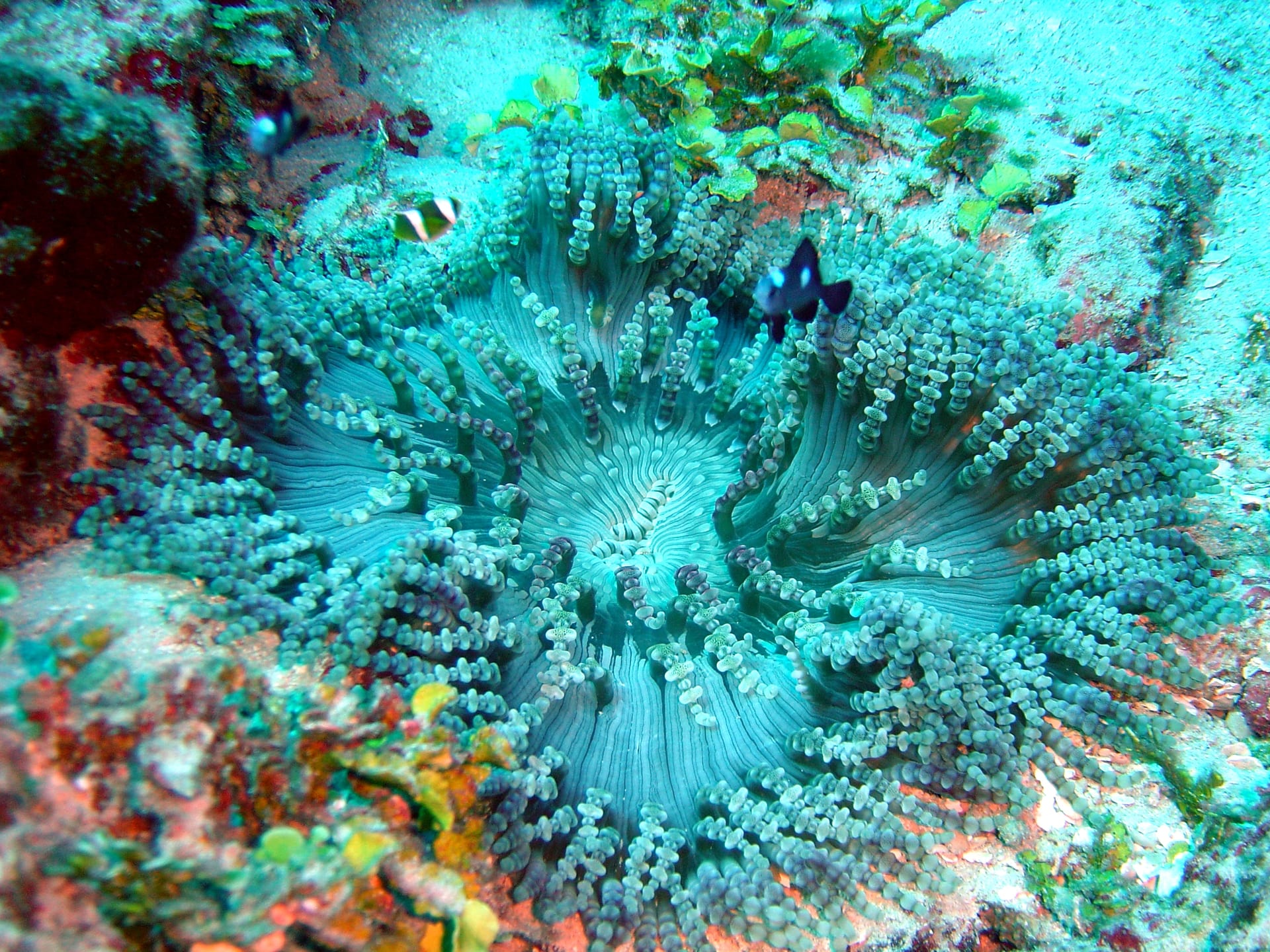
Swellings run along the tentacles, either on one side only or almost all the way round, giving the look of beads on a string; a single tentacle may carry up to 20. The broad flattened oral disc reaches 250 mm across.
Difficulty
Advanced
Temperature
22〜26℃
Size
Oral disc up to 250 mm, tentacles up to 50 mm
Diet
Nutrition from symbiotic zooxanthellae, supplemented about once a week with meaty foods such as fish, shrimp and clam.
About
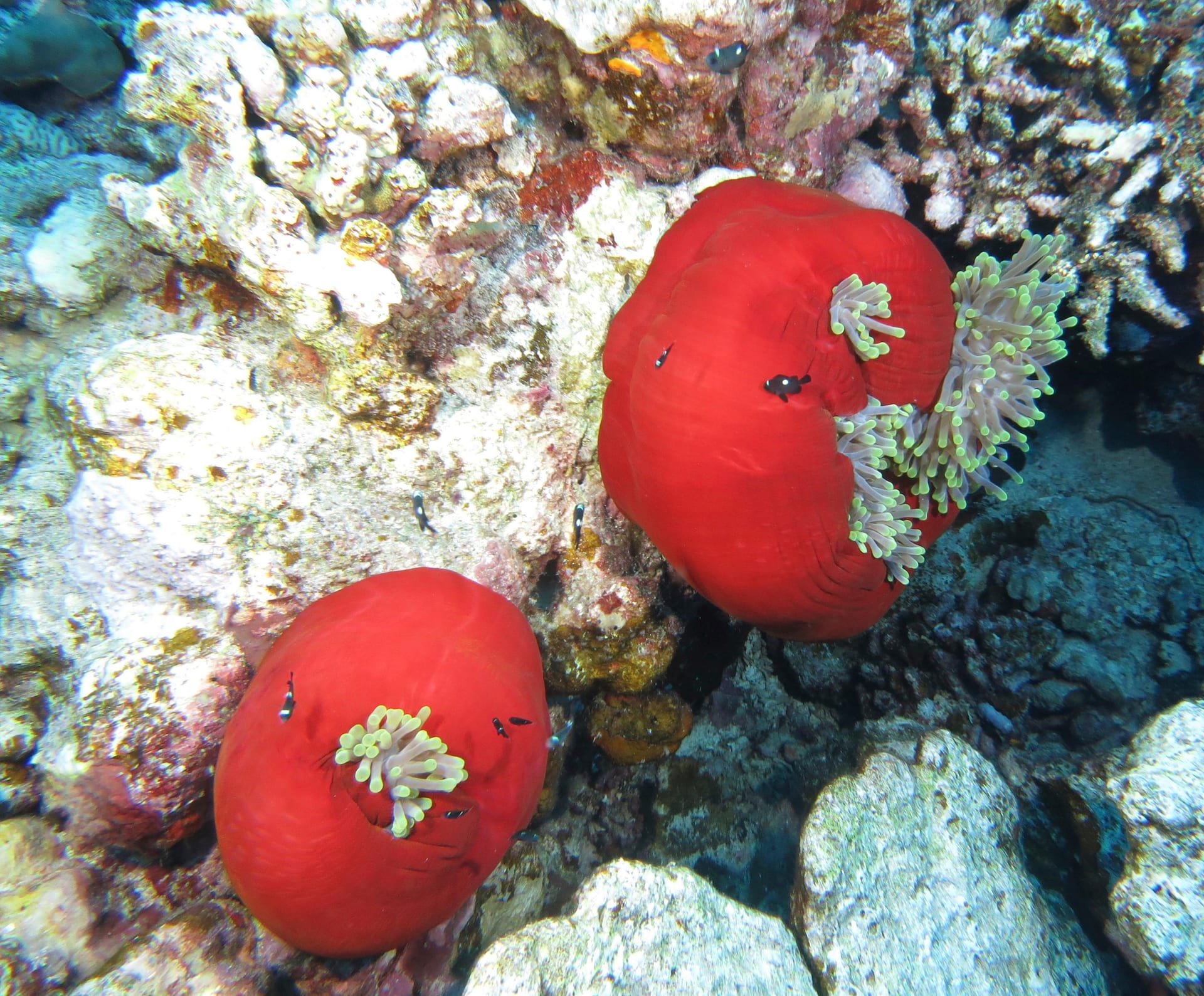
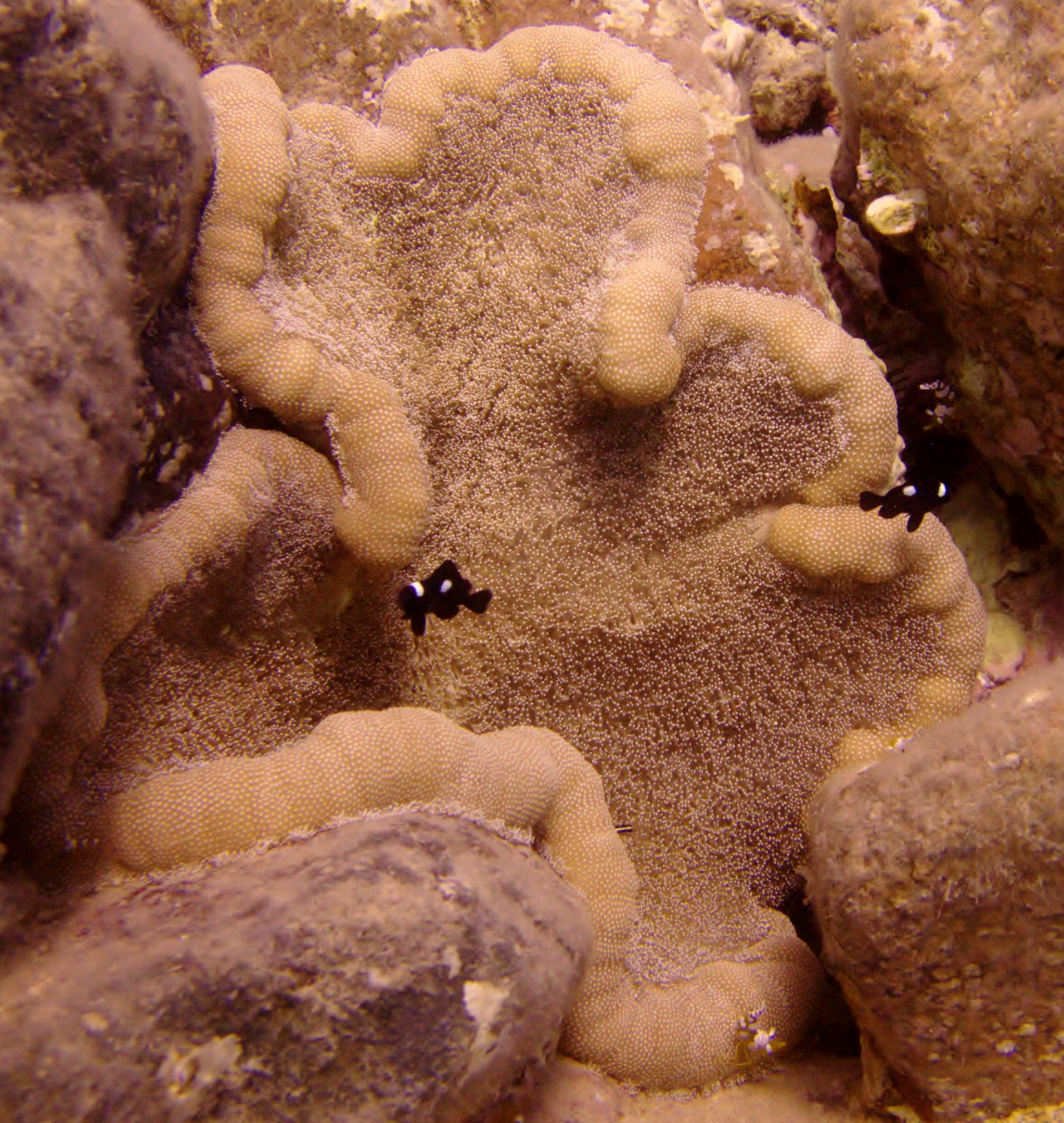
Heteractis aurora occurs from Micronesia and Melanesia to East Africa, the Red Sea, and from Australia to the Ryukyu Islands. It lives among coral and along rocky reef edges and slopes, normally where currents are strong. It attaches to a surface and remains partially buried in sediment or sand, withdrawing entirely into the substrate when threatened; SeaLifeBase records a depth range of 0-19 m. Both tentacles and oral disc are brown or purplish. The tentacles reach 50 mm, may be sticky to the touch and sometimes have magenta tips. The longer tentacles carry swellings on one side only or almost all the way round, giving the appearance of beads on a string, with up to 20 on a single tentacle. The broad flattened oral disc reaches 250 mm across and may show white or brown markings radiating from the centre and continuing along the tentacles. It hosts seven species of anemonefish.
Source: Wikipedia (CC BY-SA 4.0)
Size of the Beaded Sea Anemone
The Beaded Sea Anemone grows to Oral disc up to 250 mm, tentacles up to 50 mm.
Temperature & humidity for the Beaded Sea Anemone
The ideal temperature for the Beaded Sea Anemone is 22〜26℃.
Basic Info
Origin
Micronesia and Melanesia to East Africa, the Red Sea, and from Australia to the Ryukyu Islands
Size
Oral disc up to 250 mm, tentacles up to 50 mm
Temperature
22〜26℃
Care Specifications
- Water Temp.
- 22–26℃
- Specific Gravity
- 1.023–1.025
Flow: HighPlacement: Bottom
Sources: LiveAquaria (care parameters listed for its sea anemones) / SeaLifeBase
References & Sources
Edited & verified by: BreederDirect editorial team
The taxonomic, regulatory, and husbandry data on this page are compiled and verified against the authoritative primary sources below.
Taxonomy & Authority
Accepted name: Heteractis aurora (Quoy & Gaimard, 1833)
Synonyms: Actinia aurora Quoy & Gaimard, 1833, Phymanthus simplex Haddon & Shackleton, 1893, Radianthus koseirensis (Klunzinger, 1877)
Authority databases: WoRMS
Nomenclature follows global taxonomic authority databases.
Regulations & Conservation Status
Not CITES-listed
Sources: CITES Appendices (species not listed)
Regulations may change. Always verify the latest information with the relevant authorities.
Beaded Sea Anemone Listings
Loading latest listingsFind listings for this species