Clownfish & Anemone Symbiosis Tank — Species Pairing & Setup Guide | ブリちょく
Coral| ✍️ BreederDirect Editorial
Clownfish & Anemone Symbiosis Tank — Species Pairing & Setup Guide
Creating a clownfish-anemone symbiosis tank: species compatibility, tank size requirements, lighting, and preventing anemone wandering.
Key Takeaways
Creating a clownfish-anemone symbiosis tank: species compatibility, tank size requirements, lighting, and preventing anemone wandering.
The clownfish-anemone relationship represents one of reef aquariums' most fascinating natural partnerships. Properly establishing this symbiosis requires understanding anemone and clownfish biology, tank requirements, and management practices.
✍️
BreederDirect Editorial
The BreederDirect editorial team specializes in care information for animals, covering veterinary care and breeding to deliver beginner-friendly guides.
Find Coral on BreederDirect
Buy directly from verified breeders
Browse Related Listings
Find Coral listings related to this article on BreederDirect. Buy directly from verified breeders.
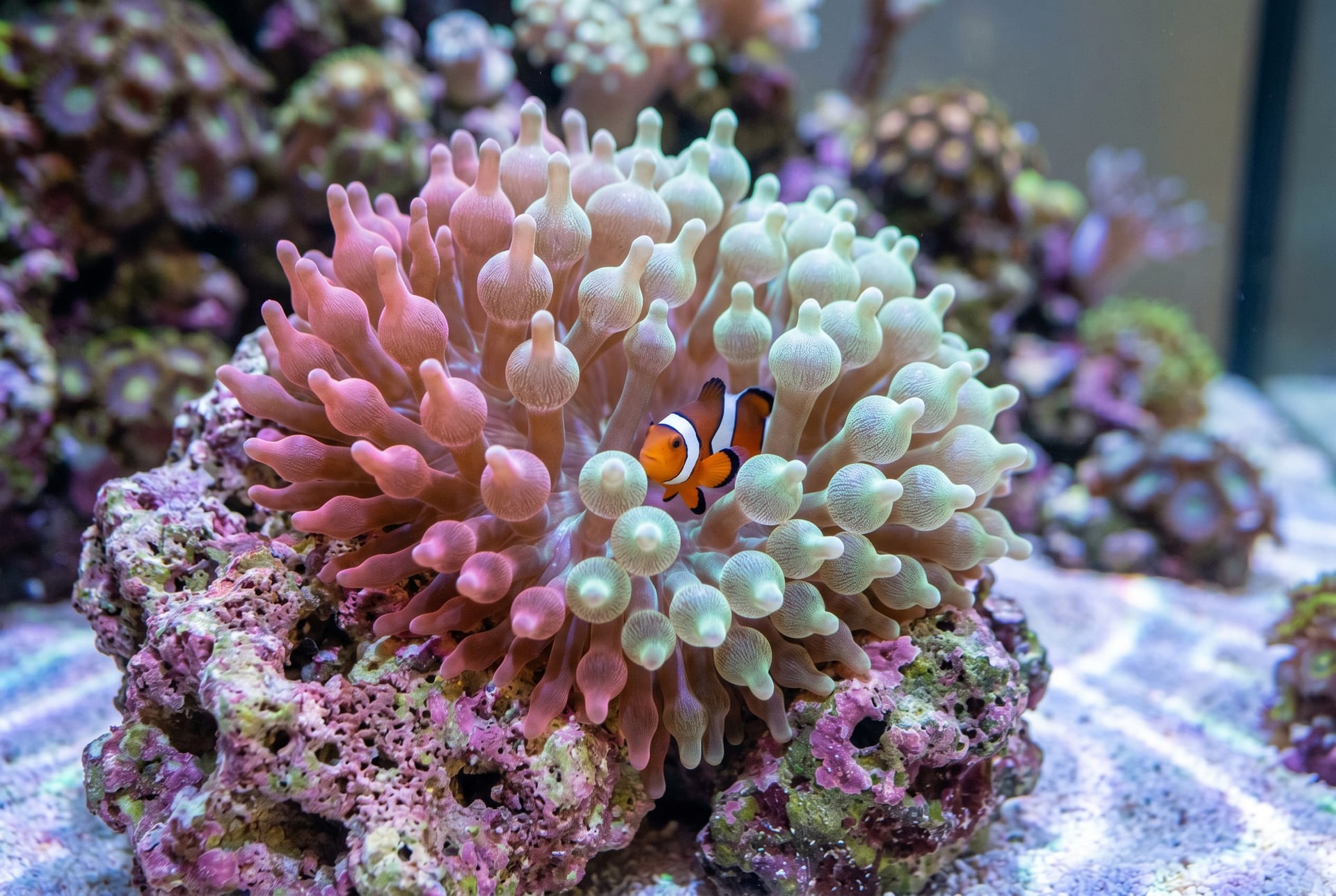
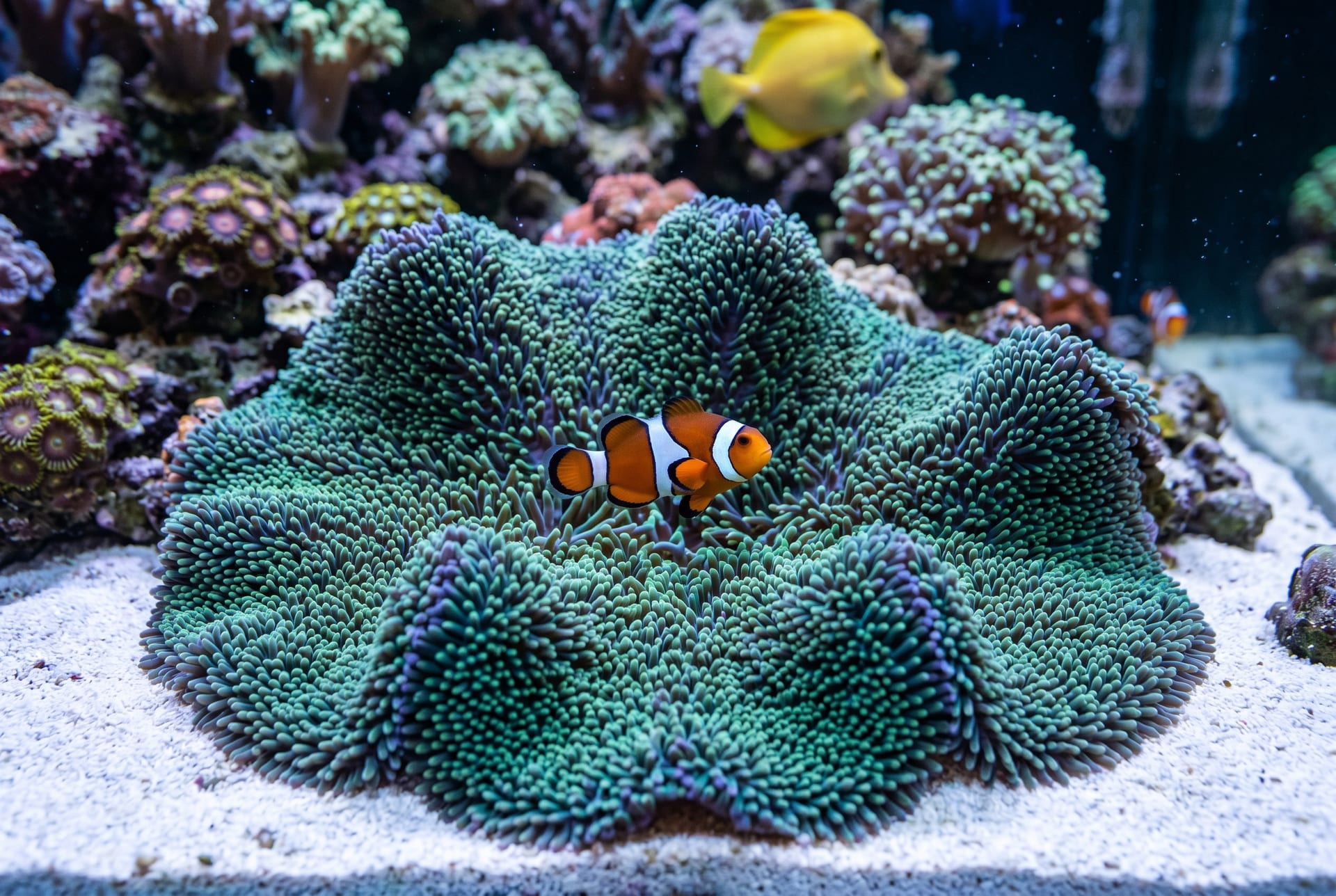
Clownfish (Amphiprion species) and anemones maintain a mutually beneficial relationship in nature. Clownfish gain shelter within anemone tentacles, safe from predators. In exchange, clownfish remove parasites and dead tissue, defend against predators, and improve water circulation around the anemone.
Important note: Not all clownfish naturally associate with anemones. The three-spot (Ocellaris), maroon, and pink skunk clownfish are most commonly anemone-associated in captivity.
Anemone Selection and Care
Best anemone species for beginners
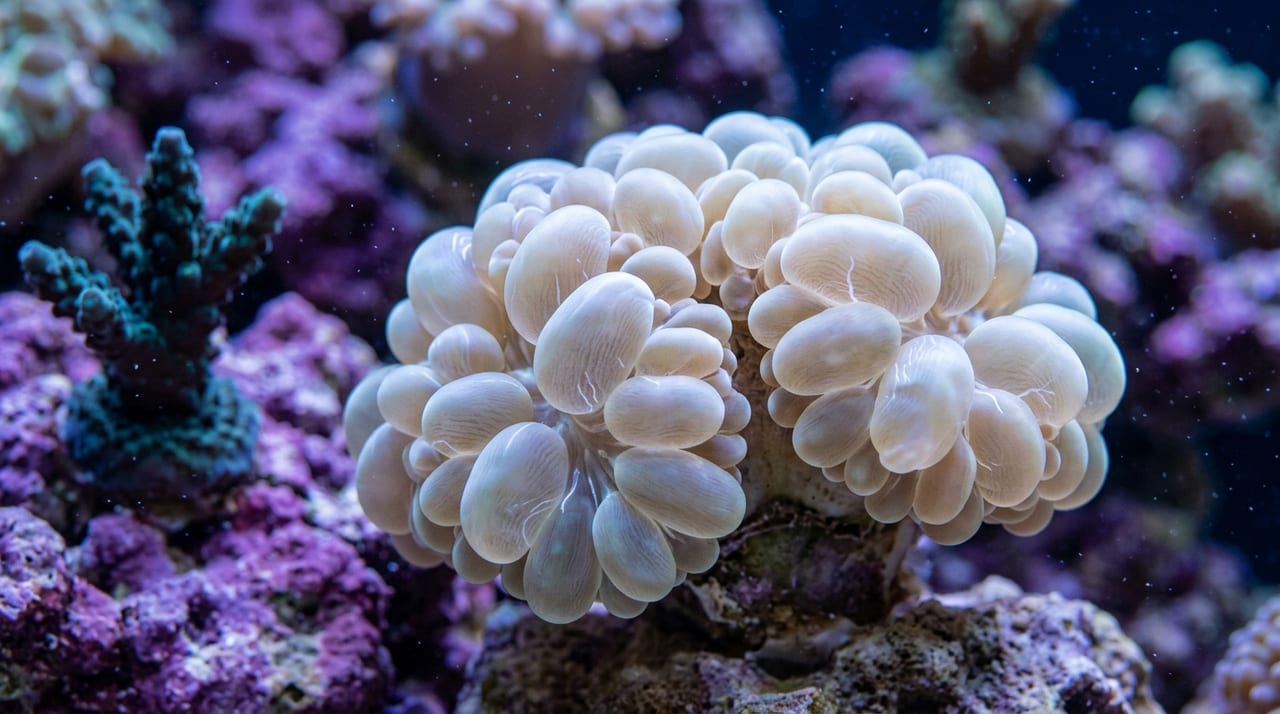
Bubble-tip anemone (Entacmaea quadricolor)
Most hardy and beginner-friendly. Tolerates varied lighting and feeding. Commonly associates with clownfish. Can reach 30cm diameter, requiring adequate space.
Long-tentacled anemone (Macrodactyla doreensis)
Beautiful flowing tentacles, slightly more demanding than bubble-tip. Requires strong water flow but not intense light. More expensive, less commonly available.
Condy anemone (Condylactis gigantea)
Large, colorful species. Hardier than other varieties. Less likely to host clownfish in captivity but extremely hardy.
Critical anemone care parameters
Lighting: Moderate to strong (200-400 μmol·m⁻²·s⁻¹ PAR). Anemones depend on light for symbiotic algae photosynthesis
Water flow: Moderate, not directly blasting. Anemones prefer gentle, meandering flow
Water quality: Excellent. Low nitrate (<20ppm) and phosphate (<0.5ppm)
Clownfish Selection
Compatible species with anemones
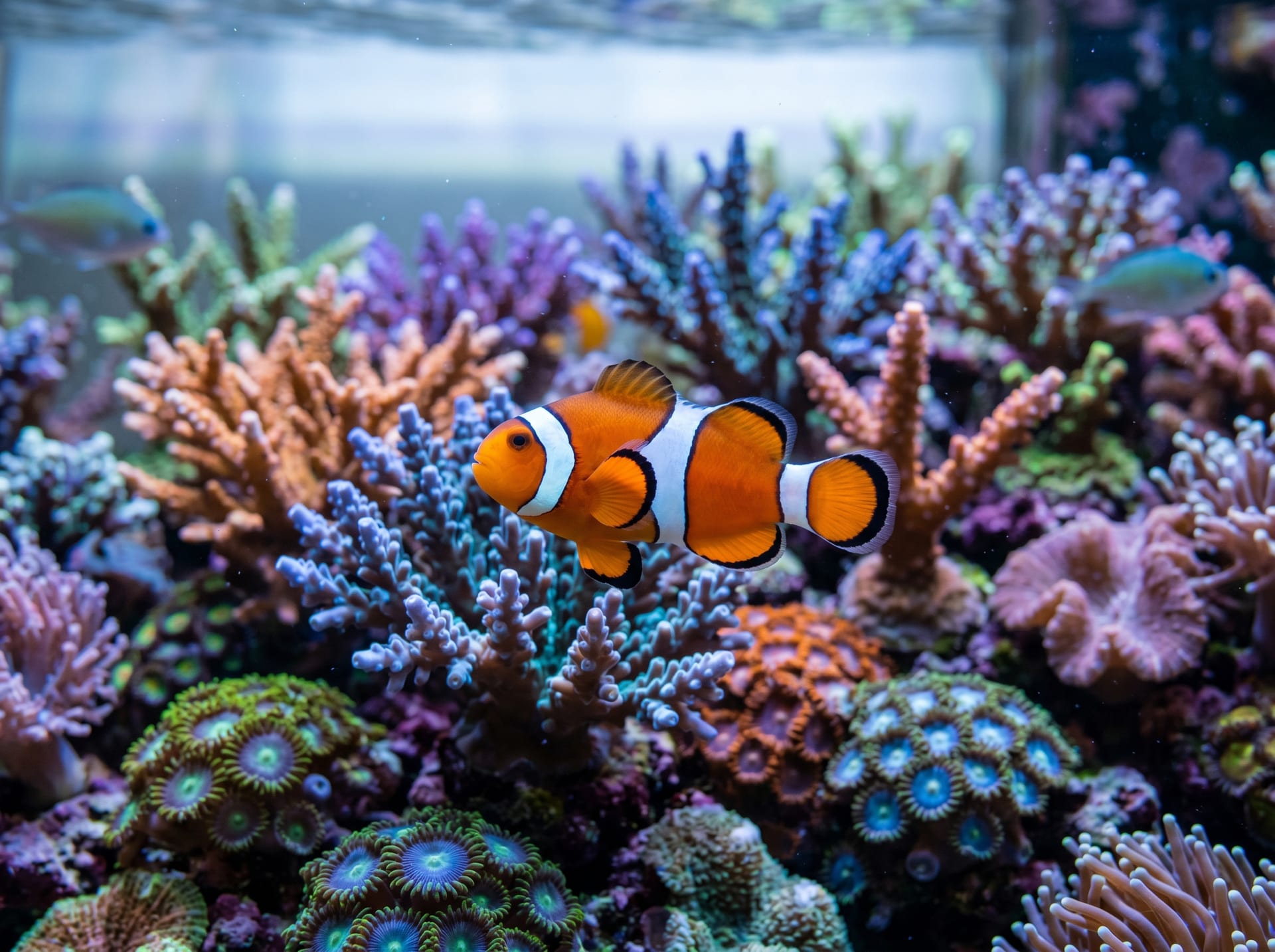
Ocellaris clownfish (false clownfish)
Most beginner-friendly. Small (10cm max), peaceful, readily host anemones. Orange with white bands. Relatively inexpensive.
Maroon clownfish (Premnas biaculeatus)
Larger, more aggressive. Excellent anemone association. Beautiful deep coloring. Requires larger tank than Ocellaris.
Pink skunk clownfish (Amphiprion perideraion)
Small, gentle. Beautiful pink and white coloring. Less commonly available. Good for smaller tanks.
Introducing clownfish to anemones
Acclimate the clownfish thoroughly to the tank first (days or weeks depending on source)
Position the anemone in established, stable conditions for 1+ weeks before introducing clownfish
Introduce the clownfish near the anemone. Don't force interaction—natural association develops over hours to days
Observe closely for the first week. Healthy associations show clownfish regularly sheltering in tentacles
Avoid disturbances during this bonding period; dim lighting helps clownfish feel secure
Anemone placement
- Position in well-lit area with moderate water flow
- Avoid direct powerhead blasting
- Provide rocky substrate and crevices where anemone can anchor
- Avoid crowding with other corals that might sting
Tankmate considerations
- Avoid aggressive fish or fish that prey on small fish
- Compatible: mild tangs, butterflyfish, goby species
- Incompatible: pufferfish, lionfish, large predatory fish
- Avoid aggressive corals near the anemone
Common Challenges and Solutions
Anemone relocation or wandering
Anemones sometimes move to unsuitable locations. Causes include poor water flow, insufficient light, or searching for better position. Solution: Improve lighting and flow to encourage stability.
Clownfish not hosting
While some clownfish readily host, others take weeks or months. Patience is required. Ensure anemone health and avoid stressing clownfish.
Anemone decay
Indicators: Retracted tentacles, pale coloring, detachment from substrate. Usually from poor water quality or insufficient light. Solutions: Water quality testing, lighting evaluation, possible feeding.
Disease issues
Clownfish may carry parasites transferable to anemones. Quarantine new fish before introduction. Monitor for white spots, excessive scratching, or behavioral changes.
Feeding and Long-Term Care
Anemone feeding
While anemones capture small fish and shrimp in nature, supplemental feeding in captivity is often necessary. Offer small pieces of thawed seafood (shrimp, fish) 1-2 times weekly. Place food directly in tentacles using forceps.
Clownfish feeding
Clownfish are omnivores. Provide varied diet: commercial pellets, frozen foods (mysis shrimp, brine shrimp), and occasional vegetable matter. Feed small amounts daily, removing uneaten food after minutes.
Long-term stability
Success requires maintaining stable parameters:
- Weekly water changes (20-30%)
- Monthly test calcium, alkalinity, magnesium
- Regular algae and detritus removal
- Consistent lighting schedule
When to Separate Clownfish and Anemones
Some situations require separation:
- Anemone moving excessively: Hosting relationship indicates stress
- Clownfish injury: If anemone stings too severely
- Tank upgrade: Moving to larger system may temporarily require separation
- Breeding preparations: Some keepers separate for breeding projects
Always ensure both species have appropriate homes even if separated.
Consulting on Setup at Bri-Choku
Bri-Choku offers both clownfish and anemones selected specifically for beginner success. Direct consultation with experienced breeders guides proper setup, ensuring successful, long-lasting partnerships. Create your perfect clownfish-anemone pairing with Bri-Choku guidance.