Learn how to care for rare non-photosynthetic NPS corals such as cup corals, tube corals, and sea squirts. We explain why low light is necessary, types and frequency of feeding, water flow settings, and common beginner mistakes in detailed beginner-friendly guidance.
Key Takeaways
Learn how to care for rare non-photosynthetic NPS corals such as cup corals, tube corals, and sea squirts. We explain why low light is necessary, types and frequency of feeding, water flow settings, and common beginner mistakes in detailed beginner-friendly guidance.
What are NPS Corals?
NPS (Non-Photosynthetic Corals) are a group of corals that lack symbiotic zooxanthellae and do not obtain energy through photosynthesis. Unlike conventional reef tanks, powerful LED lighting is not necessary—in fact, strong light is harmful as it promotes algae growth, which can cover tissue and lead to death. Since all energy must come from direct feeding, the difficulty level is clearly higher than caring for photosynthetic corals, and daily management practices are literally a matter of life and death.
✍️
BreederDirect Editorial
The BreederDirect editorial team specializes in care information for animals, covering veterinary care and breeding to deliver beginner-friendly guides.
Find Coral on BreederDirect
Buy directly from verified breeders
Browse Related Listings
Find Coral listings related to this article on BreederDirect. Buy directly from verified breeders.
Representative NPS coral species include the following:
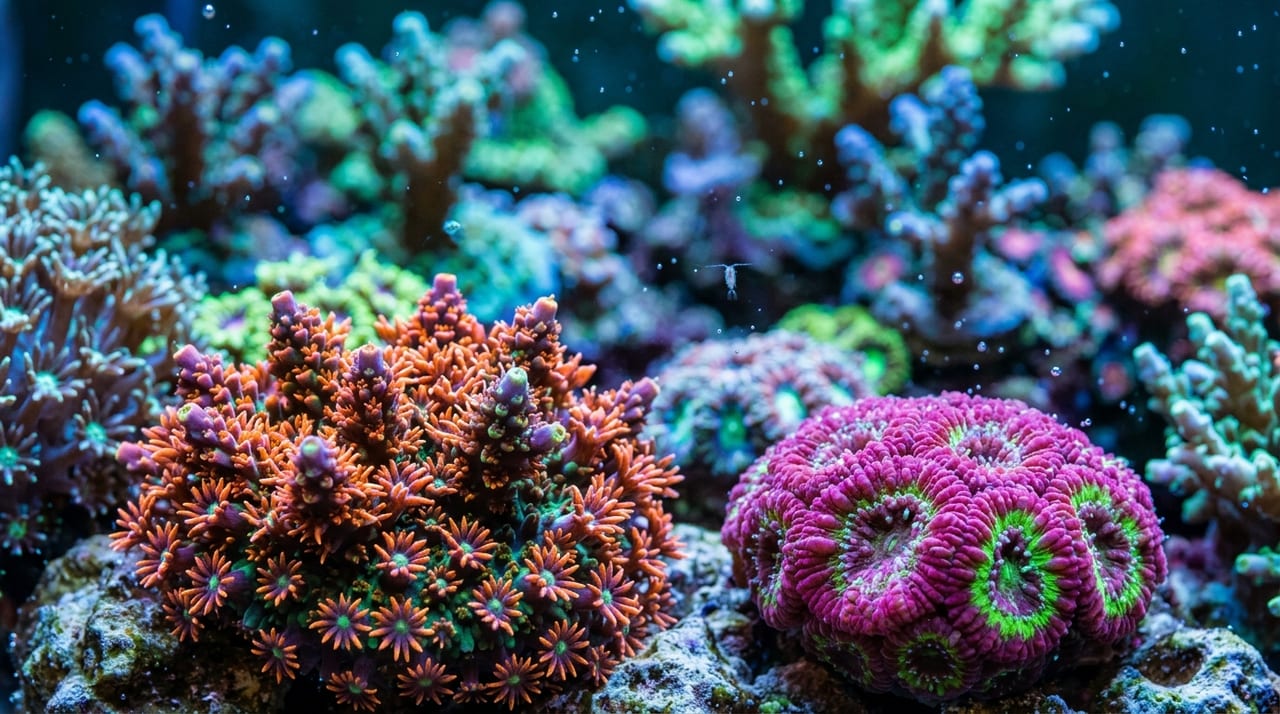
Cup Corals (Dendrophyllia / Tubastraea): Orange, yellow, or black polyps extend from rock surfaces in a flower-like manner, creating a striking visual presence. They are relatively common in the hobby and popular as an entry-level NPS species.
Tube Corals (Coenosmilia): Characterized by thin tube-like skeletons that spread in colonies. They are relatively easy to maintain in stable water flow environments.
Flower Pot Corals (Simplastrea, etc.): Comparatively stable in low-light environments, making them a good choice when first attempting NPS keeping.
Soft Corals/Gorgonians: Technically not true corals but anthozoans; however, their care methods share many similarities with NPS corals, requiring the same feeding, light reduction, and water flow management.
In addition to these, sponges and certain sea squirts may also be managed using NPS-like husbandry approaches.
Why Low Light & Shaded Environments are Necessary
NPS corals inhabit deep, dimly lit rocky walls, caves, and overhangs below 50 meters depth in nature, where little light reaches. When exposed to strong lighting in the aquarium, the following problems occur:
Algae (cyanobacteria, filamentous algae) attach and proliferate on polyps and skeleton
Attached algae physically block polyps and interfere with feeding
Polyps eventually shrink and die
Tank placement should follow the rule: "avoid direct lighting." Practical locations include the back of live rock, underneath overhangs, shaded side areas of the tank, or dark sections of the sump. If you must place them in a standard reef tank, intentionally create shaded spots with rock formations. As a light guideline, maintain PAR values of around 20–50 at maximum.
Types, Methods & Frequency of Feeding
The core of NPS coral keeping is feeding management. Without proper feeding, they will weaken and die within weeks to a month—there is no room for compromise.
Suitable Food Types
Food Type
Characteristics
Frozen Brine Shrimp (thawed)
Best polyp response; ideal as a primary feeding food
Frozen Copepods
Small particle size; suitable for a wide range of species including cup corals
LPS Pellets, Liquid Plankton Food
Dissolve in water and feed; useful as a supplement when direct feeding is difficult
Rotifers, Phytoplankton
Effective for small NPS and soft corals that prefer fine particles
White Shrimp, Daphnia
Used as supplemental feeding for large-polyp cup corals
Feeding Method
Using a dropper or syringe, feed directly when polyps are open. If polyps are closed, directing water flow toward them can stimulate opening. During feeding, pause or reduce the main pump so food reaches polyps directly rather than dispersing. Return the pump to normal flow after 5–10 minutes as a standard practice.
Feeding Frequency
Once or twice daily is ideal. Feeding every other day allows survival, but growth rate and coloration are noticeably reduced compared to daily feeding. Be careful not to overfeed, as this degrades water quality. Running the protein skimmer at maximum capacity within an hour after feeding is an effective countermeasure.
Water flow should be "moderately strong with indirect turbulent currents." In nature, the cliffs and caves where NPS corals live are environments with constantly circulating fresh seawater. Weak flow prevents food from reaching polyps and allows mucus and detritus to accumulate, promoting bacterial growth. Conversely, direct strong flow physically damages polyps. Using multiple power heads to create turbulent flow throughout the tank is recommended.
A protein skimmer is essential equipment. NPS tanks have high organic loads from increased feeding, so choose a model with excess processing capacity.
Common Mistakes & Solutions
Polyps won't open at all
This is almost always due to excessive lighting, insufficient flow, high nitrate levels, or inadequate feeding frequency. First measure the light intensity at the coral's location, perform a water change if nitrate exceeds 10 ppm.
Polyps initially opened but gradually stopped
Nutritional depletion from insufficient feeding is the most common cause. Increasing feeding frequency and switching to frozen brine shrimp as the primary food often improves polyp response.
Algae is covering the polyps
This is evidence that lighting is too strong. Prioritize moving to a shaded area; shortening photoperiod alone is usually insufficient. For algae already attached, attempt removal with a soft brush.
Water quality deteriorates rapidly
The skimmer and filtration capacity cannot keep up with the feeding load. Combine enhanced skimmer operation immediately after feeding with weekly water changes (10–15% of total volume, 1–2 times per week).
The Appeal of NPS Coral Keeping & Mindset
NPS corals certainly require effort. However, their unique colors and forms differ from photosynthetic corals, and the active husbandry experience of "raising through direct feeding" delivers a satisfaction unattainable with other corals.
Experienced reef keepers are drawn to NPS precisely because of the depth of management involved. Freed from dependence on lighting, the challenge lies in precisely controlling three elements—feeding, flow, and water quality—creating a strong sense of "actively raising a living organism."
Starting with a single cup coral (Tubastraea) colony and establishing a consistent daily feeding routine is the path to success. Under proper care, NPS corals will maintain vibrant open polyps over the long term, remaining a uniquely striking presence in your tank.