Source: Wikimedia Commons
Sebae Anemone
AdvancedRadianthus crispa
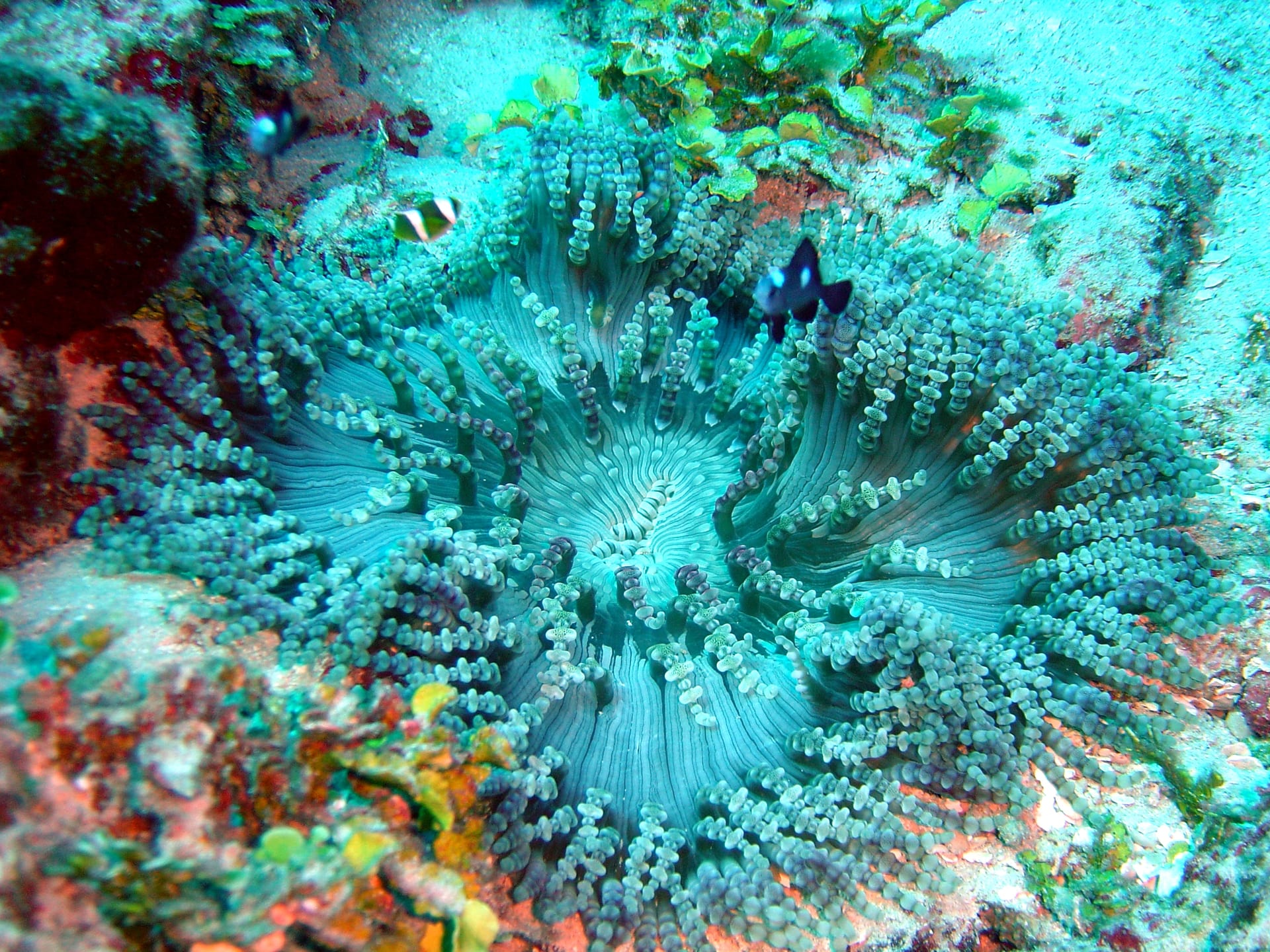
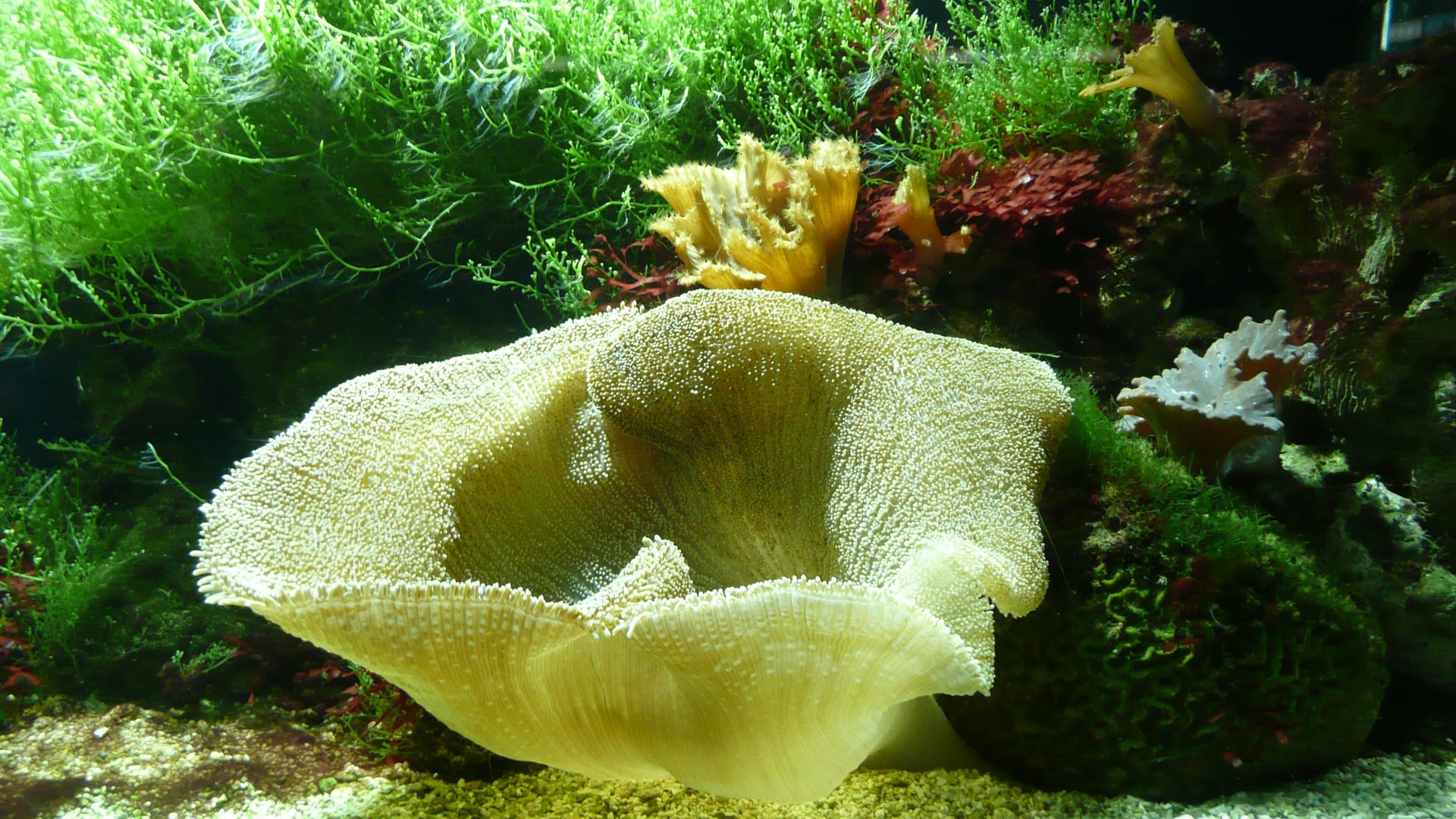
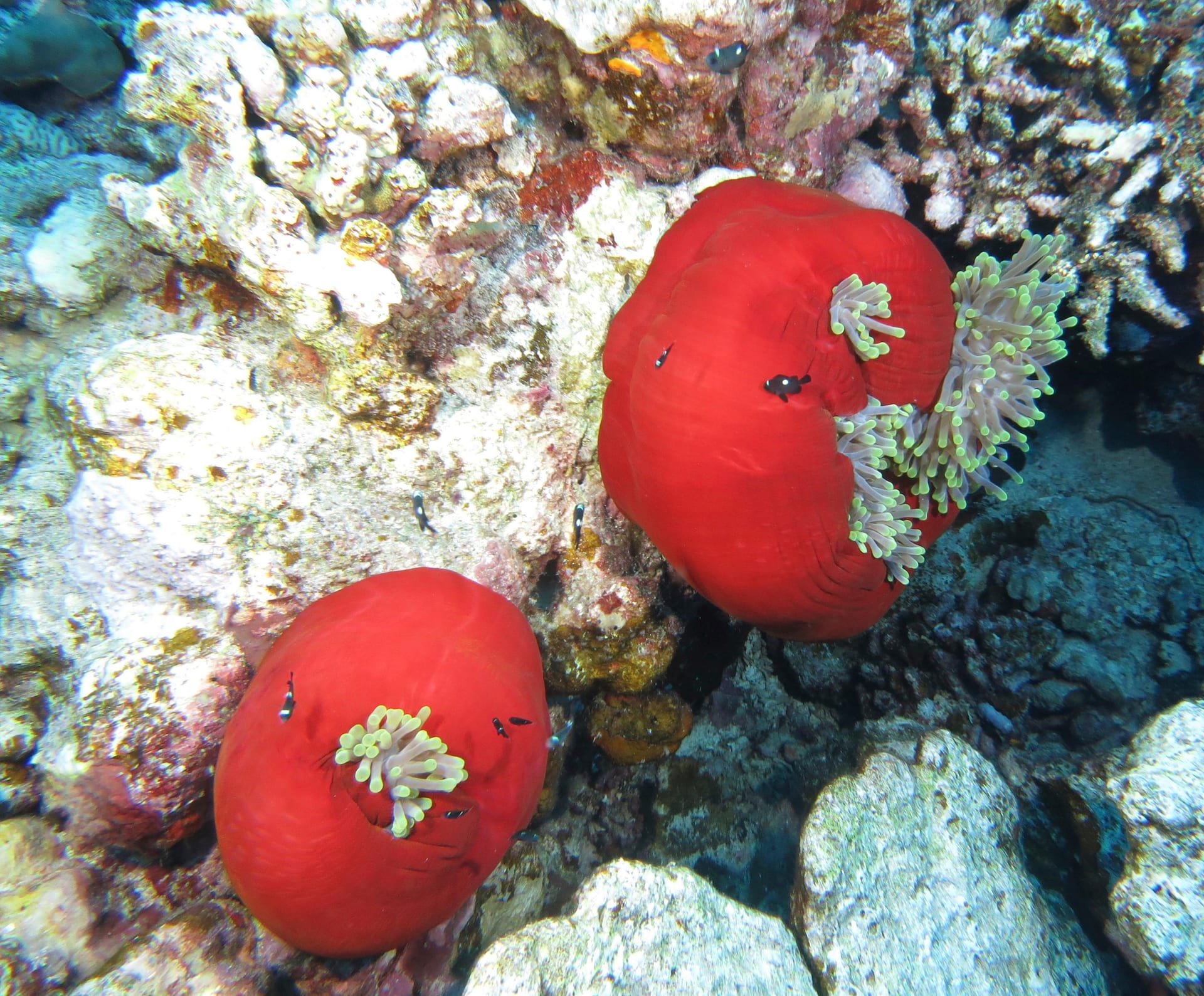
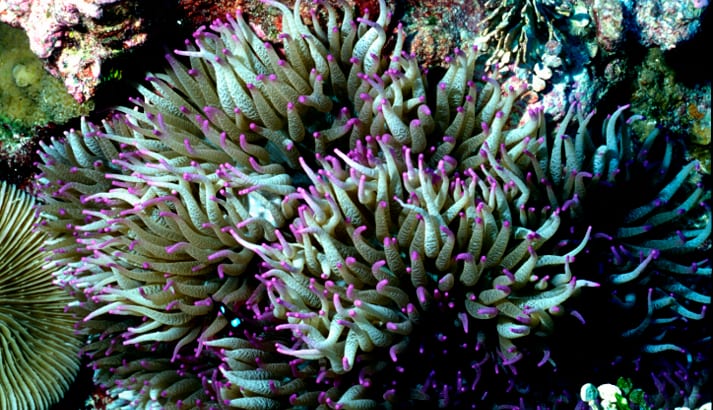
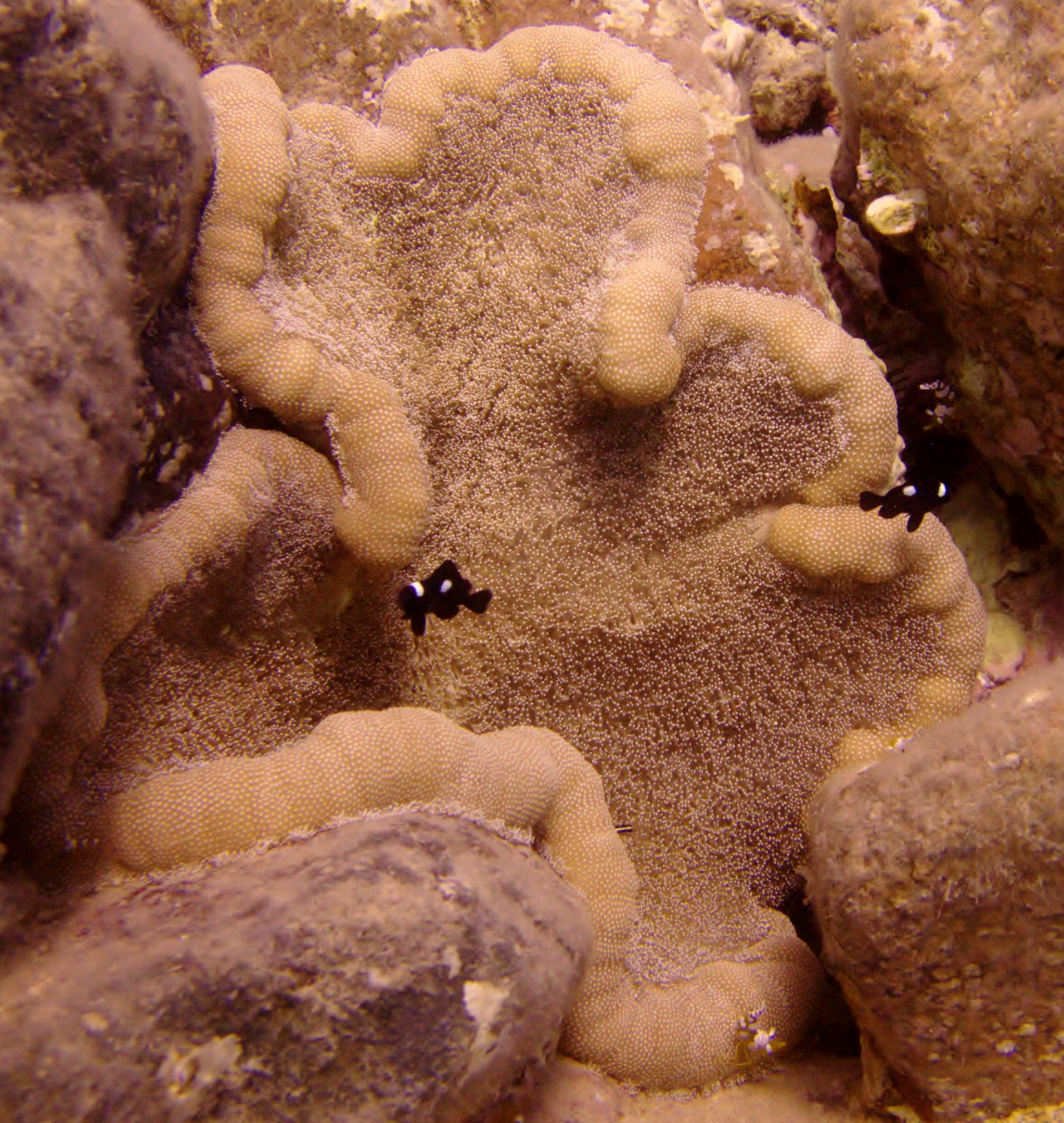
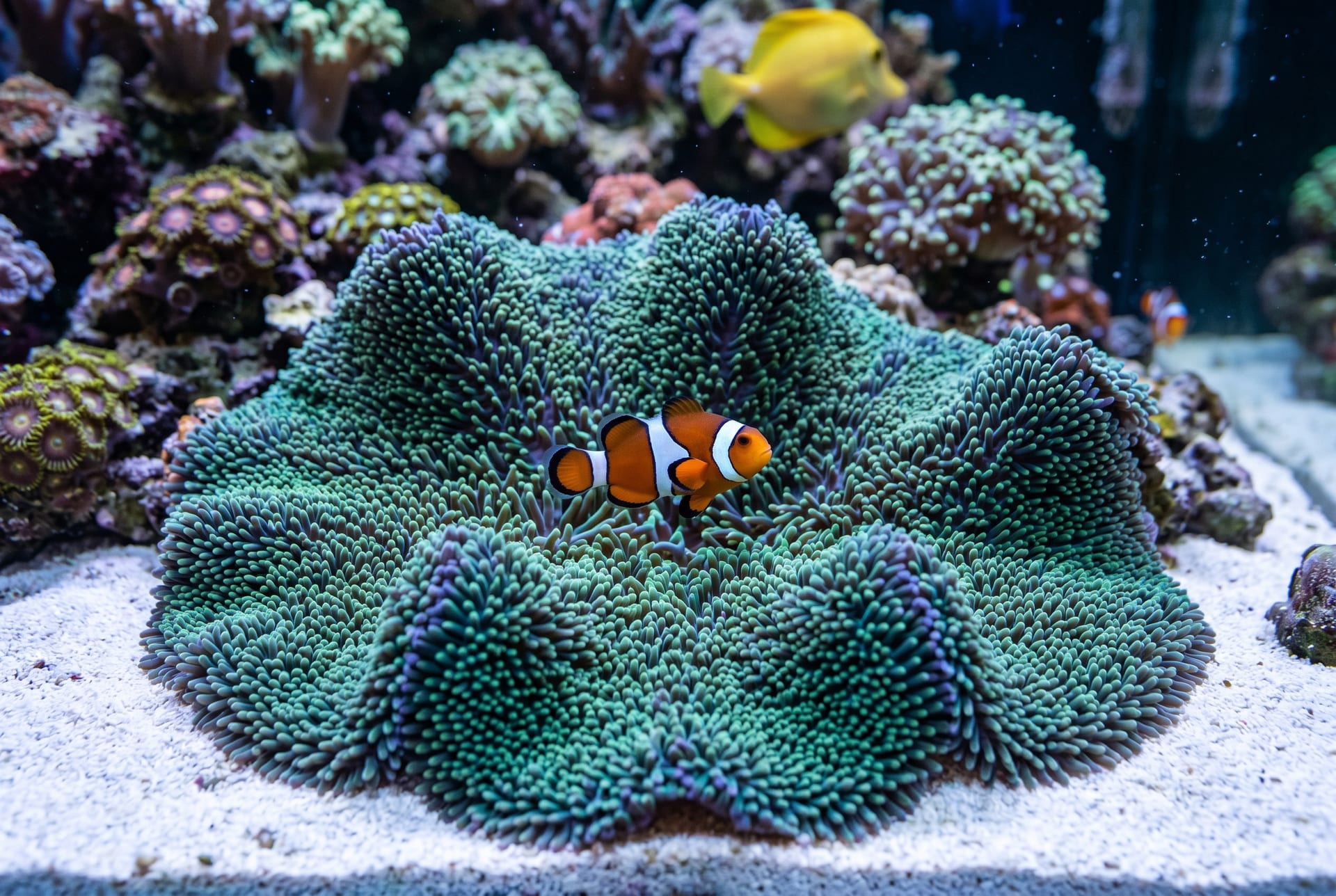
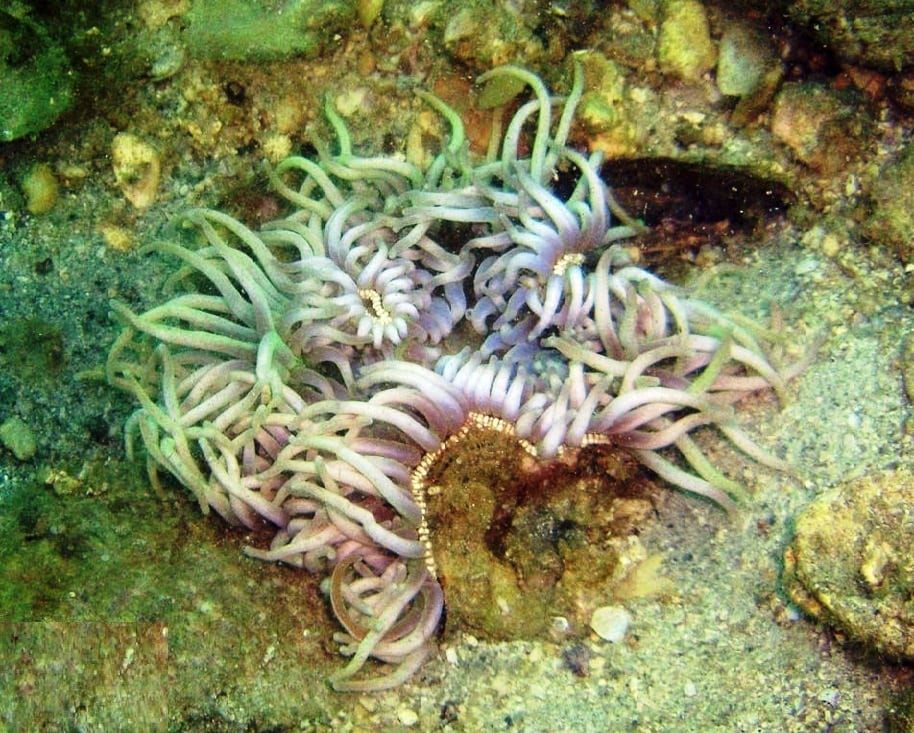
The oral disc flares to 20-50 cm and carries many long tentacles of 10-15 cm with rounded tips, often marked with a purple or blue spot. The grey column is dotted with sticky whitish warts.
Difficulty
Advanced
Temperature
22〜26℃
Size
Oral disc 20-50 cm, tentacles 10-15 cm
Diet
Nutrition from symbiotic zooxanthellae, supplemented about once a week with meaty foods such as fish, shrimp and clam.
About
Radianthus crispa was described in 1834 by Hemprich and Ehrenberg as Actinia crispa. It is widespread across the tropical and subtropical Indo-Pacific, from the east coast of Africa including the Red Sea to Polynesia and from southern Japan to Australia and New Caledonia. It prefers hard substrate lightly covered with sand but will also cling to branching corals, from the surface down to 40 m. The flared oral disc reaches 20-50 cm and carries many tentacles 10-15 cm long, arranged in concentric circles in multiples of six, with rounded tips often marked by a purple or blue spot. The grey column is dotted with sticky whitish warts. It feeds both by photosynthesis and by capturing prey. Hosting 15 species of anemonefish it is highly generalist, and in the Red Sea it is regarded as a nursery anemone, since sexually mature fish are rarely found in it.
Source: Wikipedia (CC BY-SA 4.0)
Size of the Sebae Anemone
The Sebae Anemone grows to Oral disc 20-50 cm, tentacles 10-15 cm.
Temperature & humidity for the Sebae Anemone
The ideal temperature for the Sebae Anemone is 22〜26℃.
Basic Info
Origin
Tropical and subtropical Indo-Pacific, from the east coast of Africa including the Red Sea to Polynesia, and from southern Japan to Australia and New Caledonia
Size
Oral disc 20-50 cm, tentacles 10-15 cm
Temperature
22〜26℃
Care Specifications
- Water Temp.
- 22–26℃
- Specific Gravity
- 1.023–1.025
Light: High (PAR>150)Flow: MediumPlacement: Bottom
Sources: LiveAquaria (Sebae Anemone) / SeaLifeBase
References & Sources
Edited & verified by: BreederDirect editorial team
The taxonomic, regulatory, and husbandry data on this page are compiled and verified against the authoritative primary sources below.
Taxonomy & Authority
Accepted name: Radianthus crispa (Hemprich & Ehrenberg in Ehrenberg, 1834)
Synonyms: Heteractis crispa (Hemprich & Ehrenberg in Ehrenberg, 1834), Actinia crispa Hemprich & Ehrenberg in Ehrenberg, 1834, Antheopsis crispa (Ehrenberg, 1834)
Authority databases: WoRMS
Nomenclature follows global taxonomic authority databases.
Regulations & Conservation Status
Not CITES-listed
Sources: CITES Appendices (species not listed)
Regulations may change. Always verify the latest information with the relevant authorities.
Sebae Anemone Listings
Loading latest listingsFind listings for this species