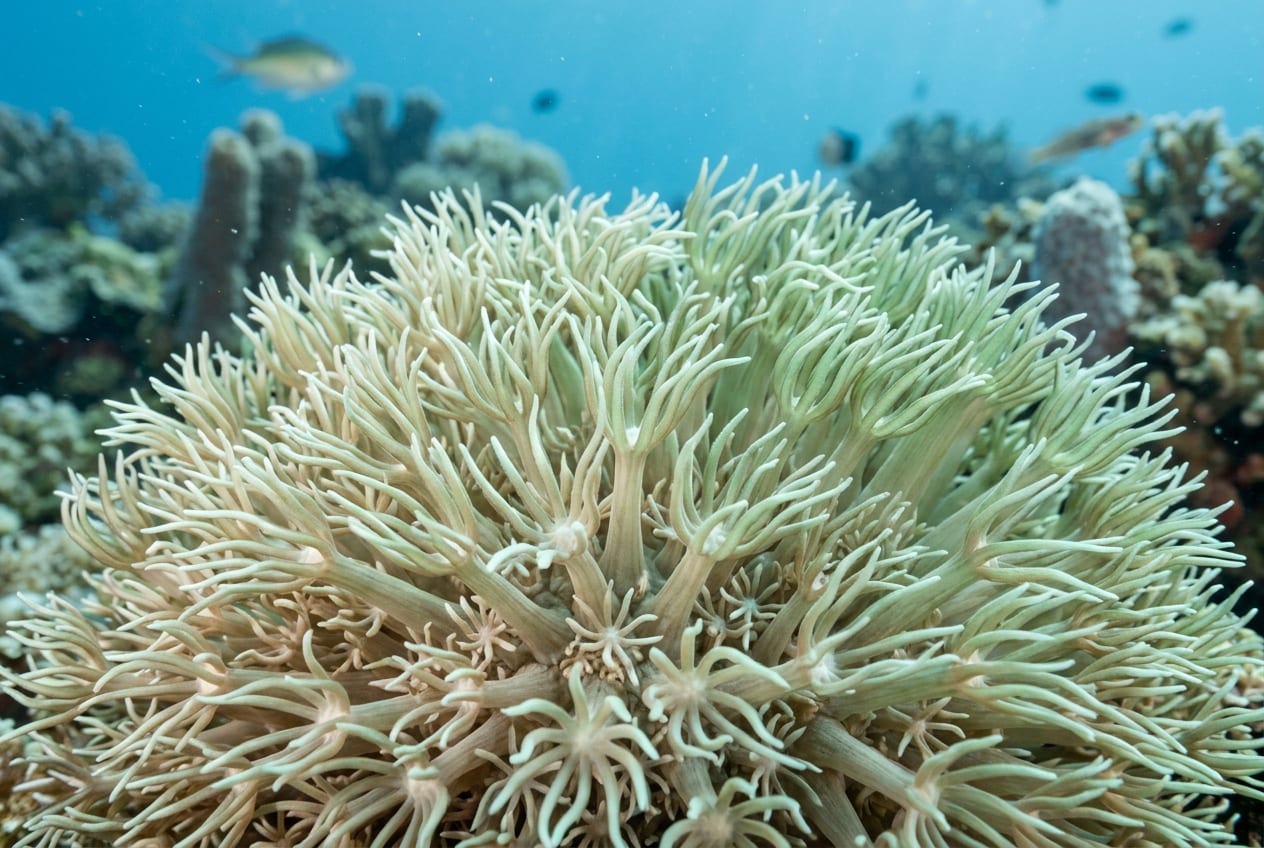
Alveopora Japonica
Alveopora japonica is a stony coral in the genus Alveopora, first described in 1965 from specimens collected in Japan. Each polyp carries twelve tentacles that spread out to fully conceal the underlying skeleton when open, giving the colony a soft, fluffy appearance. Most records come from temperate waters in Japan and Korea, setting it apart from many tropical corals in terms of preferred conditions. That said, it is considered a species suited to experienced keepers, requiring careful attention to water quality and lighting. It's a rewarding choice for hobbyists who enjoy watching a colony develop gradually over time.
View Alveopora Japonica encyclopedia →Breeder Wanted!
List on BreederDirect and sell directly to customers nationwide!
BreederDirect's 6 Transparency Commitments
Our Breeder sellers disclose detailed care specs for all Coral listings. We prioritize Aquacultured/CB specimens, verify WYSIWYG photos, and provide difficulty ratings—avoiding wild-caught.
- Aquacultured
- WYSIWYG Photo
- Difficulty Disclosed
- Frag/Colony
- Care Info Included
- Trade name shown
Browse all 241 breeds
Difficulty
Verified breeders wanted for Coral
Breeders are signing up now ahead of launch. Subscribe to be notified when new listings go live.
Getting alerts is free with a member account. When new listings match your saved search, we'll notify you by email and in-app.
Browse other categories
Verified breeders (preview)
Alveopora Japonica key facts
- Care level
- Advanced
- Size
- Colonies to around 10-20 cm across
- Temperature
- 24〜26℃
- Diet
- Nutrition from symbiotic zooxanthellae, supplemented with fine zooplankton foods and phytoplankton.
- Lighting
- LiveAquaria gives moderate lighting for Alveopora. Strong light stops the polyps extending, so place it low down where the light is gentle.
- Flow & Placement
- LiveAquaria calls for low flow and bottom placement. A direct stream makes the polyps contract, so keep the flow indirect and gentle.
- Water Temperature & Quality
- Water 24-26C, specific gravity 1.023-1.025, salinity 33-35 ppt, KH 8-12. Although most records come from temperate waters, a steady temperature matters most in the aquarium.
- Feeding
- Zooxanthellae alone tend not to sustain it. Feeding fine zooplankton foods and phytoplankton a few times a week keeps polyp extension consistent.
- Notes
- Twelve tentacles per polyp distinguish Alveopora from Goniopora. It is among the harder corals to keep long term. As a scleractinian it is on CITES Appendix II and international trade requires permits.
About Alveopora Japonica
Alveopora japonica is a stony coral with twelve-tentacled polyps, mainly recorded in temperate waters of Japan and Korea. It's considered suited to experienced keepers.
7 things to know before welcoming a Alveopora Japonica
1Temperate origin, temperature care
Since most records come from temperate waters in Japan and Korea, this species may call for a different temperature range than typical tropical corals. Check your system's temperature settings before adding it.
2Suited to experienced keepers
This species is considered suited to experienced keepers. It's best kept by those with a solid background in managing water quality, lighting, and flow.
3Polyps conceal the skeleton
Each polyp has twelve tentacles that spread wide enough to almost completely hide the skeleton when open. The contrast between the open and closed states is part of the appeal of observing this coral.
4Colony growth over time
Mature colonies can reach a diameter of over ten centimeters. Even if the colony is small at first, this species suits a long-term approach of watching it gradually expand.
5Choosing a placement spot
Placement within the tank should be chosen carefully with flow and lighting in mind. Be prepared to fine-tune the position based on how the colony responds after settling in.
6Preparing the environment first
Since this is a species for experienced keepers, confirm that your tank's water quality, temperature, and lighting are stable before bringing one home. Plan the introduction only once the environment is well established.
7Listed in CITES Appendix II
Alveopora japonica is listed in CITES Appendix II. International trade requires a permit from the exporting country, but as far as CITES is concerned, no registration is needed to buy or sell individuals already legally in Japan.
Frequently asked questions about Alveopora Japonica
- Q.Can beginners keep Alveopora japonica?
- A.This species is considered suited to experienced keepers. Since it requires some experience with water quality and lighting management, it's recommended to build up coral-keeping experience first.
- Q.What temperature range does it need?
- A.Most records of this species come from temperate waters in Japan and Korea. It may require a different temperature range than typical tropical corals, so it's worth confirming before introducing it.
- Q.How large does a mature colony get?
- A.Mature colonies reach a diameter of over ten centimeters. Since colonies expand gradually from a smaller starting size, it helps to plan with a long-term perspective.
- Q.Does its appearance change between open and closed states?
- A.Yes, quite noticeably. When the polyps open, the twelve tentacles spread out and nearly cover the entire skeleton, giving a very different look compared to when they're closed.
- Q.Are there any legal procedures required to acquire it?
- A.Alveopora japonica is listed in CITES Appendix II. International trade requires a permit from the exporting country, but as far as CITES is concerned, no registration is needed to buy or sell individuals already legally in Japan.
Useful tools for Alveopora Japonica care
Learn more about Alveopora Japonica in the encyclopedia
View Alveopora Japonica encyclopedia entry →
Care difficulty, lifespan, size and diet — all basics covered.
More in this category
Can't find the one you're looking for?
Post your wishes for free and breeders with matching animals will contact you with introductions.