Red Sea Whip
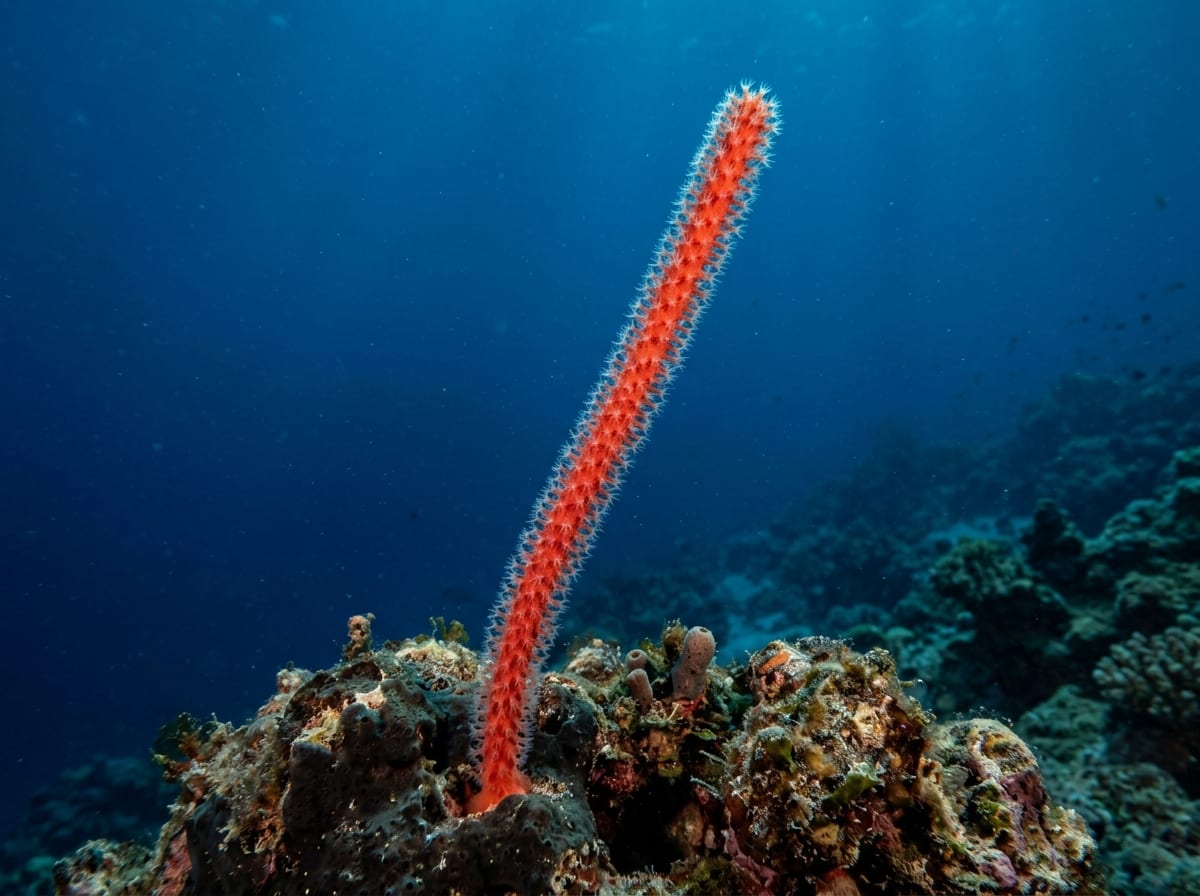
The whip coral Ellisella rubra (Muchiyagi in Japanese) is a gorgonian that forms a single, unbranched, whip-like colony. Its coenenchyme and polyps range from vermilion to orange, and the slender line it draws in a tank is quite distinctive. The axial skeleton is heavily calcified and hard, with no springiness. When disturbed, the polyps retract fully into the coenenchyme. It is rated for advanced keepers, and little is documented about its lifespan or adult size. Learn its traits well before deciding to bring one home.
View Red Sea Whip encyclopedia →0% commission on your first sales!Register by September 30, 2026 and your first 2 sales are commission-free!
Breeder Wanted!
List on BreederDirect and sell directly to customers nationwide!
Br-Choku's 6 Transparency Standards
Our Breeder sellers disclose detailed care specs for all Coral listings. We prioritize Aquacultured/CB specimens, verify WYSIWYG photos, and provide difficulty ratings—avoiding wild-caught.
- Aquacultured
- WYSIWYG Photo
- Difficulty Disclosed
- Frag/Colony
- Care Info Included
- Trade name shown
Browse all 242 breeds
Difficulty
Verified breeders wanted for Coral
Breeders are signing up now ahead of launch. Subscribe to be notified when new listings go live.
Getting alerts is free with a member account. When new listings match your saved search, we'll notify you by email and in-app.
Browse other categories
Verified breeders (preview)
Red Sea Whip key facts
- Care level
- Advanced
- Lifespan
- Little data available
- Size
- Little data available
- Diet
- Must be fed (fine particulate and plankton-type food)
- Lighting
- Most gorgonians lack zooxanthellae and do not feed on light (Reeflex). This species lives below 20 m, so strong lighting is unnecessary.
- Flow & Placement
- The single whip is inflexible and can snap (Nipponica). Wedge the base firmly into a rock hole to stand it upright, with enough flow to bring food to the polyps.
- Water Temperature & Quality
- A warm-water species from Sagami Bay southward. There is little guidance on temperature figures, so match the temperature of its origin. Salinity 33-35 ppt (SG 1.023-1.025).
- Diet & Feeding
- Azooxanthellate gorgonians need every polyp fed daily or three to four times a week to survive (Reeflex). Turn pumps off while feeding and feed shrimp and fish first so they do not steal the food.
- Health & Cautions
- A demanding species for advanced keepers. It may be sold under names such as Akayagi or mixed up with Junceella, so confirm it is a single unbranched whip.
About Red Sea Whip
A guide to the whip coral Ellisella rubra: an unbranched, whip-like gorgonian with vermilion to orange tissue. Rated for advanced keepers. Includes what to check before buying and answers to common questions.
7 things to know before welcoming a Red Sea Whip
1Made for advanced keepers
This whip coral is rated for advanced keepers. It assumes you can keep up careful daily care, including feeding and stable water conditions. It is safest to consider one after you have coral-keeping experience and a settled tank.
2A single whip-like form
Its colony is a single unbranched whip, and the slender line it makes in the tank is its main appeal. The axial skeleton is hard and heavily calcified with no springiness, so leave generous room in the direction it extends. Adult size is poorly documented, so it is hard to say how far one will grow.
3Feeding is the key
Some gorgonians do not rely on symbiotic algae and instead capture fine food from the water, and Ellisella is generally treated as one of them. Light alone is likely not enough, so research what and how often to feed before you buy. Asking the seller for their feeding method is a good idea.
4Retracting polyps
The polyps retract fully into the coenenchyme when disturbed. They may stay closed right after shipping or a change of environment, and that alone does not mean something is wrong. If they stay closed for a long time, review the water flow, water quality, and how you feed.
5Check the tissue on arrival
The coenenchyme and polyps are normally vermilion to orange. On arrival, check whether any tissue is damaged so that the skeleton shows through, and whether the polyps are out. If anything in the photos or description worries you, ask the seller.
6Lifespan is not well known
Little is documented about either lifespan or adult size, so no firm guideline can be given. Avoid assuming it will live a long time, and observe it closely day by day. Keeping notes helps you review how it does in your own tank.
7Prepare before arrival
Stabilize the tank and have the food, feeding tools, and flow adjustments ready beforehand. Plan the layout so that neighboring animals are unlikely to touch it and irritate it. After it arrives, avoid handling it and simply watch how it settles in.
Frequently asked questions about Red Sea Whip
- Q.Can a beginner keep one?
- A.It is rated for advanced keepers, so it is hard to recommend as a first coral. Consider it once you have coral-keeping experience and can keep your tank stable.
- Q.Does it need to be fed?
- A.Some gorgonians capture fine food from the water, and Ellisella is generally treated as one of them. Assume feeding will be necessary, research the method beforehand, and confirm it with the seller.
- Q.Are closed polyps a sign of trouble?
- A.The polyps retract fully into the coenenchyme when disturbed, so being closed is not unusual in itself. If they stay closed for a long time or the tissue looks damaged, review the flow, water quality, and feeding.
- Q.How long does it live and how big does it get?
- A.Little is documented about both lifespan and adult size, so no clear guideline can be given. Please rely on the seller's explanation and real keeping records rather than any definitive claim.
- Q.What should I ask the seller?
- A.It helps to ask about the feeding and its frequency, the tank conditions so far, whether the polyps are out, and whether the tissue is damaged. The skeleton is hard and not springy, so also ask how it is packed and how to handle it on arrival.
Useful tools for Red Sea Whip care
Learn more about Red Sea Whip in the encyclopedia
View Red Sea Whip encyclopedia entry →
Care difficulty, lifespan, size and diet — all basics covered.
More in this category
Can't find the one you're looking for?
Post your wishes for free and breeders with matching animals will contact you with introductions.