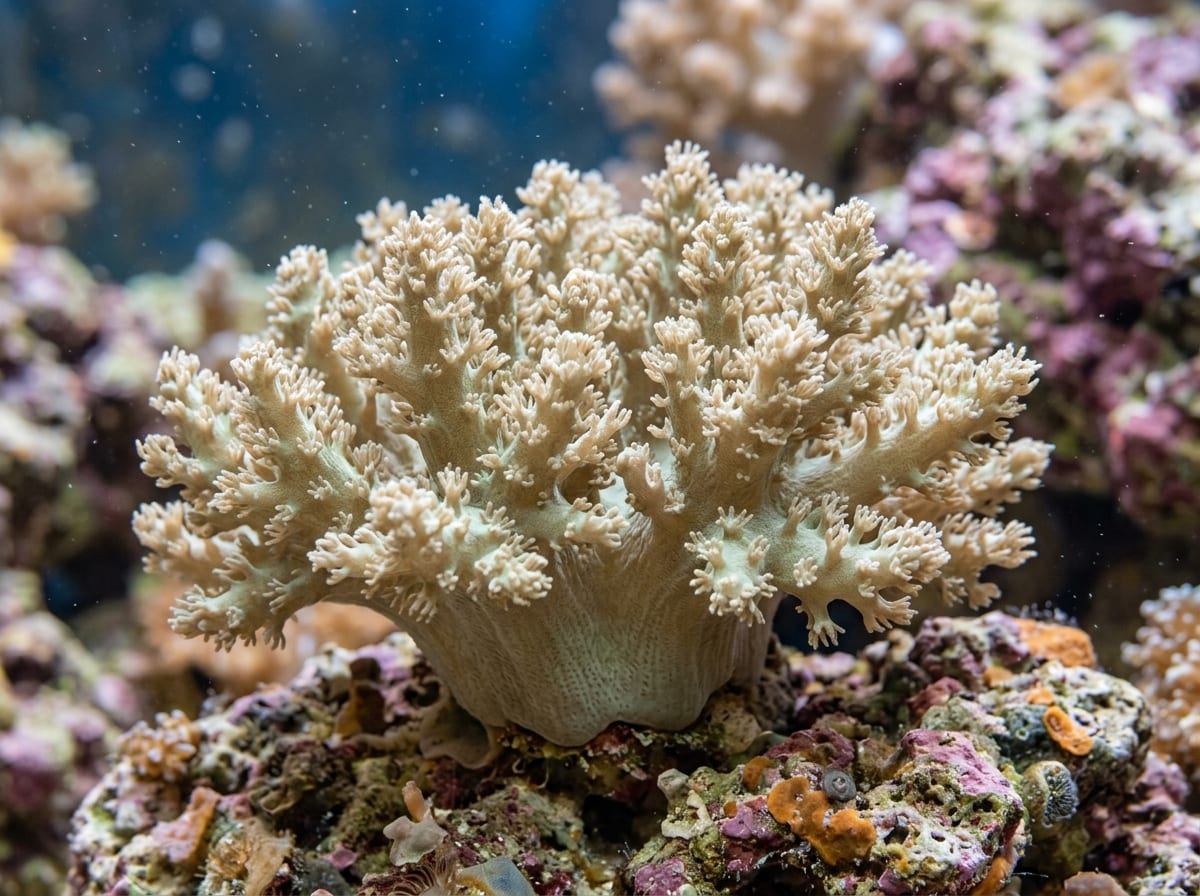
Soft Finger Leather Coral
Soft Finger Leather Coral is a soft coral in the leather coral group, often sold under the old scientific name Sinularia mollis. It lives in symbiosis with zooxanthellae, grows using light, and is easy to propagate by fragging, which is a big part of its appeal. A 2022 taxonomic review moved it from its former genus, Sinularia, to Sclerophytum, so you may still see the old name on a listing. Adults reach about 15 cm, and the difficulty level suits intermediate keepers. It is best for people who can keep water quality and lighting steady. Little information is available on its lifespan, so no clear number of years is known.
View Soft Finger Leather Coral encyclopedia →0% commission on your first sales!Register by September 30, 2026 and your first 2 sales are commission-free!
Breeder Wanted!
List on BreederDirect and sell directly to customers nationwide!
Br-Choku's 6 Transparency Standards
Our Breeder sellers disclose detailed care specs for all Coral listings. We prioritize Aquacultured/CB specimens, verify WYSIWYG photos, and provide difficulty ratings—avoiding wild-caught.
- Aquacultured
- WYSIWYG Photo
- Difficulty Disclosed
- Frag/Colony
- Care Info Included
- Trade name shown
Browse all 241 breeds
Difficulty
Verified breeders wanted for Coral
Breeders are signing up now ahead of launch. Subscribe to be notified when new listings go live.
Getting alerts is free with a member account. When new listings match your saved search, we'll notify you by email and in-app.
Browse other categories
Verified breeders (preview)
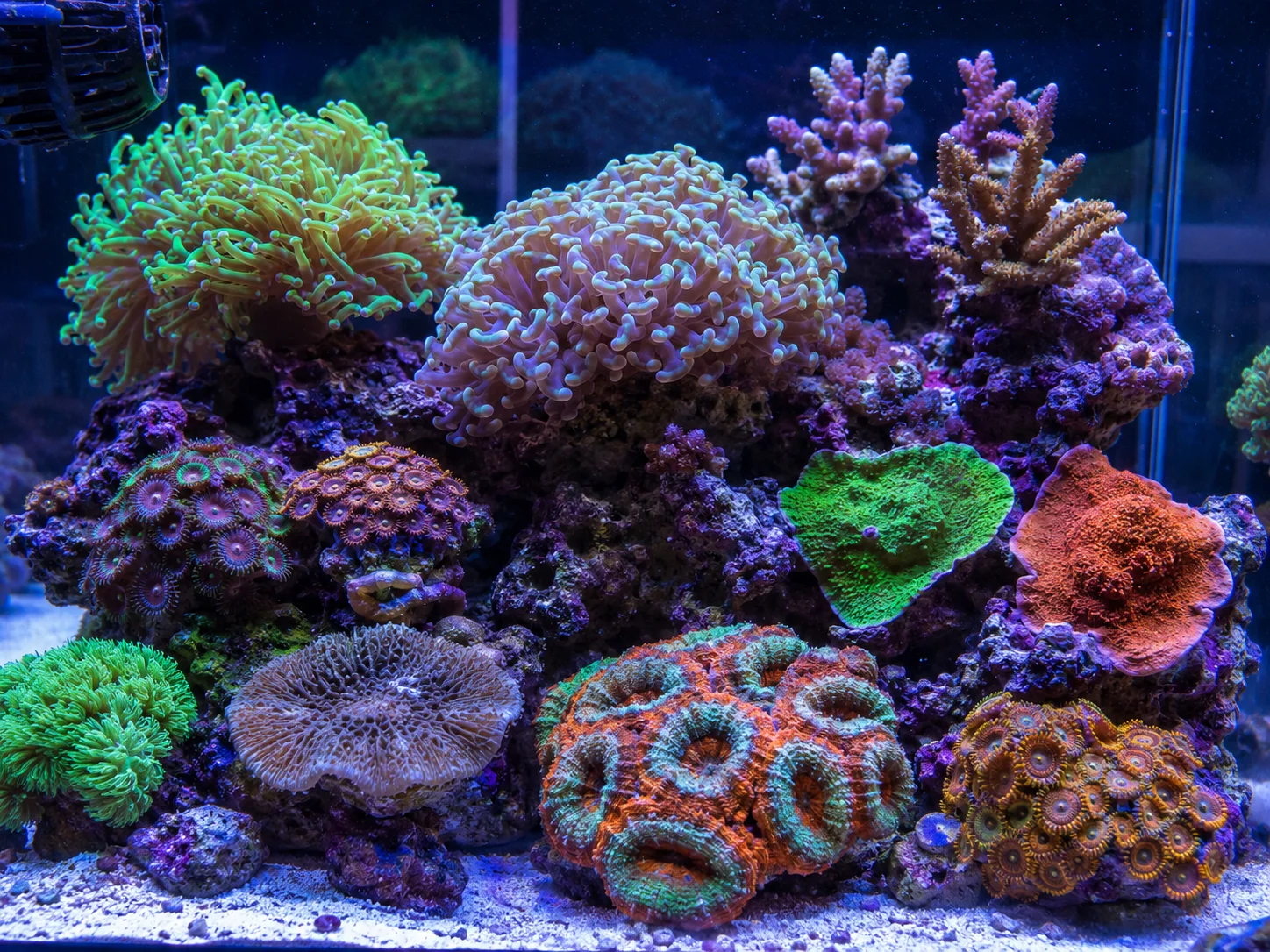

Soft Finger Leather Coral key facts
- Care level
- Intermediate
- Lifespan
- Little data available
- Size
- Up to about 15 cm (Reeflex)
- Temperature
- 24〜27℃
- Diet
- Photosynthesis (zooxanthellae) plus plankton
- Lighting
- It hosts zooxanthellae and lives at 1-12 m (Reeflex). Give moderate or brighter light and adjust by how well the polyps open.
- Flow & Placement
- Give flow that sways the colony and keeps its surface clean, and attach it to rock with space from other corals.
- Water Temperature & Quality
- 24-27°C, salinity 33-35 ppt (SG 1.023-1.025); Reeflex gives 24-26°C.
- Diet & Feeding
- Mainly photosynthetic, also taking plankton (Reeflex); it grows without special feeding.
- Health & Cautions
- Moderately easy and easy to propagate (Reeflex). It is sold under both old and new names, so confirm the species by scientific name.
About Soft Finger Leather Coral
Soft Finger Leather Coral (formerly Sinularia mollis) is a light-loving soft coral that grows up to about 15 cm and suits intermediate keepers. Key points to know before you buy.
7 things to know before welcoming a Soft Finger Leather Coral
1Old name and new genus
It is sold under the old scientific name Sinularia mollis, and a 2022 taxonomic review moved it from its former genus, Sinularia, to Sclerophytum. Whichever name a listing uses, it is reassuring to ask the seller to confirm it is the same coral. Keeping both the Japanese name (ヤワタコアシカタトサカ) and the English name Soft Finger Leather Coral in mind makes it easier to find information.
2Intermediate level
Its difficulty is rated for intermediate keepers. It is best to bring one home once you are comfortable setting up a tank, managing water quality day to day, and adjusting light and flow calmly. If you are new to corals, put your effort into stabilizing the tank first.
3Light and water flow
It grows through its symbiotic zooxanthellae, so proper coral lighting is essential. After changing lights or moving the coral, avoid exposing it to strong light suddenly and let it adjust gradually. Adjust water flow too, watching the coral so the flow is neither too strong nor too weak.
4Keep water stable
Corals dislike sudden swings in water quality and temperature, so make water changes and additions in small steps and test regularly. Salinity drifts easily through evaporation, so a steady top-off routine matters. If the coral declines, check light, flow, and water quality one at a time to find the cause.
5Placement and size
Adults reach about 15 cm, but they take up more room as they grow. Contact with neighboring corals can stress both sides, so leave gaps that allow for its full size. Choose a spot where it can settle and avoid moving it around often.
6After arrival
Right after arrival, take time to acclimate it to the tank's temperature and water quality, and keep the light modest at first. Watch how the polyps open, its color, and its surface every day so you learn what normal looks like. If it stays closed for a long time or loses color, review the tank conditions.
7Propagating by fragging
It is known for being easy to propagate by fragging, so consider cutting only when the parent colony is healthy. Use clean tools and let the cut heal in a calm environment. If you plan to propagate, think ahead about where the pieces will go and how much tank space you have.
Frequently asked questions about Soft Finger Leather Coral
- Q.Can a beginner keep it?
- A.Its difficulty is rated for intermediate keepers. It is safer to bring one home once you are used to setting up a tank and managing water quality, so beginners should start by getting their tank stable.
- Q.How long does it live?
- A.Little information is available on its lifespan, so no clear number of years is known. Rather than relying on a figure, check its condition through daily observation and keep the environment stable.
- Q.How large does it get?
- A.According to Reeflex, adults reach about 15 cm. Because it spreads as it grows, leave plenty of space between it and neighboring corals.
- Q.Can it be propagated by fragging?
- A.It is known to be easy to propagate by fragging. Use clean tools for cutting, and keep the pieces in a calm environment until the cuts settle.
- Q.Can I keep it with other corals?
- A.If it sits too close to other corals, they can touch and stress each other. Allow for its grown size when spacing them, and adjust the layout as you watch how they do.
Useful tools for Soft Finger Leather Coral care
Learn more about Soft Finger Leather Coral in the encyclopedia
View Soft Finger Leather Coral encyclopedia entry →
Care difficulty, lifespan, size and diet — all basics covered.
More in this category
Can't find the one you're looking for?
Post your wishes for free and breeders with matching animals will contact you with introductions.