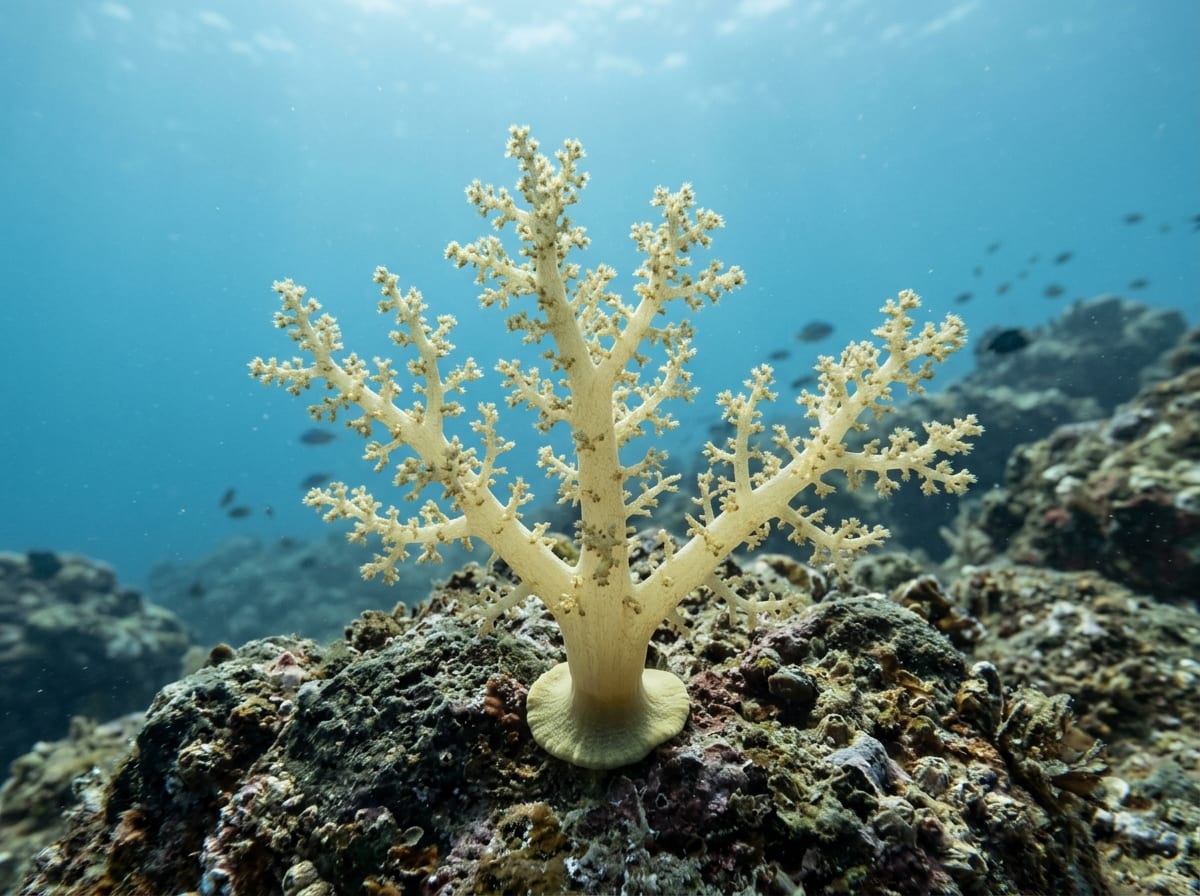
Japanese Yellow Soft Coral
The Japanese Yellow Soft Coral (Kibana-tosaka) is a yellow soft coral in the family Nephtheidae. It is common on shallow rocky reefs from Sagami Bay to the western coast of Kyushu. The yellow color comes from spicules rather than the fleshy tissue. Its polyps sit singly or in small clusters at the branch tips and never form large masses, which sets it apart from the Togetosaka-type soft corals. It stands about 10–15 cm tall when extended (Nihon Daihyakka Zensho). Care is rated for advanced keepers, and little is documented about its lifespan. It suits hobbyists who are experienced with soft corals and willing to gather information first.
View Japanese Yellow Soft Coral encyclopedia →Breeder Wanted!
List on BreederDirect and sell directly to customers nationwide!
BreederDirect's 6 Transparency Commitments
Our Breeder sellers disclose detailed care specs for all Coral listings. We prioritize Aquacultured/CB specimens, verify WYSIWYG photos, and provide difficulty ratings—avoiding wild-caught.
- Aquacultured
- WYSIWYG Photo
- Difficulty Disclosed
- Frag/Colony
- Care Info Included
- Trade name shown
Browse all 241 breeds
Difficulty
Verified breeders wanted for Coral
Breeders are signing up now ahead of launch. Subscribe to be notified when new listings go live.
Getting alerts is free with a member account. When new listings match your saved search, we'll notify you by email and in-app.
Browse other categories
Verified breeders (preview)
Japanese Yellow Soft Coral key facts
- Care level
- Advanced
- Size
- 10-15 cm tall when extended (Nipponica)
- Lighting
- It is unclear whether it can rely on photosynthesis. As a shallow-reef species, give ordinary viewing light but plan to nourish it by feeding.
- Flow & Placement
- It attaches to shallow rocky reefs (Nipponica). Give flow that sways the colony so food reaches the polyps on the twigs, and fix it firmly to rock.
- Water Temperature & Quality
- A temperate species from Sagami Bay to Kyushu, with needs different from tropical reef tanks. Keep the water temperature near that of its collection site and avoid summer heat. Salinity 33-35 ppt (SG 1.023-1.025).
- Diet & Feeding
- No established feeding method is known, so offer small amounts of fine particulate or liquid food while the polyps are open, adjusting to the response.
- Health & Cautions
- Few cases of keeping it have been recorded and temperature control is demanding for a temperate species. Names get mixed with Dendronephthya and S. rubriflora, so check the yellow sclerites and how the polyps are borne.
About Japanese Yellow Soft Coral
The Japanese Yellow Soft Coral lives on shallow rocky reefs from Sagami Bay to western Kyushu and reaches 10–15 cm tall when extended. Identification tips and care notes for advanced keepers.
7 things to know before welcoming a Japanese Yellow Soft Coral
1Advanced-Level Care
This coral is rated for advanced keepers. If you are new to soft corals, it is safer to get comfortable with tank setup and water quality management first.
2Yellow Body and Polyps
The yellow comes from the spicules, not from the fleshy tissue. The polyps sit singly or in small clusters at the branch tips and do not form large masses, which is the key to telling it apart from Togetosaka-type soft corals.
3Size When Extended
When extended it stands about 10–15 cm tall (Nihon Daihyakka Zensho). Because its appearance changes as it extends and contracts, leave some room between it and neighboring corals or equipment.
4Mind the Temperate Range
In the wild it lives on shallow rocky reefs from Sagami Bay to western Kyushu, in waters on the temperate side. Don't set it up exactly like a tropical coral, and plan ahead for high water temperatures in summer. Asking the seller about the original tank conditions is the surest way to confirm a suitable temperature.
5Stable Water and Husbandry
Avoid sudden changes in water quality and keep conditions stable. Flow, lighting, and feeding can differ from one colony to another, so ask the seller how it is currently kept and start from similar conditions.
6Lifespan Is Poorly Documented
Little is documented about its lifespan, so no reliable number of years can be given. Don't assume how long it will last. Keep a daily record of water quality and the colony's condition as you go.
7Check Condition Before Buying
Check the listing photos to see whether the polyps are out and whether the tissue shows any damage or discoloration. Message the seller about anything unclear, such as its collection and keeping history and current water conditions. Doing so makes setup after arrival go more smoothly.
Frequently asked questions about Japanese Yellow Soft Coral
- Q.Can a beginner keep this coral?
- A.Its care is rated for advanced keepers. Beginners are best off getting used to tank management and handling soft corals before considering it.
- Q.How large does it get?
- A.It reaches about 10–15 cm tall when extended (Nihon Daihyakka Zensho). Because it extends and contracts, leave some room around it.
- Q.How long does it live?
- A.Little is documented about its lifespan, so no clear number of years is known. Don't assume it will last a long time. Keep observing and recording its condition every day.
- Q.How do I tell it from Togetosaka types?
- A.Look at the polyps at the branch tips. They sit singly or in small clusters and never form large masses. The yellow comes from the spicules, not from the fleshy tissue.
- Q.Where does it live in the wild?
- A.It is common on shallow rocky reefs from Sagami Bay to the western coast of Kyushu. It lives in waters on the temperate side, so also plan for high water temperatures in summer when keeping it.
Useful tools for Japanese Yellow Soft Coral care
Learn more about Japanese Yellow Soft Coral in the encyclopedia
View Japanese Yellow Soft Coral encyclopedia entry →
Care difficulty, lifespan, size and diet — all basics covered.
More in this category
Can't find the one you're looking for?
Post your wishes for free and breeders with matching animals will contact you with introductions.