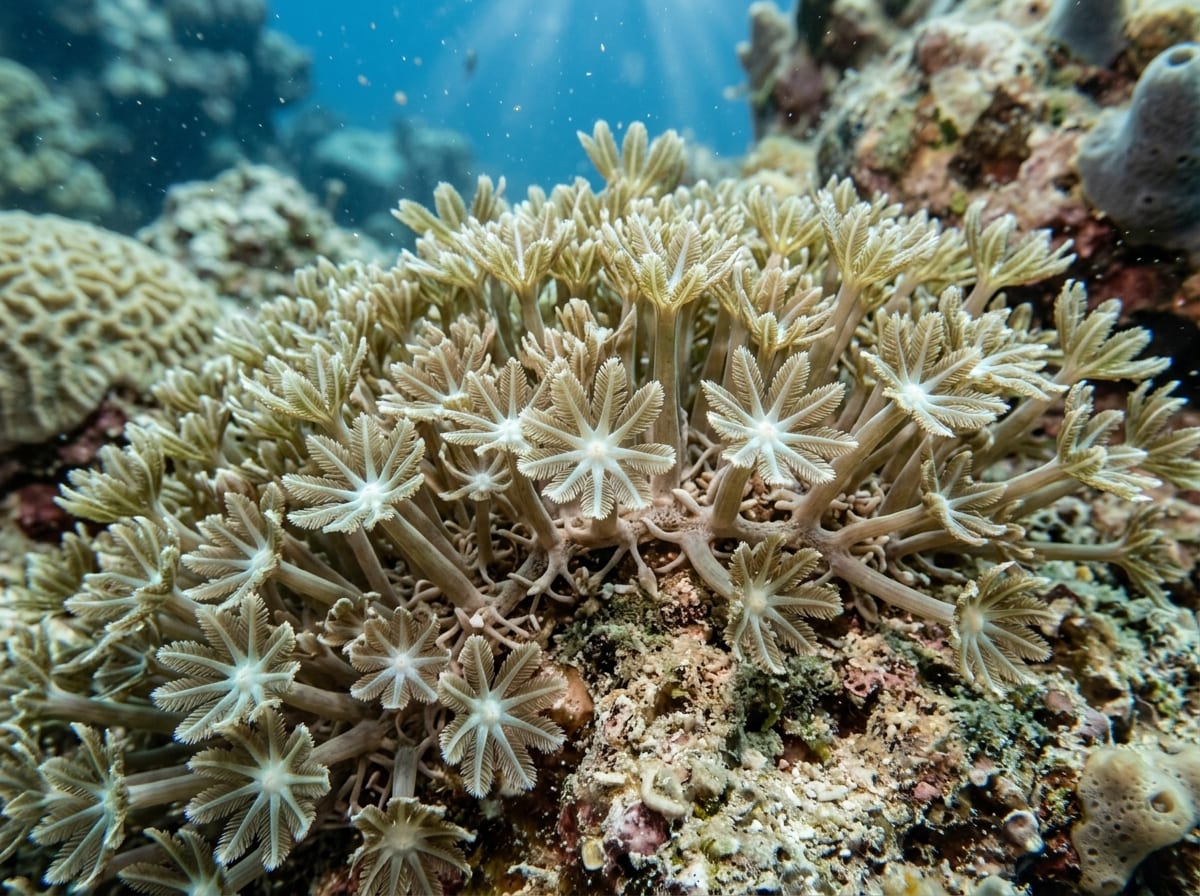
Racemose Clove Polyp
Racemose Clove Polyp, known in Japan as hanazuta, is a soft coral in the genus Clavularia whose polyps open like flower petals. It was described by Fujio Utinomi in 1950 and occurs from Okinawa southward within Japan, where it is known as one of the native clove polyps alongside Tsutsu-umizuta. Its softly swaying polyps give a tank a gentler look than hard corals do. It is rated for intermediate keepers, and reliable information on lifespan and adult size is scarce. That makes it a good fit for hobbyists who prefer to keep conditions stable and observe closely.
View Racemose Clove Polyp encyclopedia →0% commission on your first sales!Register by September 30, 2026 and your first 2 sales are commission-free!
Breeder Wanted!
List on BreederDirect and sell directly to customers nationwide!
BreederDirect's 6 Transparency Commitments
Our Breeder sellers disclose detailed care specs for all Coral listings. We prioritize Aquacultured/CB specimens, verify WYSIWYG photos, and provide difficulty ratings—avoiding wild-caught.
- Aquacultured
- WYSIWYG Photo
- Difficulty Disclosed
- Frag/Colony
- Care Info Included
- Trade name shown
Browse all 241 breeds
Difficulty
Verified breeders wanted for Coral
Breeders are signing up now ahead of launch. Subscribe to be notified when new listings go live.
Getting alerts is free with a member account. When new listings match your saved search, we'll notify you by email and in-app.
Browse other categories
Verified breeders (preview)
Racemose Clove Polyp key facts
- Care level
- Intermediate
- Lifespan
- Little data available
- Size
- Little data available
- Temperature
- 24〜27℃
- Diet
- Probably photosynthetic, but data are scarce
- Lighting
- Little is published on its light needs. Follow its photosynthetic relative C. inflata and adjust by how well the polyps open.
- Flow & Placement
- Like other clove polyps it spreads over rock by stolons, so attach it to a rock away from other corals.
- Water Temperature & Quality
- A species of Okinawa and further south. Aim for 24-27°C and salinity 33-35 ppt (SG 1.023-1.025).
- Diet & Feeding
- There is little information on feeding; at most try small amounts of fine particulate food while the polyps are open.
- Health & Cautions
- Clavularia are hard to identify by appearance and are sold under various names, so check the scientific name and origin when buying.
About Racemose Clove Polyp
Racemose Clove Polyp (hanazuta) is a Clavularia soft coral with petal-like polyps, found from Okinawa southward. Rated intermediate; learn its traits and what to know before you buy.
7 things to know before welcoming a Racemose Clove Polyp
1Prepare the tank first
Prepare a tank that is fully cycled and stable, along with tools to test temperature, salinity, and other basic parameters. Decide in advance where it will sit, ideally on a rock where spreading will not bring it into contact with other corals.
2Intermediate difficulty
Hanazuta is rated as intermediate difficulty. Keeping water parameters steady, with regular testing and water changes, is the foundation for success. Having some coral-keeping experience first makes it easier to respond calmly when something changes.
3Balancing light and flow
A moderate flow, neither too strong nor too weak, helps the polyps open comfortably. Avoid large jumps in lighting and adjust it gradually while watching how the polyps open. Ideal conditions differ from tank to tank, so steady observation matters.
4It spreads over time
Corals in the genus Clavularia spread over rock by extending thin creeping stolons. They can reach nearby corals or equipment, so leave generous room in your layout. If there are areas you do not want it to cover, plan its position from the start.
5Go slowly after arrival
Polyps are often closed just after arrival because of stress. After careful acclimation, avoid sudden changes to lighting or flow for a while and simply watch. Polyps gradually opening is one sign that it is settling in.
6Reading health signs
Check daily how the polyps open, their color, and how well the colony is attached to the rock. If polyps stay closed for a long time, color fades, or tissue seems to break down, treat it as a cue to review water quality, flow, and lighting. If the cause is hard to pin down, asking the seller is also an option.
7Lifespan and size unclear
Reliable information on lifespan and adult size is limited, so no clear figures can be given. Because colonies spread, the space needed may change the longer you keep it. Before buying, check the listing details and ask the seller about the individual's condition.
Frequently asked questions about Racemose Clove Polyp
- Q.Can beginners keep hanazuta?
- A.It is rated for intermediate keepers. It becomes easier to manage once you are comfortable with basic coral care and can keep water quality stable. If this is your first coral, put tank stability first.
- Q.How long does it live and how big does it get?
- A.Information on both is limited, and no clear figures are known. Because it tends to spread, it is wise to give it plenty of room.
- Q.Are closed polyps a sign of disease?
- A.Polyps often close right after arrival or when conditions change. If they stay closed after a reasonable wait, check water quality, flow, and lighting. The polyps' state alone cannot pinpoint the cause.
- Q.Can I keep it with other corals?
- A.Clavularia spreads by stolons, so leave enough space that it does not touch nearby corals or rockwork. Compatibility varies from tank to tank, so adjust placement as you observe.
- Q.Where is hanazuta found?
- A.Within Japan it occurs from Okinawa southward, and it is a soft coral in the genus Clavularia. Described by Fujio Utinomi in 1950, it is known as a native clove polyp alongside Tsutsu-umizuta.
Useful tools for Racemose Clove Polyp care
Learn more about Racemose Clove Polyp in the encyclopedia
View Racemose Clove Polyp encyclopedia entry →
Care difficulty, lifespan, size and diet — all basics covered.
More in this category
Can't find the one you're looking for?
Post your wishes for free and breeders with matching animals will contact you with introductions.