 © Kerryn Johns / CC BY 4.0
Hemprich's Acan Coral
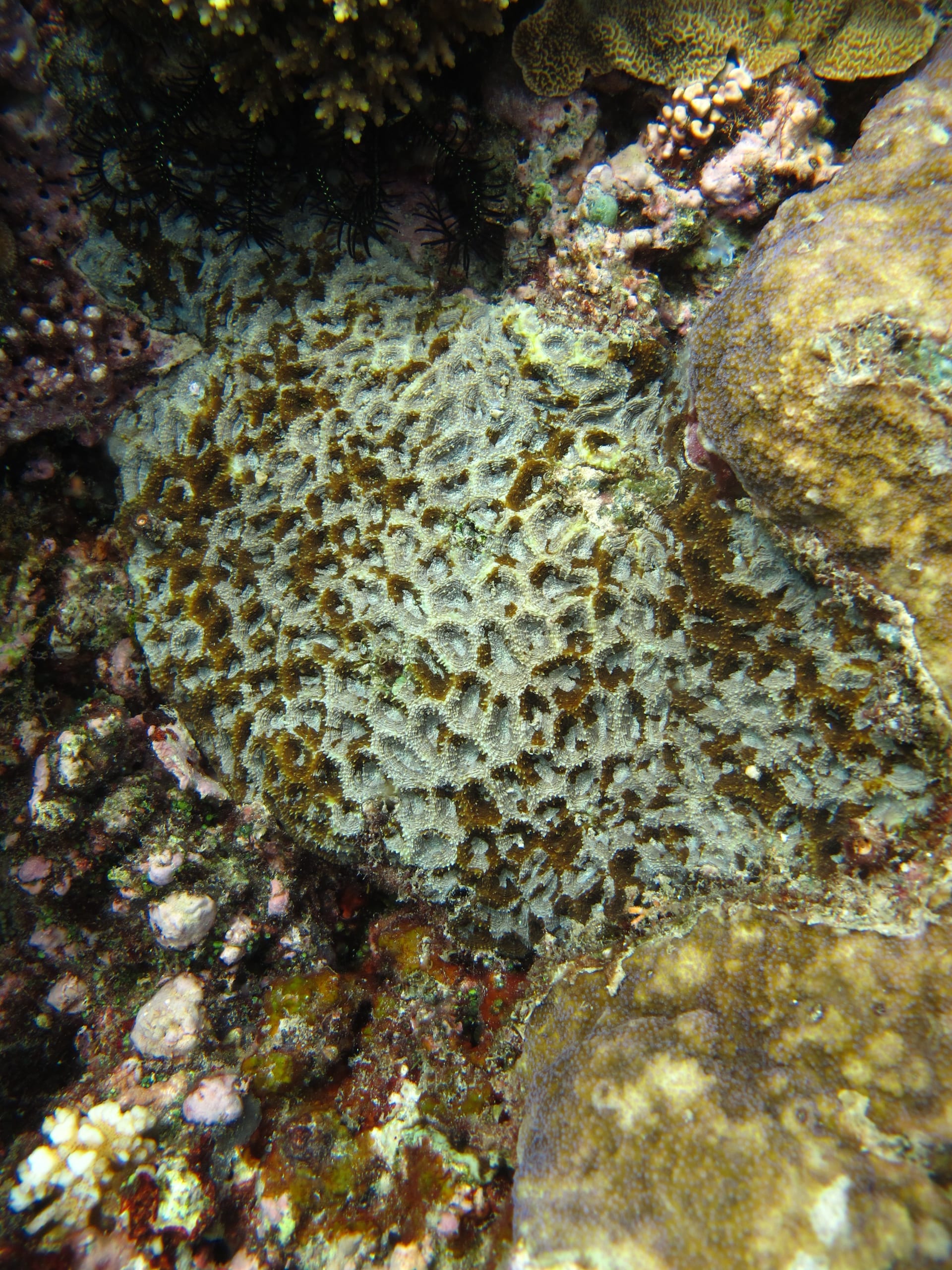
Hemprich's Acan Coral is an acan coral prized for its mottled blend of brown and green. Colonies grow as encrusting sheets or rounded masses, and neighboring corallites share walls and pack together into polygons. This close-set pattern is what separates it from a similar acan whose corallites sit apart and look fleshier. It is rated for intermediate keepers, and little is documented about its lifespan. Wild colonies often exceed 1 m in diameter, so it pays to plan space for growth even in an aquarium.
View Hemprich's Acan Coral encyclopedia →0% commission on your first sales!Register by September 30, 2026 and your first 2 sales are commission-free!
Breeder Wanted!
List on BreederDirect and sell directly to customers nationwide!
Br-Choku's 6 Transparency Standards
Our Breeder sellers disclose detailed care specs for all Coral listings. We prioritize Aquacultured/CB specimens, verify WYSIWYG photos, and provide difficulty ratings—avoiding wild-caught.
- Aquacultured
- WYSIWYG Photo
- Difficulty Disclosed
- Frag/Colony
- Care Info Included
- Trade name shown
Browse all 241 breeds
Difficulty
Verified breeders wanted for Coral
Breeders are signing up now ahead of launch. Subscribe to be notified when new listings go live.
Getting alerts is free with a member account. When new listings match your saved search, we'll notify you by email and in-app.
Browse other categories
Verified breeders (preview)
Hemprich's Acan Coral key facts
- Care level
- Intermediate
- Lifespan
- Little data available
- Size
- Wild colonies frequently exceed 1 m across (Corals of the World)
- Temperature
- 24〜27℃
- Diet
- Photosynthesis (zooxanthellae) plus feeding
- Lighting
- LPS corals are said to prefer low to moderate light (AlgaeBarn). Start it low in the tank and move it brighter only while color and tissue stay healthy.
- Flow & Placement
- Acan corals prefer low to moderate flow (AlgaeBarn). Place it on a flat, stable surface where its fleshy tissue will not rub against rock.
- Water Temperature & Quality
- 24-27°C, salinity 33-35 ppt (SG 1.023-1.025). Keep calcium and alkalinity stable because it builds a skeleton.
- Diet & Feeding
- It relies on photosynthesis, but when the tentacles are out you can drop fine frozen food or coral food onto the oral discs.
- Health & Cautions
- Few long-term keeping reports exist (Reeflex). Check the corallites when buying: polygonal, wall-sharing corallites indicate this species, while round, separated ones suggest A. echinata.
About Hemprich's Acan Coral
Hemprich's Acan Coral has mottled brown and green corallites packed into polygons. See its intermediate care level and what to know before you buy.
7 things to know before welcoming a Hemprich's Acan Coral
1Telling It Apart
Neighboring corallites that share walls and pack together into polygons are the hallmark of Hemprich's Acan Coral. A look-alike acan with separated, fleshier corallites can be told apart by this arrangement. Check how the corallites are set in the listing photos, and ask the seller if you are unsure.
2Difficulty and Lifespan
Care difficulty is rated intermediate, so it suits keepers who are comfortable running a marine tank and holding water quality steady. Documentation on lifespan is limited, and no clear figure is known.
3Room to Grow
Wild colonies often exceed 1 m in diameter. A tank colony will not necessarily reach that size, but because it spreads as an encrusting sheet or mass, leave room around it when choosing a spot.
4Space From Neighbors
Corals can harm neighboring colonies through contact and tentacles. Allow for the colony spreading and keep a generous gap from other corals. If growth brings it close to a neighbor, reconsider its placement.
5Easing Into Light and Flow
Avoid placing it straight into intense light or strong flow, and start in a calmer spot instead. Watch how the corallites open and adjust its position bit by bit.
6Acclimating on Arrival
On arrival, acclimate it slowly so the difference between the shipping water and your tank water is bridged gradually. When moving it, handle the skeleton or base rather than the tissue.
7Daily Observation
The brown and green coloration and how the corallites swell are clues to its condition. If it stays deflated or its colors change for an extended period, review water quality, lighting and flow. If you plan to feed it, ask the seller how they do it.
Frequently asked questions about Hemprich's Acan Coral
- Q.Can a beginner keep it?
- A.It is rated for intermediate keepers. Getting comfortable with marine water-quality management first makes it easier to respond calmly to changes in its condition.
- Q.How is it different from Hime-oo-toge-kikumeishi?
- A.In Hemprich's Acan Coral, neighboring corallites share walls and pack tightly into polygons. Hime-oo-toge-kikumeishi has corallites that sit apart and look fleshier.
- Q.How large does it grow?
- A.Wild colonies often exceed 1 m in diameter. How large it gets in a tank depends on conditions, so it is wise to plan a placement with room to spread.
- Q.How long does it live?
- A.Documentation on lifespan is limited, so no clear figure is known. To keep it for the long term, hold water quality, lighting and flow steady and watch for daily changes.
- Q.Is it listed under CITES?
- A.Yes, it is listed in CITES Appendix II. Read the listing page as well, and ask the seller if anything is unclear.
Useful tools for Hemprich's Acan Coral care
Learn more about Hemprich's Acan Coral in the encyclopedia
View Hemprich's Acan Coral encyclopedia entry →
Care difficulty, lifespan, size and diet — all basics covered.
More in this category
Can't find the one you're looking for?
Post your wishes for free and breeders with matching animals will contact you with introductions.