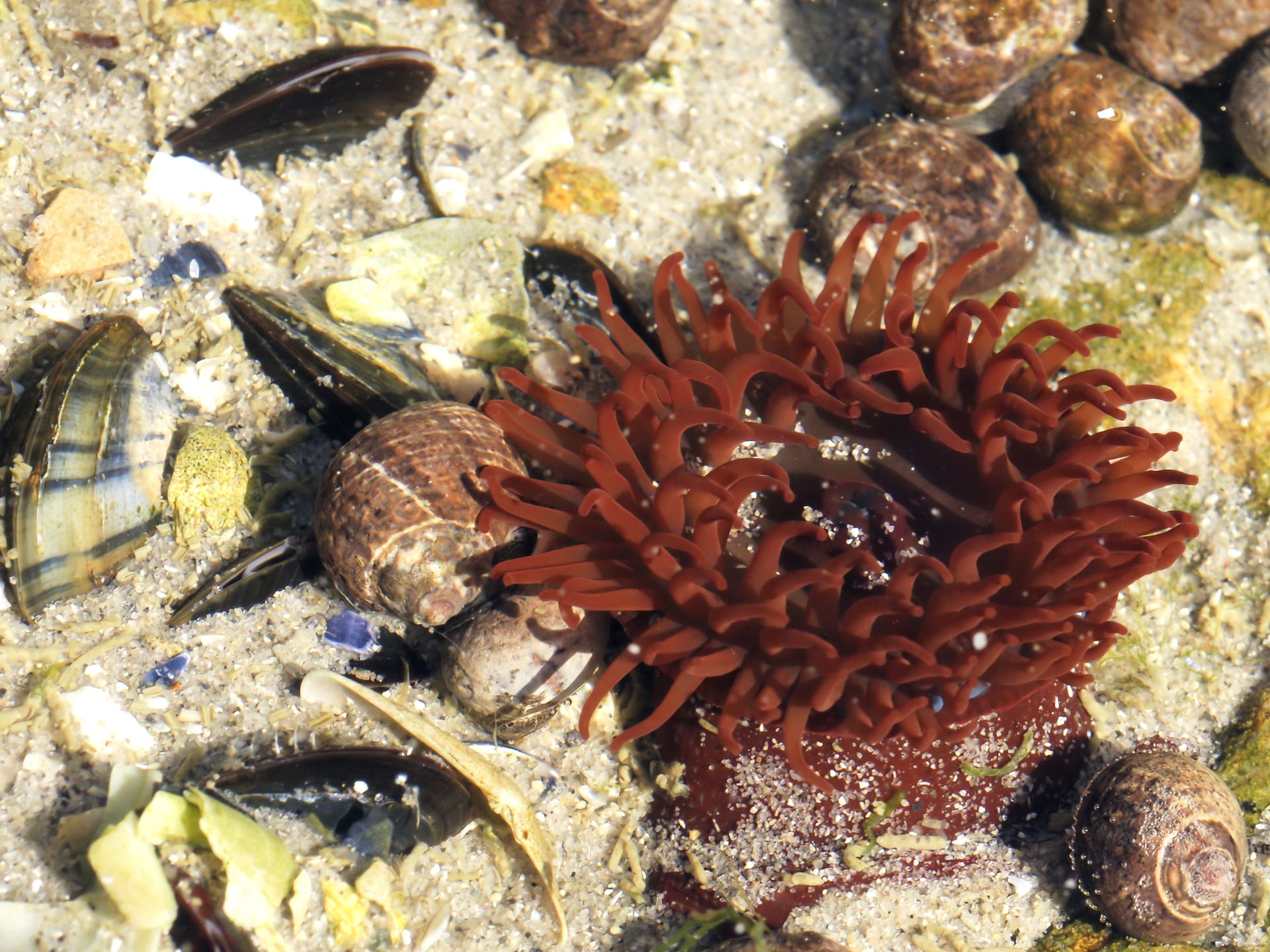
 © Hans Hillewaert / CC BY-SA 4.0
Beadlet Anemone
The beadlet anemone is a rocky-shore species that pulls in its tentacles when the tide goes out, shrinking to a rounded blob about 5 cm across that looks a little like a pickled plum. Once it is underwater again, it opens up, and a row of blue beads called acrorhagi lines the upper edge of its body. It uses them as weapons when a neighbor crowds its space. Rated beginner-friendly, this species has a record of a British individual living nearly 60 years in captivity. It moves slowly and is easy to watch, but you need to think about what shares its tank.
View Beadlet Anemone encyclopedia →0% commission on your first sales!Register by September 30, 2026 and your first 2 sales are commission-free!
Breeder Wanted!
List on BreederDirect and sell directly to customers nationwide!
BreederDirect's 6 Transparency Commitments
Our Breeder sellers disclose detailed care specs for all Coral listings. We prioritize Aquacultured/CB specimens, verify WYSIWYG photos, and provide difficulty ratings—avoiding wild-caught.
- Aquacultured
- WYSIWYG Photo
- Difficulty Disclosed
- Frag/Colony
- Care Info Included
- Trade name shown
Browse all 241 breeds
Difficulty
Verified breeders wanted for Coral
Breeders are signing up now ahead of launch. Subscribe to be notified when new listings go live.
Getting alerts is free with a member account. When new listings match your saved search, we'll notify you by email and in-app.
Browse other categories
Verified breeders (preview)
Beadlet Anemone key facts
- Care level
- Beginner-friendly
- Lifespan
- One captive individual in Britain lived nearly 60 years
- Size
- About 5 cm across when contracted
- Diet
- Carnivore (small crustaceans, pieces of seafood)
- Lighting
- A rock-pool species that needs no special lighting; ordinary viewing light is fine.
- Flow & Placement
- It clings to rock with its foot and lives on both exposed and sheltered shores (Wikipedia). Cover pump intakes.
- Water Temperature & Quality
- A Japanese shore species whose temperature needs differ from tropical reef tanks. There is no consolidated guidance on figures, so keep it near the temperature of its collection site and avoid summer heat. Salinity 33-35 ppt (SG 1.023-1.025).
- Diet & Feeding
- It is carnivorous and takes clam meat, mysis and shrimp (Reeflex). Touch small pieces to the tentacles and remove leftovers.
- Health & Cautions
- It fights neighbours with the stinging acrorhagi (Wikipedia). Space several individuals apart and keep them from touching other anemones or corals. Check fishing rights and local rules before collecting.
About Beadlet Anemone
Beadlet Anemone: a rocky-shore anemone that shrinks to a plum-like blob about 5 cm across, with blue beads on its rim. Beginner-friendly, with a British specimen recorded living nearly 60 years in captivity. Key points to know before you buy.
7 things to know before welcoming a Beadlet Anemone
1Shrinking is normal
Pulling the tentacles in and turning into a plum-like blob at low tide is a natural response for this shore-dwelling species. In a tank it may also contract after a change or a disturbance. Rather than assuming something is wrong, give it calm conditions and watch whether it opens again.
2Mind the temperature
This species lives on temperate rocky shores, so it can be harder to manage with the same approach as a tropical coral tank. Pay particular attention to high water temperatures in summer and find ways to keep the temperature steady. Before bringing one home, check that your tank can hold a suitable temperature without strain.
3Blue beads are weapons
The blue beads along the upper edge of the body are acrorhagi, which the anemone uses when it competes with a neighbor for space. If you keep more than one, leave generous distance between them and adjust the layout as you watch. Contact with the tentacles or beads may cause irritation in some people, so avoid handling it bare-handed more than necessary.
4Distance from tankmates
Anemones can capture small animals that come within reach of their tentacles, and they may shift position slowly over time. Think about small fish, shrimp, and nearby corals when you plan the layout. Compatibility depends on the individual and the tank, so start cautiously and keep watching.
5Give it a rock to settle on
It clings to rock crevices and surfaces with its pedal disc, the sticky base of its body. Provide stable rockwork or a sheltered spot to settle on, and keep it away from pump intakes. Pulling it off forcibly can injure it, so move it carefully if you must.
6Feed small portions
In the wild it catches small crustaceans and shellfish with its tentacles. In captivity, offering small pieces of seafood near the tentacles is a common approach. Uneaten food can foul the water, so feed modestly and remove any leftovers.
7Ready for the long term
There is a record of a British individual living nearly 60 years in captivity, so a suitable setup may allow a very long partnership. That is a record, not a promise, and not every animal will live as long. Bring one home once you can keep water quality and temperature steady over the long term.
Frequently asked questions about Beadlet Anemone
- Q.Can a beginner keep one?
- A.It is rated as beginner-friendly. Even so, you will need to keep water temperature and quality steady and think carefully about how close it sits to other animals in the tank.
- Q.How big does it get?
- A.When contracted, it measures about 5 cm across. With its tentacles open underwater it looks somewhat larger, so leave some room around where it settles.
- Q.How long can it live?
- A.A British individual is on record as living nearly 60 years in captivity. That is a record rather than a guarantee for every animal. Plan on keeping conditions steady and caring for it over the long term.
- Q.It stays contracted. Is that a problem?
- A.This species pulls in its tentacles when the tide goes out, so contracting is a natural behavior. A change or a disturbance can also make it contract, so first check that temperature and water quality are stable and give it calm conditions. If it does not open again, consider asking the seller for advice.
- Q.Can it live with other corals or fish?
- A.If you share a tank, plan the layout around how far its tentacles reach and where it might drift. Its acrorhagi are also weapons in disputes over space between individuals, so leave plenty of distance if you keep more than one.
Useful tools for Beadlet Anemone care
Learn more about Beadlet Anemone in the encyclopedia
View Beadlet Anemone encyclopedia entry →
Care difficulty, lifespan, size and diet — all basics covered.
More in this category
Can't find the one you're looking for?
Post your wishes for free and breeders with matching animals will contact you with introductions.