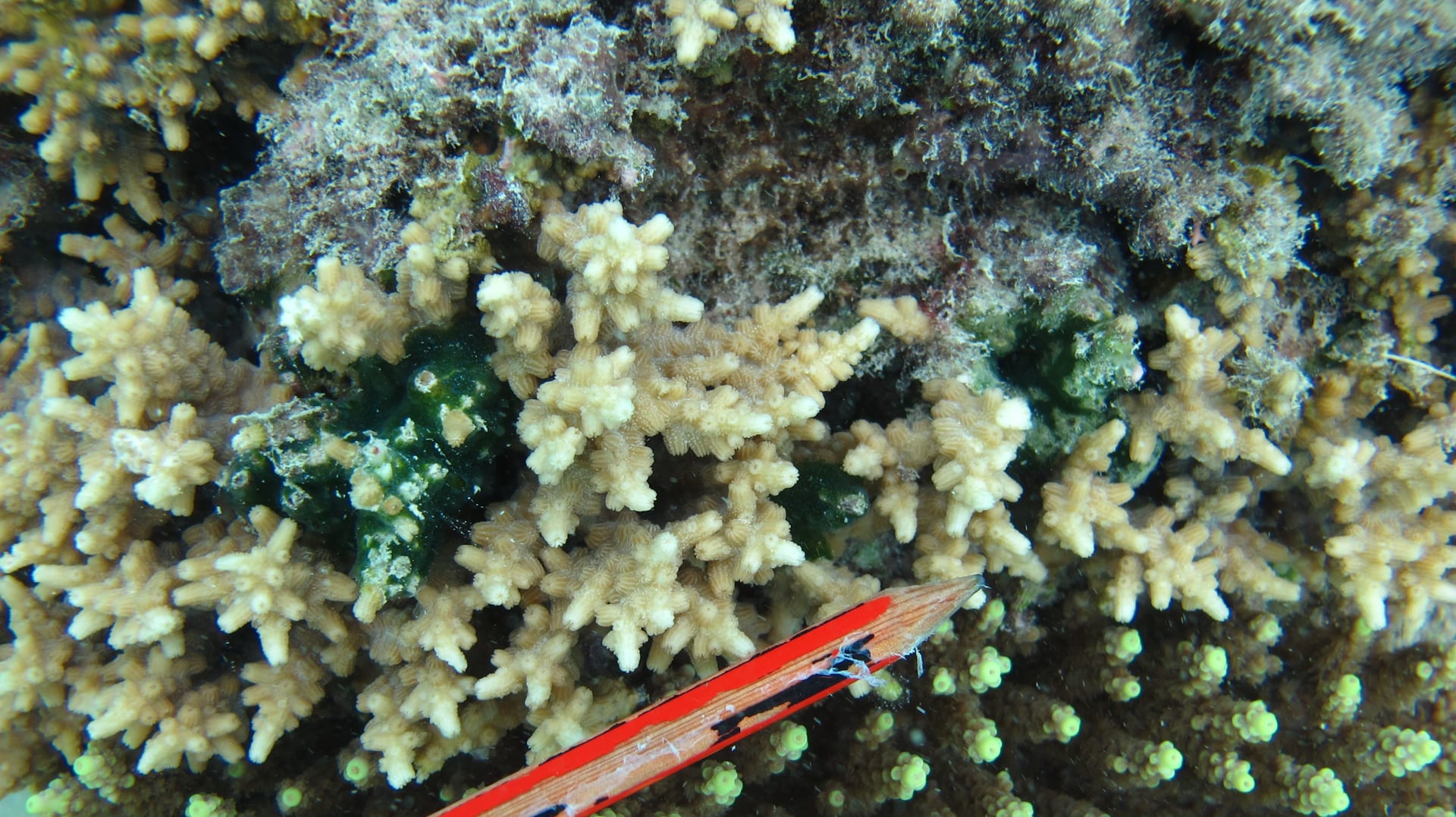
 © Kerryn Johns / CC BY 4.0
Branching Cyphastrea
Branching Cyphastrea is a branching member of the Cyphastrea genus, with axial corallites much like those of Acropora. Most of its relatives grow as massive colonies, so its shape stands out. On reef slopes it forms clusters of stout, short branches, while on sandy bottoms the branches are sparse and break easily. Colors run from brown to gray to cream, giving it a calm, understated look. It is rated for intermediate keepers, so it is best welcomed once you are comfortable with routine water-quality care.
View Branching Cyphastrea encyclopedia →0% commission on your first sales!Register by September 30, 2026 and your first 2 sales are commission-free!
Breeder Wanted!
List on BreederDirect and sell directly to customers nationwide!
Br-Choku's 6 Transparency Standards
Our Breeder sellers disclose detailed care specs for all Coral listings. We prioritize Aquacultured/CB specimens, verify WYSIWYG photos, and provide difficulty ratings—avoiding wild-caught.
- Aquacultured
- WYSIWYG Photo
- Difficulty Disclosed
- Frag/Colony
- Care Info Included
- Trade name shown
Browse all 242 breeds
Difficulty
Verified breeders wanted for Coral
Breeders are signing up now ahead of launch. Subscribe to be notified when new listings go live.
Getting alerts is free with a member account. When new listings match your saved search, we'll notify you by email and in-app.
Browse other categories
Verified breeders (preview)
Branching Cyphastrea key facts
- Care level
- Intermediate
- Lifespan
- Little data available
- Size
- Up to about 25 cm (Reeflex)
- Temperature
- 24〜27℃
- Diet
- Photosynthesis (zooxanthellae) plus fine particulate food
- Lighting
- It hosts zooxanthellae and feeds on light (Reeflex). As a species common in calm lagoons, acclimate it at moderate light.
- Flow & Placement
- On soft bottoms its branches become open and fragile (Corals of the World). Give moderate flow that does not rock the branches and fix it firmly to rock.
- Water Temperature & Quality
- 24-27°C, salinity 33-35 ppt (SG 1.023-1.025); Reeflex gives 24-29°C. Keep calcium and alkalinity stable.
- Diet & Feeding
- It also takes fine particulate food and phyto- and zooplankton (Reeflex); feed small amounts when the polyps are open.
- Health & Cautions
- Moderately easy and simple to propagate from branches (Reeflex). Check that it really is branching and not the massive C. serailia under a similar name.
About Branching Cyphastrea
Branching Cyphastrea: a branching coral with Acropora-like axial corallites, rated intermediate. Features, tips before you buy, and FAQs.
7 things to know before welcoming a Branching Cyphastrea
1Size and Placement
Adult size is poorly documented, but the colony spreads out as its branches grow. Plan ahead and leave room between this coral and its neighbors when arranging the tank.
2Intermediate Difficulty
This coral is rated for intermediate keepers. It is easier to keep well once you are comfortable running a marine tank and handling routine water-quality care. If it would be your first coral, spend some time mastering the basics first.
3Handle Branches Gently
Colonies from sandy areas have sparse branches that break easily. When moving the coral or rearranging the tank, avoid gripping the branches directly and support the base instead.
4Keep Water Stable
As a stony coral it builds a calcium carbonate skeleton, so steady calcium, alkalinity, and magnesium levels are the foundation of good care. Sudden swings tend to stress corals, so test regularly and keep a log.
5Acclimating Light and Flow
Its form varies with habitat: stout branch clusters on reef slopes, sparse branches on sand. Right after arrival, avoid changing the lighting and water flow all at once, and adjust gradually while watching how the coral responds.
6Colors and Shape
The colonies come in brown, gray, and cream, and the branching form with Acropora-like axial corallites is eye-catching. Its shape is completely unlike the massive-growing species in the same genus, so it gives a layout a distinctive presence. Color and branching differ from colony to colony, so check the listing photos.
7Questions for the Seller
Before ordering, ask the seller about the coral's original tank conditions (lighting, flow, water quality), its origin, and the condition of the colony. Broken or damaged branches can be hard to judge from photos alone, so asking for additional photos is worthwhile.
Frequently asked questions about Branching Cyphastrea
- Q.Is it suitable for beginners?
- A.It is rated for intermediate keepers. It suits hobbyists who are comfortable with marine tank care and can keep water quality stable. If you are new to corals, build up your basic skills first.
- Q.How big does it get?
- A.Its size is poorly documented, so no clear figure can be given. Because it grows as branches, choose a spot with some space around it.
- Q.How long does it live?
- A.Reliable sources are limited, so a typical lifespan is not well established. Stable water quality and regular observation are the most useful habits for keeping it healthy over the long term.
- Q.How does it differ from other Cyphastrea?
- A.Most Cyphastrea species grow as massive colonies, but Branching Cyphastrea has a branching form with axial corallites, so its shape is completely different. Colors are brown, gray, or cream, and branch thickness and density vary with the habitat it grew in.
- Q.Is it listed under CITES?
- A.Yes, it is listed in CITES Appendix II. Asking the seller about its origin before you order is a good idea.
Useful tools for Branching Cyphastrea care
Learn more about Branching Cyphastrea in the encyclopedia
View Branching Cyphastrea encyclopedia entry →
Care difficulty, lifespan, size and diet — all basics covered.
More in this category
Can't find the one you're looking for?
Post your wishes for free and breeders with matching animals will contact you with introductions.