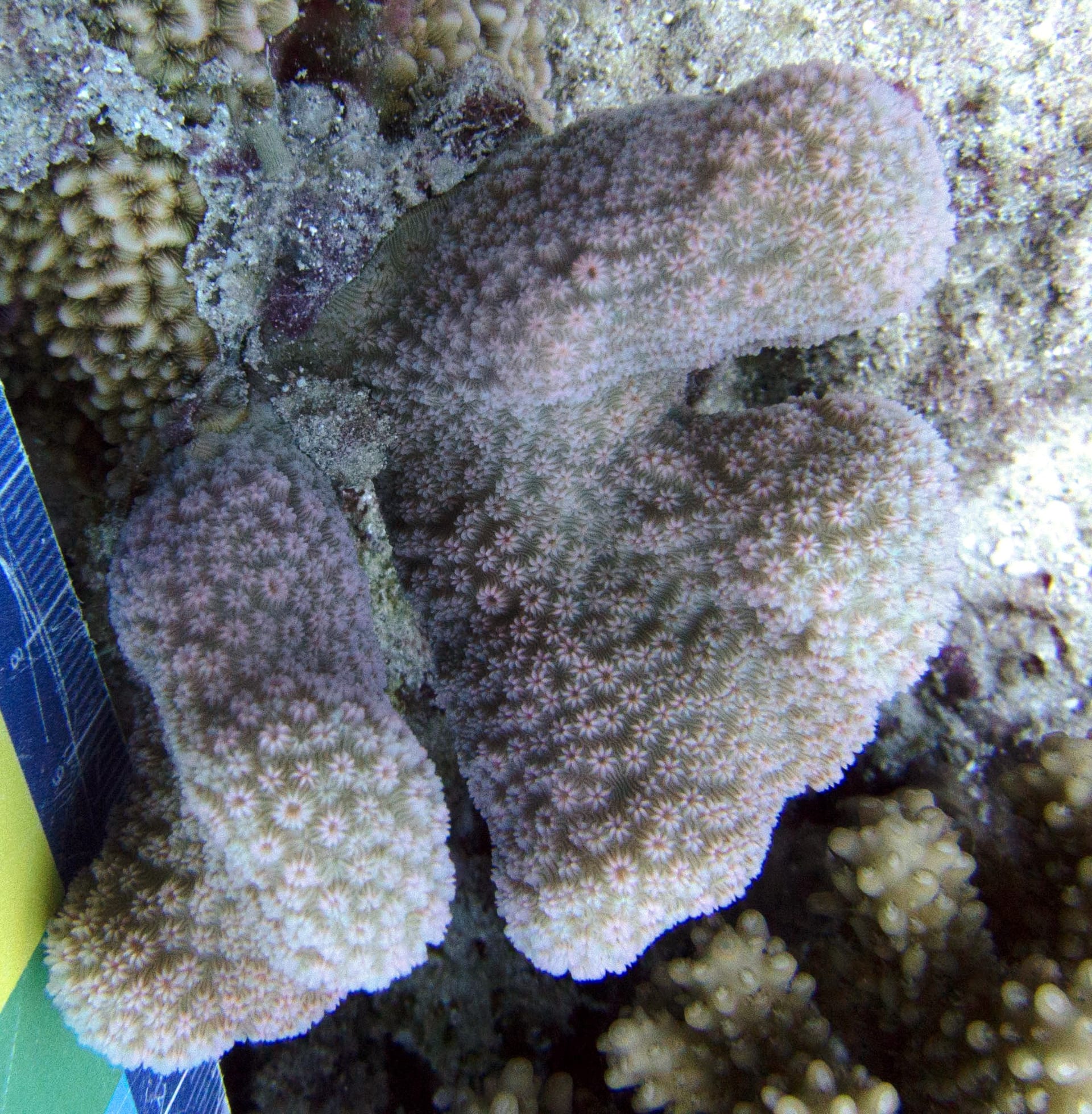
 © Ryan McMinds / CC BY 2.0
Maldives Leaf Coral
The Maldives Leaf Coral changes its shape depending on water movement. In strong-flow areas it forms finger-like columns, while in calmer water it grows into thin plates or encrusting sheets. Most colonies are gray-brown or green, but some glow a vivid orange thanks to an accessory pigment called phycoerythrin, which makes them a striking accent in a reef tank. Its care level is intermediate, so it is best suited to a tank with stable water quality, lighting, and flow, and to keepers who have planned for its eventual spread.
View Maldives Leaf Coral encyclopedia →0% commission on your first sales!Register by September 30, 2026 and your first 2 sales are commission-free!
Breeder Wanted!
List on BreederDirect and sell directly to customers nationwide!
Br-Choku's 6 Transparency Standards
Our Breeder sellers disclose detailed care specs for all Coral listings. We prioritize Aquacultured/CB specimens, verify WYSIWYG photos, and provide difficulty ratings—avoiding wild-caught.
- Aquacultured
- WYSIWYG Photo
- Difficulty Disclosed
- Frag/Colony
- Care Info Included
- Trade name shown
Browse all 241 breeds
Difficulty
Verified breeders wanted for Coral
Breeders are signing up now ahead of launch. Subscribe to be notified when new listings go live.
Getting alerts is free with a member account. When new listings match your saved search, we'll notify you by email and in-app.
Browse other categories
Verified breeders (preview)
Maldives Leaf Coral key facts
- Care level
- Intermediate
- Lifespan
- Little data available
- Size
- Clumps can exceed 1 m, but colonies under 30 cm are more usual (Wikipedia)
- Temperature
- 24〜27℃
- Diet
- Photosynthesis (zooxanthellae) plus plankton
- Lighting
- It hosts zooxanthellae (Wikipedia). Its orange fluorescence comes from a pigment excited by daylight, so adjust brightness while checking colour under lighting with a blue component.
- Flow & Placement
- It grows columns in strong water movement and plates in calm water (Corals of the World). Choose stronger or gentler flow according to the growth form you want to keep.
- Water Temperature & Quality
- 24-27°C, salinity 33-35 ppt (SG 1.023-1.025); Reeflex gives 24-28°C.
- Diet & Feeding
- Besides photosynthesis it takes plankton (Reeflex); feed small amounts of fine food.
- Health & Cautions
- Pavona are regarded as easy small stony corals (Wikipedia); Reeflex rates this species moderately easy.
About Maldives Leaf Coral
Maldives Leaf Coral: columnar or plate-like depending on flow, in gray-brown, green or orange. Intermediate care level, with tips to know before you buy.
7 things to know before welcoming a Maldives Leaf Coral
1Shape Changes with Environment
In strong-flow areas it forms finger-like columns, while in calmer water it grows into thin plates or encrusting sheets. Because the same species can look quite different depending on flow, treat listing photos as a snapshot of its current shape. Its future growth form may also depend on the conditions in your tank.
2Best for Intermediate Keepers
Its care level is intermediate, so it suits people who already have some coral-keeping experience. It is best introduced into a tank with stable water quality, lighting, and flow, and a freshly set-up tank is best avoided. Reliable information on its lifespan is limited, so plan for the long term.
3Acclimate to Light and Flow
This coral relies on symbiotic algae, so light matters. Sudden exposure to strong light or flow can stress it, so start in a gentler spot and adjust gradually while watching how it responds. Flow strength is also thought to influence whether it grows more columnar or more plate-like.
4Leave Room to Spread
Its size is poorly documented, so no clear figure can be given. Plate-like or encrusting forms can spread over and shade their neighbors, so leave generous spacing between corals. Allow for future spread when choosing where to place it.
5Colors Vary by Colony
Gray-brown and green colonies are common, but some glow bright orange thanks to an accessory pigment called phycoerythrin. Color differs from colony to colony, and it can look different under different lighting or in photos, so compare listing photos to find one you like. The shade may also shift somewhat with tank conditions.
6Watch for Warning Signs
Tissue thinning, exposed skeleton, or sudden color loss may signal that conditions do not suit the coral. Observe it daily so you can notice changes early, then review water quality, lighting, and flow. If you are unsure, ask the seller or an experienced keeper.
7CITES and Species Name
It is listed in CITES Appendix II. Corals vary widely in shape and color, so identifying a species by looks alone can be difficult. Check the species name and background information on the listing, and ask the seller if anything is unclear before you buy.
Frequently asked questions about Maldives Leaf Coral
- Q.Can a beginner keep it?
- A.Its care level is intermediate. It is easier to keep if you have coral-keeping experience and a tank where water quality, lighting, and flow are stable. If you are new to corals, it helps to learn from experienced keepers first.
- Q.How large does it grow?
- A.Its size is poorly documented, so no clear figure can be given. Its shape shifts between columns and plates depending on conditions such as flow, so choose a spot that allows room for future spread.
- Q.How long does it live?
- A.There is little reliable information on its lifespan, so no clear estimate can be given. Keeping the tank environment stable is the basis for enjoying it over the long term.
- Q.Are there orange colonies?
- A.Gray-brown and green are more common, but some colonies glow bright orange because of an accessory pigment called phycoerythrin. Color varies from colony to colony, so check the photos on the listing.
- Q.What should I ask the seller first?
- A.It helps to ask about the colony's current shape and size, the light and flow conditions it has been kept in, and its color. If anything is hard to tell from the photos alone, ask before you buy.
Useful tools for Maldives Leaf Coral care
Learn more about Maldives Leaf Coral in the encyclopedia
View Maldives Leaf Coral encyclopedia entry →
Care difficulty, lifespan, size and diet — all basics covered.
More in this category
Can't find the one you're looking for?
Post your wishes for free and breeders with matching animals will contact you with introductions.