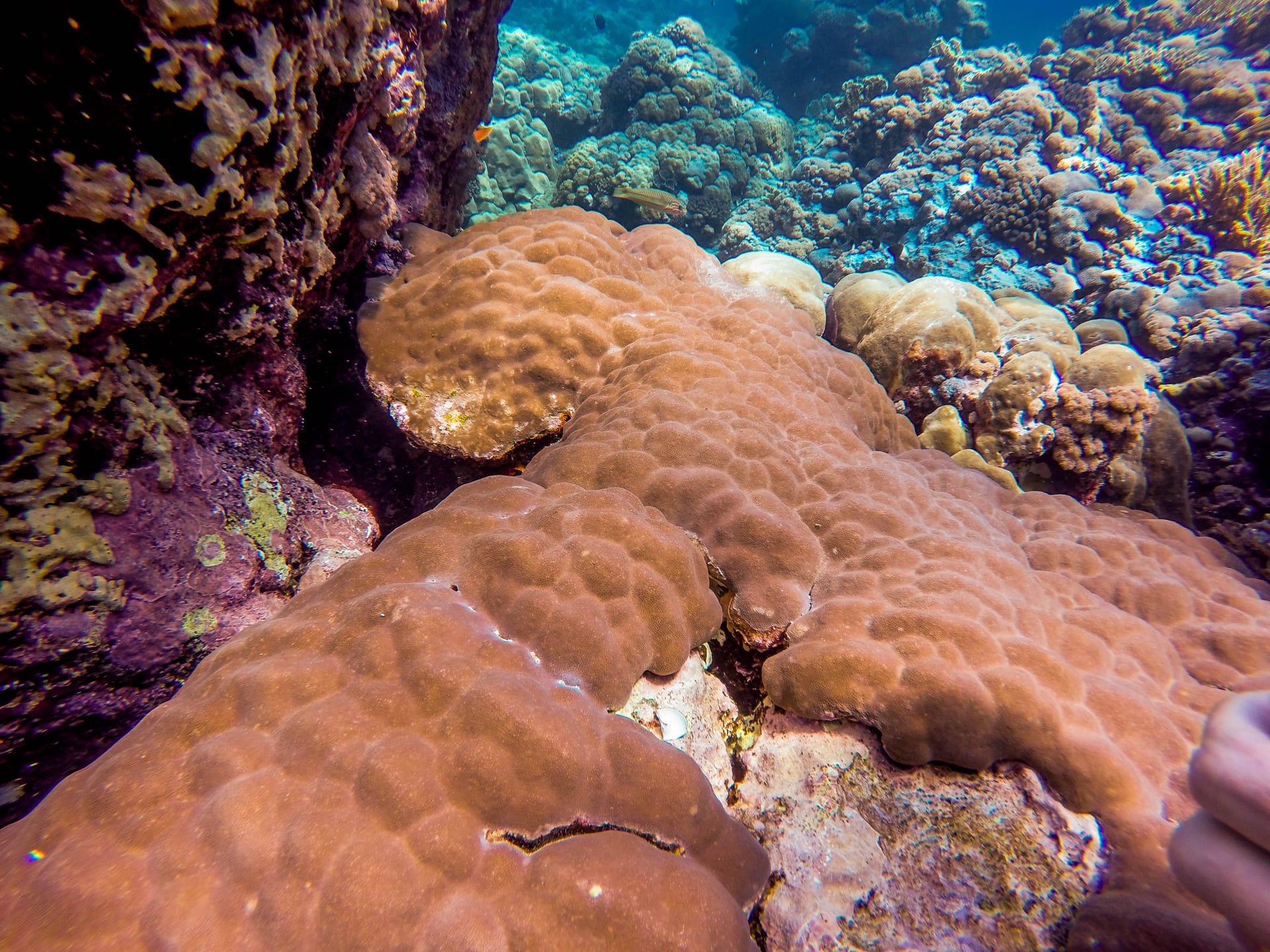
 © Ryan McMinds / CC BY 2.0
Lobe Coral
Lobe Coral is a massive stony coral that forms smooth, rounded domes or helmet-shaped blocks. In the wild, colonies can exceed 4 m in diameter, and cream or yellow tones are common. Its corallites are tiny, only 1 to 1.5 mm across, and look packed with skeletal elements, which gives the surface its even, polished feel. It is less a flashy showpiece than a slow, steady one whose bulk you enjoy over time. Rated for advanced keepers, it suits hobbyists who are already comfortable managing water quality and lighting.
View Lobe Coral encyclopedia →0% commission on your first sales!Register by September 30, 2026 and your first 2 sales are commission-free!
Breeder Wanted!
List on BreederDirect and sell directly to customers nationwide!
Br-Choku's 6 Transparency Standards
Our Breeder sellers disclose detailed care specs for all Coral listings. We prioritize Aquacultured/CB specimens, verify WYSIWYG photos, and provide difficulty ratings—avoiding wild-caught.
- Aquacultured
- WYSIWYG Photo
- Difficulty Disclosed
- Frag/Colony
- Care Info Included
- Trade name shown
Browse all 242 breeds
Difficulty
Verified breeders wanted for Coral
Breeders are signing up now ahead of launch. Subscribe to be notified when new listings go live.
Getting alerts is free with a member account. When new listings match your saved search, we'll notify you by email and in-app.
Browse other categories
Verified breeders (preview)
Lobe Coral key facts
- Care level
- Advanced
- Lifespan
- Little data available (massive colonies lay down an annual growth band)
- Size
- Wild colonies may exceed 4 m across (Corals of the World)
- Temperature
- 24〜27℃
- Diet
- Photosynthesis (zooxanthellae) plus plankton
- Lighting
- A zooxanthellate coral of the intertidal and shallows (Wikipedia). Give bright light, acclimating it gradually at first.
- Flow & Placement
- According to Wikipedia it grows faster on wave-exposed slopes. Give moderate to strong flow so detritus does not settle, and place it stably on sand or rock.
- Water Temperature & Quality
- 24-27°C, salinity 33-35 ppt (SG 1.023-1.025). Prolonged high temperatures reduce its growth (Wikipedia).
- Diet & Feeding
- Besides photosynthesis it takes plankton (Reeflex). If it carries Christmas tree worms, also feed fine particulate food for them.
- Health & Cautions
- Not for beginners (Reeflex). This is a species that grows into large mounds, so allow room in the tank.
About Lobe Coral
Lobe Coral is a massive stony coral forming smooth domes or helmet shapes, with tiny 1 to 1.5 mm corallites and mostly cream or yellow color. Advanced keepers only. Learn the key points before bringing one home.
7 things to know before welcoming a Lobe Coral
1Grows as a Solid Mass
Instead of branching out, it grows as a dome or helmet-shaped block. Wild colonies can exceed 4 m in diameter, so it pays to leave room around it in the tank. Its smooth surface makes a calm accent next to other corals.
2Advanced-Level Care
The reference guide rates this coral as suited to advanced keepers. It is wise to consider it once you can handle basics such as stable water quality and lighting through routine observation and record keeping. If you are new to corals, think carefully before making it your first colony.
3Tiny Corallites, Close Watching
The corallites are only 1 to 1.5 mm across and look filled with skeletal elements. Because the polyps are so small, changes in color or surface texture can be easy to miss unless you look closely. Checking on the colony a little every day is a good habit.
4Check the Color in Photos
Cream and yellow are the most common colors. How a colony looks can change with lighting and its condition. Compare several photos on the listing page, and ask the seller about anything you are unsure of.
5Lifespan and Long-Term Care
Lifespan is poorly documented, so no clear number can be given. Plan your space and care routine on the assumption that you will keep it for a long time.
6Placement and Spacing
A massive coral spreads outward as it grows. Neighboring corals placed too close can irritate one another, so allow generous spacing. It also helps to choose a spot at the start that you will not need to change later.
7Prepare Before Arrival
Before the coral arrives, confirm that your tank's water quality is stable and that lighting and flow are set up. On arrival, acclimate it following the breeder's guidance so the change in conditions is as small as possible. Also inspect the surface for unusual paleness or small hitchhikers.
Frequently asked questions about Lobe Coral
- Q.Can a beginner keep it?
- A.The reference guide rates it as suited to advanced keepers. It is easier to keep up if you first get comfortable with basics such as stable water quality, lighting, and flow.
- Q.How large does it get?
- A.Wild colonies can exceed 4 m in diameter (Corals of the World). Growth in a tank depends on conditions, so it is wise to reserve space with its future spread in mind.
- Q.How long does it live?
- A.Sources are limited, and no clear lifespan is given. Please consider it with long-term keeping in mind.
- Q.Can it live with other corals?
- A.Because the colony spreads outward as it grows, it is safest to keep a good distance from neighboring corals. Compatibility varies with the individual and the setup, so judge based on the balance of the whole tank.
- Q.Is there any CITES information?
- A.Lobe Coral is listed in CITES Appendix II. If you would like more detail, it is a good idea to ask the seller before you buy.
Useful tools for Lobe Coral care
Learn more about Lobe Coral in the encyclopedia
View Lobe Coral encyclopedia entry →
Care difficulty, lifespan, size and diet — all basics covered.
More in this category
Can't find the one you're looking for?
Post your wishes for free and breeders with matching animals will contact you with introductions.