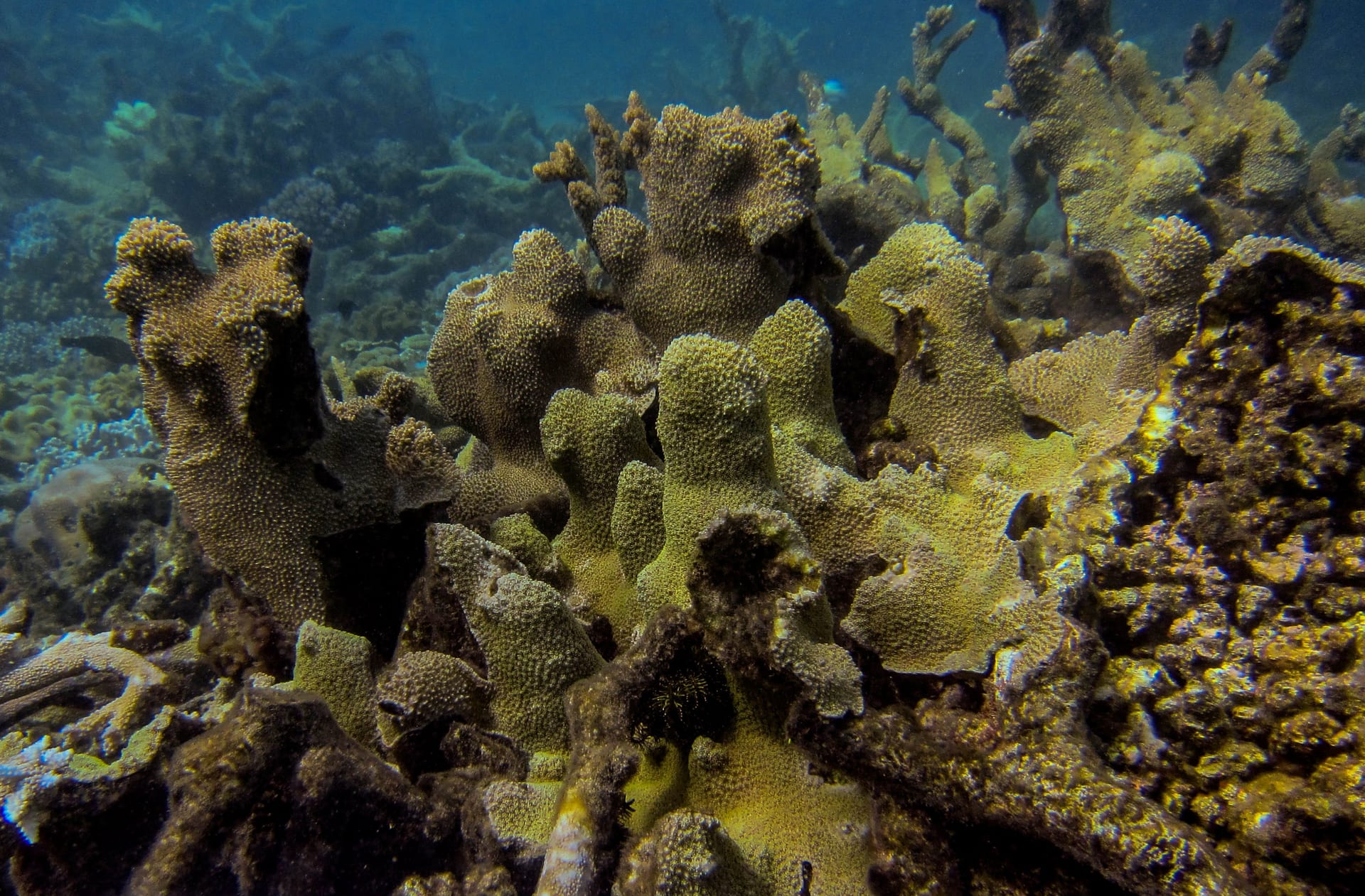
 © Ryan McMinds / CC BY 2.0
Spiny Horn Coral
The Spiny Horn Coral is a stony coral whose corallite walls project as small pointed bumps called hydnophores. A single colony can mix massive, encrusting and low branching growth, so each piece has its own look. Its long, fluffy tentacles stay out both day and night, giving the colony a soft, gently moving presence in the tank. Colors run from cream to muted green, and it is rated beginner-friendly, which makes it an easy coral to consider as a first step.
View Spiny Horn Coral encyclopedia →0% commission on your first sales!Register by September 30, 2026 and your first 2 sales are commission-free!
Breeder Wanted!
List on BreederDirect and sell directly to customers nationwide!
Br-Choku's 6 Transparency Standards
Our Breeder sellers disclose detailed care specs for all Coral listings. We prioritize Aquacultured/CB specimens, verify WYSIWYG photos, and provide difficulty ratings—avoiding wild-caught.
- Aquacultured
- WYSIWYG Photo
- Difficulty Disclosed
- Frag/Colony
- Care Info Included
- Trade name shown
Browse all 241 breeds
Difficulty
Verified breeders wanted for Coral
Breeders are signing up now ahead of launch. Subscribe to be notified when new listings go live.
Getting alerts is free with a member account. When new listings match your saved search, we'll notify you by email and in-app.
Browse other categories
Verified breeders (preview)
Spiny Horn Coral key facts
- Care level
- Beginner-friendly
- Lifespan
- Little data available
- Size
- Up to about 25 cm (Reeflex)
- Temperature
- 24〜27℃
- Diet
- Photosynthesis (zooxanthellae) plus plankton
- Lighting
- It hosts zooxanthellae (Reeflex). Common in lagoons and on protected slopes, so acclimate it at moderate light and adjust by colour.
- Flow & Placement
- A species of calm habitats: give moderate flow that lets the long tentacles sway, and leave space around it because the tentacles are out day and night.
- Water Temperature & Quality
- 24-27°C, salinity 33-35 ppt (SG 1.023-1.025); Reeflex also gives 24-27°C.
- Diet & Feeding
- Besides photosynthesis it takes plankton (Reeflex); offer fine frozen food while the tentacles are out.
- Health & Cautions
- Considered easy (Reeflex). Corals of the World treats it as a species complex, so differently shaped corals may be sold under this name.
About Spiny Horn Coral
Meet the Spiny Horn Coral: a beginner-friendly coral with pointed hydnophores, long fluffy tentacles and cream or muted green tones. Learn about its size, care basics and what to check before bringing one home.
7 things to know before welcoming a Spiny Horn Coral
1Look for the pointed bumps
Its corallite walls project as small pointed bumps called hydnophores. Massive, encrusting and low branching forms can even mix within a single colony. Check the listing photos so you know what shape you are getting.
2Give the tentacles room
It keeps its long, fluffy tentacles extended day and night. Contact may irritate neighboring corals, so leave comfortable space between them. Adjust the layout as the colony and its tentacles spread.
3A calm color palette
Colors are mostly cream or muted green, giving an understated look. Lighting and photo conditions can change how the color appears, so it helps to review more than one photo in the listing.
4Beginner-friendly, but keep it stable
Its care level is rated beginner-friendly. As with any coral, the basics are steady day-to-day care and avoiding sudden shifts in water quality or temperature. For a while after arrival, watch how the tentacles extend and whether the color changes.
5Plan for growth
Adult size is poorly documented, so no clear figure can be given. Allowing for growth and tentacle spread, choose a spot with room to spare so you will not need to rearrange the tank later.
6Signs to watch for
Tentacles that stay retracted, a sudden color change or exposed skeleton may mean the conditions do not suit it. If you notice any of these, review water quality, temperature, lighting and flow first. Taking photos regularly makes changes easier to spot.
7Acclimation and prep
Do not drop it straight into the tank on arrival. Take time to acclimate it gradually to your water temperature and quality. Decide the spacing from existing corals, plus the lighting and flow it will receive, before it arrives.
Frequently asked questions about Spiny Horn Coral
- Q.Can a beginner keep it?
- A.Its care level is rated beginner-friendly. It still assumes stable water quality and temperature, so it is safer to bring one home once your tank has settled.
- Q.How long does it live?
- A.Reliable information on its lifespan is limited, so no specific figure can be given. Steady water conditions and regular observation are the best way to keep it healthy over the long term.
- Q.How big does it get?
- A.Its size is poorly documented, so no clear figure can be given. Because the tentacles spread as well, plan the placement with some space to spare.
- Q.Can I keep it with other corals?
- A.The key is to keep other corals out of reach of its long, fluffy tentacles. Leave plenty of space and check now and then that nothing is touching.
- Q.Is it listed under CITES?
- A.Yes, it is listed in CITES Appendix II. If you have questions about a specific animal, you can message the seller before buying.
Useful tools for Spiny Horn Coral care
Learn more about Spiny Horn Coral in the encyclopedia
View Spiny Horn Coral encyclopedia entry →
Care difficulty, lifespan, size and diet — all basics covered.
More in this category
Can't find the one you're looking for?
Post your wishes for free and breeders with matching animals will contact you with introductions.