Source: Wikimedia Commons
Beadlet Anemone
BeginnerActinia equina
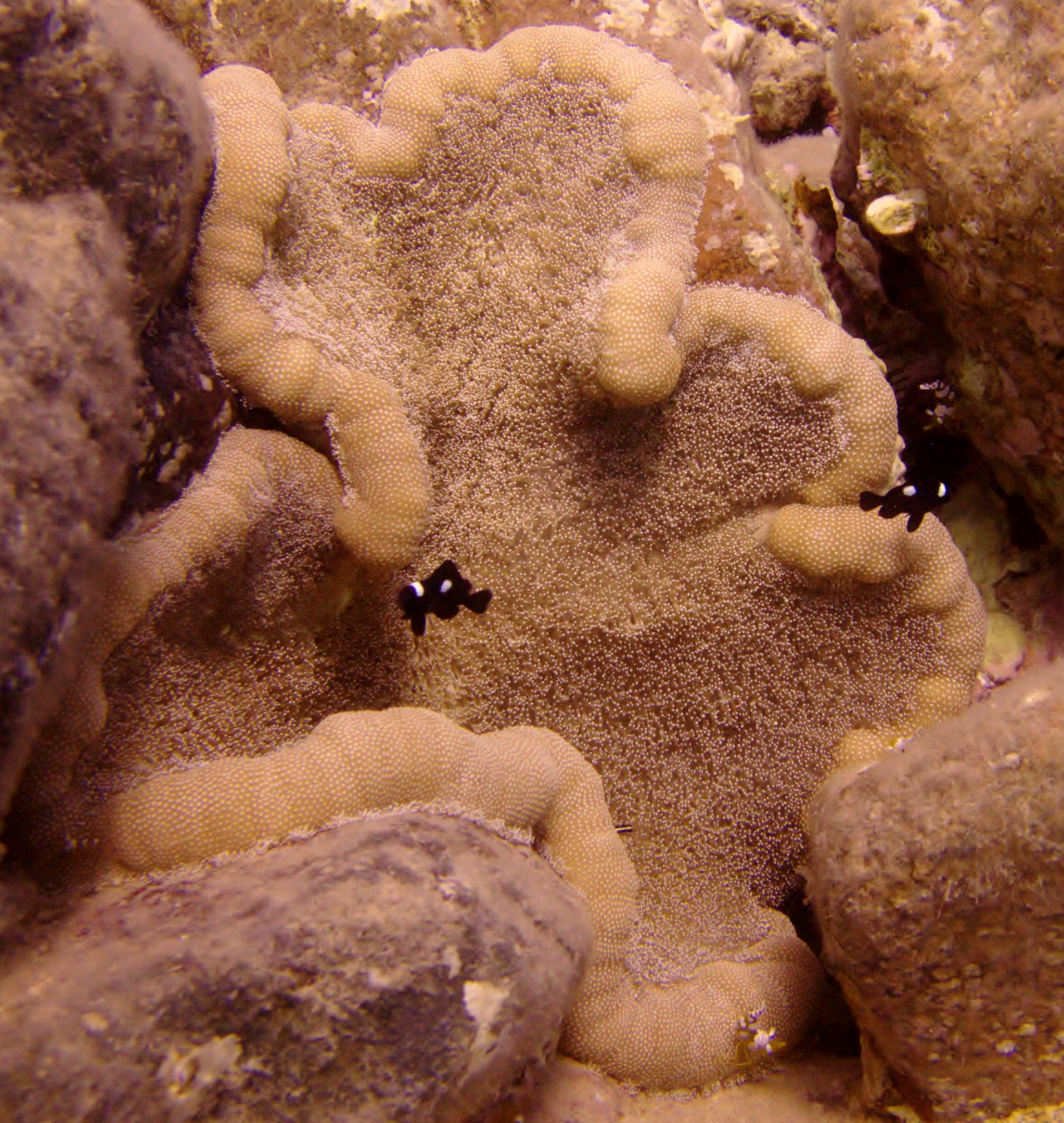
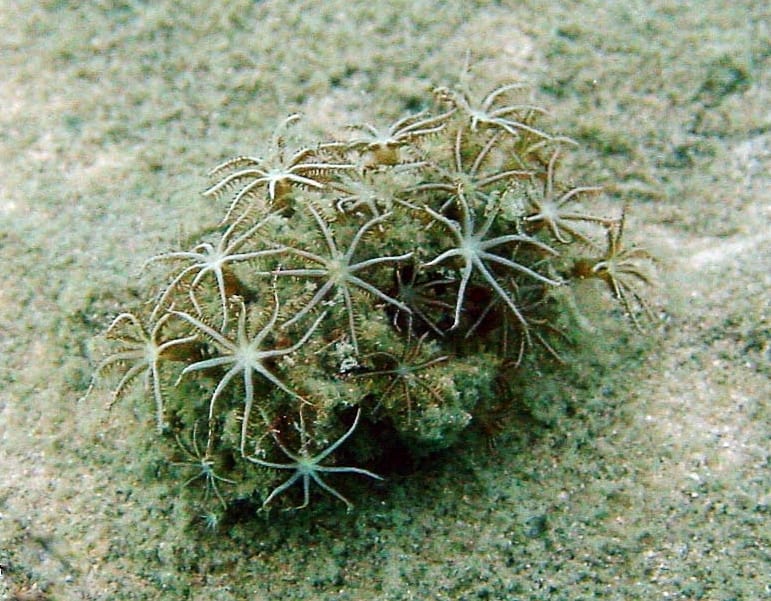
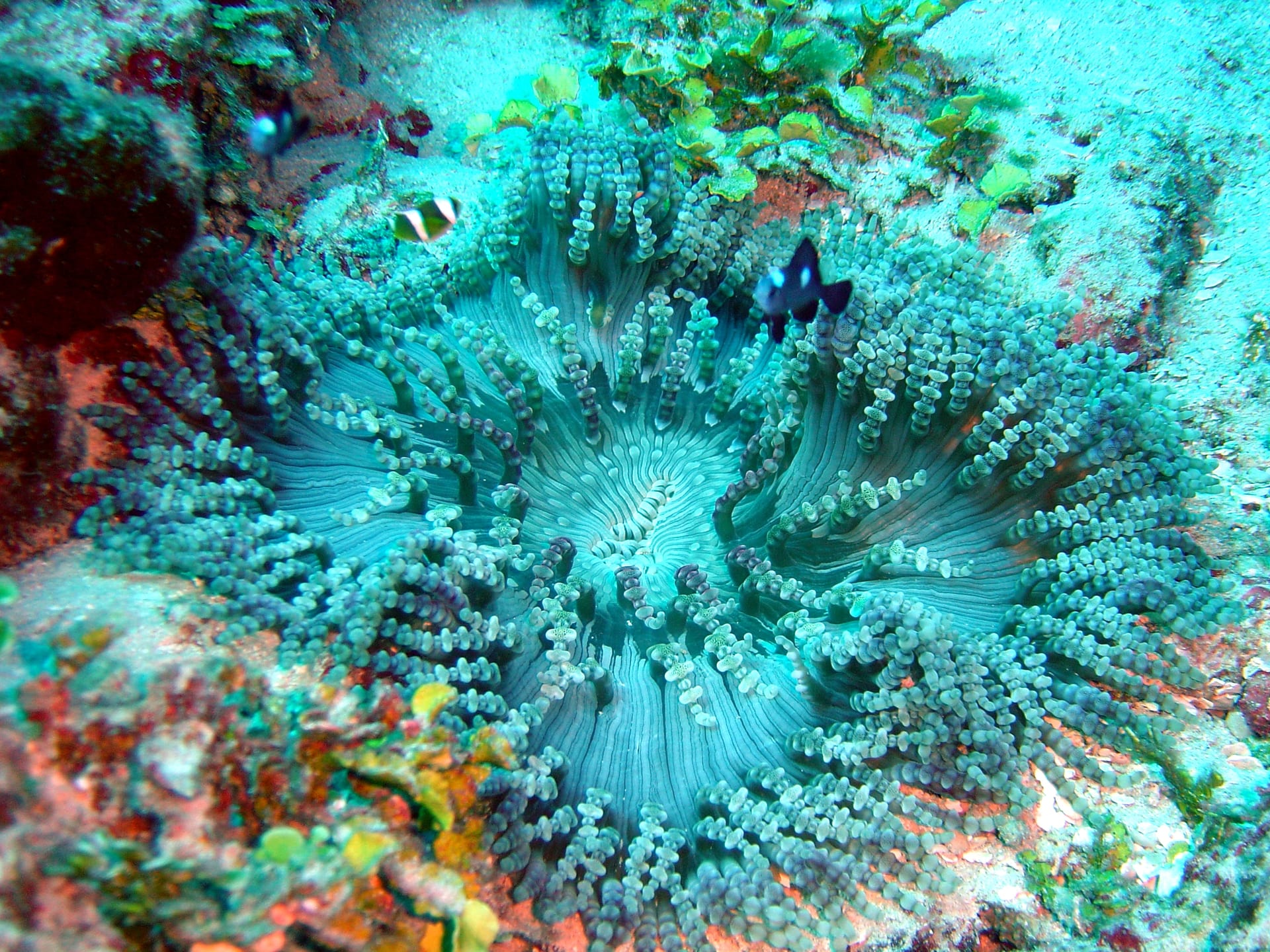
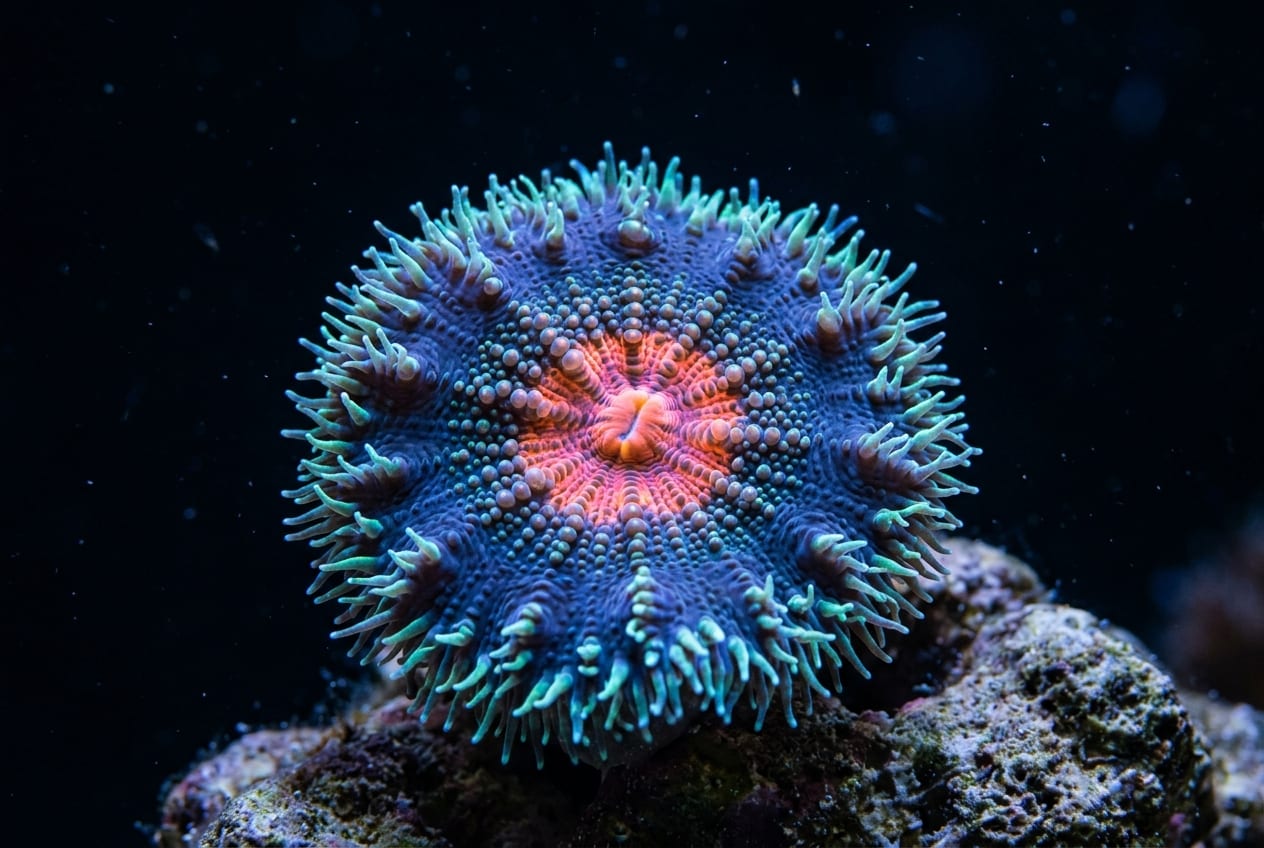
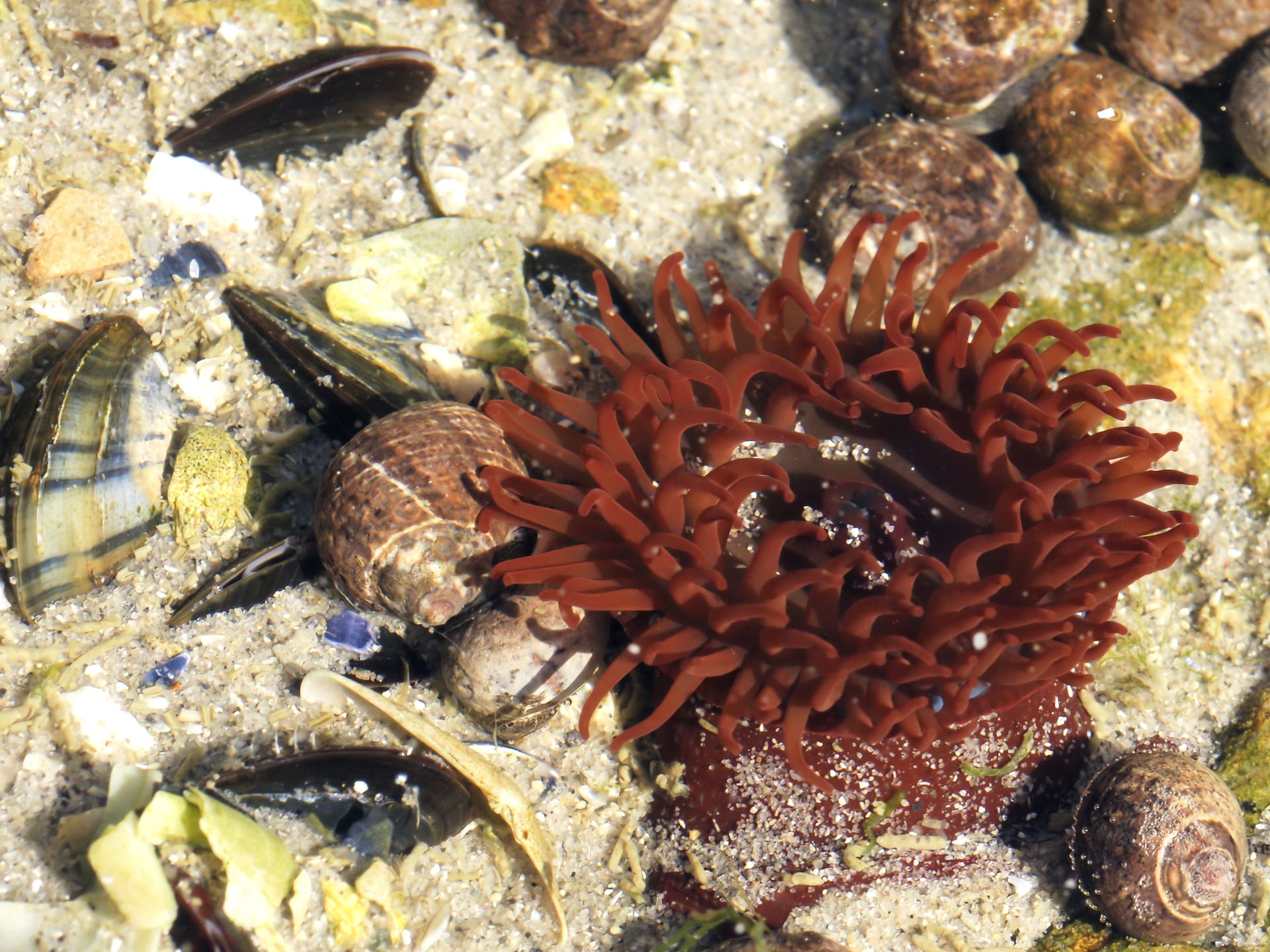
A shore anemone that pulls in its tentacles at low tide to become a red-brown blob about 5 cm across, like a pickled plum. Blue beads (acrorhagi) ring the top of the column and are used in territorial fights.
Difficulty
Beginner
Temperature
24〜27℃
Lifespan
One captive individual in Britain lived nearly 60 years
Size
About 5 cm across when contracted
Diet
Carnivore (small crustaceans, pieces of seafood)
About
Actinia equina is a sea anemone of the family Actiniidae, common on rocky shores around Japan. The name is used because Japanese animals were long treated as the same species as those from Britain, western Europe, the Mediterranean and West Africa, but Japanese populations may be a separate species (Wikipedia). Adults bear 96 and up to 192 tentacles arranged in six circles. When the tide falls and the tentacles are withdrawn, it becomes a red-brown blob about 5 cm across, like a Japanese pickled plum. Blue beads called acrorhagi, packed with stinging cells, ring the top of the column and are used to fight neighbours for space. Adapted to the intertidal zone, it tolerates some heat and drying and can live in estuaries where salinity varies. It reproduces by releasing small, asexually produced young from its mouth. It is considered easy to keep, and one individual in Britain lived nearly 60 years in captivity. In Japan, shore-collected specimens are sold by marine livestock dealers.
Source: Wikipedia (CC BY-SA 4.0)
Lifespan of the Beadlet Anemone
The Beadlet Anemone lives One captive individual in Britain lived nearly 60 years.
Size of the Beadlet Anemone
The Beadlet Anemone grows to About 5 cm across when contracted.
Basic Info
Origin
Rocky shores of Japan (under this name also Europe, West Africa and East Asia)
Lifespan
One captive individual in Britain lived nearly 60 years
Care Specifications
- Specific Gravity
- 1.023–1.025
- Salinity
- 33–35 ppt
With caution
Sources: Wikipedia (Japanese: Actinia equina) / Wikipedia (Beadlet anemone) / Reeflex (Actinia equina)
References & Sources
Edited & verified by: BreederDirect editorial team
The taxonomic, regulatory, and husbandry data on this page are compiled and verified against the authoritative primary sources below.
Taxonomy & Authority
Regulations & Conservation Status
Not CITES-listed
Domestic law: Collecting on the shore or in the sea may fall under fishing rights or prefectural fisheries rules, and taking designated species in marine park zones requires a permit (Natural Parks Act, Art. 22). Check local rules before collecting.
Not listed in the CITES Appendices (checked on Species+). Not designated as an Invasive Alien Species under Japanese law.
Sources: Species+ (CITES search) / Ministry of the Environment: List of Designated Invasive Alien Species / e-Gov: Natural Parks Act (Art. 22, marine park zones)
Regulations may change. Always verify the latest information with the relevant authorities.
Beadlet Anemone Listings
Loading latest listingsFind listings for this species