Source: Wikimedia Commons
Cabbage Leather Coral
BeginnerSinularia brassica
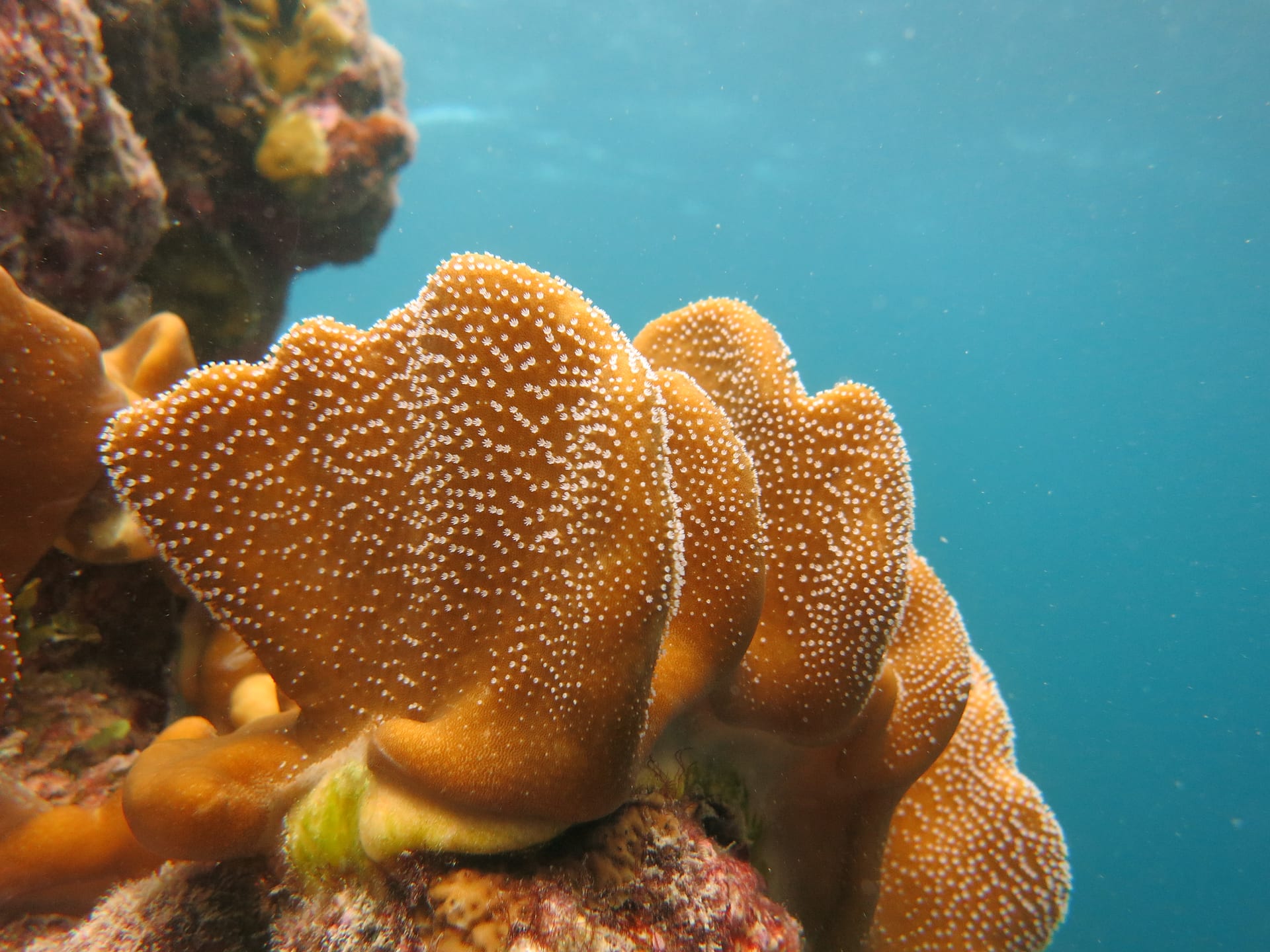
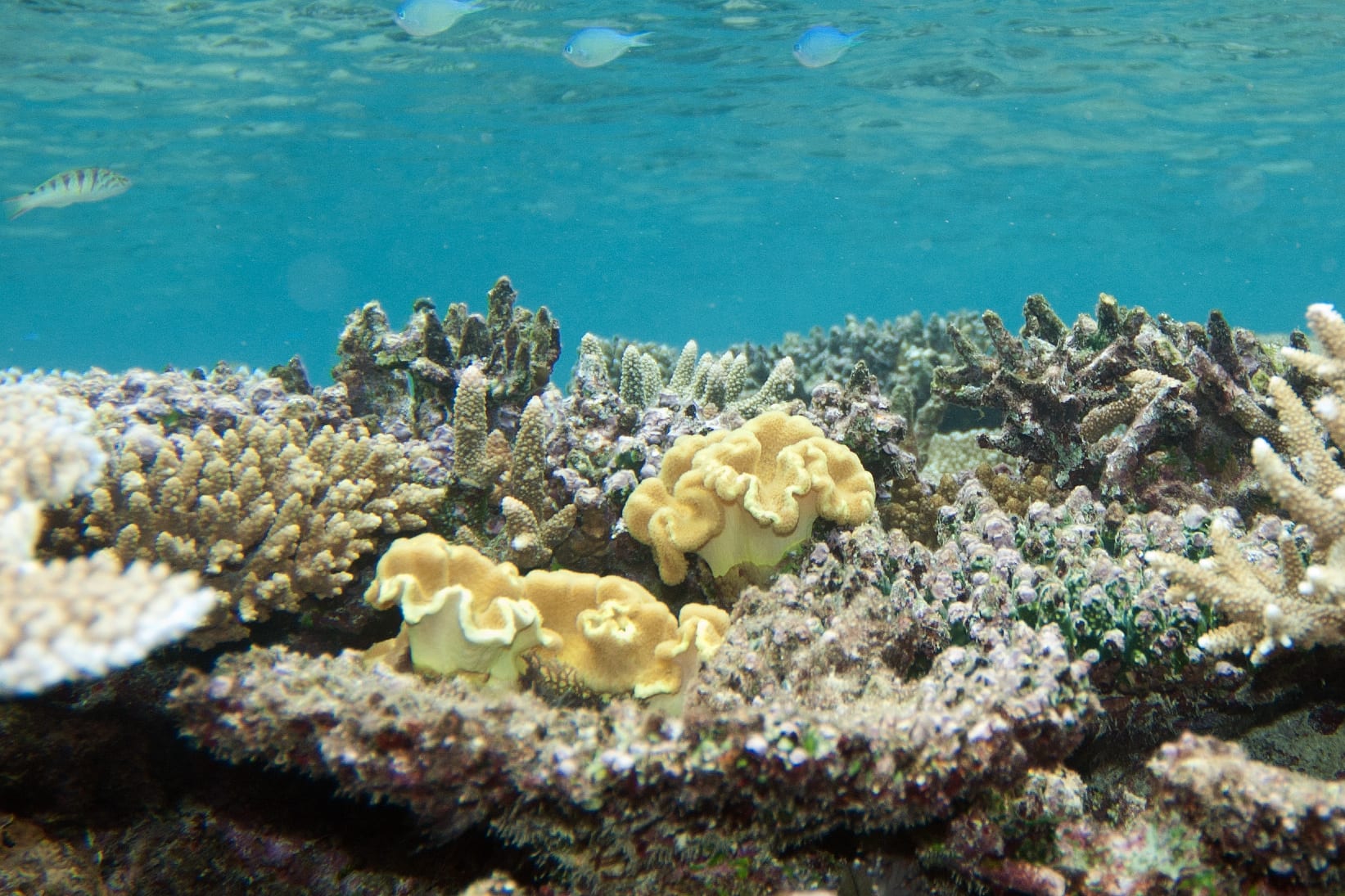
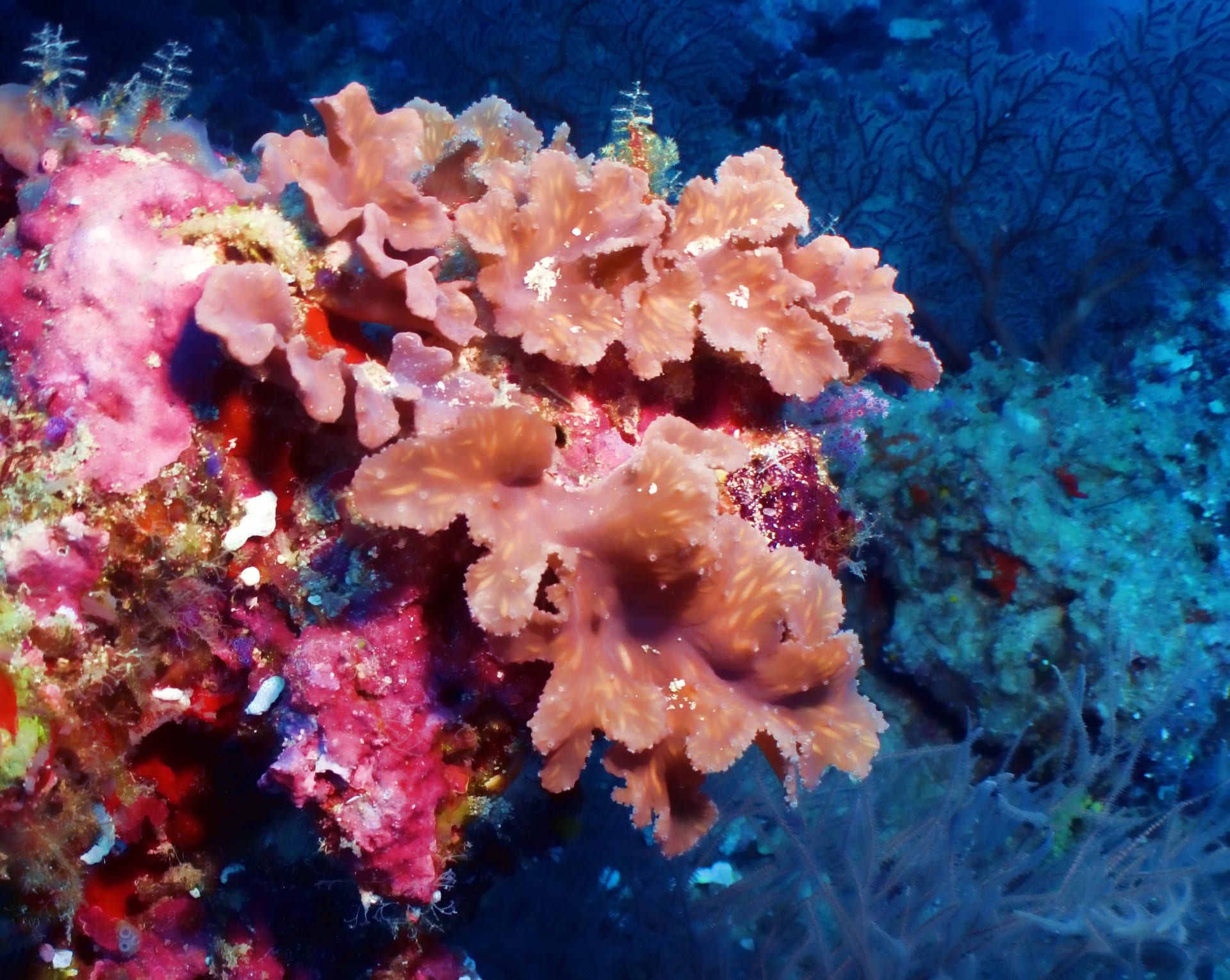
A leather coral whose thick folded lobes stack like a cabbage. It depends on zooxanthellae, adapts across a wide range of light and flow, and is a hardy beginner coral.
Difficulty
Beginner
Temperature
24〜27℃
Diet
Mainly photosynthesis via zooxanthellae
About
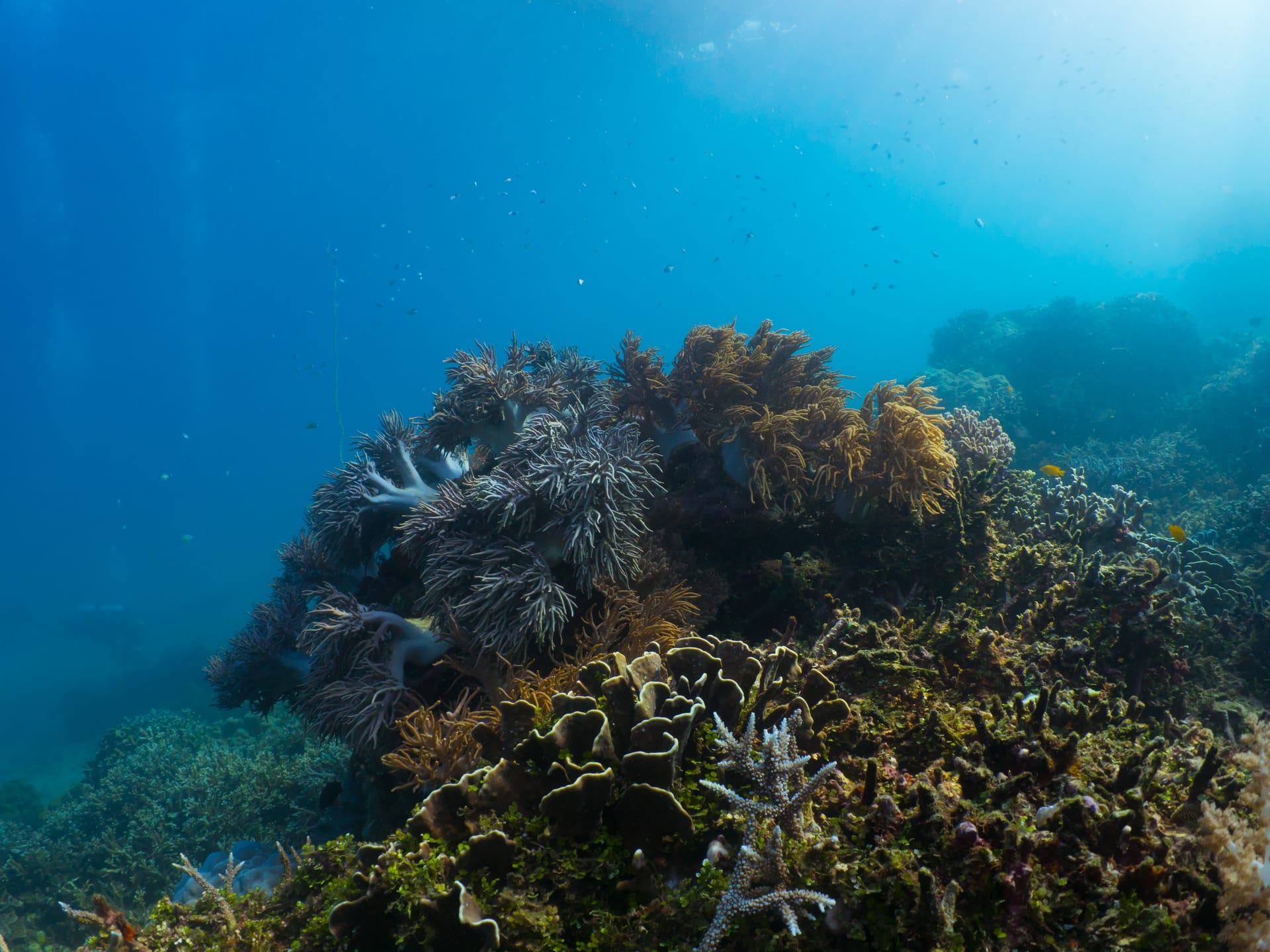
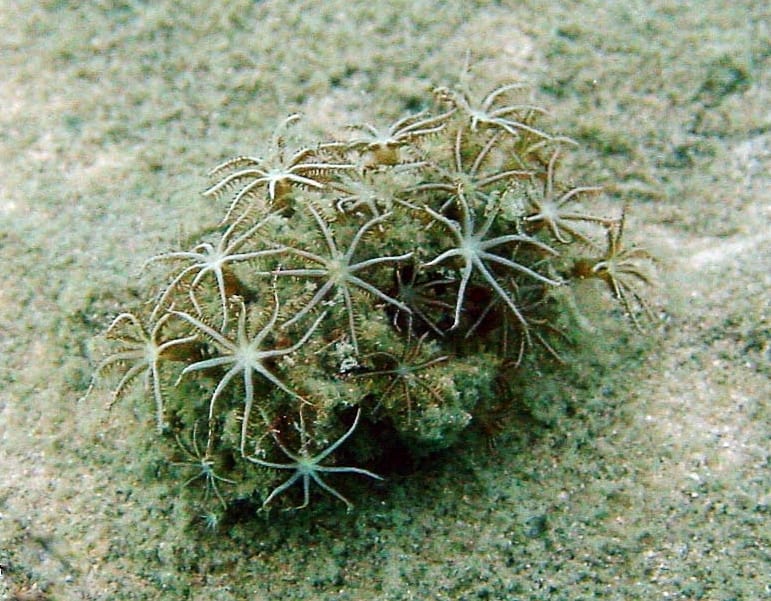
Sinularia brassica, described by May in 1898, is a soft coral of the family Sinulariidae; the widely used trade name Sinularia dura is treated by WoRMS as a synonym of this species. Thick leafy lobes fold over one another in a way that suggests a cabbage, hence the common name. The species is zooxanthellate and its tolerance of light is broad, occurring from bright shallows to murky depths approaching 40 metres. It also tolerates a wide range of flow, and growth form shifts with conditions, stronger flow producing thicker, stubbier lobes. In the aquarium the usual advice is to mount it where other corals do not want to be, such as the sides of large rocks or the lower part of the tank. It merely survives in low light, however, and does best under moderate to bright lighting with strong turbulent flow. Being a soft coral, its demands for calcium and similar parameters are less strict than a stony coral's.
Source: Wikipedia (CC BY-SA 4.0)
Temperature & humidity for the Cabbage Leather Coral
The ideal temperature for the Cabbage Leather Coral is 24〜27℃.
Basic Info
Origin
Indo-West Pacific (Red Sea, Palau, Micronesia, South Africa and elsewhere)
Temperature
24〜27℃
Diet
Mainly photosynthesis via zooxanthellae
Care Guide
Lighting
Care Specifications
- Water Temp.
- 24–27℃
- Specific Gravity
- 1.023–1.025
- Salinity
- 33–35 ppt
Soft coralLight: Medium (PAR 50-150)Flow: HighPlacement: Bottom
Sources: Wikipedia: Reef aquarium (water parameters) / AlgaeBarn: Keeping Sinularia Coral / AlgaeBarn: Reconsidering Soft Corals
References & Sources
Edited & verified by: BreederDirect editorial team
The taxonomic, regulatory, and husbandry data on this page are compiled and verified against the authoritative primary sources below.
Taxonomy & Authority
Accepted name: Sinularia brassica May, 1898
Synonyms: Sclerophytum durum, Sinularia cervicornis, Sinularia dura, Sinularia triaena
Authority databases: WoRMS
Nomenclature follows global taxonomic authority databases.
Regulations & Conservation Status
Not CITES-listed
Octocoral, order Malacalcyonacea (Sinularia brassica, Sinulariidae). Not listed by CITES: it belongs to none of Scleractinia, Antipatharia, Helioporidae, Tubiporidae, Milleporidae or Stylasteridae.
Sources: DOC NZ / CITES-listed corals (taxon not listed) / CITES Appendices
Regulations may change. Always verify the latest information with the relevant authorities.
Cabbage Leather Coral Listings
Loading latest listingsFind listings for this species