Source: Wikimedia Commons
Sinularia Flexibilis
BeginnerSclerophytum flexibile
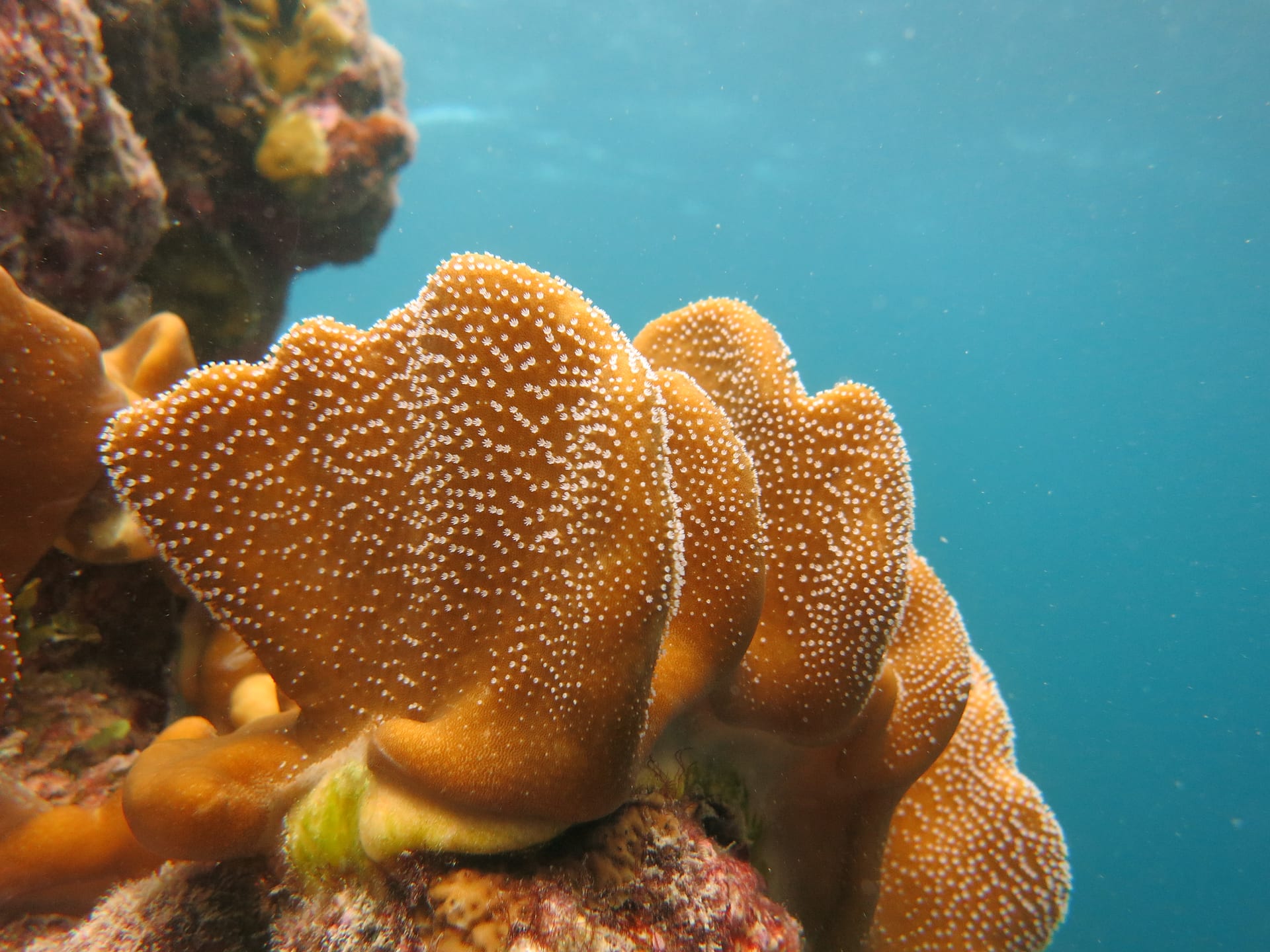
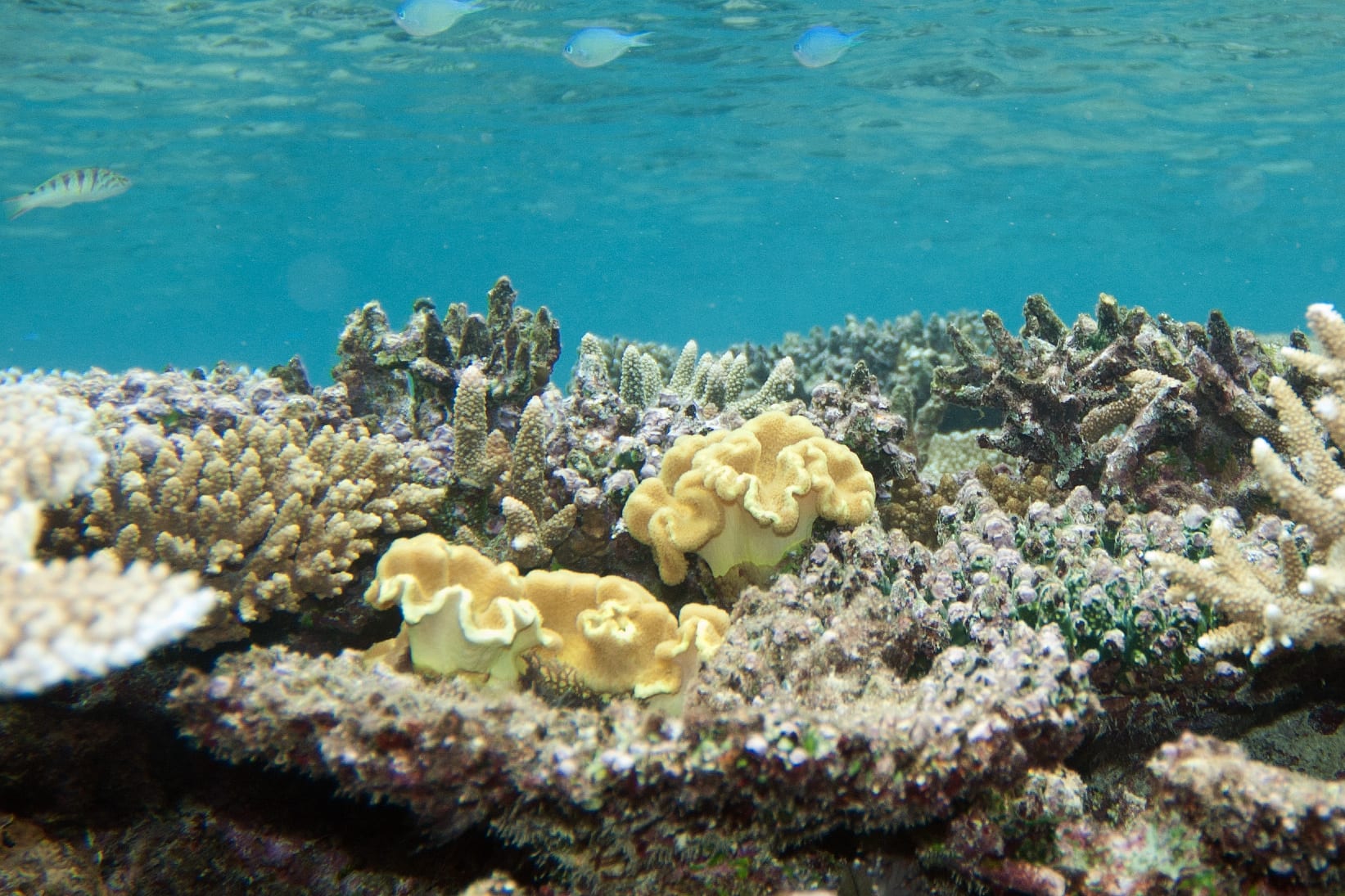
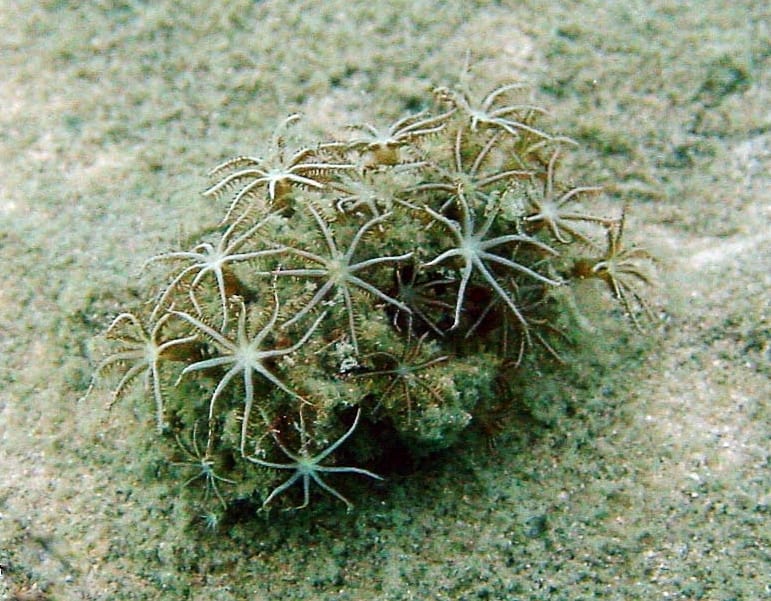
A soft leather coral whose long finger-like branches hang in clusters. It depends on zooxanthellae, is also sold as spaghetti finger leather coral, and is a hardy beginner species.
Difficulty
Beginner
Temperature
24〜27℃
Diet
Mainly photosynthesis via zooxanthellae
About
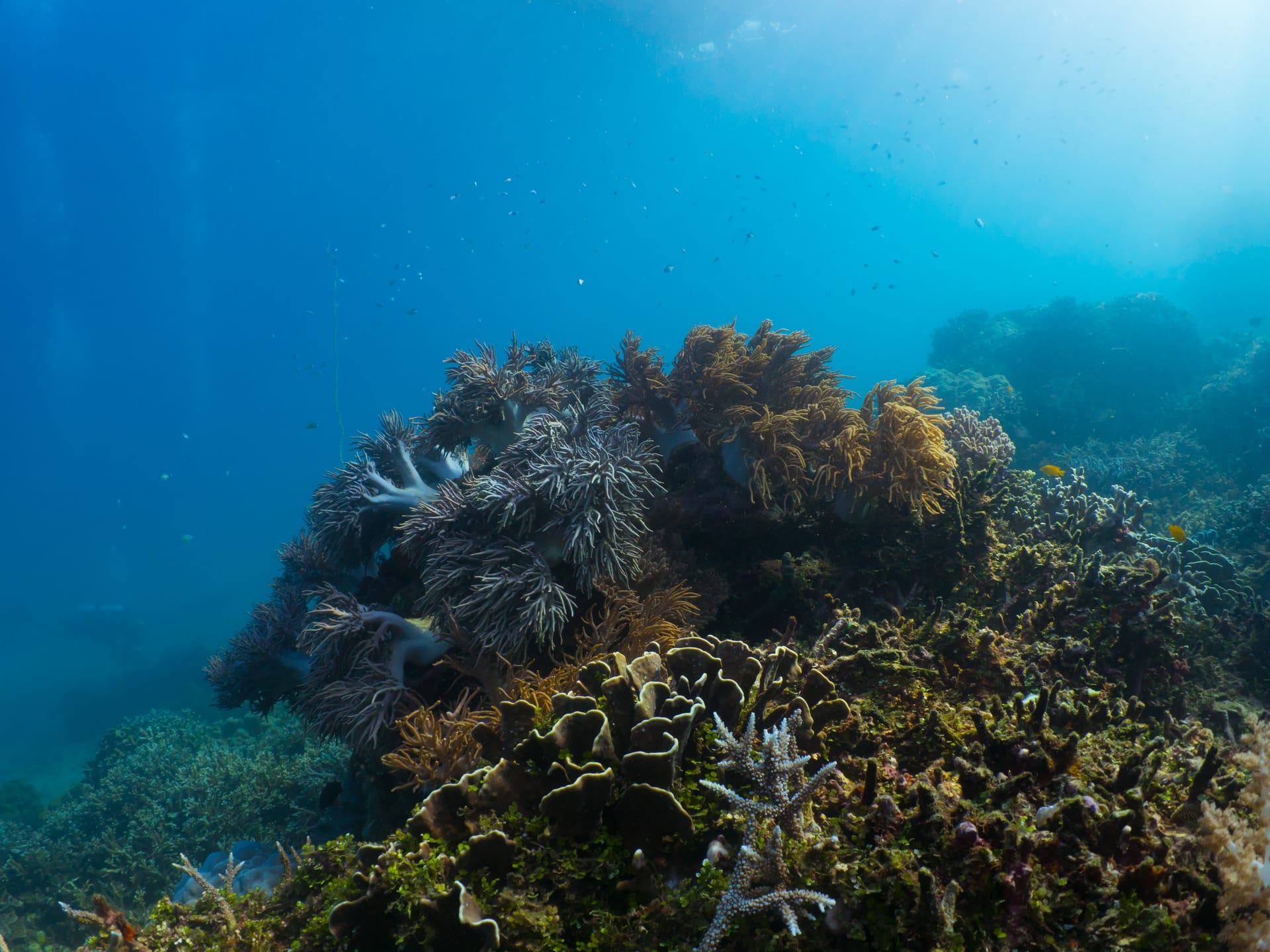
Sclerophytum flexibile, described by Quoy and Gaimard in 1833, was long known as Sinularia flexibilis, and that older name is still almost universal in the trade. English names include flexible leather coral, slimy leather coral and spaghetti finger leather coral. Soft, elongated finger-like branches hang in clusters and sway in the current, which is its display appeal. It lives in Indo-Pacific reef environments, is zooxanthellate and draws energy from photosynthesis, and plays an important role in reef communities. The species is also studied for biologically active compounds with antimicrobial and pharmaceutical potential, and in the aquarium it releases chemicals that suppress nearby corals, so carbon and a skimmer are advisable. Care itself is easy, with moderate lighting and moderate or stronger flow suiting it.
Source: Wikipedia (CC BY-SA 4.0)
Temperature & humidity for the Sinularia Flexibilis
The ideal temperature for the Sinularia Flexibilis is 24〜27℃.
Basic Info
Origin
Reef environments of the Indo-Pacific
Temperature
24〜27℃
Diet
Mainly photosynthesis via zooxanthellae
Care Guide
Lighting
Moderate lighting. It depends on zooxanthellae, so avoid very dim conditions.
Care Specifications
- Water Temp.
- 24–27℃
- Specific Gravity
- 1.023–1.025
- Salinity
- 33–35 ppt
Soft coralLight: Medium (PAR 50-150)Flow: MediumPlacement: Middle
Sources: Wikipedia: Reef aquarium (water parameters) / AlgaeBarn: Keeping Sinularia Coral / AlgaeBarn: Reconsidering Soft Corals
References & Sources
Edited & verified by: BreederDirect editorial team
The taxonomic, regulatory, and husbandry data on this page are compiled and verified against the authoritative primary sources below.
Taxonomy & Authority
Accepted name: Sclerophytum flexibile (Quoy & Gaimard, 1833)
Synonyms: Alcyonium flexibile, Alcyonium flexile, Danella flexibilis, Sinularia flexibilis, Sinularia flexilis
Authority databases: WoRMS
Nomenclature follows global taxonomic authority databases.
Regulations & Conservation Status
Not CITES-listed
Octocoral, order Malacalcyonacea (Sclerophytum flexibile, Sarcophytidae). Not listed by CITES: it belongs to none of Scleractinia, Antipatharia, Helioporidae, Tubiporidae, Milleporidae or Stylasteridae.
Sources: DOC NZ / CITES-listed corals (taxon not listed) / CITES Appendices
Regulations may change. Always verify the latest information with the relevant authorities.
Sinularia Flexibilis Listings
Loading latest listingsFind listings for this species