Source: Wikimedia Commons
Condylactis Anemone
IntermediateCondylactis gigantea
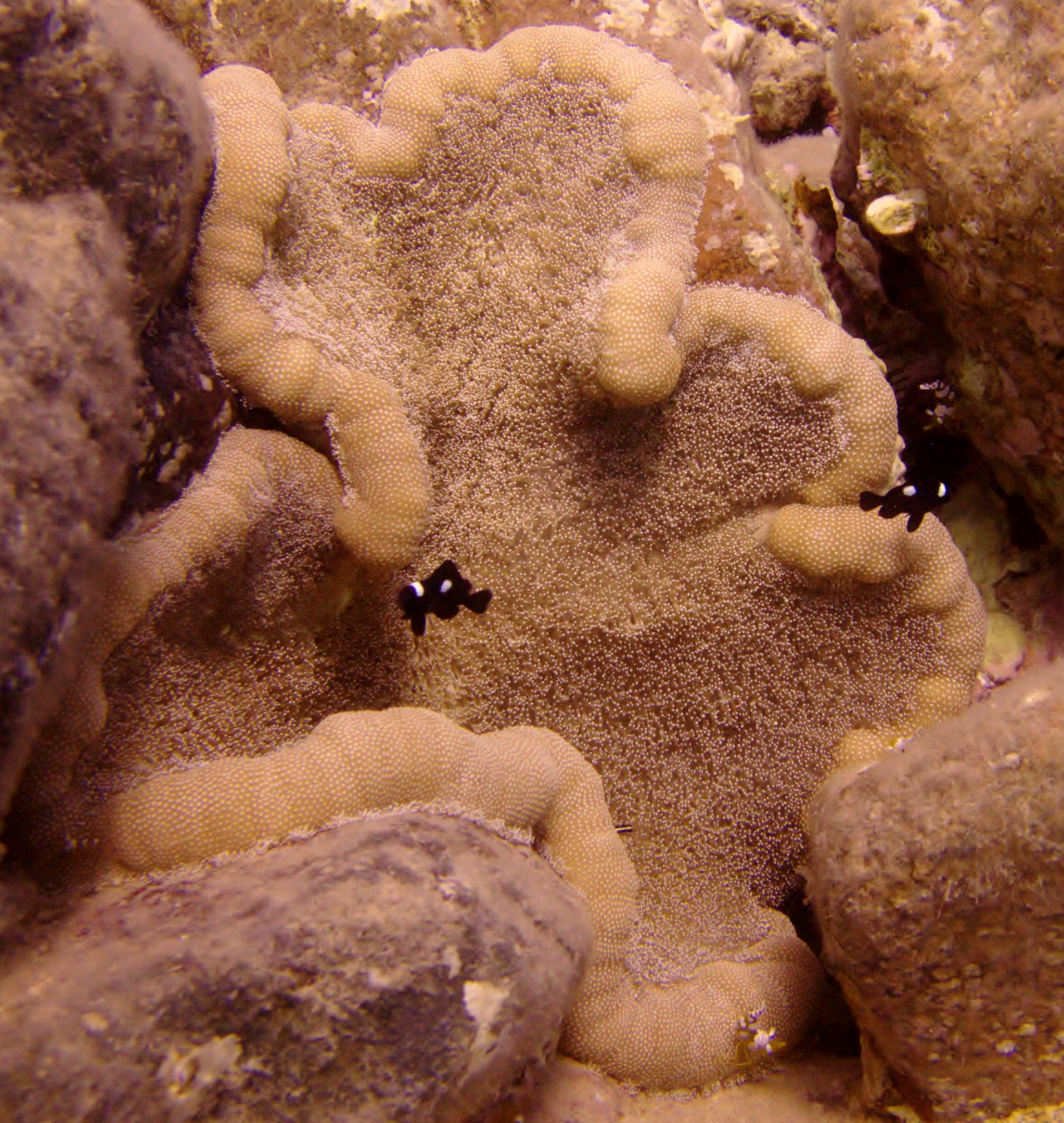
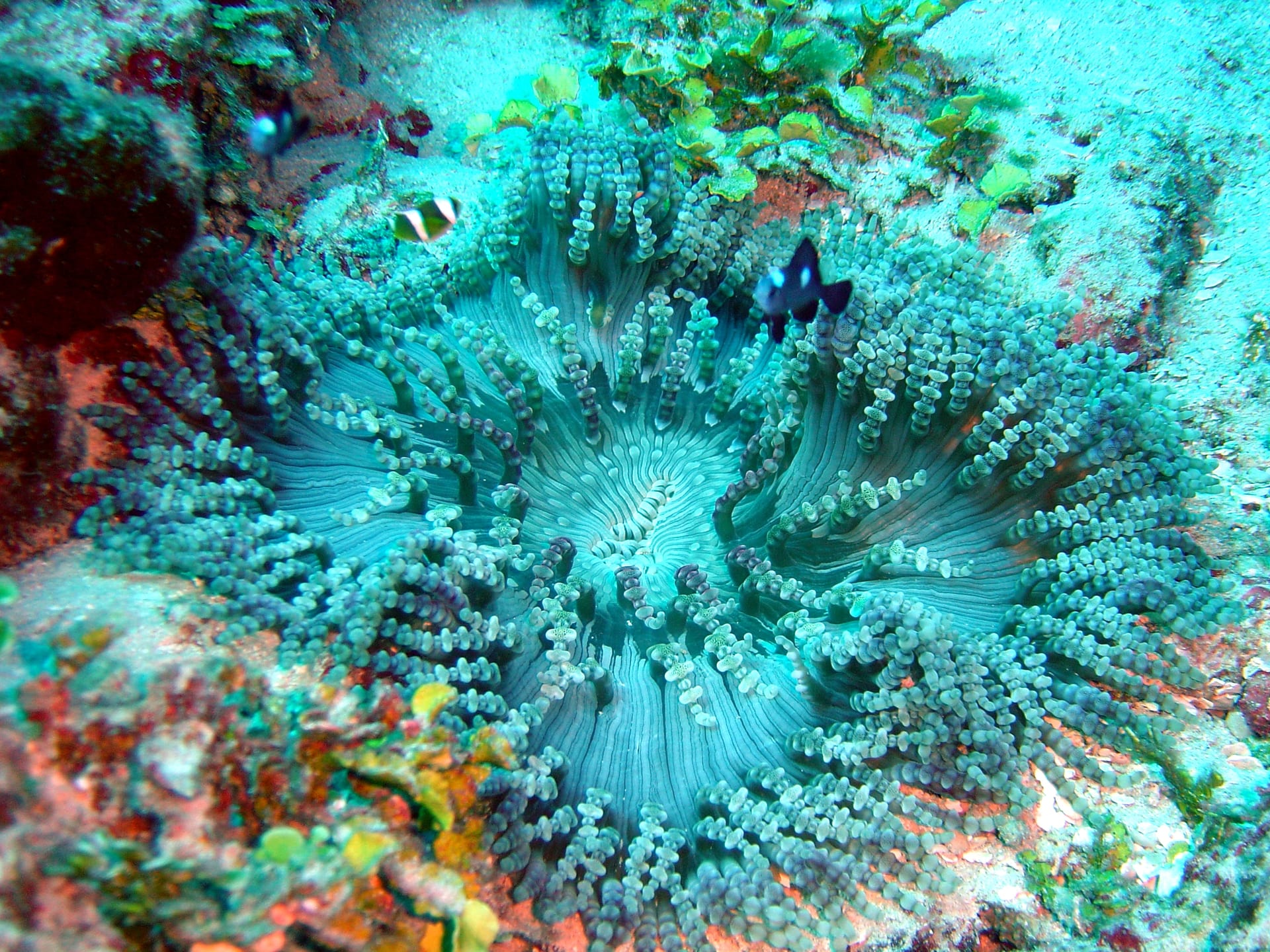
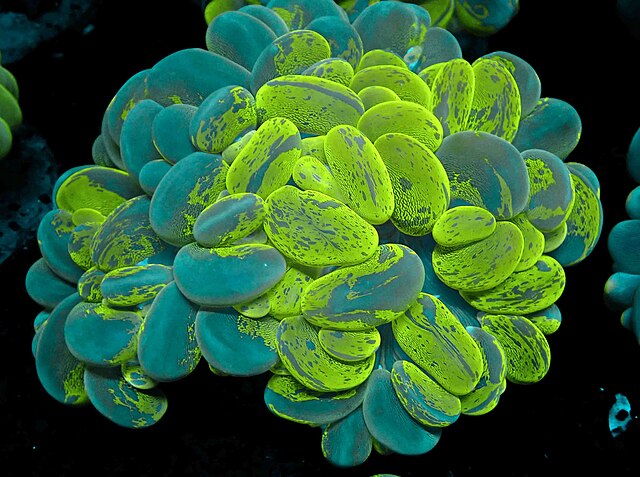
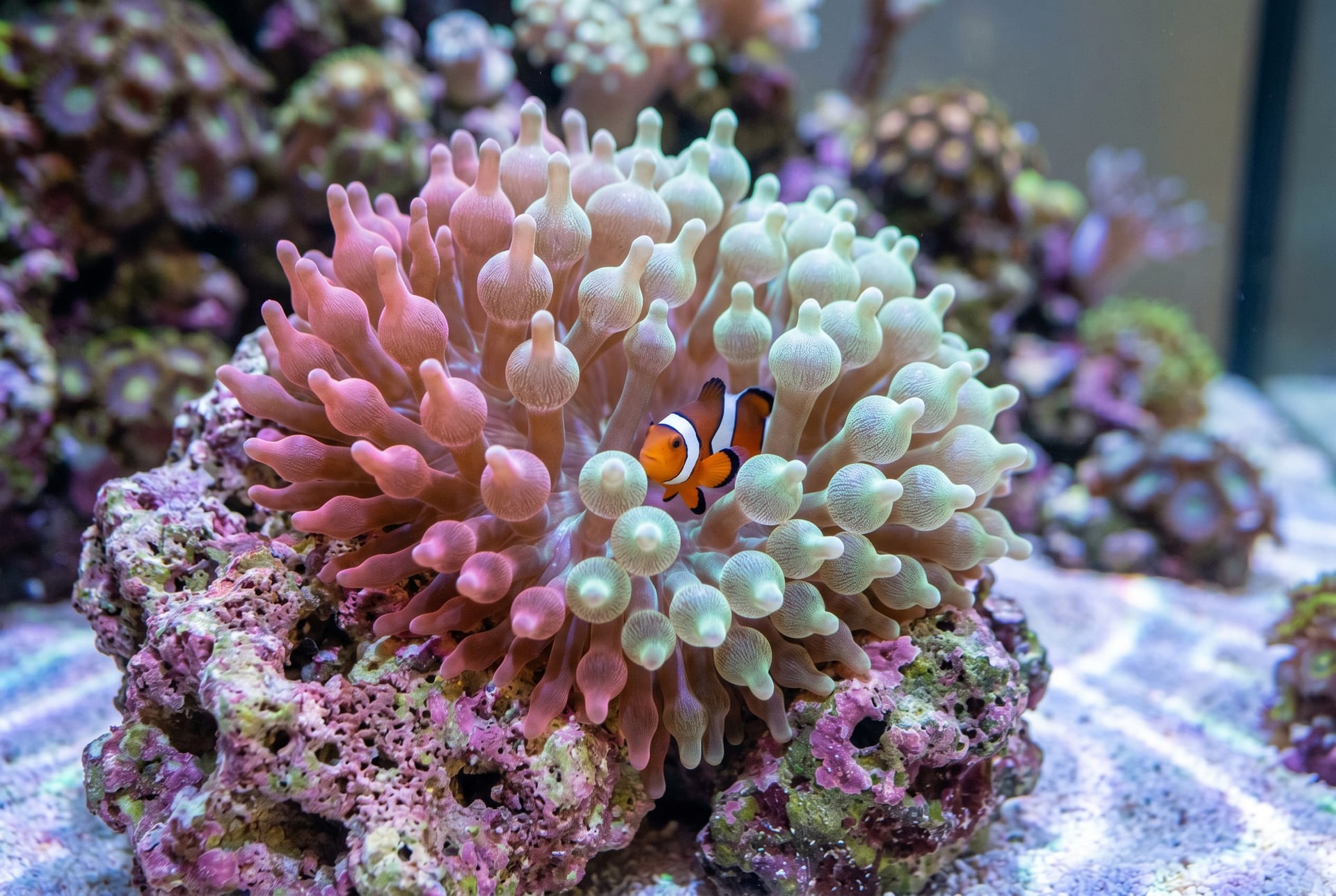
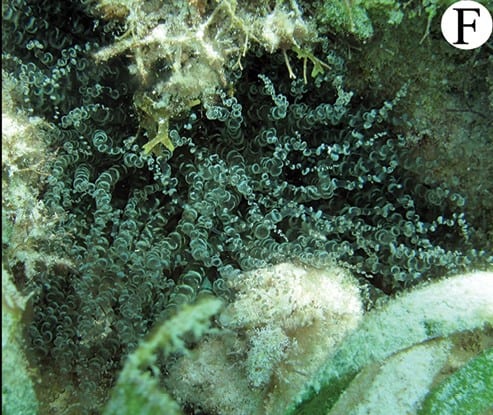
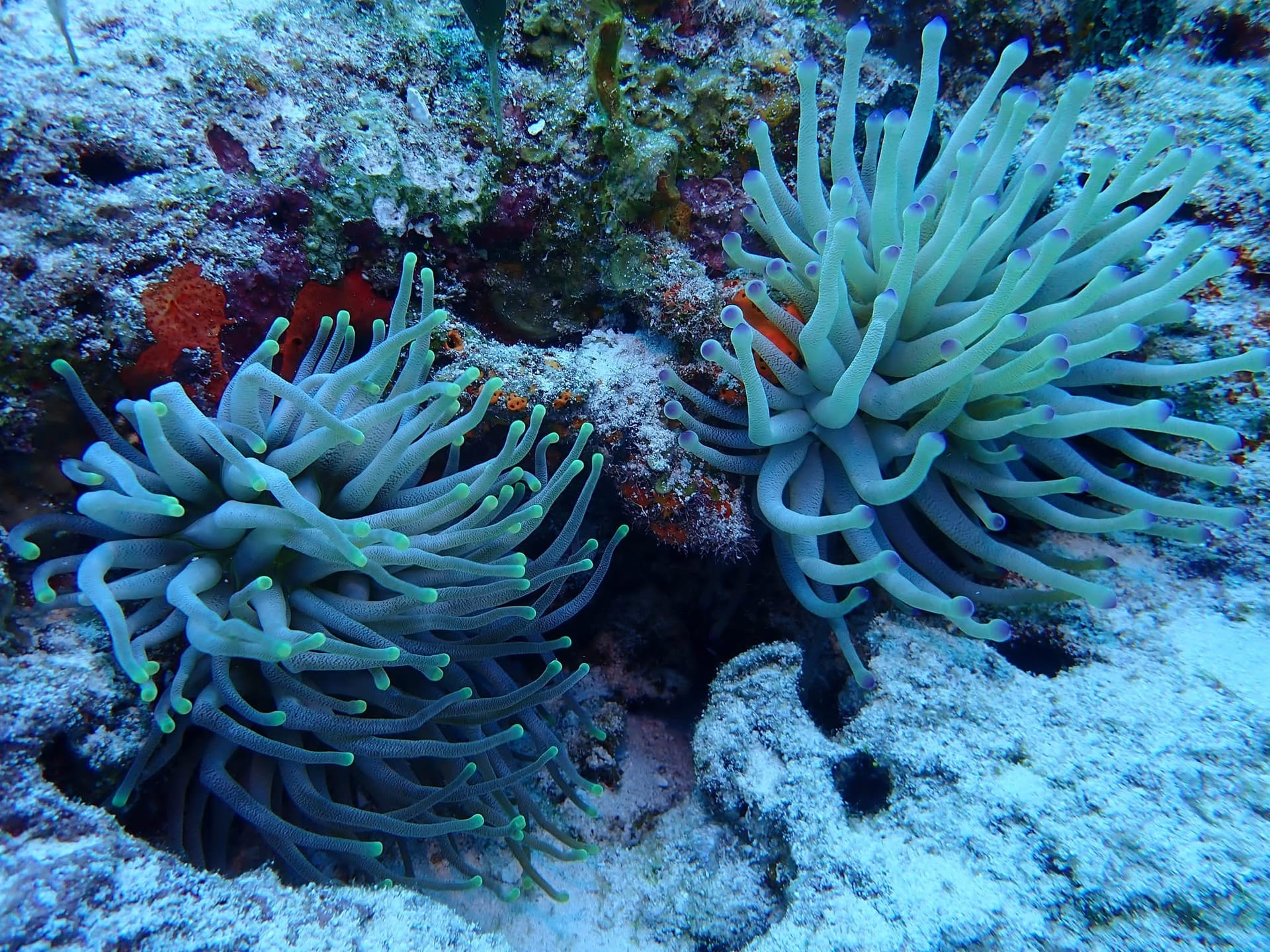
A shallow-water anemone of the Caribbean and western Atlantic with a red column and long tapering tentacles tipped with pink. The tentacle tips sometimes take on a bubble-like appearance. It occurs as individuals or loose groups, never as colonies.
Difficulty
Intermediate
Temperature
22〜26℃
Diet
Nutrition from symbiotic zooxanthellae, supplemented about once a week with meaty foods such as fish, shrimp and clam.
About
Condylactis gigantea is a tropical ball anemone found on shallow reefs and other shallow inshore areas of the Caribbean, specifically the West Indies, and the western Atlantic including southern Florida and the Florida Keys. It attaches in the crevices of rock walls or to rock, shell or almost any other hard object, and is seen in lagoons and inner reefs as individuals or loose groups but never as colonies; it has also been recorded on mangrove roots. It has a red column with long, tapering, pink-tipped tentacles that occasionally develop a bubble-like appearance. Its primary mating season is reported to be late May. It is generally dioecious but occasionally hermaphroditic, spawning eggs and sperm relatively synchronously with fertilisation occurring externally. It shelters several fish and cleaner shrimp species and serves as a base station for fish cleaning. Since its range does not overlap that of the Indo-Pacific anemonefish, clownfish essentially never associate with it.
Source: Wikipedia (CC BY-SA 4.0)
Temperature & humidity for the Condylactis Anemone
The ideal temperature for the Condylactis Anemone is 22〜26℃.
Basic Info
Origin
Caribbean Sea, specifically the West Indies, and the western Atlantic including southern Florida and the Florida Keys
Temperature
22〜26℃
Diet
Nutrition from symbiotic zooxanthellae, supplemented about once a week with meaty foods such as fish, shrimp and clam.
Care Guide
Care Specifications
- Water Temp.
- 22–26℃
- Specific Gravity
- 1.023–1.025
Light: High (PAR>150)Flow: MediumPlacement: Bottom
Sources: LiveAquaria (Haitian Reef Anemone) / SeaLifeBase
References & Sources
Edited & verified by: BreederDirect editorial team
The taxonomic, regulatory, and husbandry data on this page are compiled and verified against the authoritative primary sources below.
Taxonomy & Authority
Accepted name: Condylactis gigantea (Weinland, 1860)
Synonyms: Anthea gigantea Weinland, 1860, Condylactis passiflora Duchassaing de Fombressin & Michelotti, 1864
Authority databases: WoRMS
Nomenclature follows global taxonomic authority databases.
Regulations & Conservation Status
Not CITES-listed
Sources: CITES Appendices (species not listed)
Regulations may change. Always verify the latest information with the relevant authorities.
Condylactis Anemone Listings
Loading latest listingsFind listings for this species