Source: Wikimedia Commons
Curlycue Anemone
BeginnerBartholomea annulata
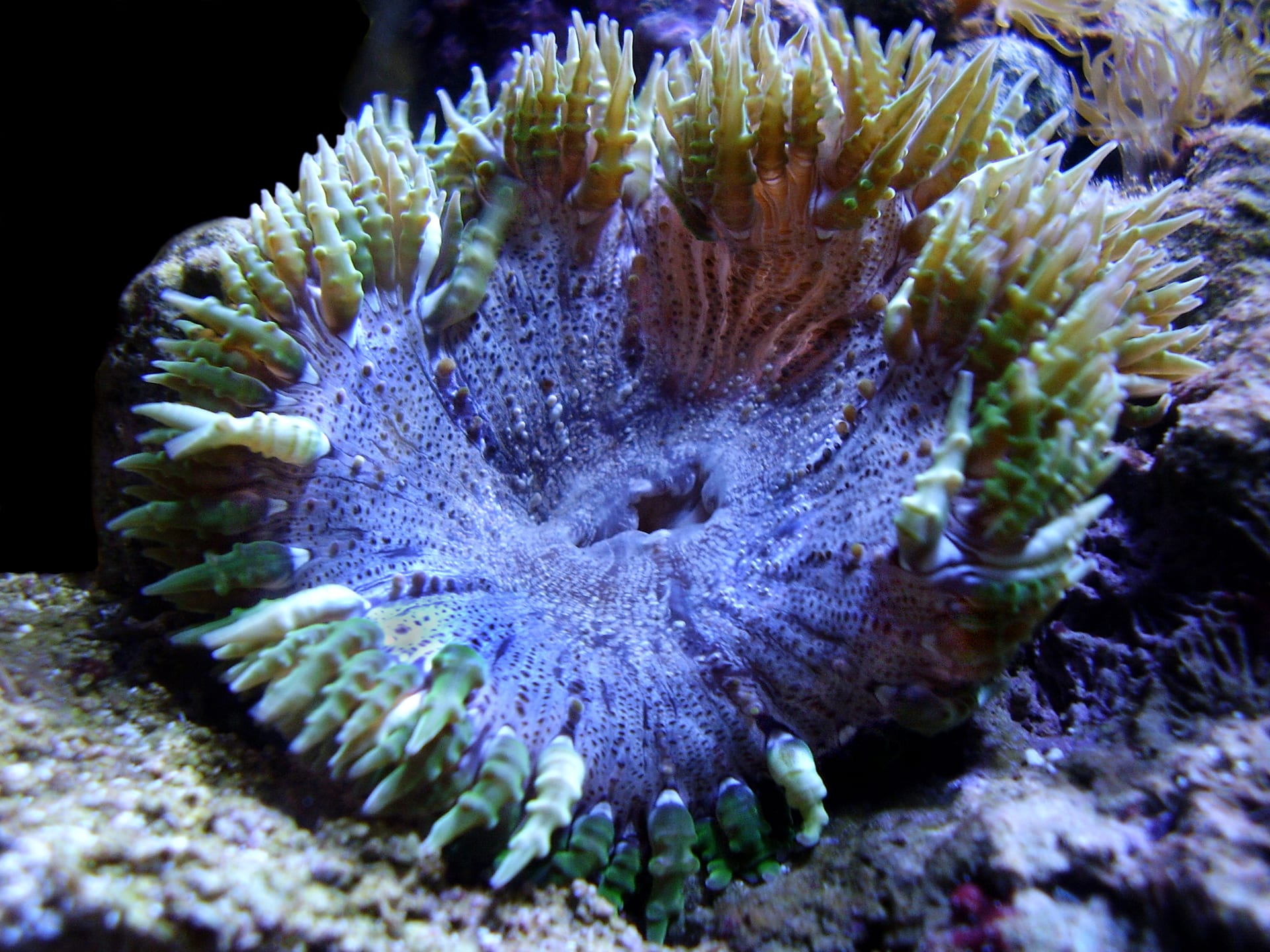
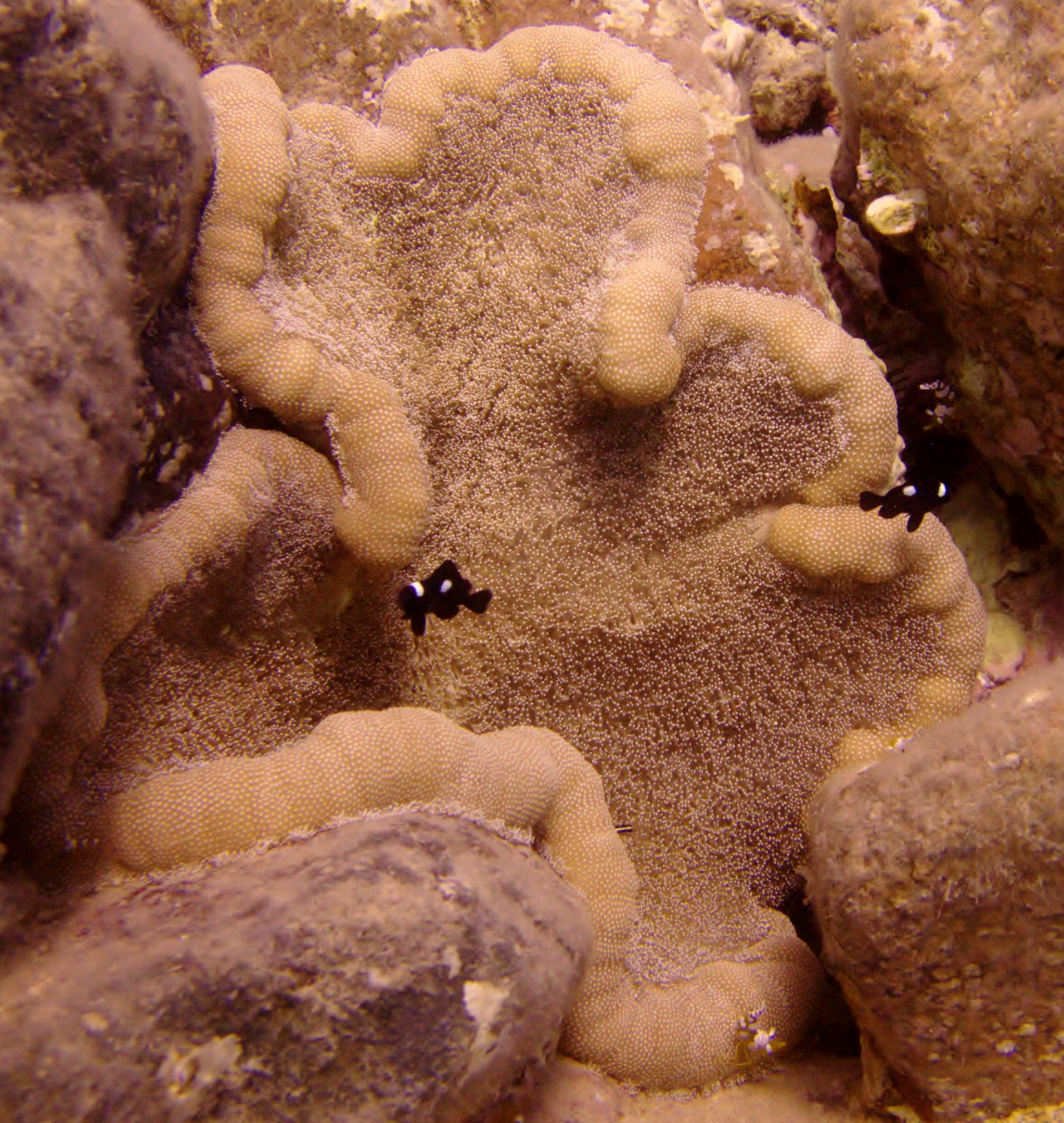
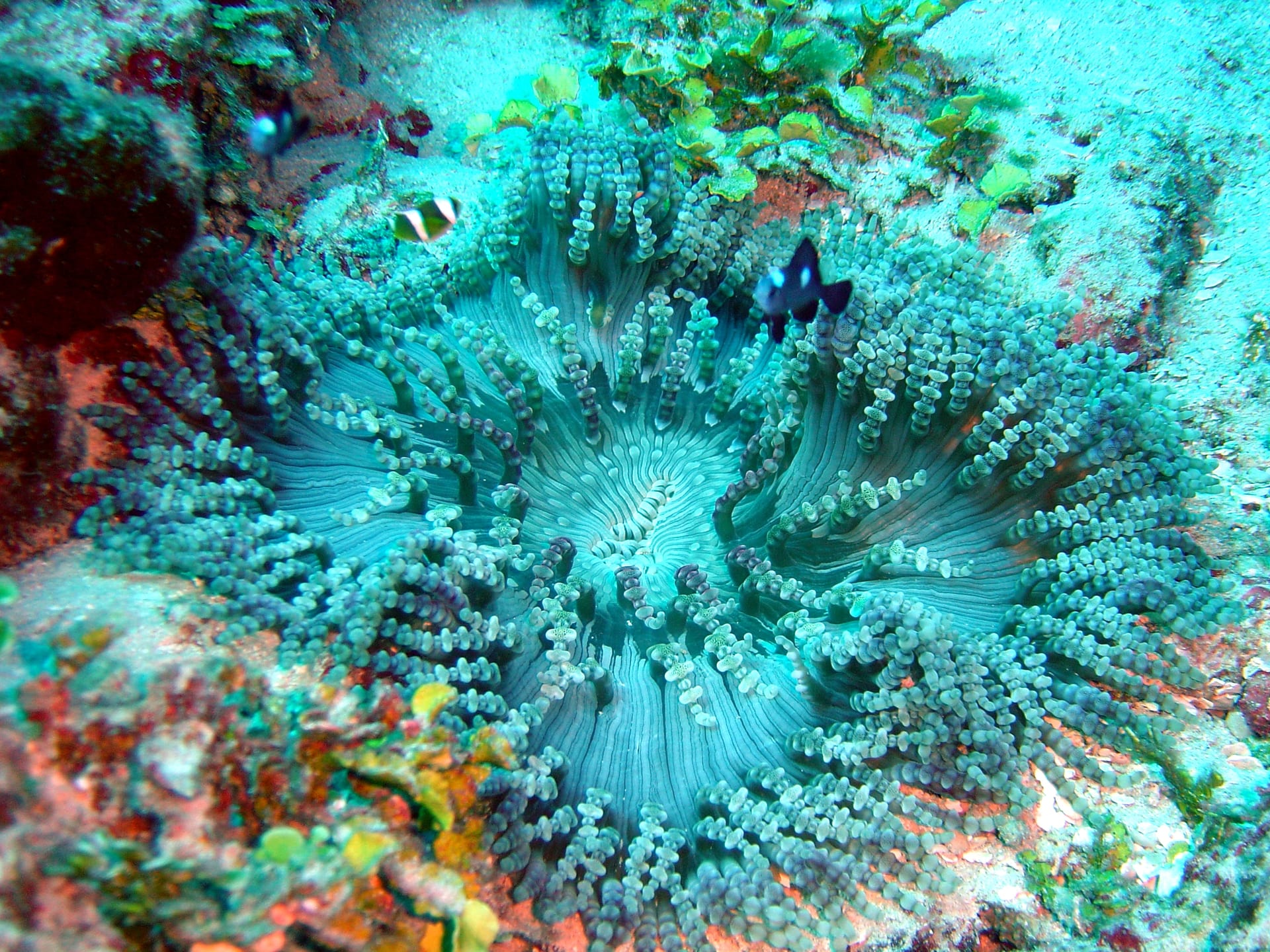
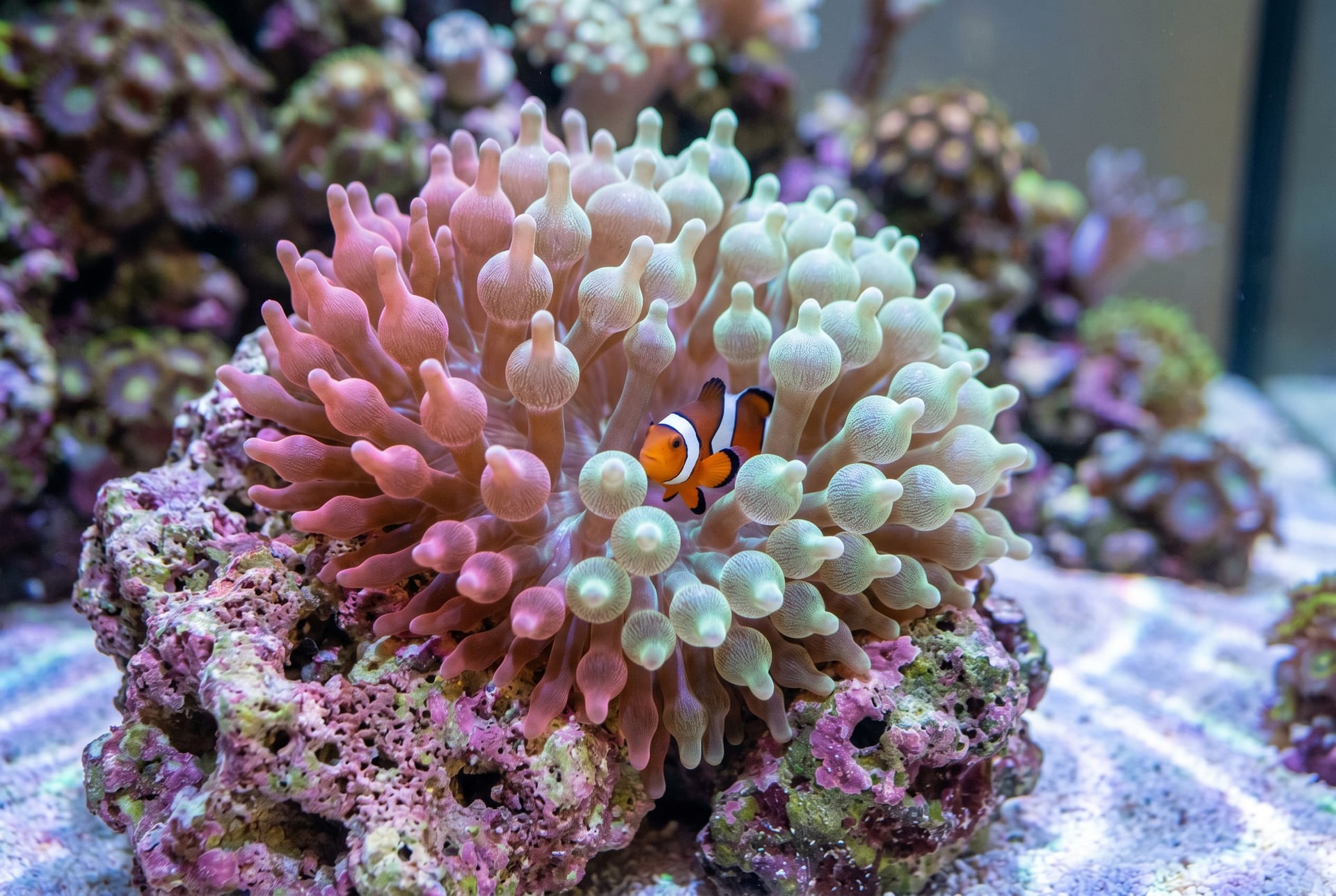
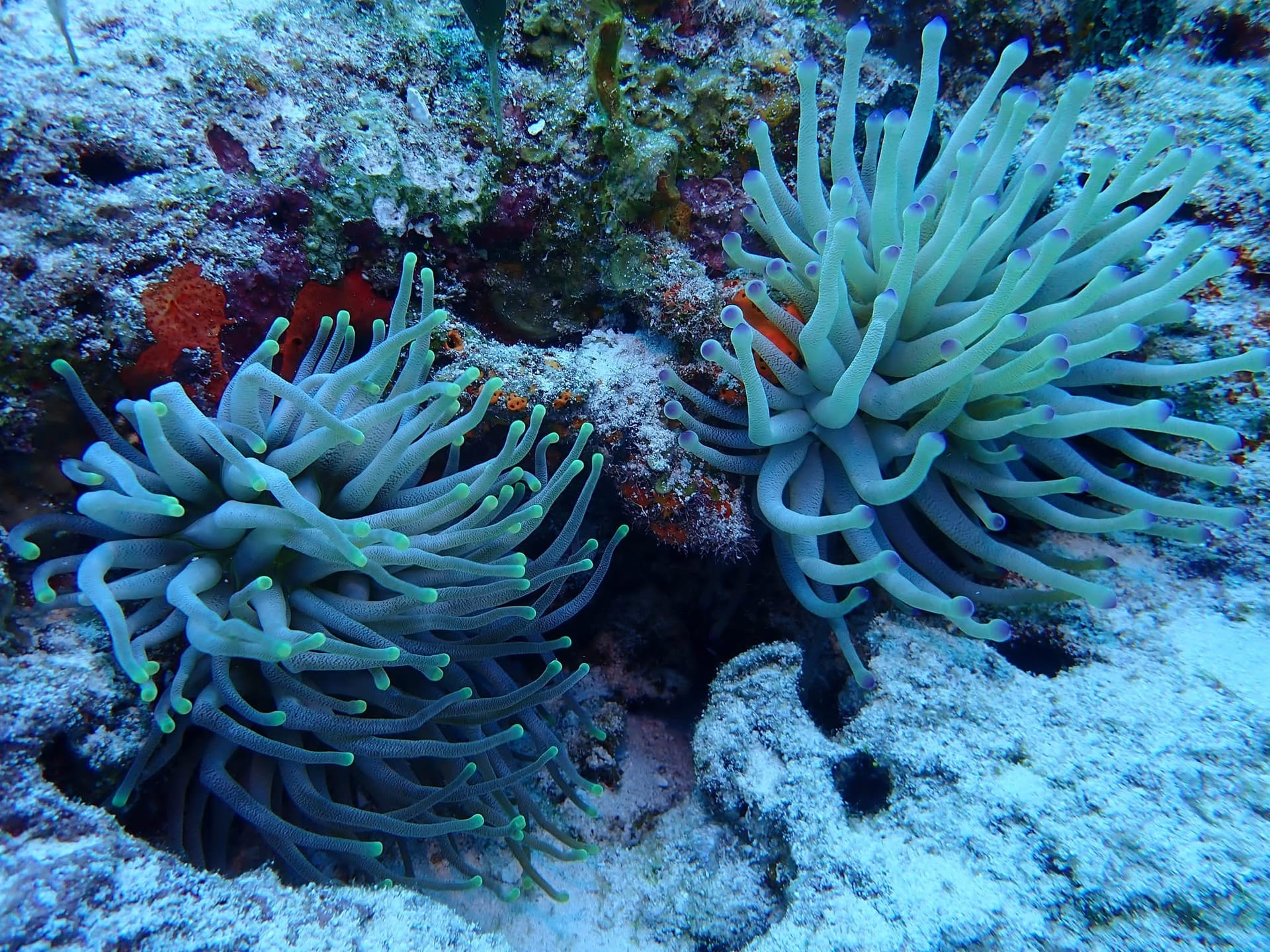
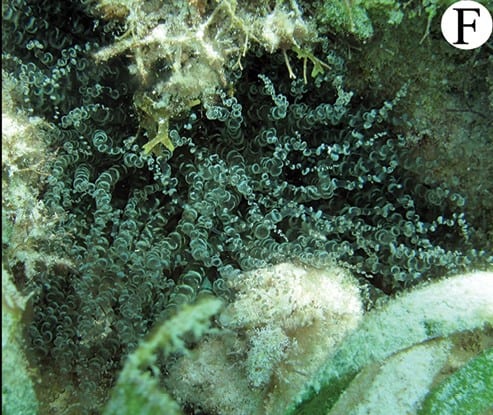
One of the commonest sea anemones on Caribbean reefs. It is recognised by its translucent, corkscrew-twisted tentacles, favours soft sediment and seagrass beds, and frequently hosts commensal cleaner shrimps.
Difficulty
Beginner
Temperature
24〜27℃
Diet
Photosynthesis via zooxanthellae plus meaty foods
About
Bartholomea annulata is an anemone in the family Aiptasiidae, ranging from the Caribbean Sea and Gulf of Mexico into the western North Atlantic. It is one of the commonest anemones on Caribbean reefs, and its English names ringed anemone and corkscrew anemone refer to the long, spirally twisted tentacles marked with rings of nematocyst batteries. It is not brightly coloured but is a ghostly, pale translucent animal, and that translucence and tentacle form are its appeal. It prefers soft sediment and areas with seaweed or seagrass over hard rock, so it suits a planted refugium better than the display tank. Cleaner shrimps such as Pedersen shrimp often live with it. It is easy to keep, but the family also contains Aiptasia, and like that genus it can multiply to the point where removal is difficult, so its spread must be managed.
Source: Wikipedia (CC BY-SA 4.0)
Temperature & humidity for the Curlycue Anemone
The ideal temperature for the Curlycue Anemone is 24〜27℃.
Basic Info
Origin
Western North Atlantic (Caribbean Sea, Gulf of Mexico, West Indies)
Temperature
24〜27℃
Diet
Photosynthesis via zooxanthellae plus meaty foods
Care Guide
Lighting
It carries zooxanthellae, so moderate lighting is enough; intense light is not required.
Care Specifications
- Water Temp.
- 24–27℃
- Specific Gravity
- 1.023–1.025
- Salinity
- 33–35 ppt
Light: Medium (PAR 50-150)Flow: MediumPlacement: Bottom
Sources: Wikipedia: Reef aquarium (water parameters) / AlgaeBarn: Six Unusual Sea Anemones / WoRMS
References & Sources
Edited & verified by: BreederDirect editorial team
The taxonomic, regulatory, and husbandry data on this page are compiled and verified against the authoritative primary sources below.
Taxonomy & Authority
Accepted name: Bartholomea annulata (Le Sueur, 1817)
Synonyms: Actinia annulata, Actinia solifera, Aiptasia annulata, Aiptasia annulata var. solifera, Aiptasia arrulata, Aiptasia solifera, Bartholomea solifera, Batholomea annulata
Authority databases: WoRMS
Nomenclature follows global taxonomic authority databases.
Regulations & Conservation Status
Not CITES-listed
Cnidarian sea anemone (Actiniaria, Aiptasiidae). Not listed by CITES because it is not in the stony coral order (Scleractinia). Not designated as a specified invasive species. Like Aiptasia in the same family it reproduces readily; manage its spread in the aquarium.
Sources: DOC NZ / CITES-listed corals (taxon not listed) / CITES Appendices
Regulations may change. Always verify the latest information with the relevant authorities.
Curlycue Anemone Listings
Loading latest listingsFind listings for this species