Source: Wikimedia Commons
Rock Flower Anemone
BeginnerPhymanthus crucifer
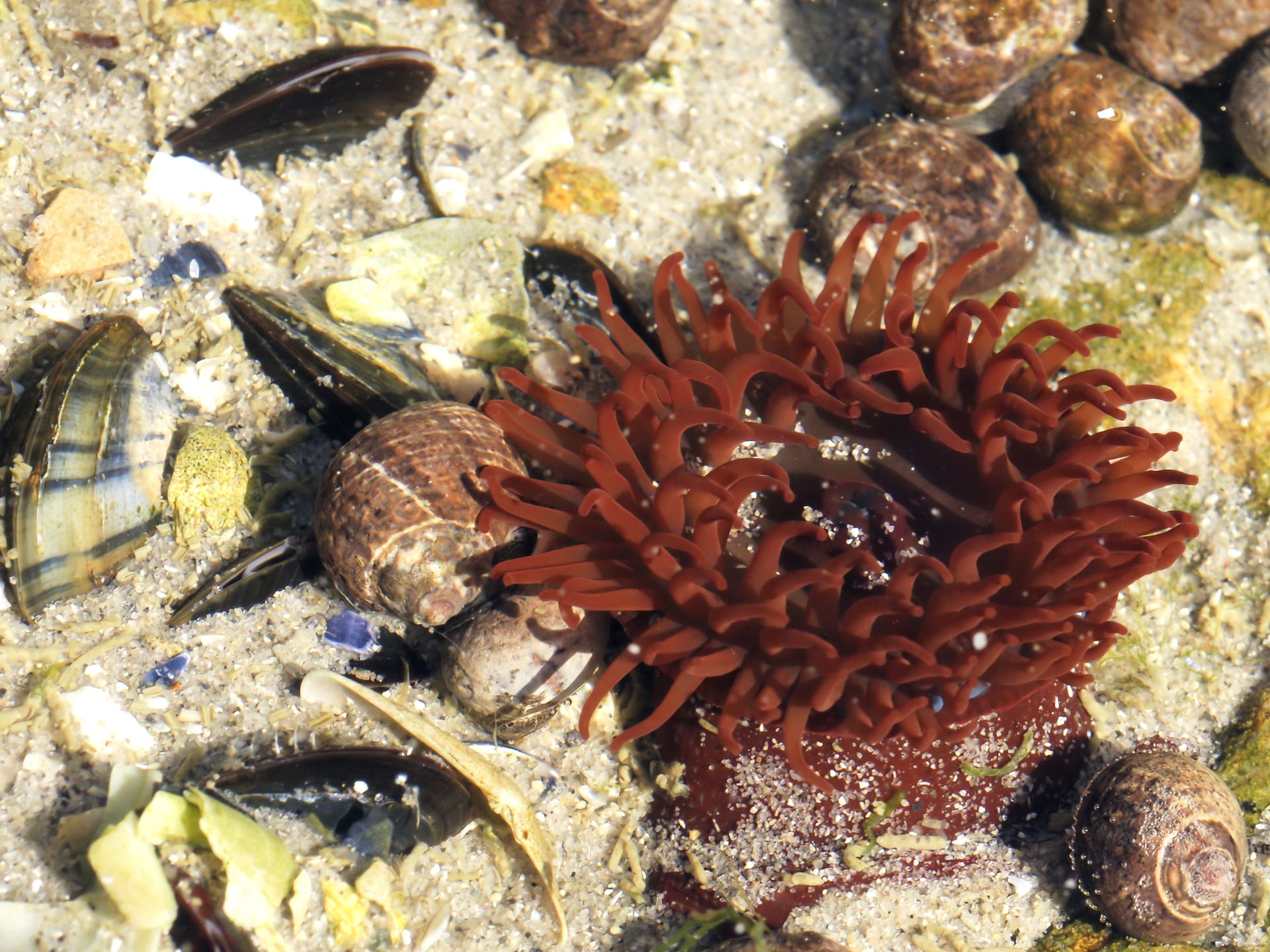
A Caribbean sand-dwelling anemone. About 200 short tentacles ring an oral disc up to 15 cm across, and colour varies enormously across green, red, purple and yellow.
Difficulty
Beginner
Temperature
24〜27℃
Size
Oral disc up to about 15cm across
Diet
Photosynthesis via zooxanthellae plus meaty foods
About
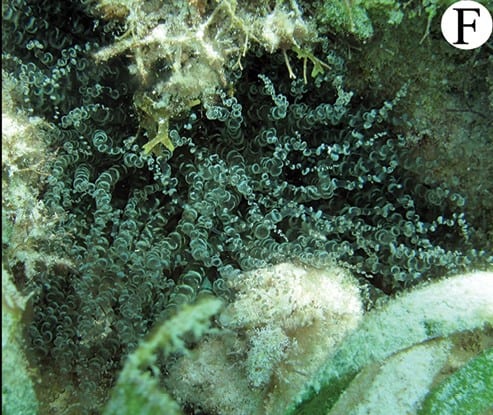
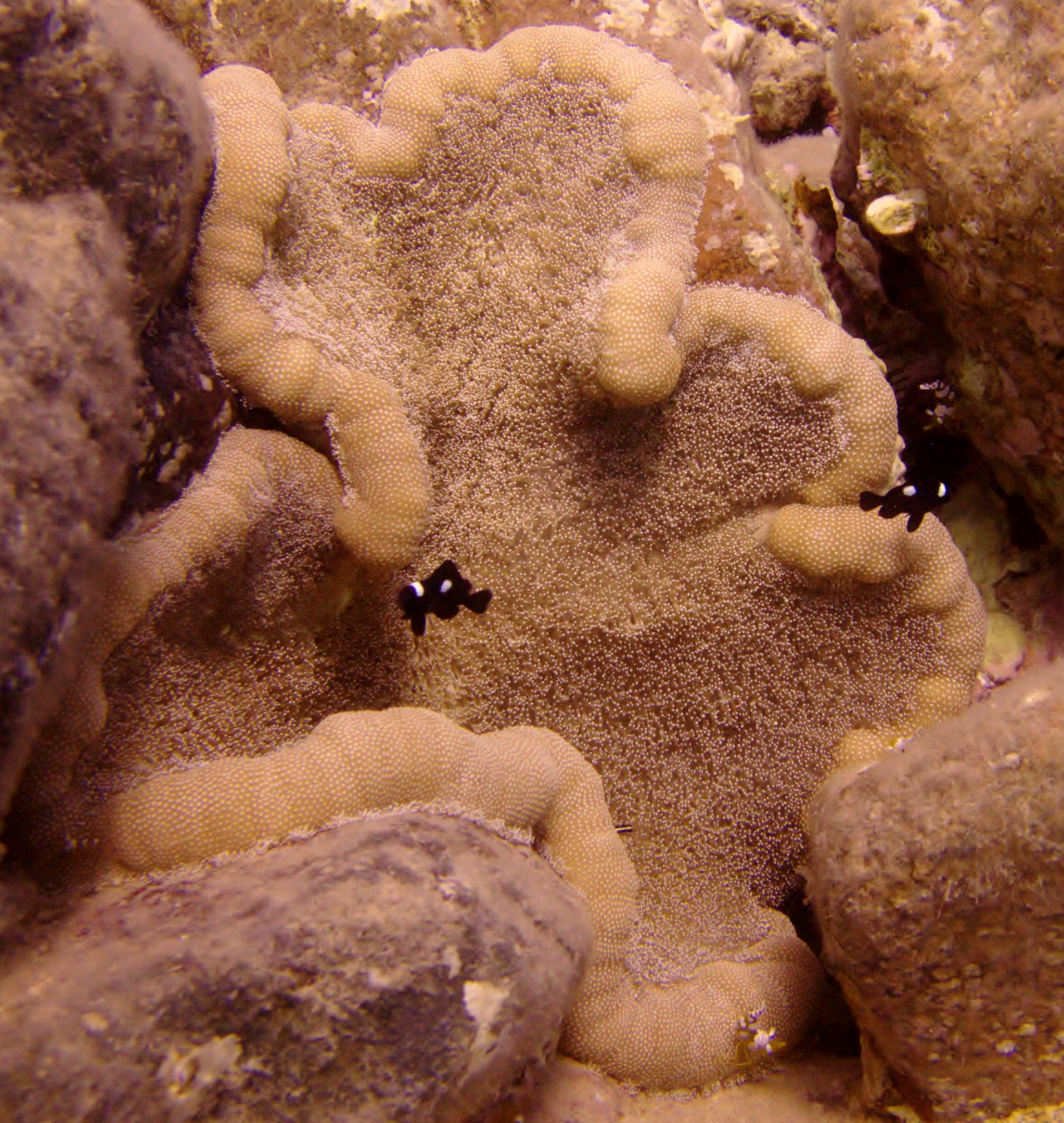
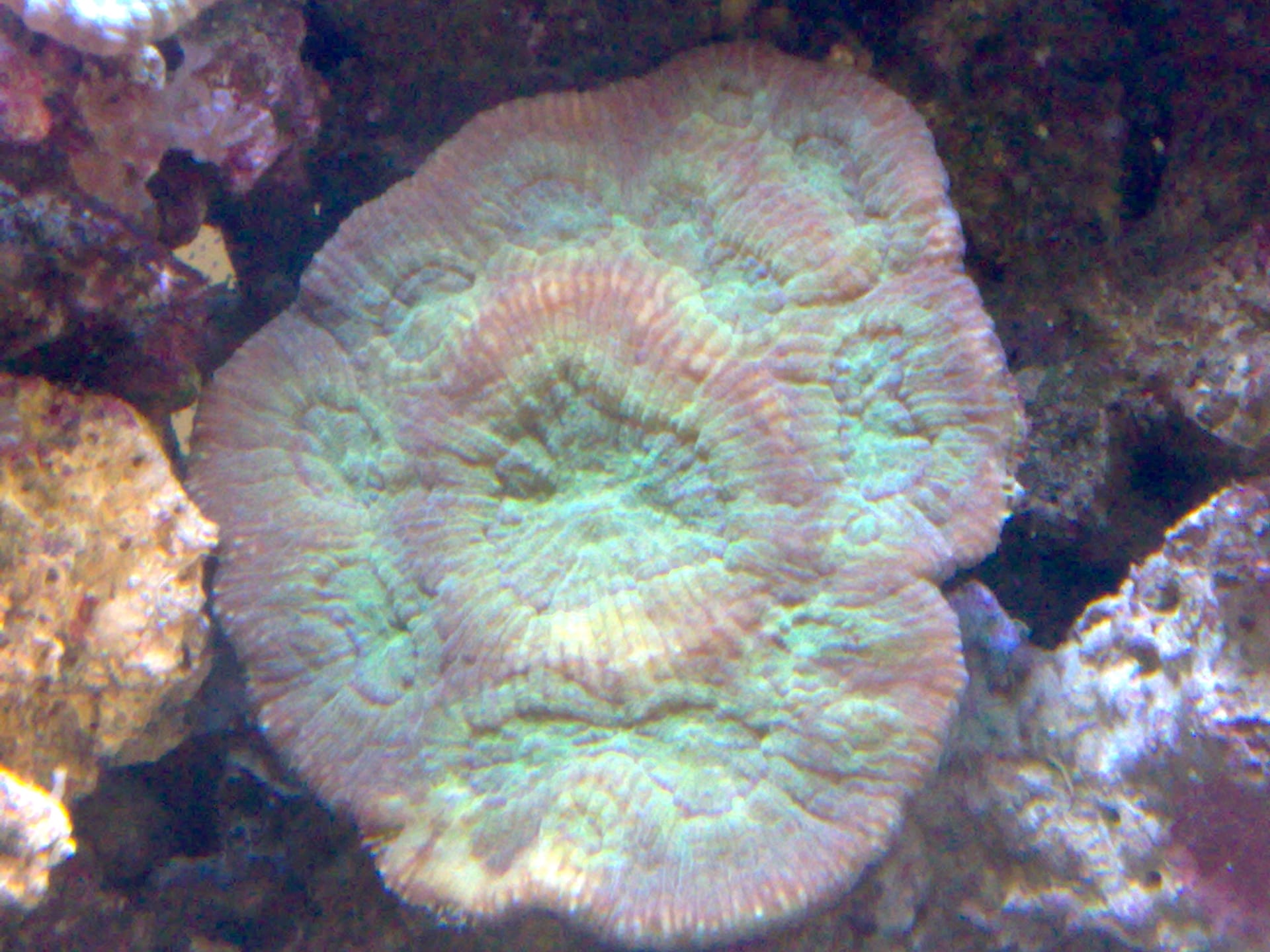
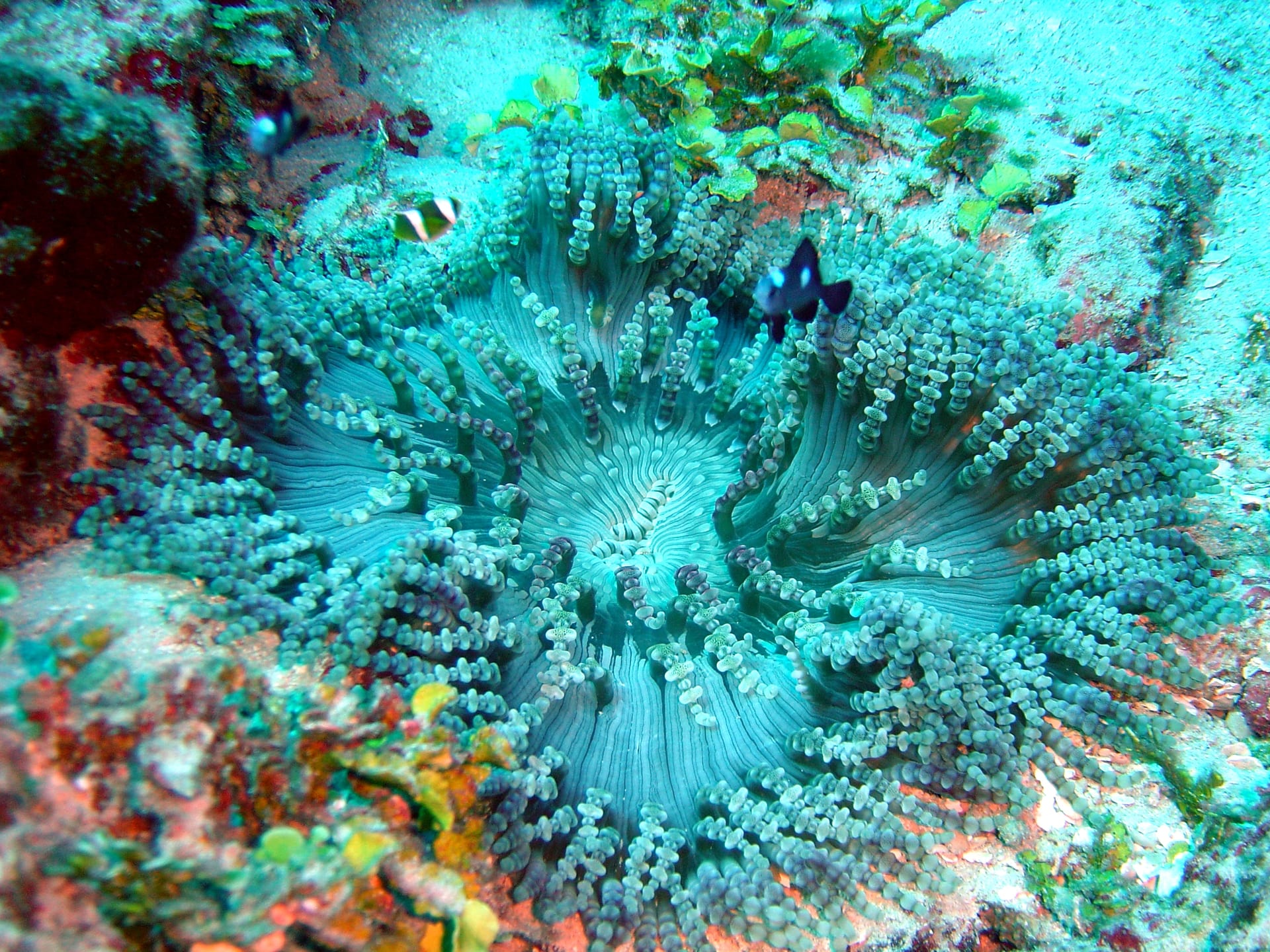
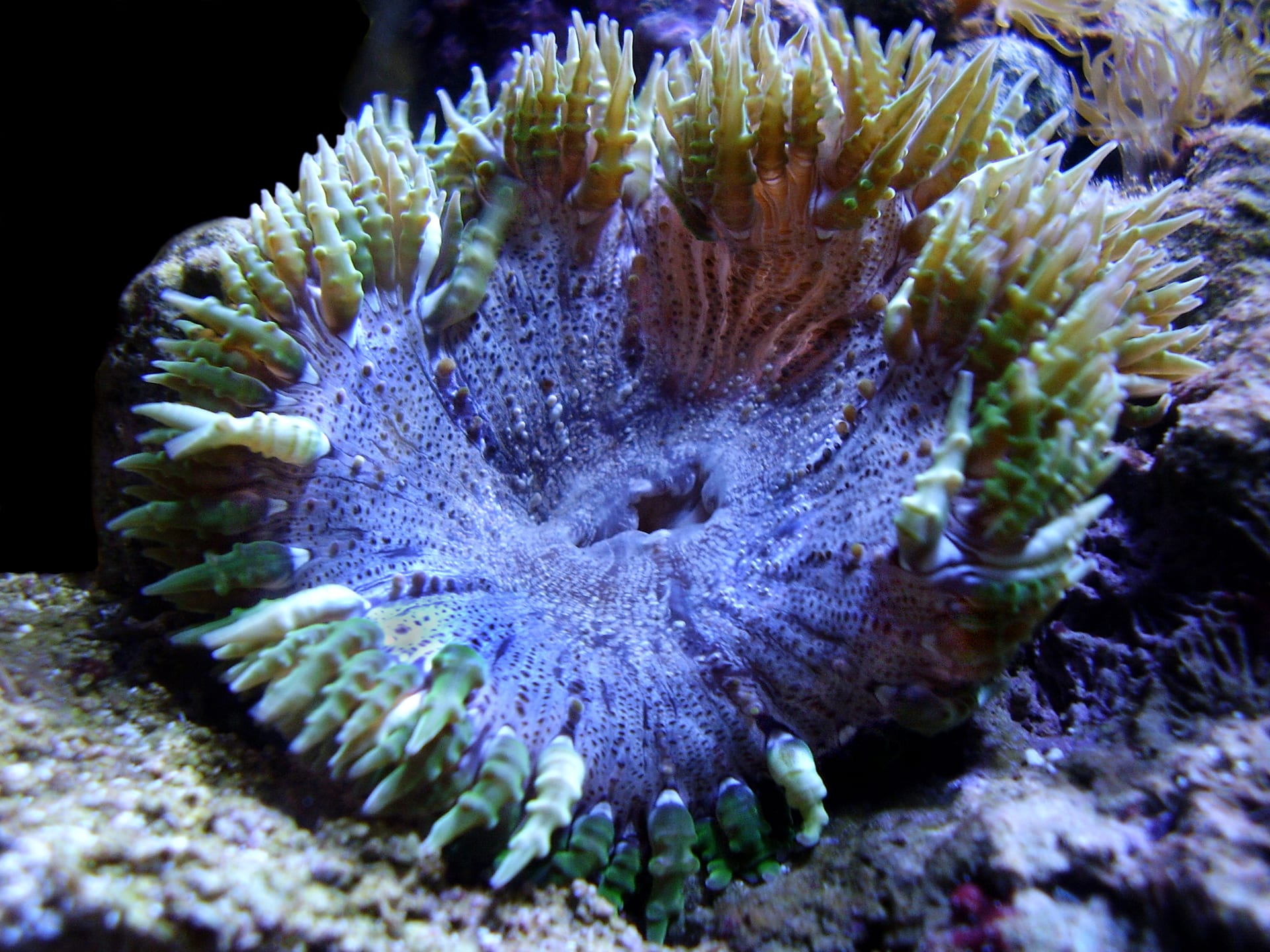
Phymanthus crucifer is an anemone of the family Phymanthidae found on sandy bottoms of the Caribbean Sea and the West Indies. The flat oral disc reaches about 15 cm across and is edged with roughly 200 short tentacles. Some individuals bear tentacles with swollen cross-bars carrying dense clusters of nematocysts while others have smooth tentacles, and both forms can occur side by side. Colour is highly variable, from sandy or buff through dull green to red, and the rows of light and dark stripes radiating from the mouth shift from bright green at the centre to brown, lavender, yellow or white outwards. The column carries bright red suckers to which debris attaches as camouflage. Because it lives with its column buried in sand, give it a rock crevice or a deep sand bed in the aquarium. Its colour range makes it attractive even kept singly.
Source: Wikipedia (CC BY-SA 4.0)
Size of the Rock Flower Anemone
The Rock Flower Anemone grows to Oral disc up to about 15cm across.
Temperature & humidity for the Rock Flower Anemone
The ideal temperature for the Rock Flower Anemone is 24〜27℃.
Basic Info
Origin
Caribbean Sea, West Indies and Gulf of Mexico (sandy bottoms)
Size
Oral disc up to about 15cm across
Temperature
24〜27℃
Diet
Care Specifications
- Water Temp.
- 24–27℃
- Specific Gravity
- 1.023–1.025
- Salinity
- 33–35 ppt
Light: Medium (PAR 50-150)Flow: LowPlacement: Bottom
Sources: Wikipedia: Reef aquarium (water parameters) / Wikipedia / WoRMS
References & Sources
Edited & verified by: BreederDirect editorial team
The taxonomic, regulatory, and husbandry data on this page are compiled and verified against the authoritative primary sources below.
Taxonomy & Authority
Accepted name: Phymanthus crucifer (Le Sueur, 1817)
Synonyms: Actinia crucifera, Cereus crucifer, Epicystis crucifer, Epicystis crucifera, Epicystis osculifera, Phimanthus crucifer, Phymantes crucifer, Phymanthus cruciferus
Authority databases: WoRMS
Nomenclature follows global taxonomic authority databases.
Regulations & Conservation Status
Not CITES-listed
Cnidarian sea anemone (Actiniaria, Phymanthidae). Not listed by CITES because it is not in the stony coral order (Scleractinia). Not designated as a specified invasive species.
Sources: DOC NZ / CITES-listed corals (taxon not listed) / CITES Appendices
Regulations may change. Always verify the latest information with the relevant authorities.
Rock Flower Anemone Listings
Loading latest listingsFind listings for this species