Source: Wikimedia Commons
Australomussa (Lobophyllia rowleyensis)
IntermediateLobophyllia rowleyensis
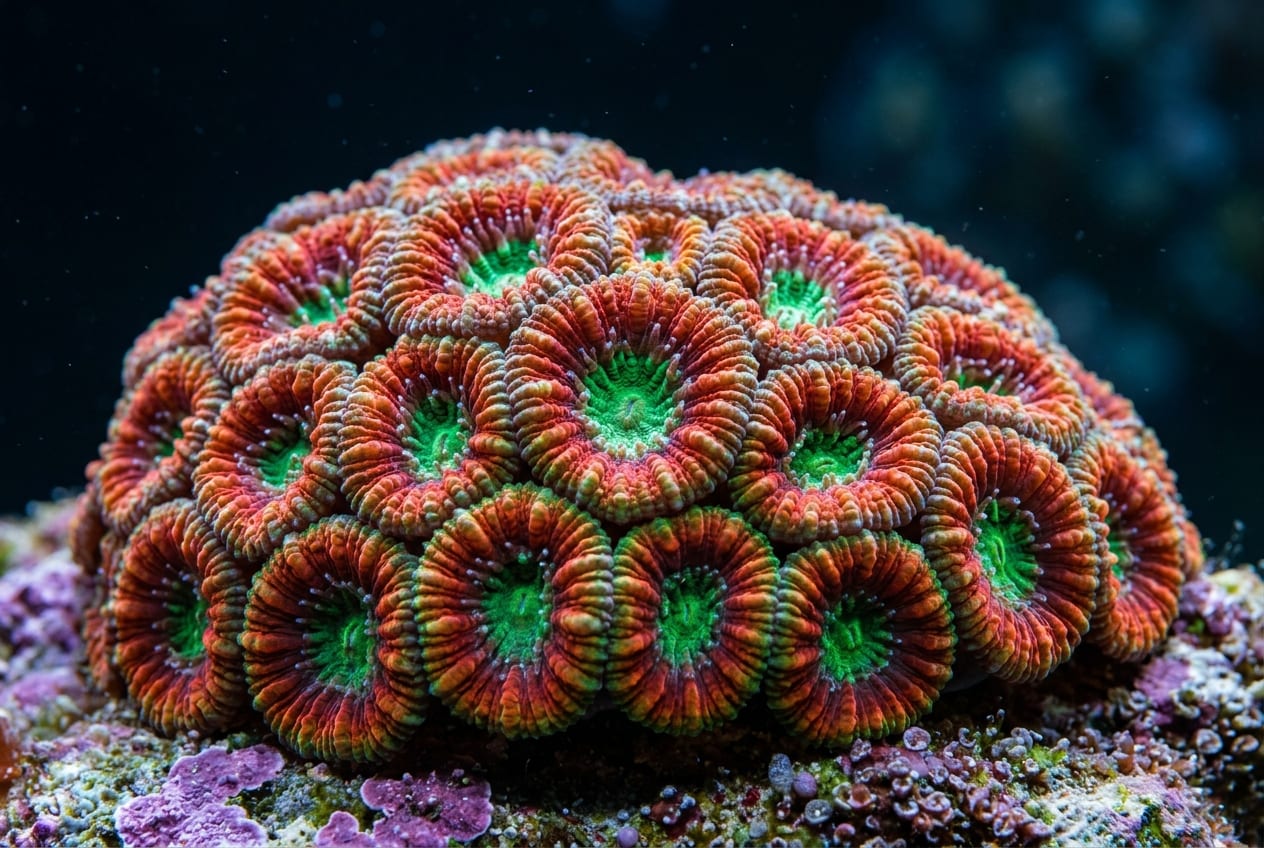
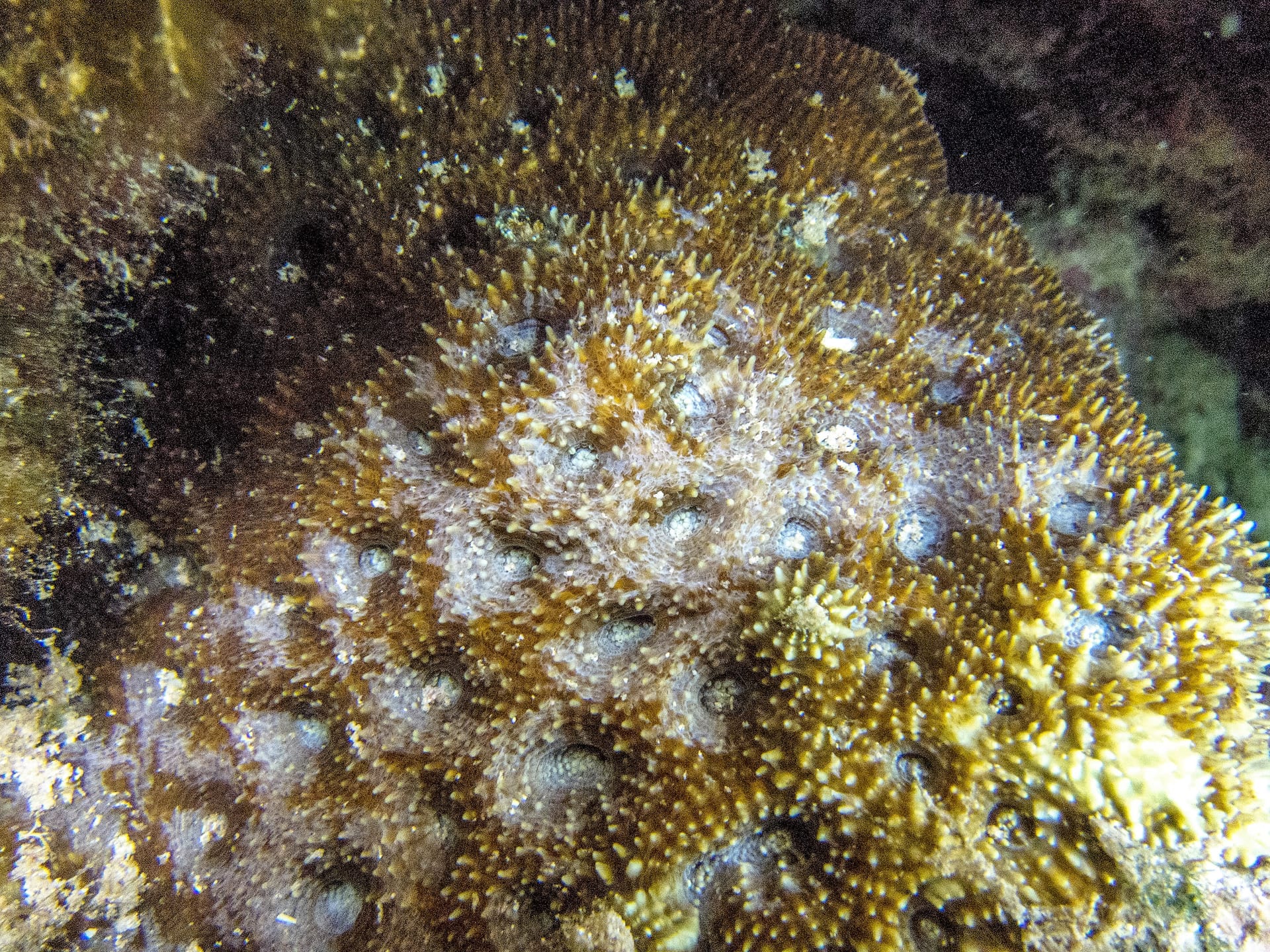
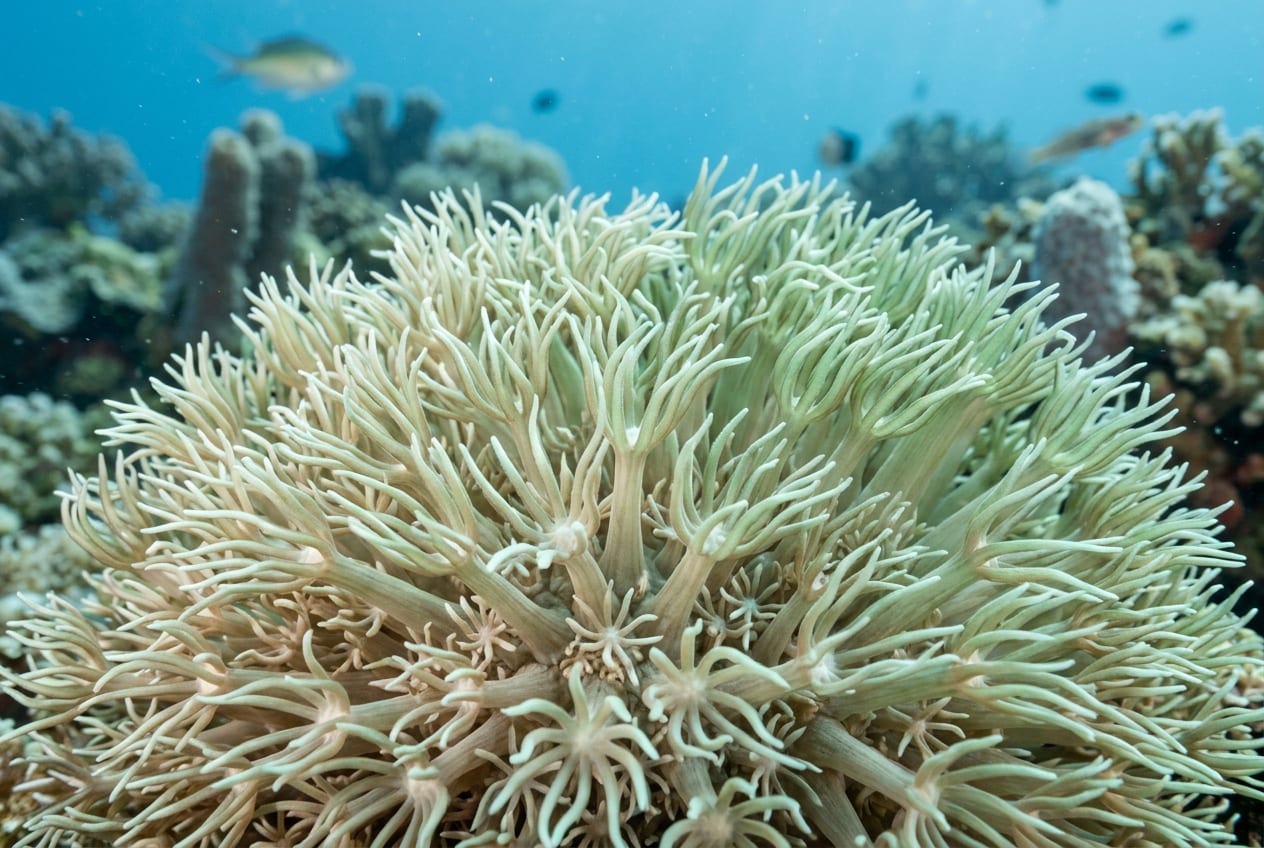
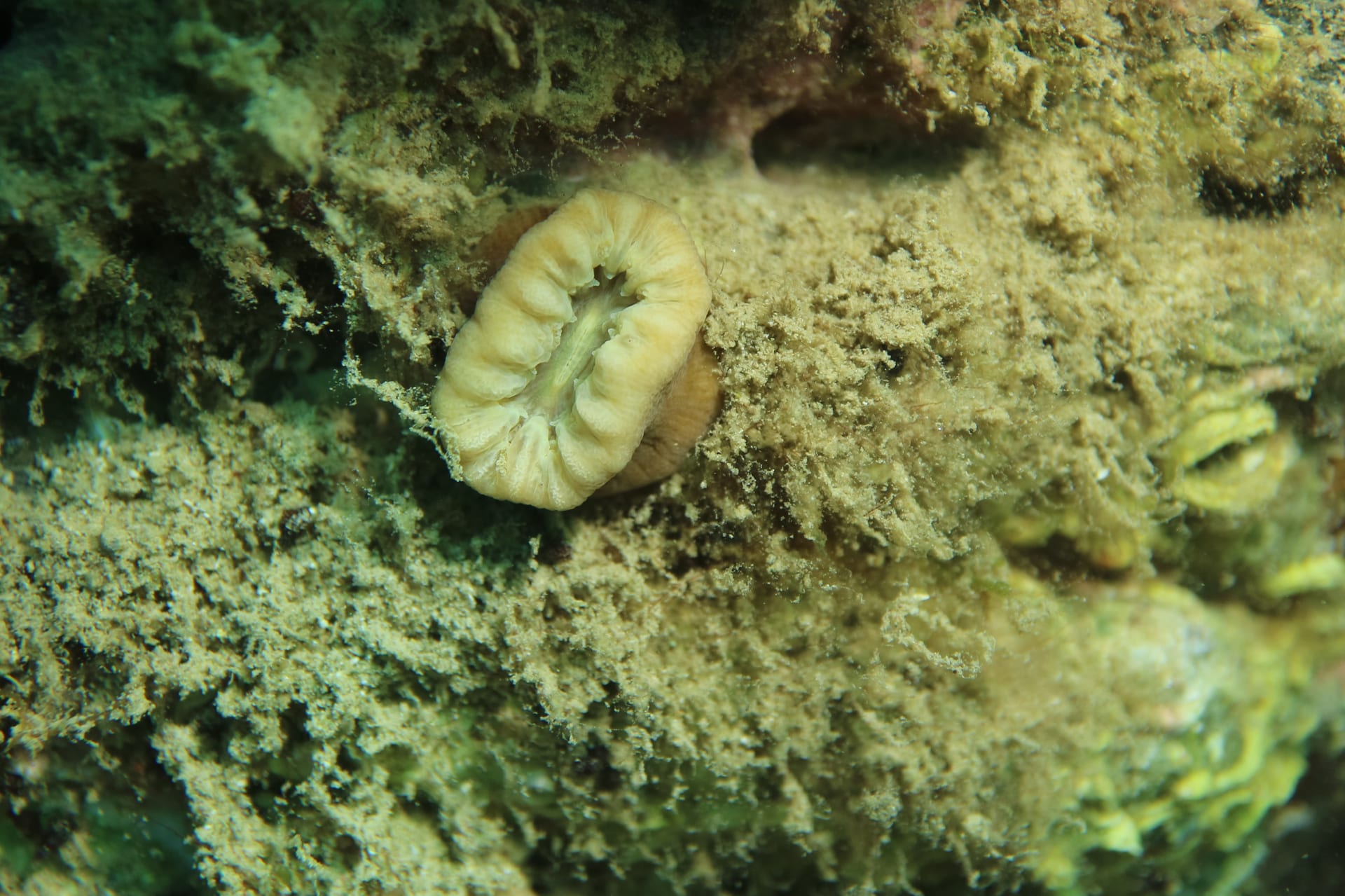
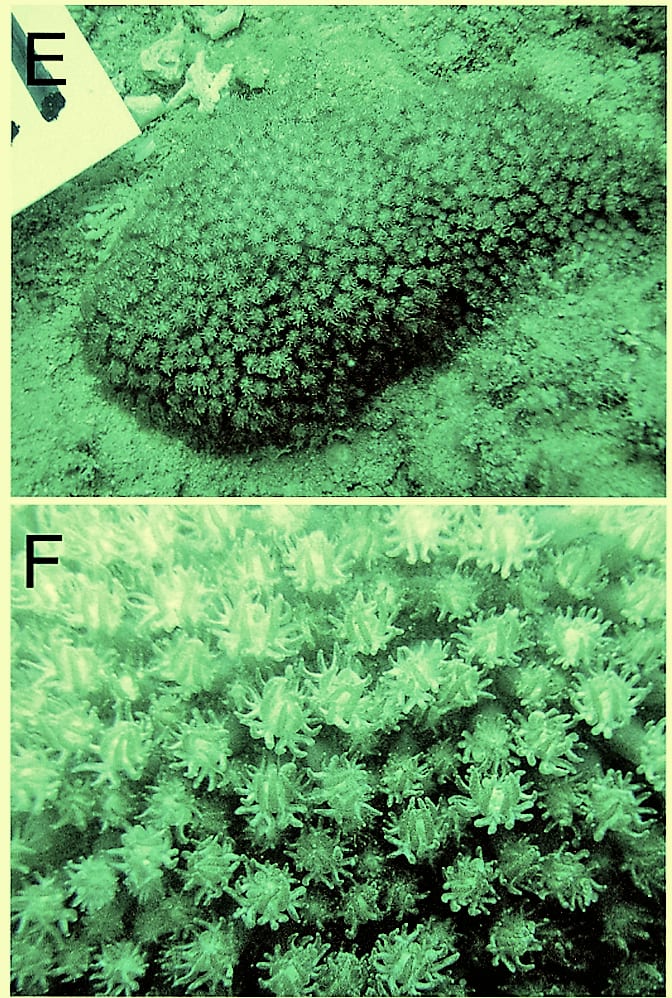
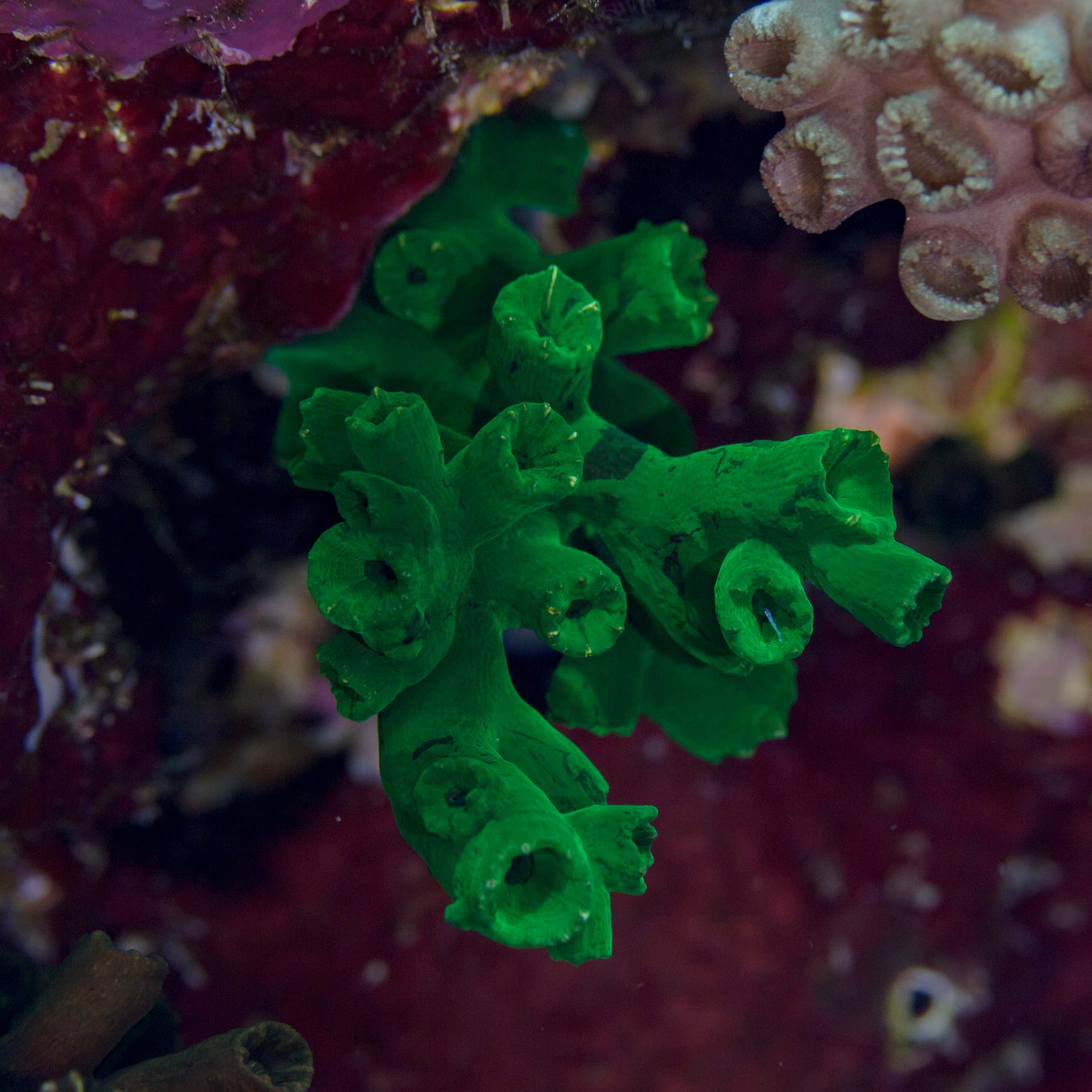
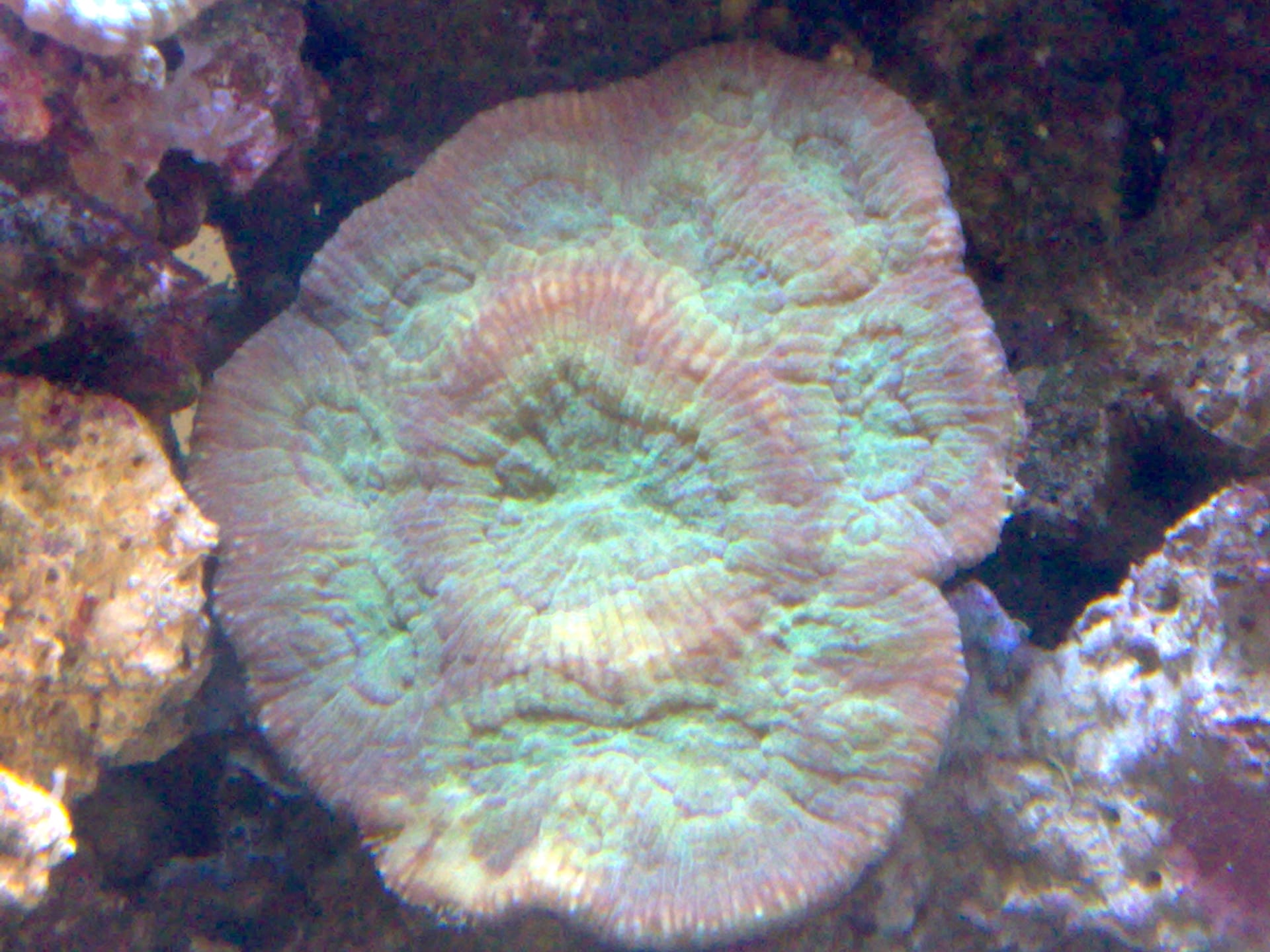
A lobophylliid LPS coral in which several large polyps cluster into a rounded colony. Colour varies widely, with the greatest variety in the northern part of its range near Indonesia.
Difficulty
Intermediate
Temperature
24〜27℃
Diet
Photosynthesis via zooxanthellae plus meaty foods
About
Lobophyllia rowleyensis was described by Veron in 1985 as Australomussa, later treated as Parascolymia, and is now placed in Lobophyllia by WoRMS. The older genus names are still used in the trade. Colonies form rounded masses of several large polyps, an appearance intermediate between the strongly solitary Lobophyllia vitiensis and the valley-forming Lobophyllia types. Colour is highly variable, and the greatest variety is found in the northern part of its range near Indonesia. Moderate or lower lighting with gentle flow suits it, and it should be set on sand or low rock. It extends feeding tentacles at night, so offer minced fish or shrimp then. As a scleractinian it falls under CITES Appendix II.
Source: Wikipedia (CC BY-SA 4.0)
Temperature & humidity for the Australomussa (Lobophyllia rowleyensis)
The ideal temperature for the Australomussa (Lobophyllia rowleyensis) is 24〜27℃.
Basic Info
Origin
Indo-West Pacific, with the most colour variation in the northern range near Indonesia
Temperature
24〜27℃
Diet
Photosynthesis via zooxanthellae plus meaty foods
Care Guide
Lighting
Moderate or lower LED lighting; start low and acclimate gradually.
Care Specifications
- Carbonate (KH)
- 7–12 dKH
- Water Temp.
- 24–27℃
- Specific Gravity
- 1.023–1.025
- Salinity
- 33–35 ppt
- Calcium (Ca)
- 400–450 ppm
- Magnesium (Mg)
- 1300–1400 ppm
LPSLight: Medium (PAR 50-150)Flow: LowPlacement: Bottom
Sources: Wikipedia: Reef aquarium (water parameters) / AlgaeBarn: A Quick Guide to LPS and SPS / WoRMS
References & Sources
Edited & verified by: BreederDirect editorial team
The taxonomic, regulatory, and husbandry data on this page are compiled and verified against the authoritative primary sources below.
Taxonomy & Authority
Accepted name: Lobophyllia rowleyensis (Veron, 1985)
Synonyms: Australomussa rowleyensis, Parascolymia rowleyensis
Authority databases: WoRMS
Nomenclature follows global taxonomic authority databases.
Regulations & Conservation Status
CITES Appendix II
Domestic law: Collecting in Japanese waters is governed by each prefecture's fisheries adjustment regulations, which differ by prefecture. Okinawa Prefecture's regulations ban the collection of reef-building corals, including stony corals (Scleractinia), organ-pipe corals (Tubiporidae) and blue coral (Helioporacea); this covers corals naturally attached to quays or ropes, broken fragments lying on the seabed, and skeletons. Possessing or selling illegally collected corals is also banned. Cultured corals are exempt, and the prefecture advises buyers to confirm that a coral is cultured, on an artificial base or tagged.
Scleractinia (Lobophyllia rowleyensis, Lobophylliidae). CITES Appendix II.
Sources: DOC NZ / CITES-listed corals (Scleractinia spp. = App. II)
Regulations may change. Always verify the latest information with the relevant authorities.
Australomussa (Lobophyllia rowleyensis) Listings
Loading latest listingsFind listings for this species