Source: Wikimedia Commons
Balanophyllia
AdvancedBalanophyllia spp.
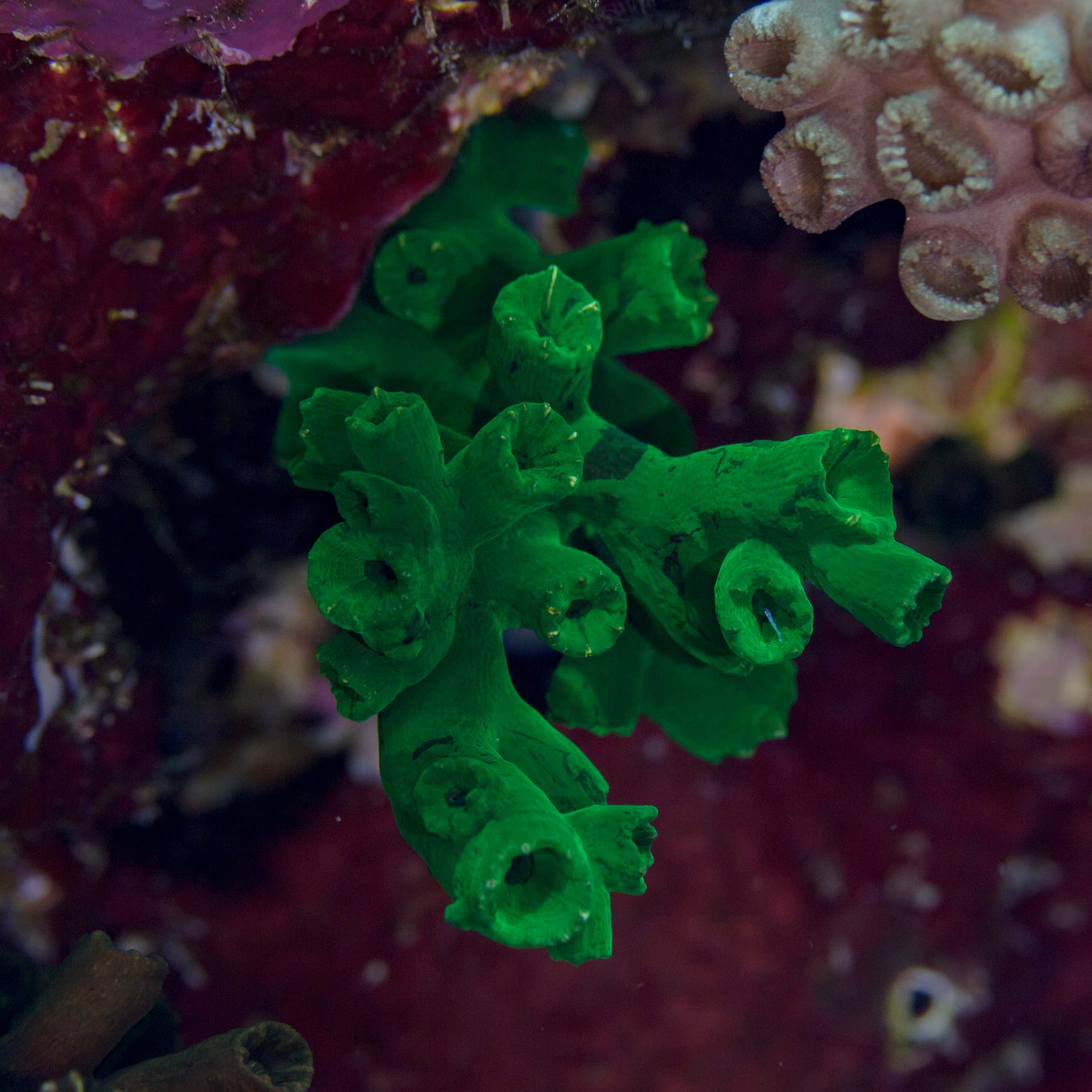
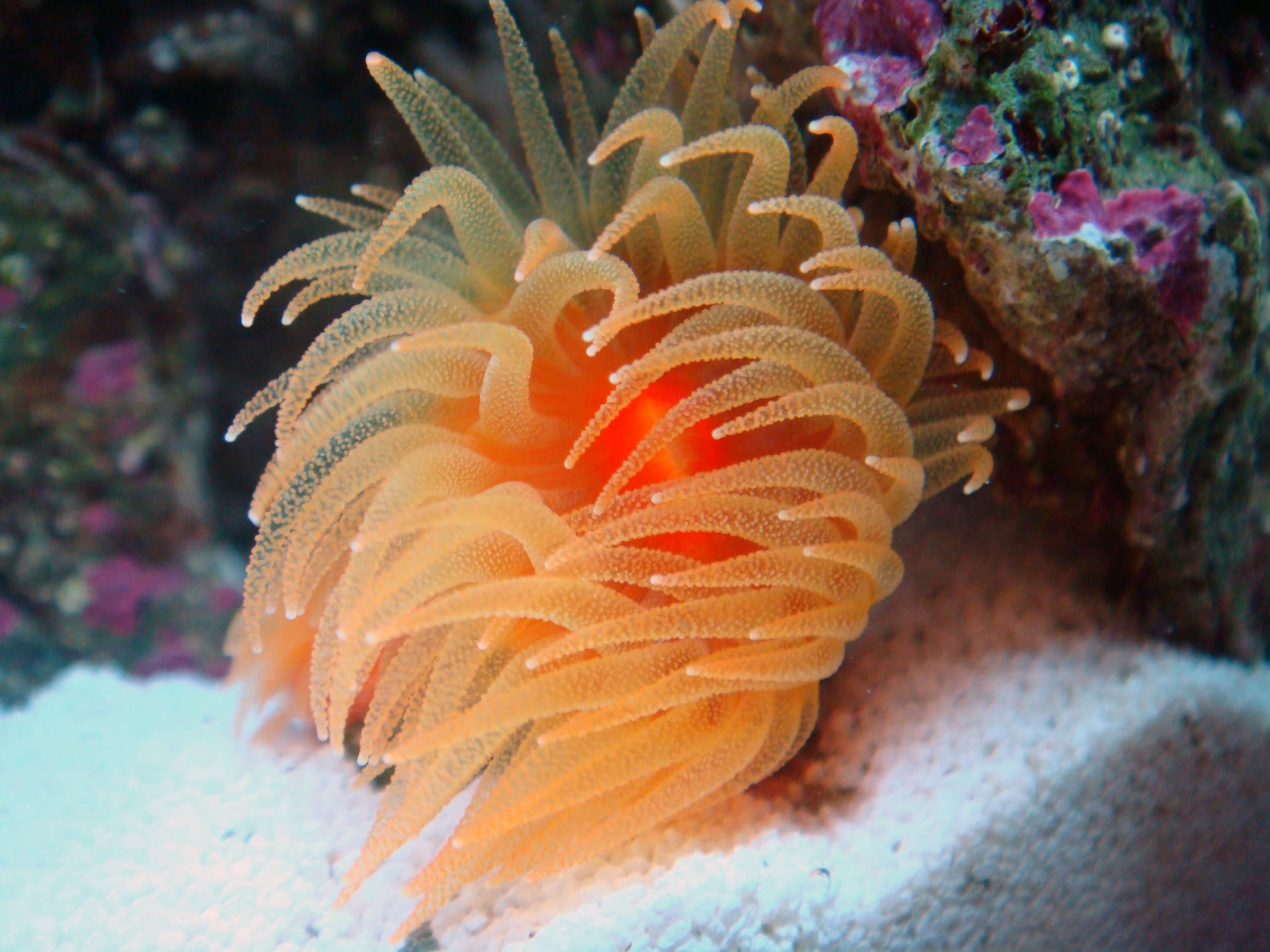
A solitary dendrophylliid stony coral in which each polyp occupies a single corallite. It extends a translucent polyp coloured orange or yellow. The species in the trade are azooxanthellate and depend on feeding.
Difficulty
Advanced
Temperature
24〜26℃
Diet
The species kept in aquariums are azooxanthellate and depend on feeding with zooplankton and chopped seafood.
About
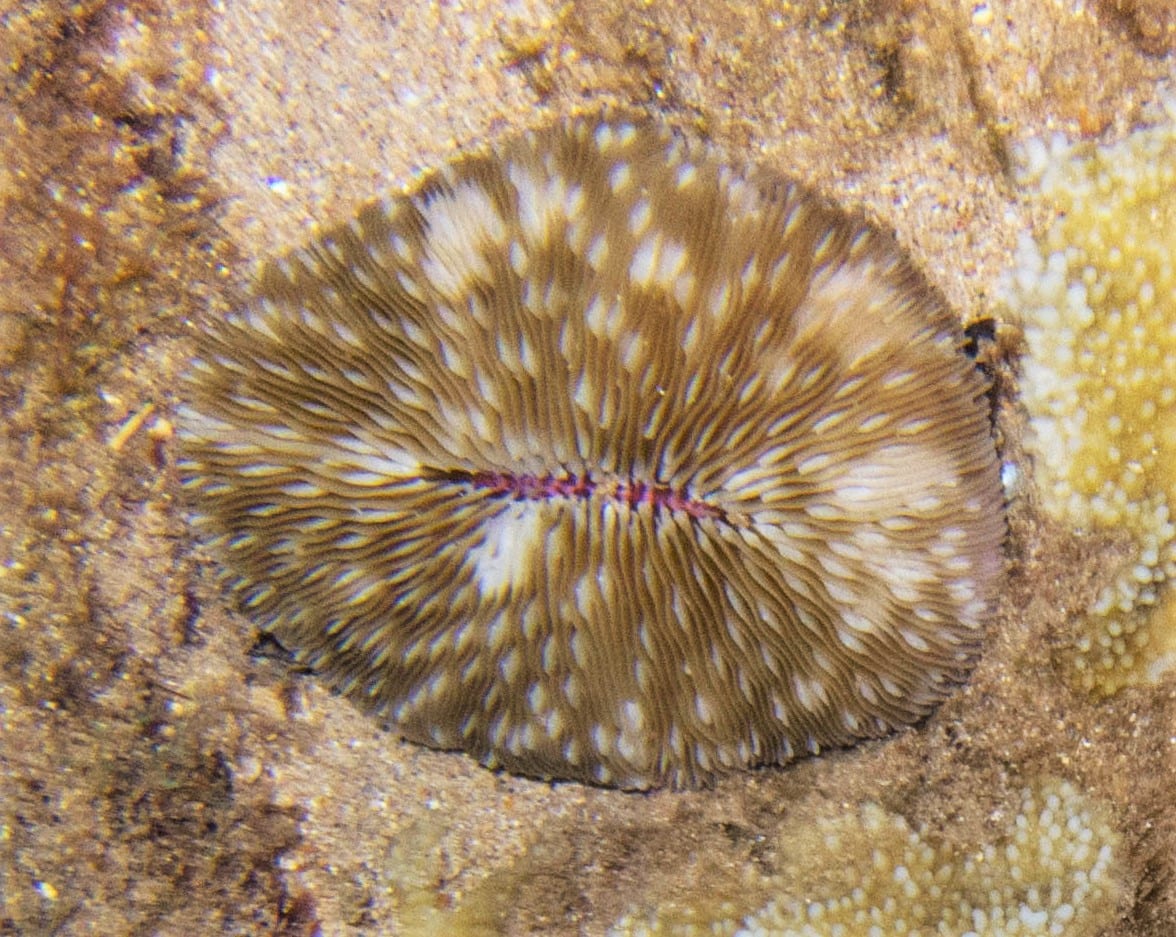
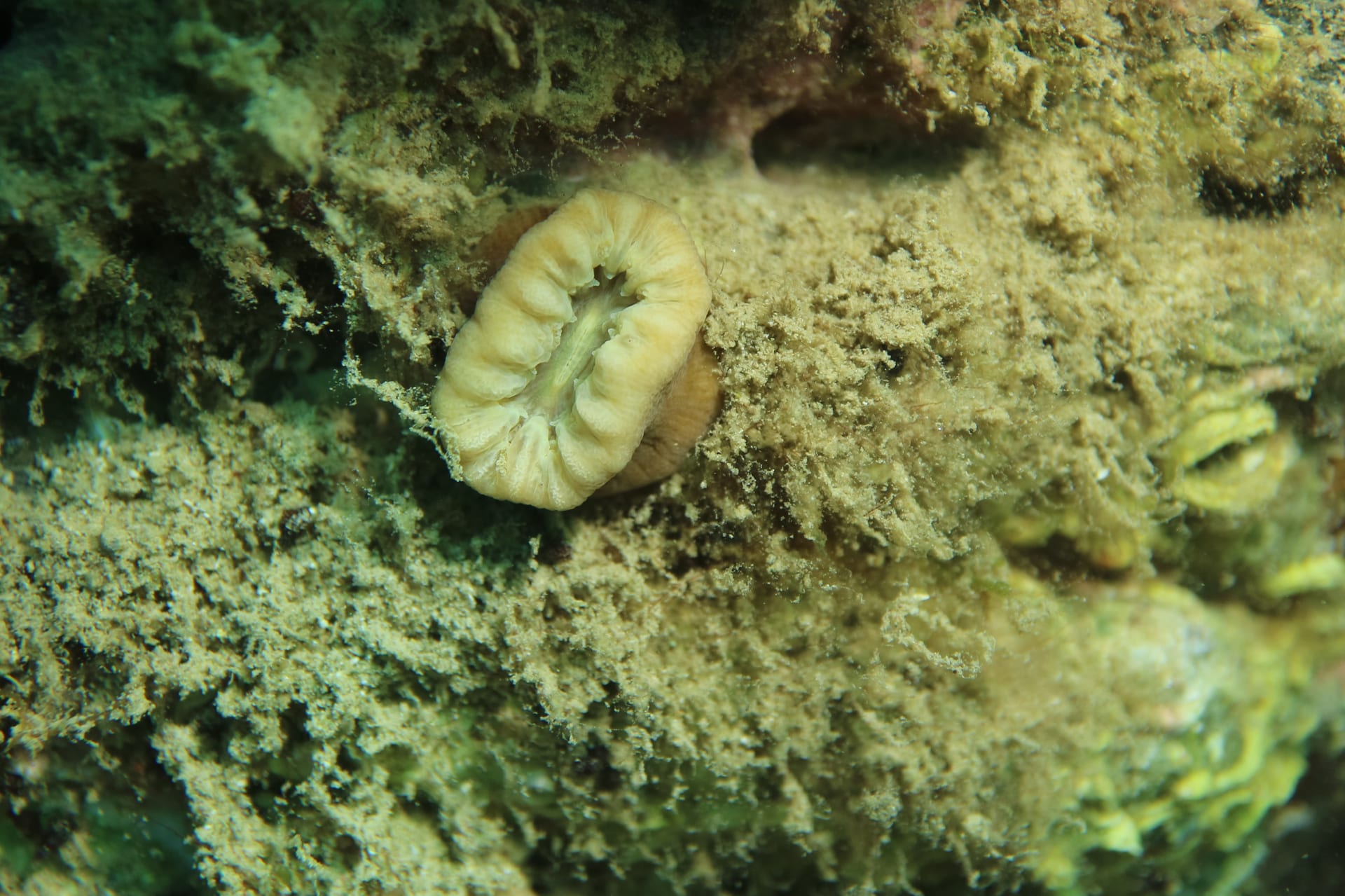
Balanophyllia is a genus of solitary dendrophylliid stony corals in which each polyp occupies its own corallite rather than forming a colony. It is divided into two subgenera, Balanophyllia and Eupsammia, with many species known from tropical to temperate seas worldwide. The species sold for aquariums are azooxanthellate, extending translucent polyps in vivid orange or yellow and depending entirely on feeding, like Tubastraea and Dendrophyllia in the same family. Other species do host zooxanthellae: the Mediterranean endemic Balanophyllia europaea is 4-6 cm across and 2 cm high, attaches to bright rocky substrates down to 50 m and is light brown to green-brown. Because light requirements are not uniform across the genus, the species should be identified before it is kept. As a scleractinian it is listed on CITES Appendix II.
Source: Wikipedia (CC BY-SA 4.0)
Temperature & humidity for the Balanophyllia
The ideal temperature for the Balanophyllia is 24〜26℃.
Basic Info
Origin
Tropical and temperate seas worldwide, attached to hard substrates such as rock and coral rubble.
Temperature
24〜26℃
Diet
The species kept in aquariums are azooxanthellate and depend on feeding with zooplankton and chopped seafood.
Care Guide
Lighting
Care Specifications
- Carbonate (KH)
- 8–12 dKH
- Water Temp.
- 24–26℃
- Specific Gravity
- 1.023–1.025
- Salinity
- 33–35 ppt
- Calcium (Ca)
- 380–440 ppm
- Magnesium (Mg)
- 1300–1400 ppm
LPSLight: Low (PAR 30-50)Flow: MediumPlacement: Bottom
Sources: AlgaeBarn: Keeping and Feeding the Sun Corals / AlgaeBarn: Feeding Your NPS Aquarium / WoRMS (World Register of Marine Species)
References & Sources
Edited & verified by: BreederDirect editorial team
The taxonomic, regulatory, and husbandry data on this page are compiled and verified against the authoritative primary sources below.
Taxonomy & Authority
Accepted name: Balanophyllia spp. Wood, 1844
Authority databases: WoRMS
Nomenclature follows global taxonomic authority databases.
Regulations & Conservation Status
CITES Appendix II
Sources: CITES Appendix II (Scleractinia spp. listed as an order)
Regulations may change. Always verify the latest information with the relevant authorities.
Balanophyllia Listings
Loading latest listingsFind listings for this species