Source: Wikimedia Commons
Dendrophyllia
AdvancedDendrophyllia spp.
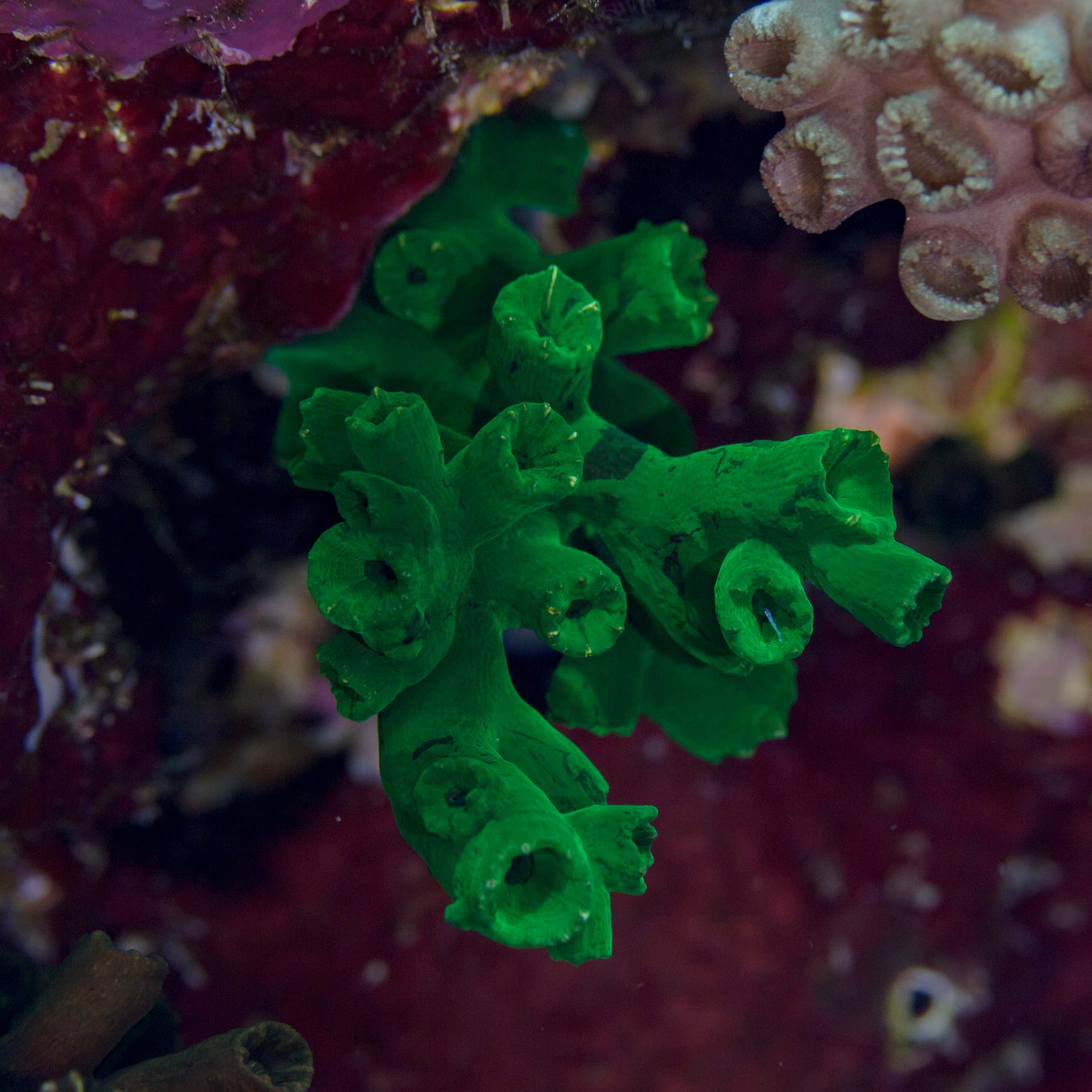
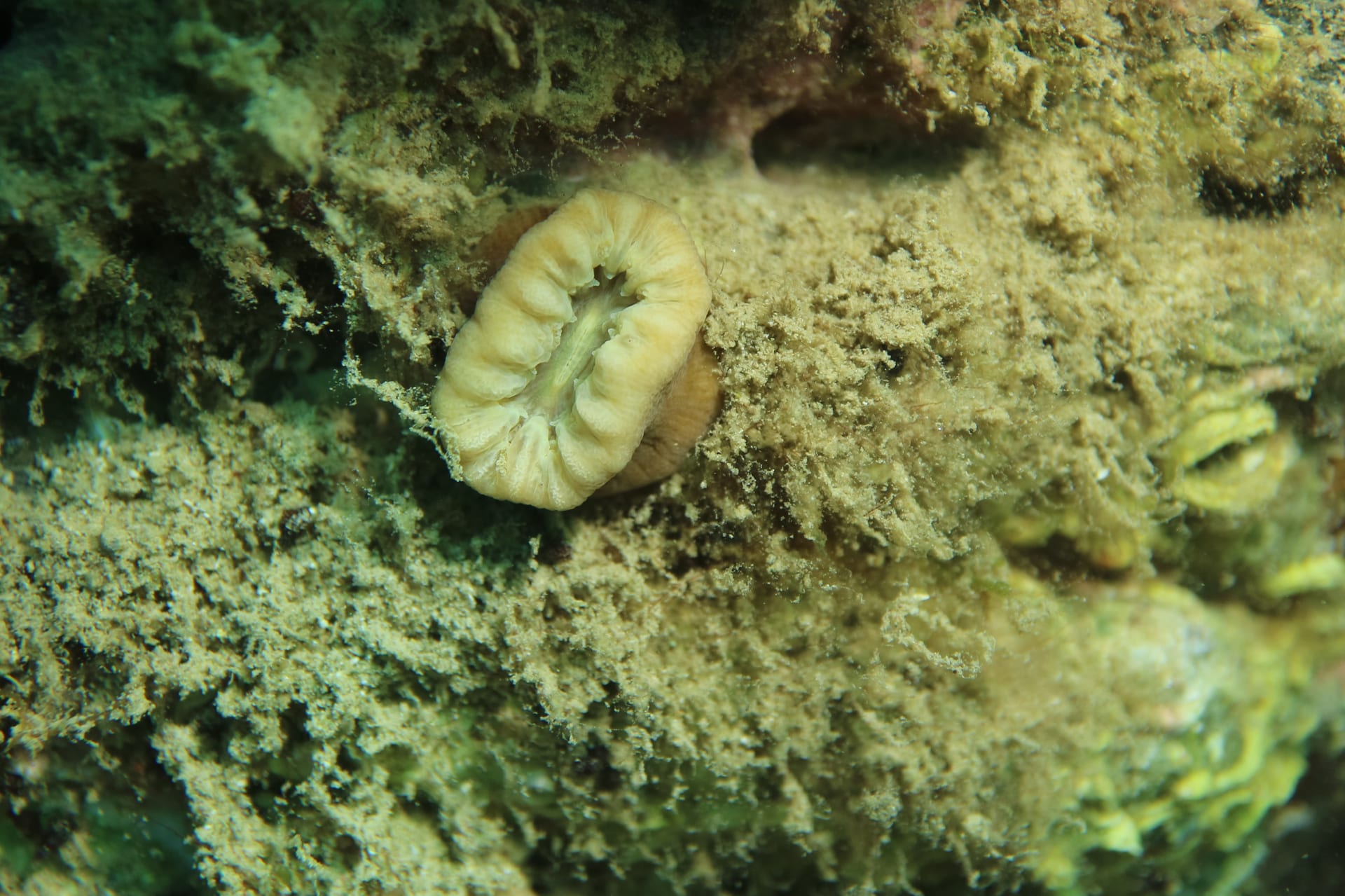
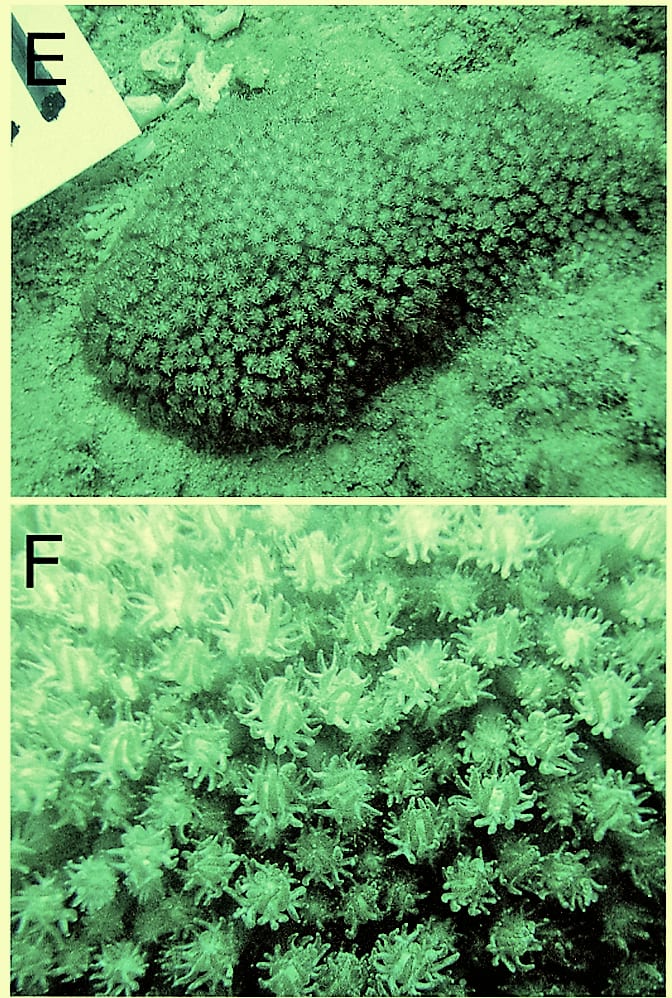
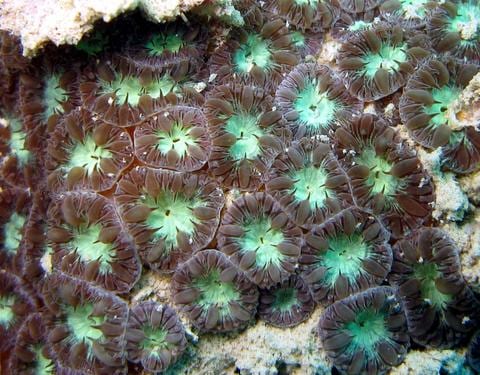
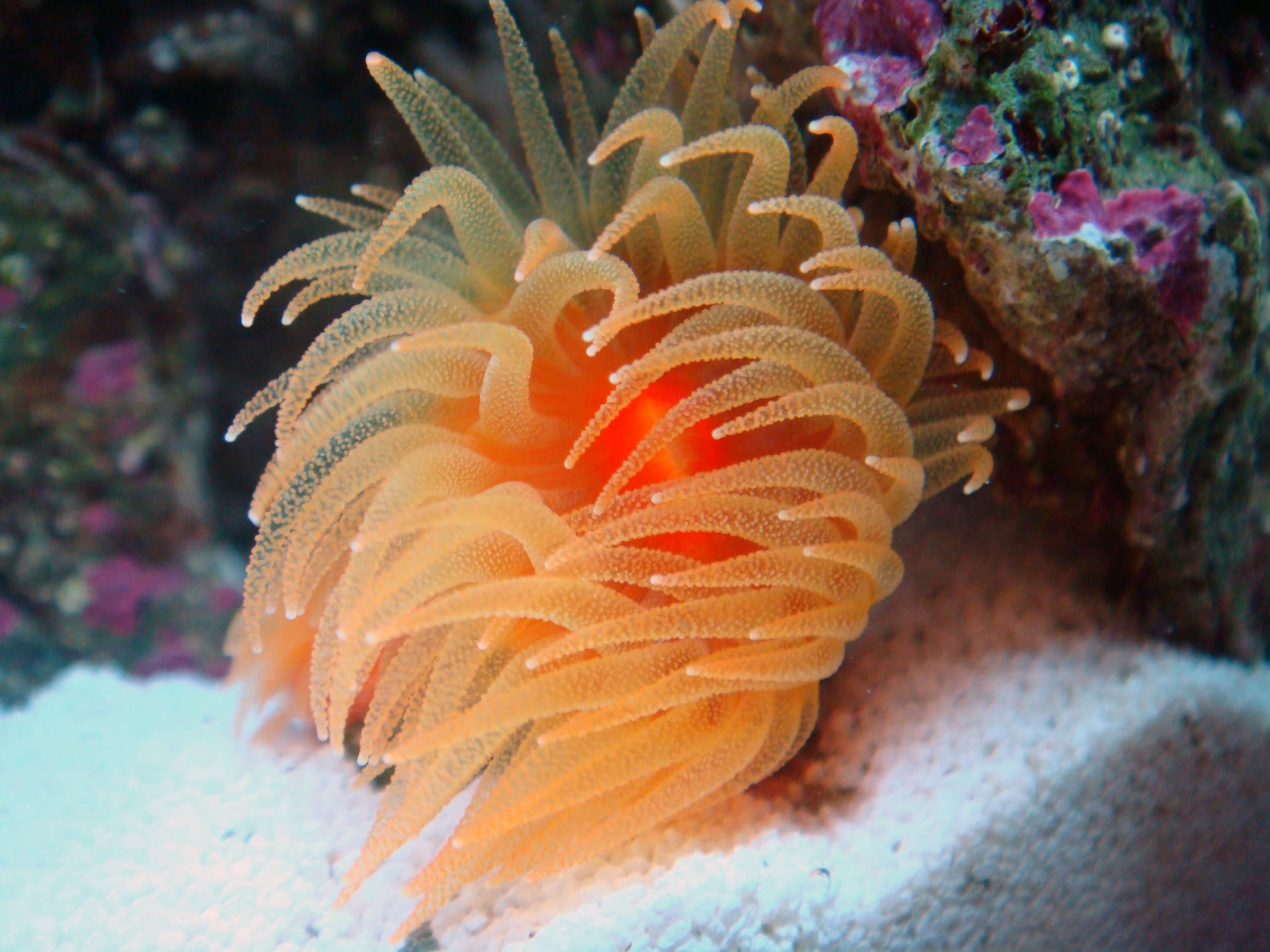
An azooxanthellate dendrophylliid stony coral. Long orange or yellow polyps emerge from large cup-shaped corallites. It occurs down to about 900 m and depends entirely on captured food.
Difficulty
Advanced
Temperature
24〜26℃
Diet
Azooxanthellate, so it depends entirely on feeding with zooplankton, chopped seafood and similar items.
About
Dendrophyllia is a genus of non-photosynthetic stony corals in the family Dendrophylliidae, with 30 species accepted by WoRMS. Unlike the shallow-water reef builders it hosts no zooxanthellae and occurs down to about 900 m. Colonies branch in a tree-like fashion and the polyps emerge from large cup-shaped corallites. The polyps are vividly orange or yellow and closely resemble those of Tubastraea, the sun corals of the same family, but Dendrophyllia has larger corallites and tends to branch more irregularly. Because it does not rely on photosynthesis it needs no lighting, and in the wild it grows in dim places such as crevices, caves and under overhangs. In the aquarium, food supply is the single greatest challenge: if feeding lapses the polyps stop opening and the branches die back. As a scleractinian it is listed on CITES Appendix II.
Source: Wikipedia (CC BY-SA 4.0)
Temperature & humidity for the Dendrophyllia
The ideal temperature for the Dendrophyllia is 24〜26℃.
Basic Info
Origin
Tropical and temperate seas worldwide, from shaded shallows down to about 900 m.
Temperature
24〜26℃
Diet
Azooxanthellate, so it depends entirely on feeding with zooplankton, chopped seafood and similar items.
Care Guide
Lighting
It has no zooxanthellae, so light is not needed. The polyps are reluctant to open under bright lighting, so place it in shade or under an overhang.
Care Specifications
- Carbonate (KH)
- 8–12 dKH
- Water Temp.
- 24–26℃
- Specific Gravity
- 1.023–1.025
- Salinity
- 33–35 ppt
- Calcium (Ca)
- 380–440 ppm
- Magnesium (Mg)
- 1300–1400 ppm
LPSLight: Low (PAR 30-50)Flow: MediumPlacement: Middle
Sources: AlgaeBarn: Keeping and Feeding the Sun Corals / AlgaeBarn: Feeding Your NPS Aquarium / WoRMS (World Register of Marine Species)
References & Sources
Edited & verified by: BreederDirect editorial team
The taxonomic, regulatory, and husbandry data on this page are compiled and verified against the authoritative primary sources below.
Taxonomy & Authority
Accepted name: Dendrophyllia spp. de Blainville, 1830
Authority databases: WoRMS
Nomenclature follows global taxonomic authority databases.
Regulations & Conservation Status
CITES Appendix II
Sources: CITES Appendix II (Scleractinia spp. listed as an order)
Regulations may change. Always verify the latest information with the relevant authorities.
Dendrophyllia Listings
Loading latest listingsFind listings for this species