Source: Wikimedia Commons
Ctenactis
BeginnerCtenactis echinata
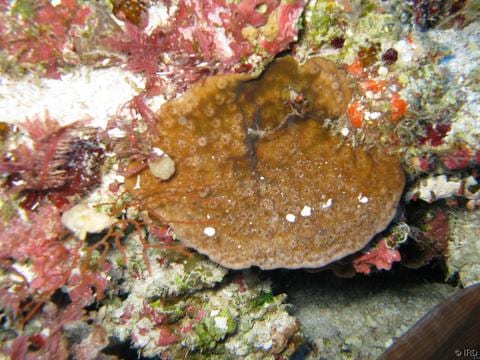
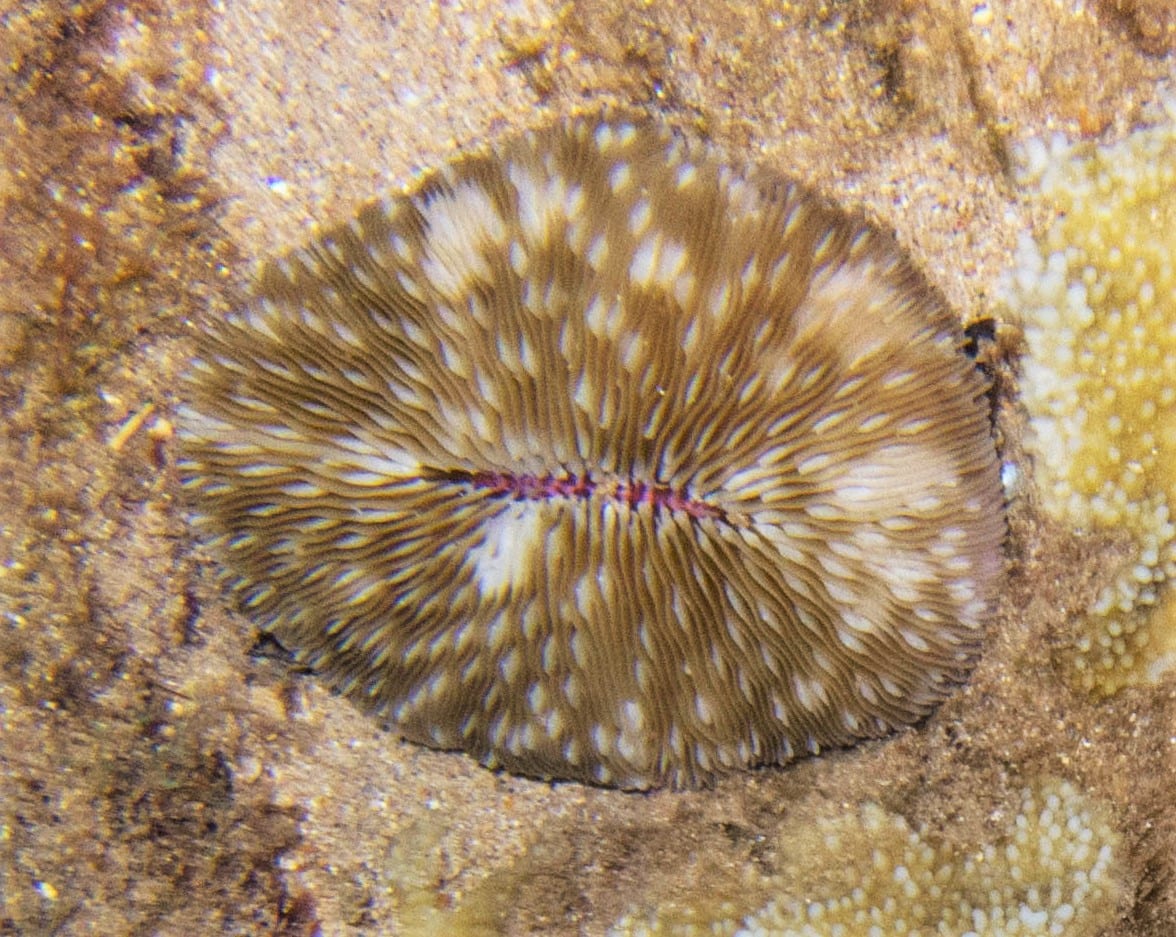
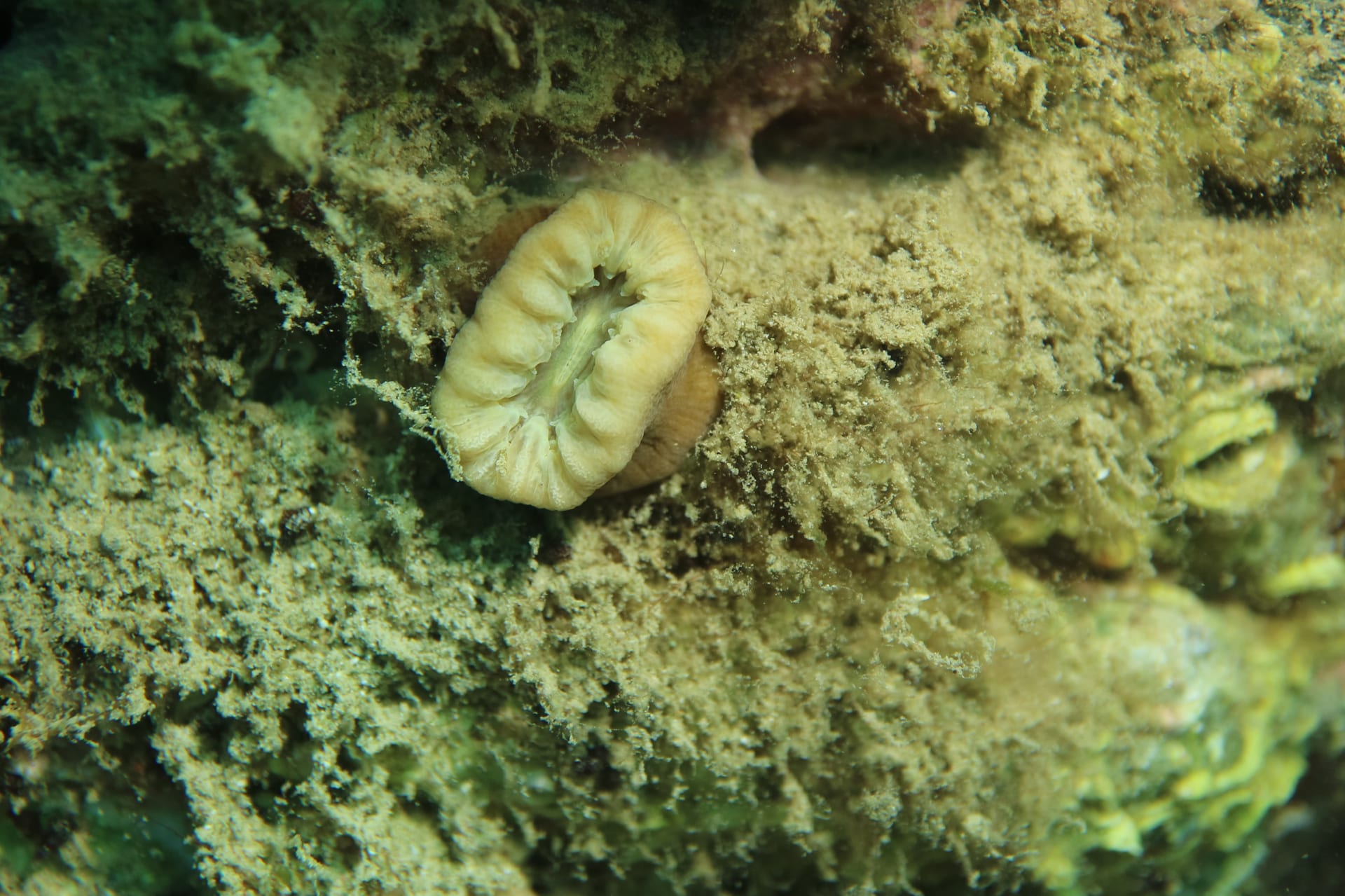
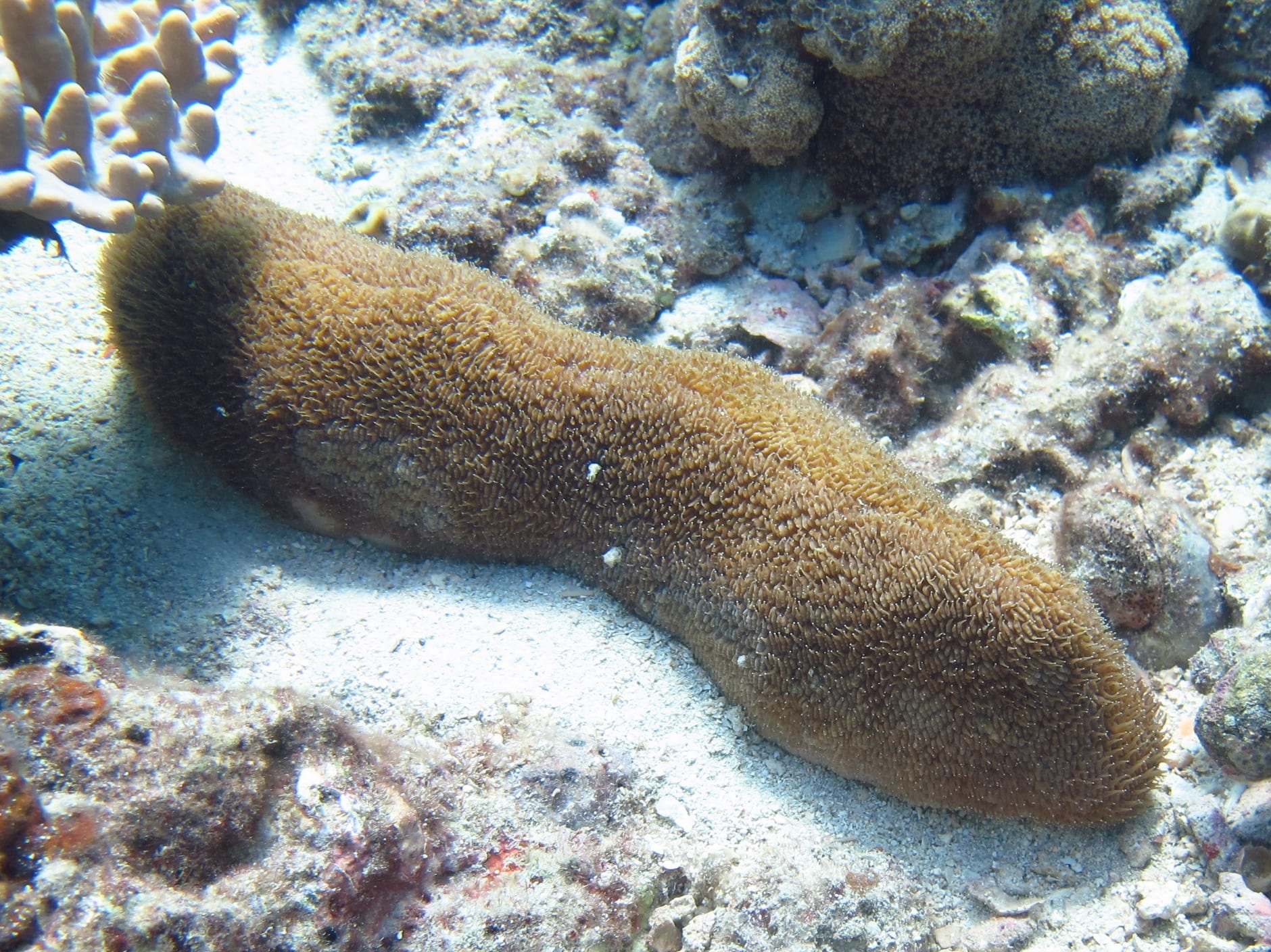
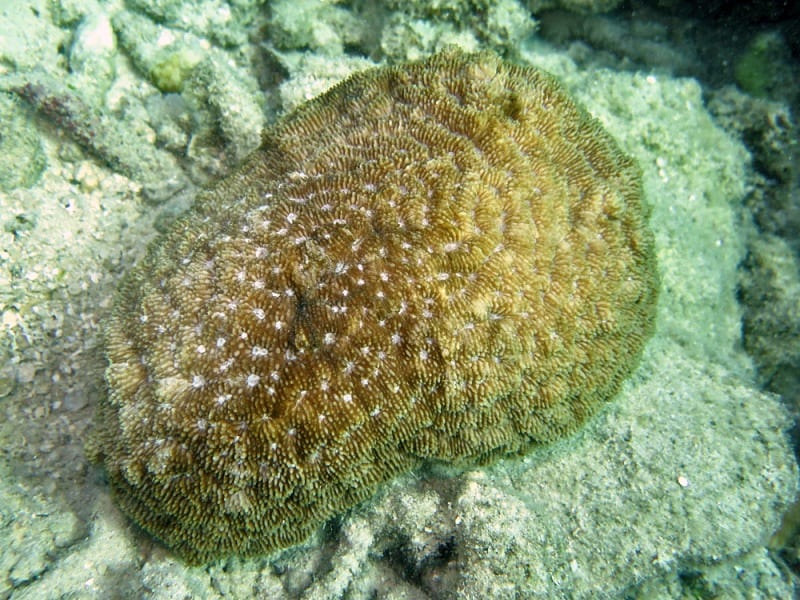
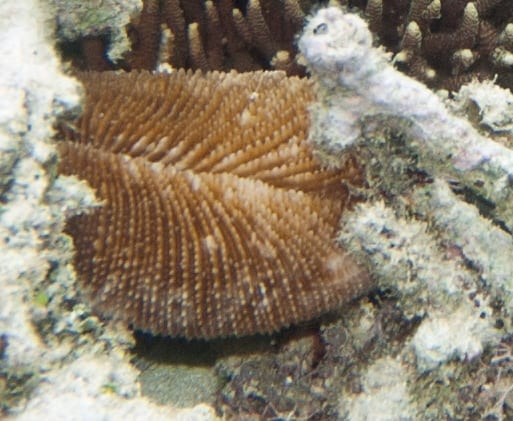
An elongated oval solitary fungiid growing to about 25 cm long and 10 cm wide, with usually a single mouth along the central axial furrow. Its thick primary septa carry large triangular teeth, and the colour is normally pale brown.
Difficulty
Beginner
Temperature
24〜26℃
Size
About 25 cm long and 10 cm wide
Diet
Nutrition from its zooxanthellae, plus zooplankton caught with tentacles extended at night.
About
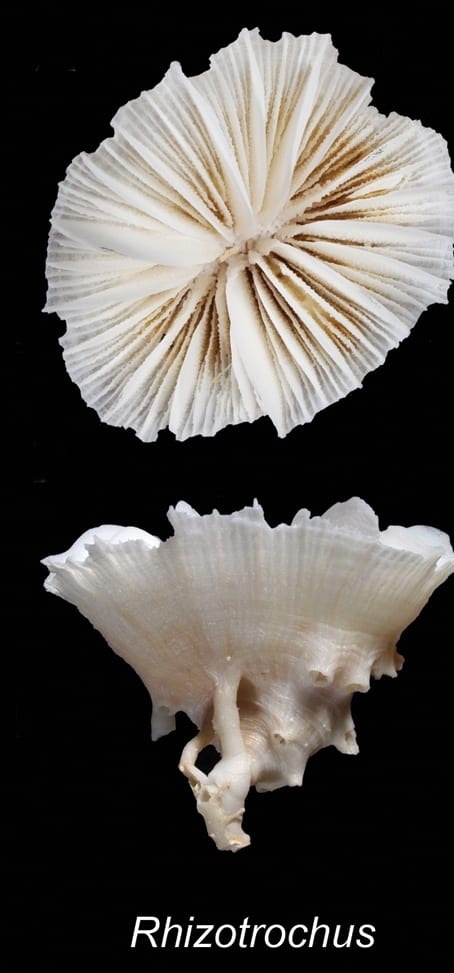
Ctenactis echinata is a solitary fungiid widely distributed across the Indo-Pacific. It is a medium to large elongated oval disc reaching about 25 cm in length and 10 cm in width. An axial furrow runs along most of its length with usually a single mouth, though occasionally there are more. The primary septa are thick and densely set with large triangular teeth, and between them lie one to five smaller, lightly toothed secondary septa; a large individual may carry more than a thousand septa. The costae on the underside are poorly defined and bear long arborescent or cylindrical spines in radial rows. Colour is usually pale brown. It occurs on reef flats and slopes and in lagoons down to 20 m and is common throughout its wide range. As a scleractinian it is on CITES Appendix II, and the IUCN rates it Least Concern.
Source: Wikipedia (CC BY-SA 4.0)
Size of the Ctenactis
The Ctenactis grows to About 25 cm long and 10 cm wide.
Temperature & humidity for the Ctenactis
The ideal temperature for the Ctenactis is 24〜26℃.
Basic Info
Origin
From the Red Sea and Indian Ocean to China, Japan, Indonesia and northern Australia, and to island groups across the western and central Pacific
Size
About 25 cm long and 10 cm wide
Temperature
24〜26℃
Diet
Care Specifications
- Carbonate (KH)
- 8–12 dKH
- Water Temp.
- 24–26℃
- Specific Gravity
- 1.023–1.025
- Salinity
- 33–35 ppt
- Calcium (Ca)
- 380–440 ppm
- Magnesium (Mg)
- 1300–1400 ppm
LPSLight: Medium (PAR 50-150)Flow: LowPlacement: Bottom
Sources: LiveAquaria (Plate Coral, Long Tentacle/クサビライシ科の飼育値) / AlgaeBarn: A Quick Guide to LPS and SPS / WoRMS (World Register of Marine Species)
References & Sources
Edited & verified by: BreederDirect editorial team
The taxonomic, regulatory, and husbandry data on this page are compiled and verified against the authoritative primary sources below.
Taxonomy & Authority
Accepted name: Ctenactis echinata (Pallas, 1766)
Synonyms: Fungia echinata (Pallas, 1766)
Authority databases: WoRMS
Nomenclature follows global taxonomic authority databases.
Regulations & Conservation Status
CITES Appendix IIIUCN LC · Least Concern
Sources: CITES Appendix II (Scleractinia spp. listed as an order) / IUCN Red List (via SeaLifeBase)
Regulations may change. Always verify the latest information with the relevant authorities.
Ctenactis Listings
Loading latest listingsFind listings for this species