Source: Wikimedia Commons
Polyphyllia
BeginnerPolyphyllia talpina
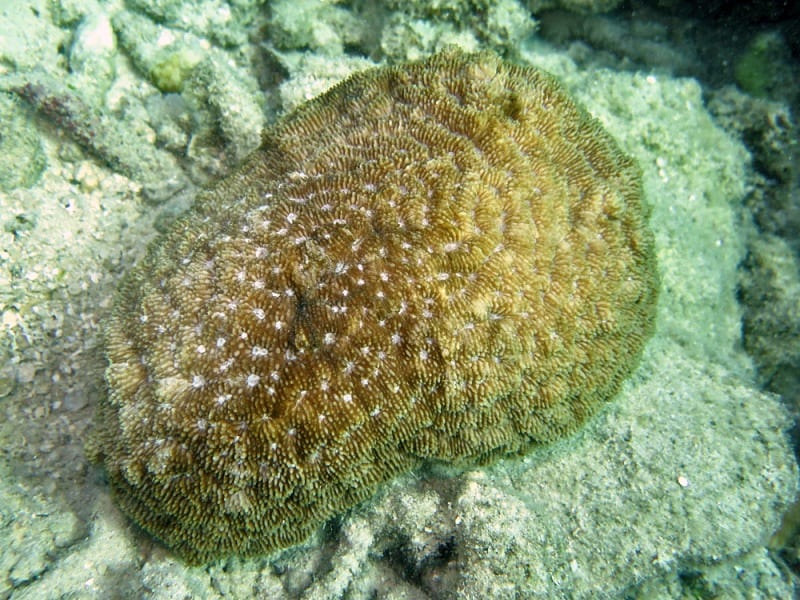
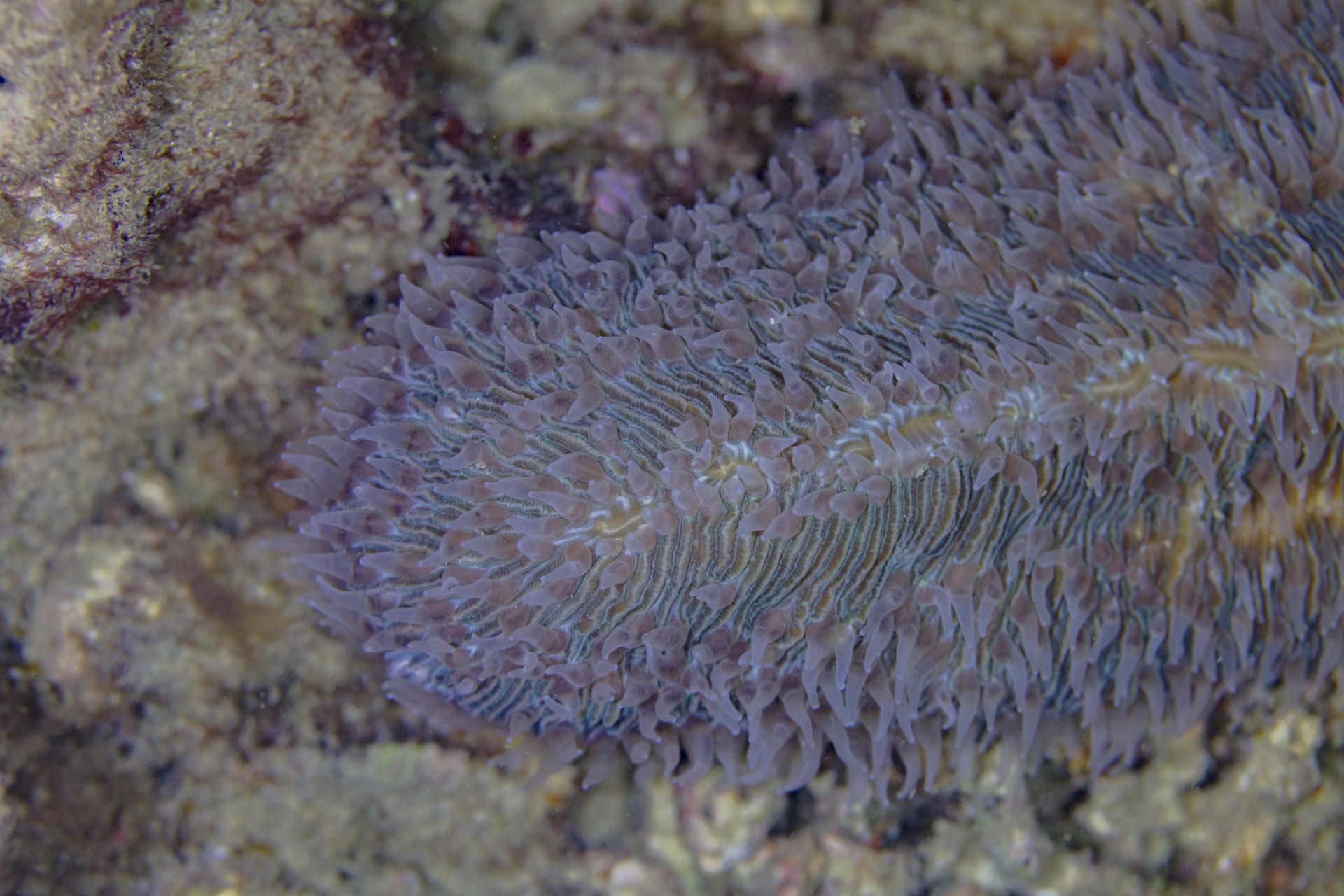
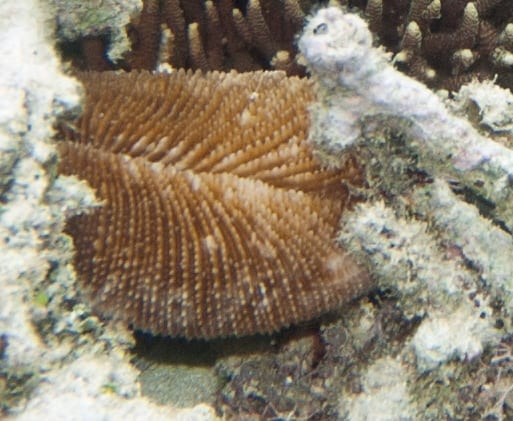
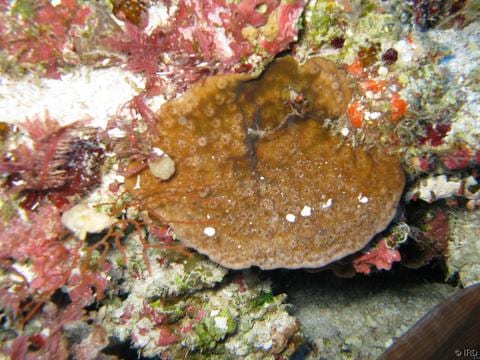
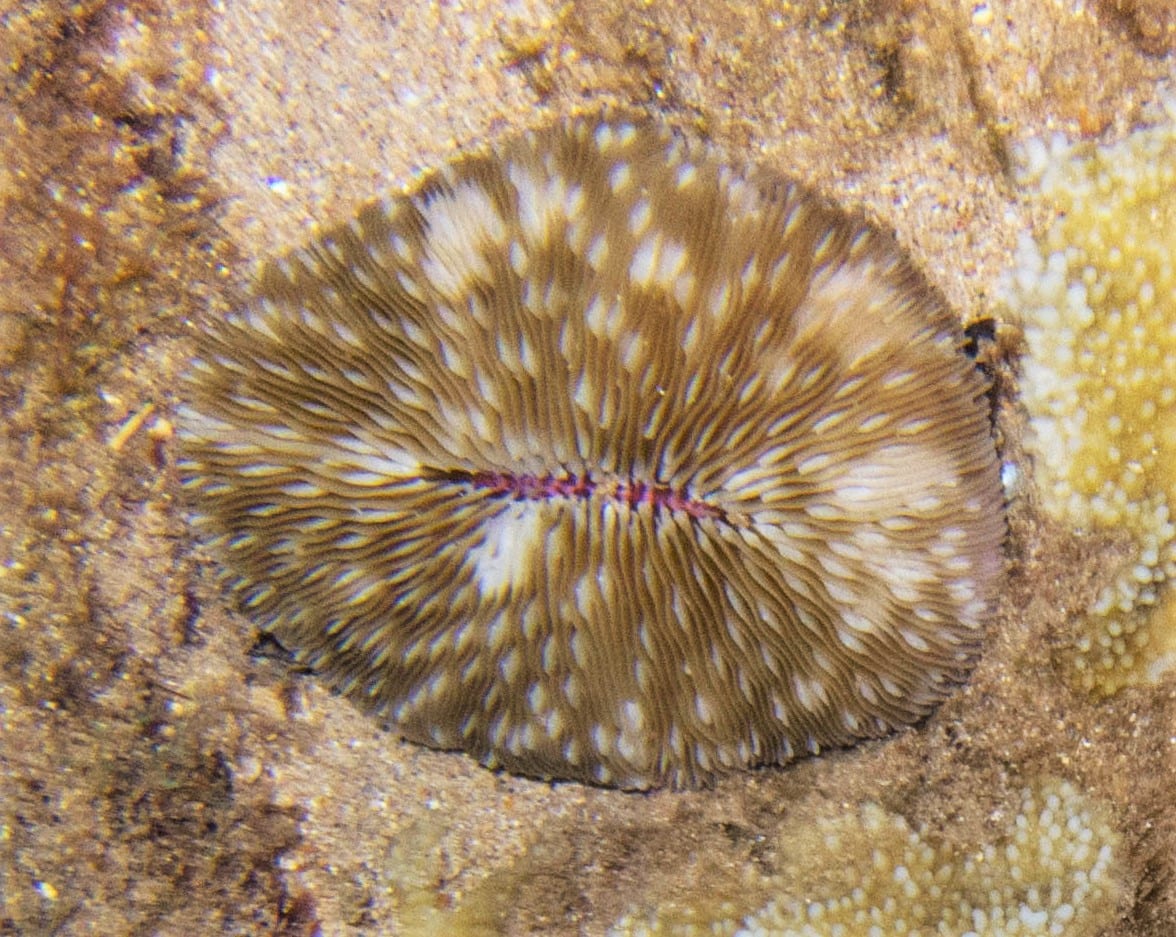
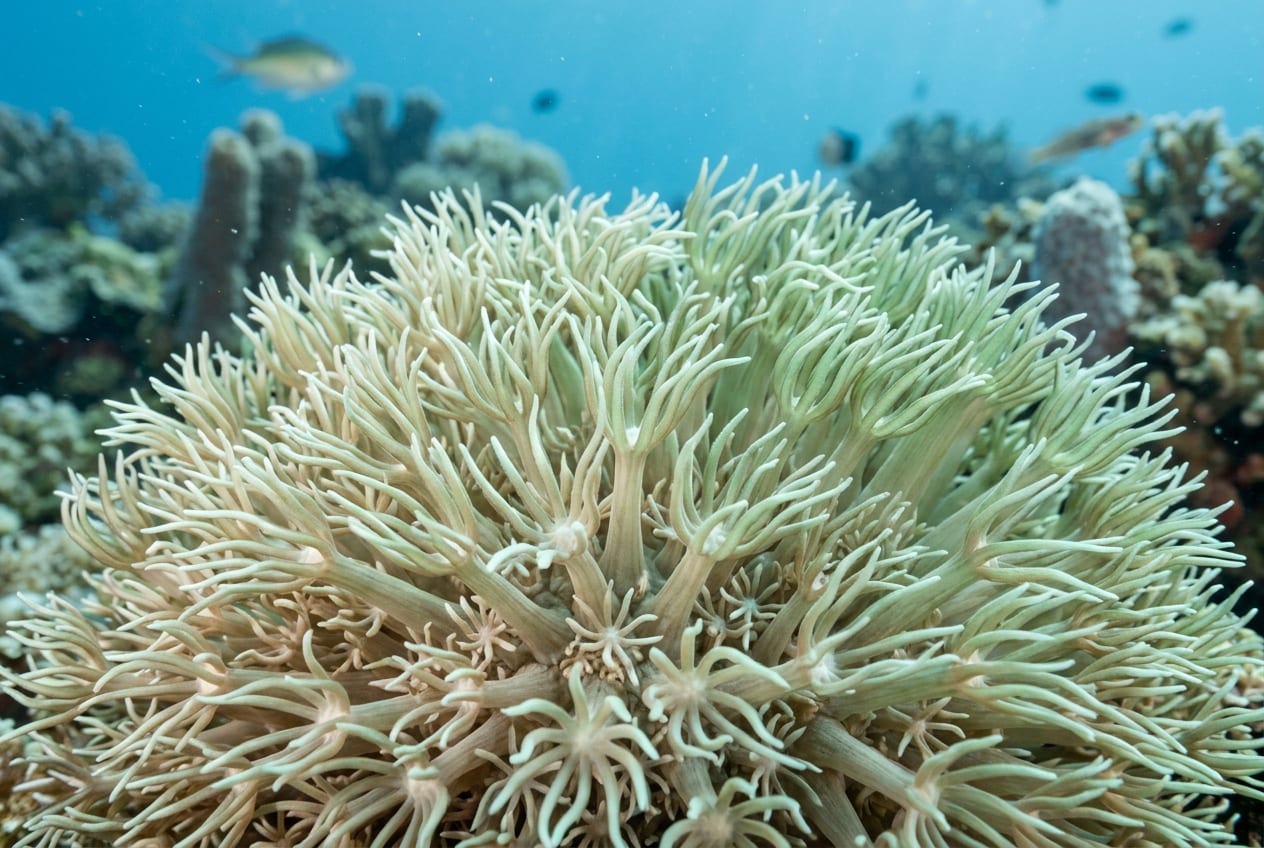
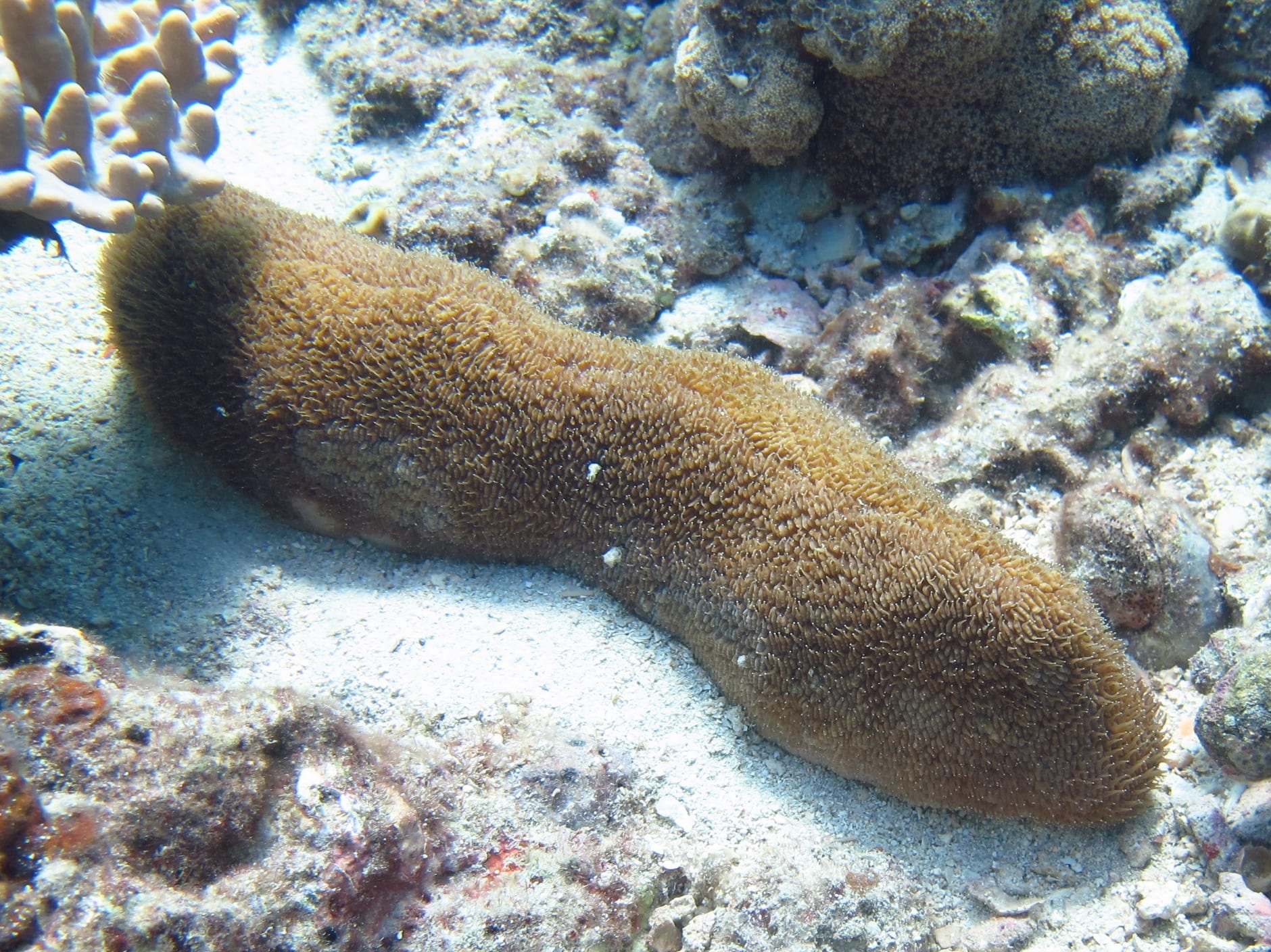
An elongated free-living fungiid whose axial furrow may become indistinct. Long, numerous tentacles emerge over the whole surface, and the grey, greenish or cream body is dotted with white tentacle tips.
Difficulty
Beginner
Temperature
24〜26℃
Diet
Mainly nutrition from its zooxanthellae, with micro-plankton and zooplankton caught by its many tentacles.
About
Polyphyllia talpina is a free-living fungiid distributed across the Indo-Pacific. The colony is not attached to the substrate and is elongated, with a central axial furrow that may become indistinct. The septa are short and elliptical or petaloid, and long, numerous tentacles rise from the whole upper surface, so an expanded colony has the soft look of a sea cucumber. Colour is grey, greenish or cream, with characteristic white tentacle tips. It favours reef slopes where Fungia is common and is abundant through its range. It is zooxanthellate, drawing most of its nutrition from photosynthesis while also catching plankton with its tentacles. The skeleton is thin and light, so colonies are easily shifted by current or by other animals. As a scleractinian it is on CITES Appendix II, and the IUCN rates it Least Concern.
Source: WoRMS
Temperature & humidity for the Polyphyllia
The ideal temperature for the Polyphyllia is 24〜26℃.
Basic Info
Origin
Indo-Pacific, common on reef slopes especially where Fungia is abundant.
Temperature
24〜26℃
Diet
Mainly nutrition from its zooxanthellae, with micro-plankton and zooplankton caught by its many tentacles.
Care Guide
Lighting
Moderate light is enough; LiveAquaria lists fungiid plate corals as moderate-light corals. It does not need to sit under the brightest part of the tank.
Care Specifications
- Carbonate (KH)
- 8–12 dKH
- Water Temp.
- 24–26℃
- Specific Gravity
- 1.023–1.025
- Salinity
- 33–35 ppt
- Calcium (Ca)
- 380–440 ppm
- Magnesium (Mg)
- 1300–1400 ppm
LPSLight: Medium (PAR 50-150)Flow: LowPlacement: Bottom
Sources: Corals of the World (Polyphyllia talpina) / LiveAquaria (Plate Coral, Long Tentacle/クサビライシ科の飼育値) / AlgaeBarn: A Quick Guide to LPS and SPS
References & Sources
Edited & verified by: BreederDirect editorial team
The taxonomic, regulatory, and husbandry data on this page are compiled and verified against the authoritative primary sources below.
Taxonomy & Authority
Accepted name: Polyphyllia talpina (Lamarck, 1801)
Authority databases: WoRMS
Nomenclature follows global taxonomic authority databases.
Regulations & Conservation Status
CITES Appendix IIIUCN LC · Least Concern
Sources: CITES Appendix II (Scleractinia spp. listed as an order) / IUCN Red List (via SeaLifeBase)
Regulations may change. Always verify the latest information with the relevant authorities.
Polyphyllia Listings
Loading latest listingsFind listings for this species