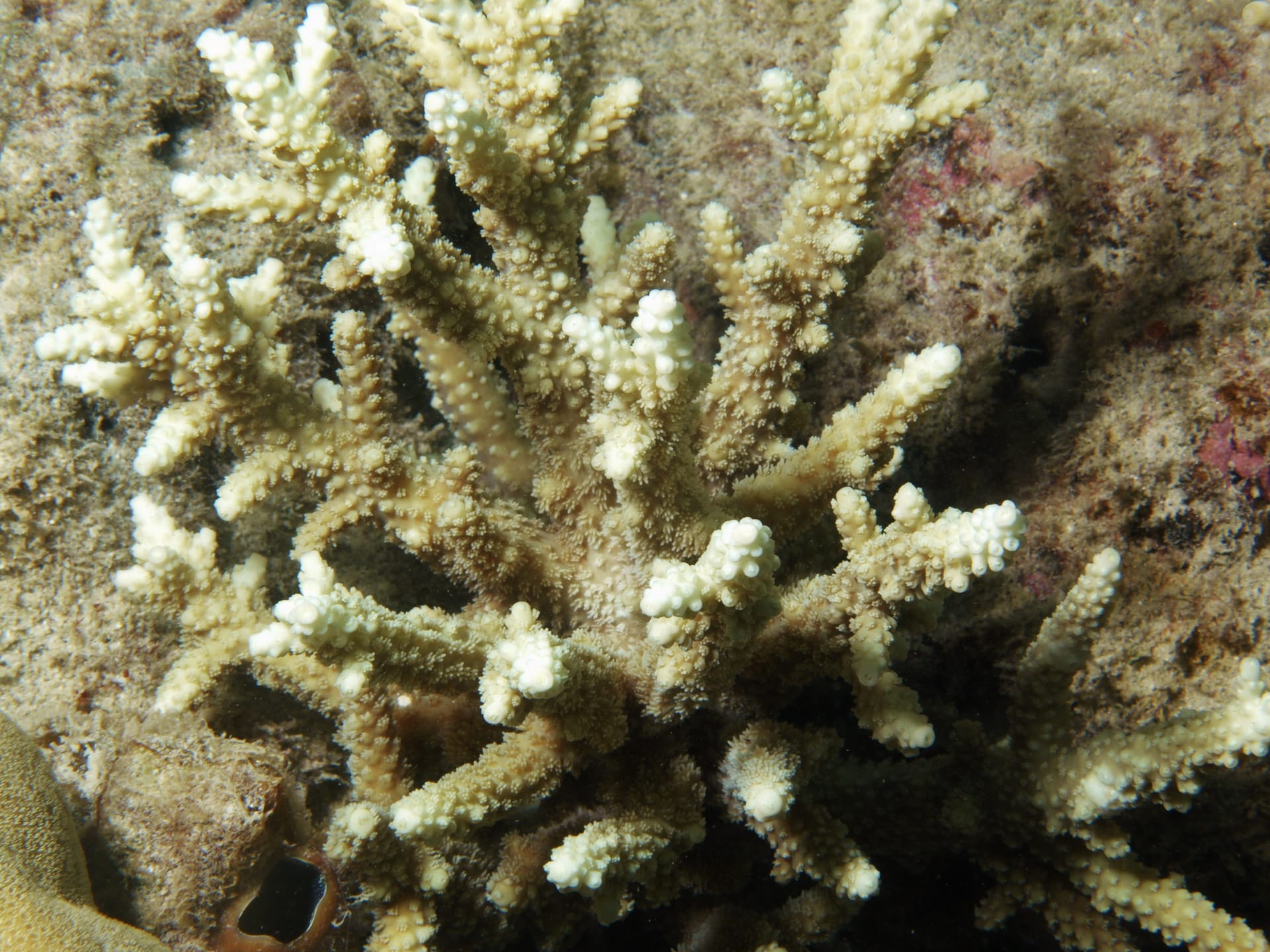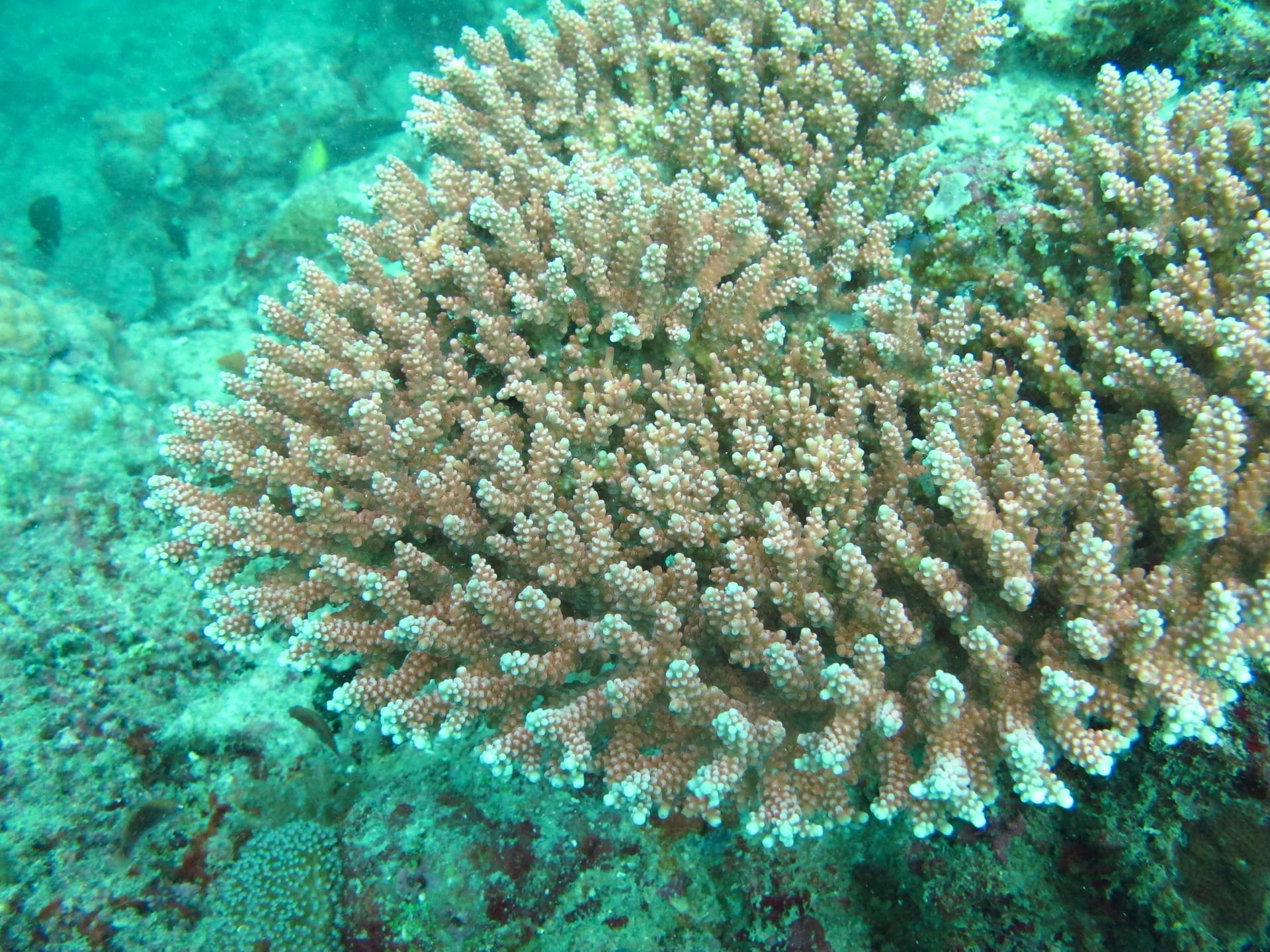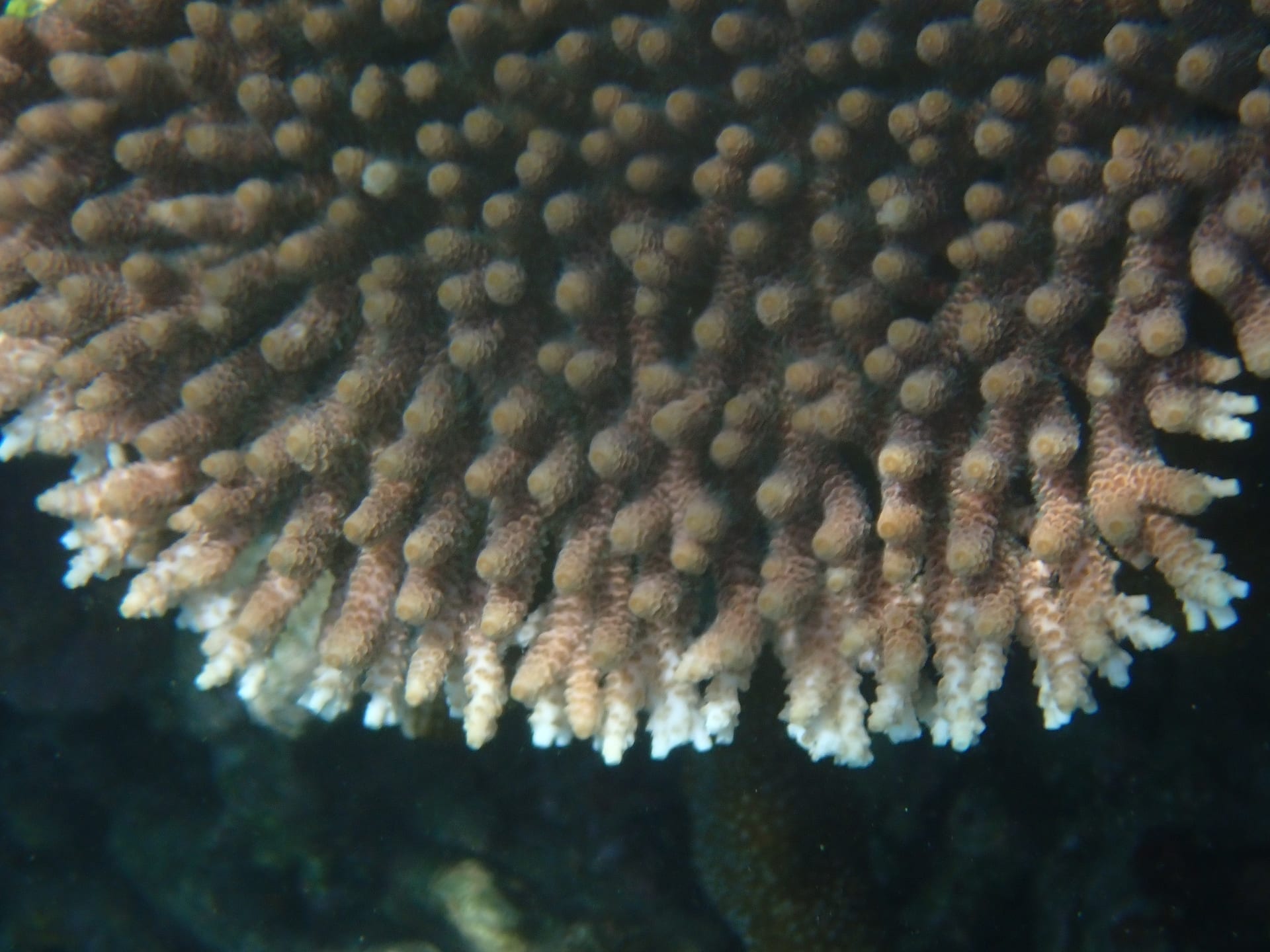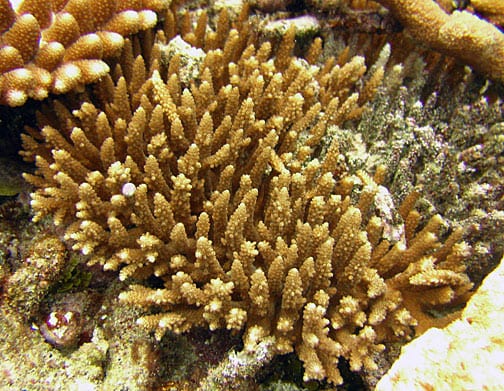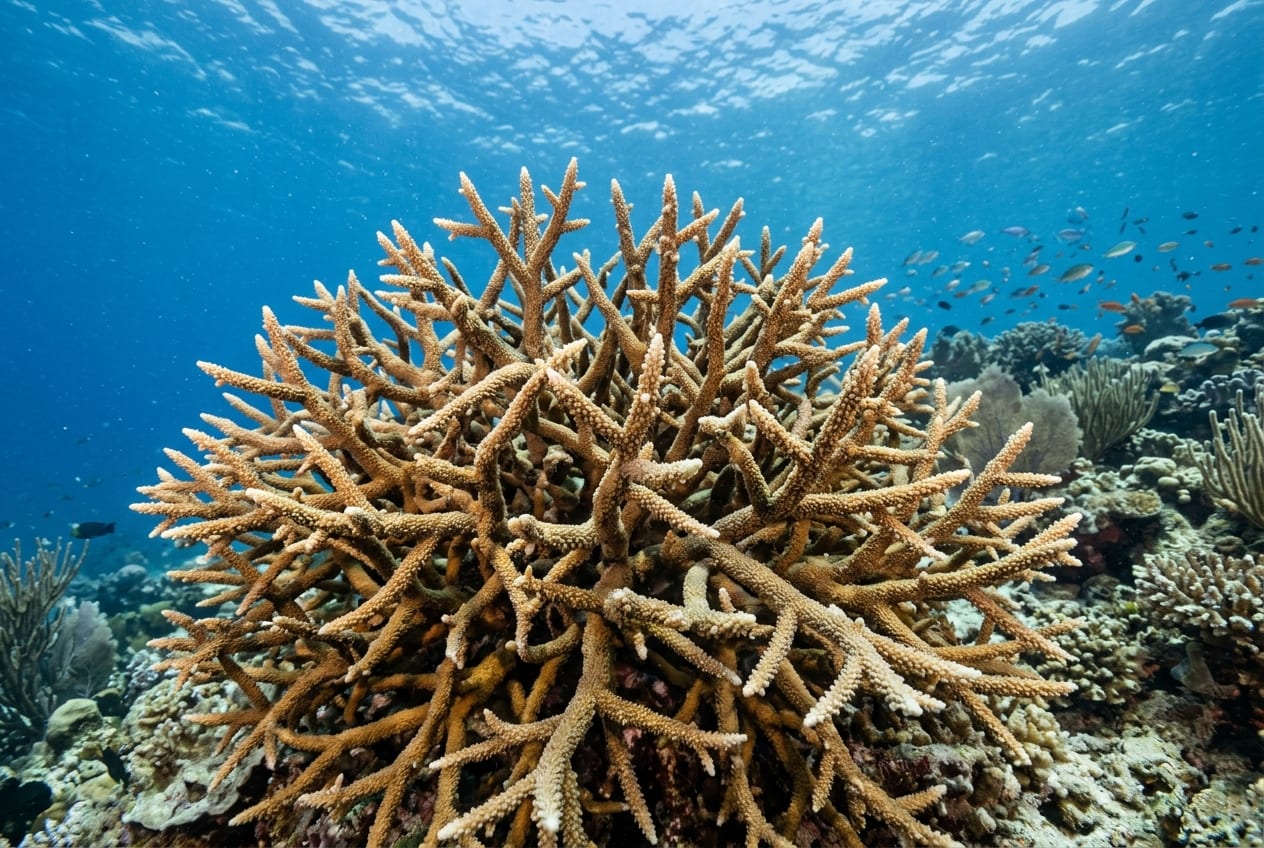
Source: Wikimedia Commons
Pachyseris Speciosa
IntermediatePachyseris speciosa
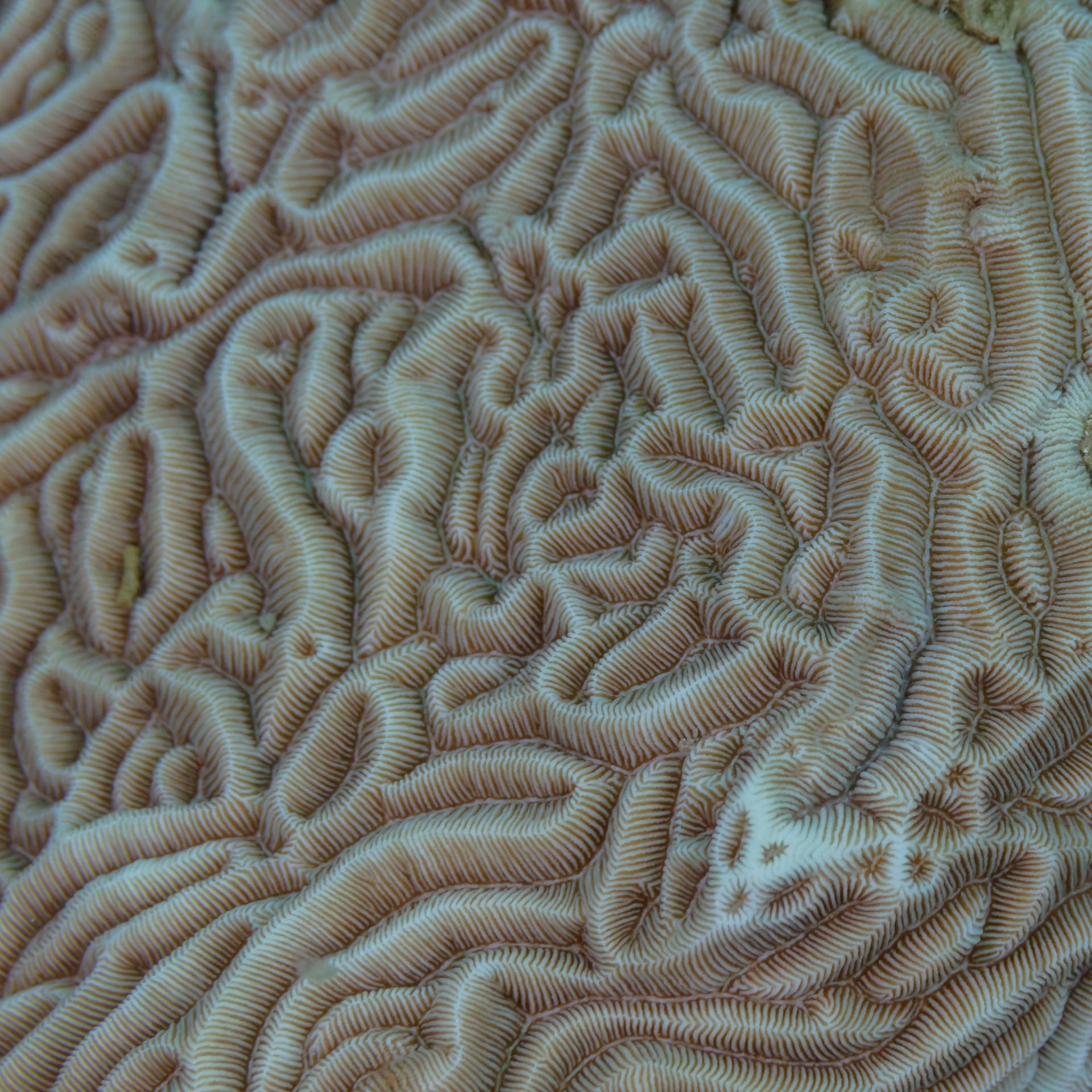
A plating stony coral whose surface carries dense, concentric ridges. The corallites lie sunk between them, so no polyps are visible to the eye. It adapts to low and moderate light as well.
Difficulty
Intermediate
Temperature
24〜27℃
Size
Colonies to several tens of cm
Diet
Mainly nutrition from symbiotic zooxanthellae, supplemented with liquid or powdered coral foods.
About
Pachyseris speciosa is a reef-building stony coral of the Indo-Pacific, placed by WoRMS in the family Pachyseridae. SeaLifeBase gives its depth range as 4-35 m, and it grows on the deeper parts of reef slopes and under shaded overhangs. Colonies spread as horizontal plates whose surfaces carry dense, concentric ridges. The corallites lie sunk between the ridges, so no polyps are visible to the naked eye. That texture gives it the English name serpent coral, and it is also traded as elephant skin coral. Colour is brown or greyish brown with the ridges standing out lighter. It is zooxanthellate and draws most of its nutrition from photosynthesis. Because it also grows in deeper water it does not require intense light and will keep well under moderate lighting, which makes it comparatively easy. Detritus settling on the upper plate causes tissue recession, so give it strong flow. The IUCN assessed it as Least Concern in 2023, and as a scleractinian it is listed on CITES Appendix II.
Source: SeaLifeBase
Temperature & humidity for the Pachyseris Speciosa
The ideal temperature for the Pachyseris Speciosa is 24〜27℃.
Basic Info
Origin
Indo-Pacific, on reefs between about 4 and 35 m
Size
Colonies to several tens of cm
Temperature
24〜27℃
Diet
Mainly nutrition from symbiotic zooxanthellae, supplemented with liquid or powdered coral foods.
Care Specifications
- Carbonate (KH)
- 8–12 dKH
- Water Temp.
- 24–27℃
- Specific Gravity
- 1.023–1.025
- Salinity
- 33–35 ppt
- Calcium (Ca)
- 400–450 ppm
- Magnesium (Mg)
- 1280–1350 ppm
SPSPeacefulLight: Medium (PAR 50-150)Flow: HighPlacement: Middle
Sources: SeaLifeBase (Pachyseris speciosa) / LiveAquaria (Pachyseris Coral) / AlgaeBarn: Water Parameters 101
References & Sources
Edited & verified by: BreederDirect editorial team
The taxonomic, regulatory, and husbandry data on this page are compiled and verified against the authoritative primary sources below.
Taxonomy & Authority
Accepted name: Pachyseris speciosa (Dana, 1846)
Synonyms: Agaricia speciosa Dana, 1846, Agaricia levicollis Dana, 1846, Pachyseris clementei Nemenzo, 1955
Authority databases: WoRMS
Nomenclature follows global taxonomic authority databases.
Regulations & Conservation Status
CITES Appendix IIIUCN LC · Least Concern
Sources: CITES Appendix II (Scleractinia spp. listed as an order) / IUCN Red List 2025-2 (assessed 2023, via SeaLifeBase)
Regulations may change. Always verify the latest information with the relevant authorities.
Pachyseris Speciosa Listings
Loading latest listingsFind listings for this species