Source: Wikimedia Commons
Acropora Nasuta
AdvancedAcropora nasuta
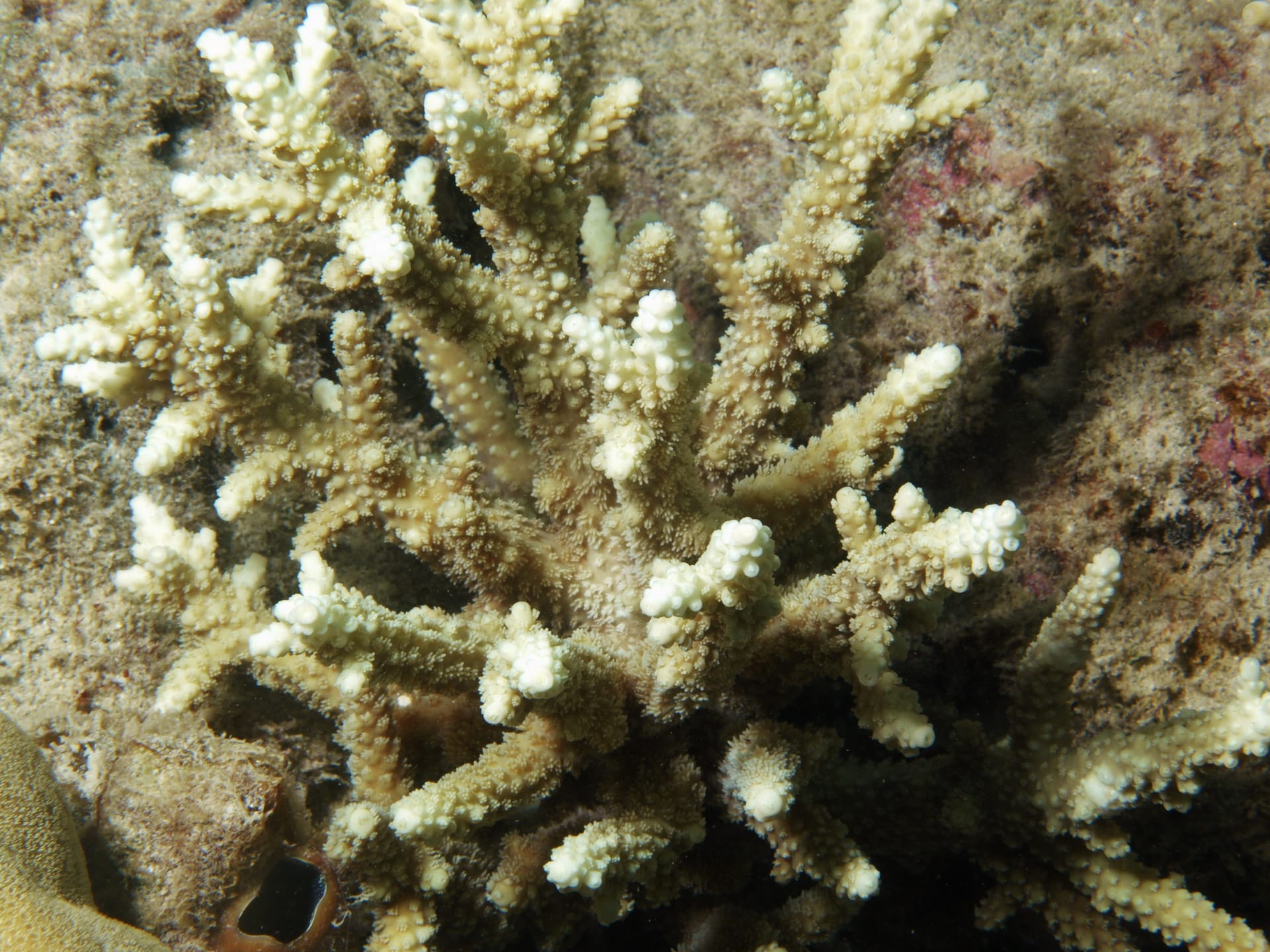
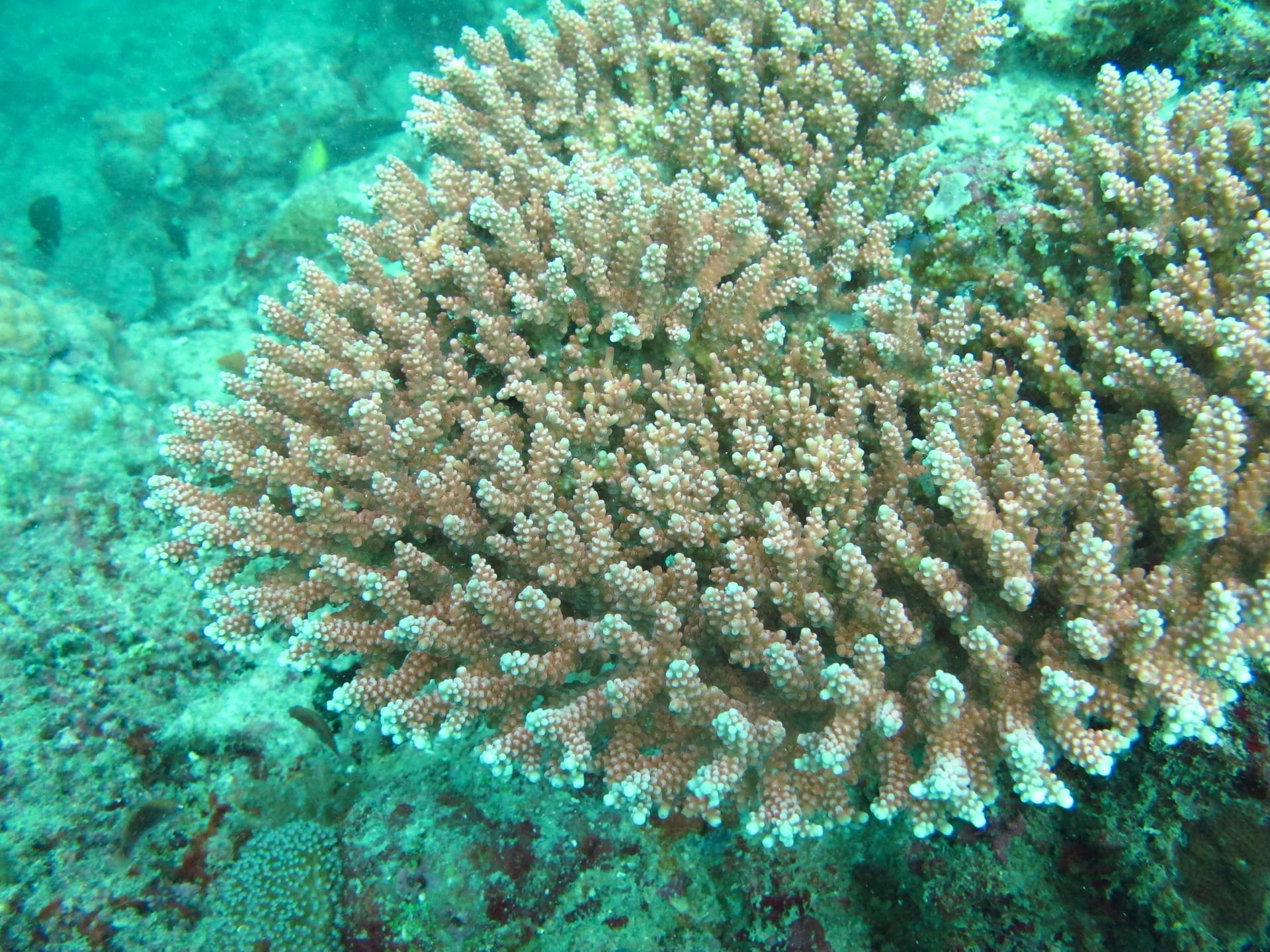
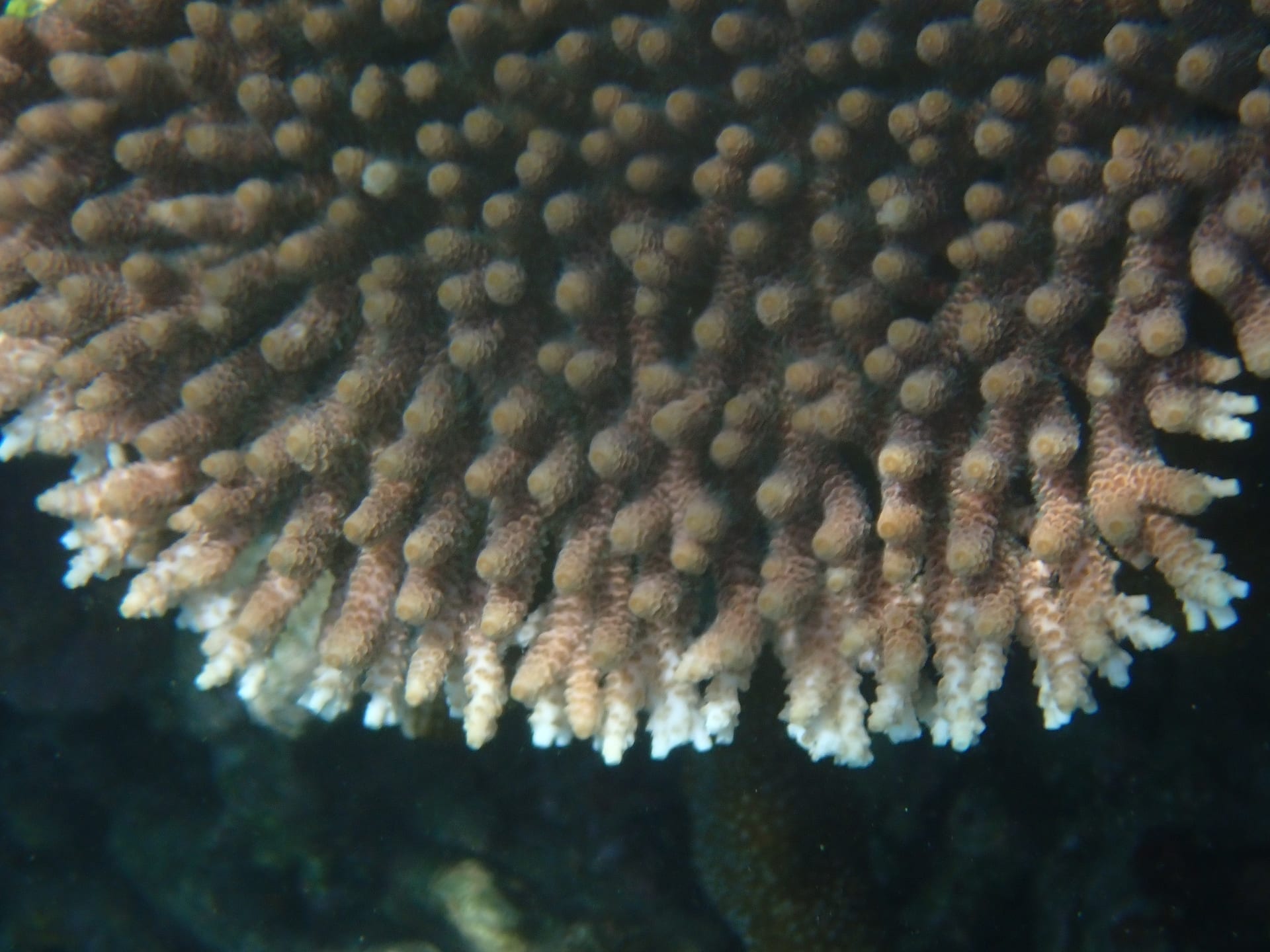
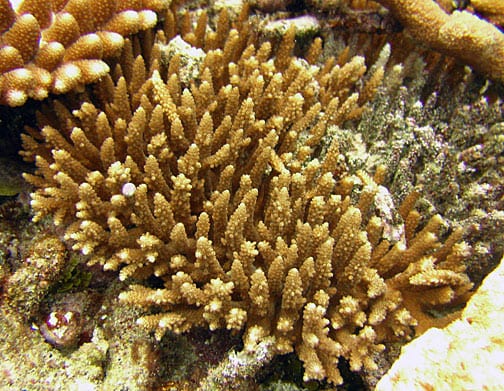
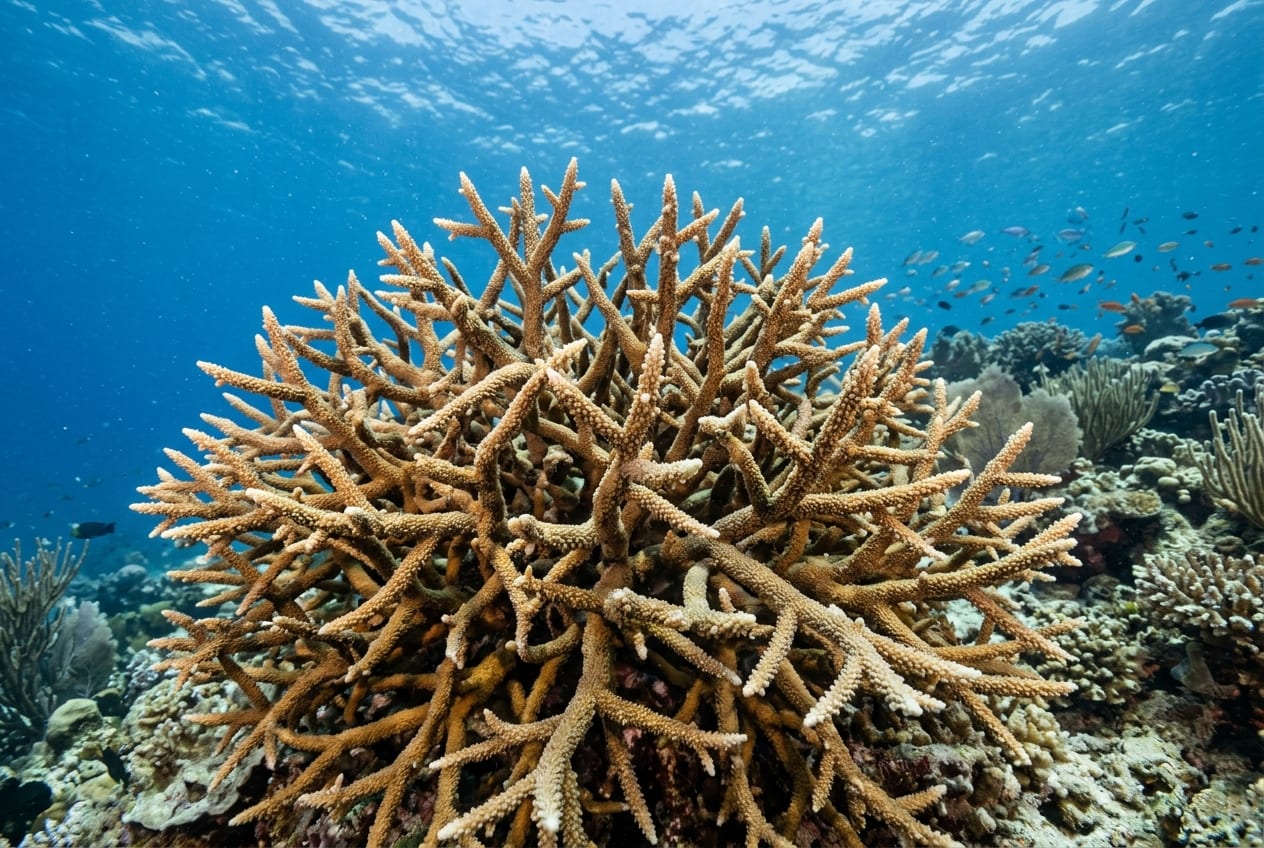
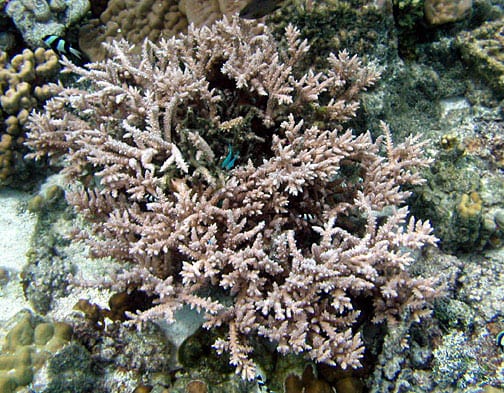
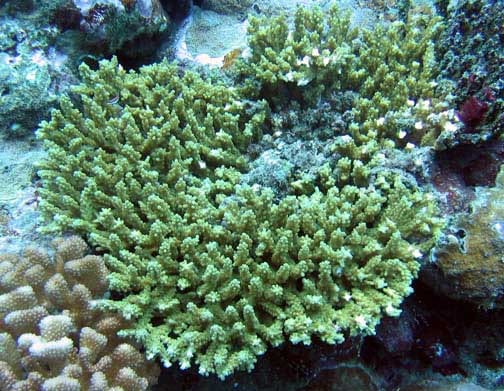
A clumping Acropora whose tapering branches tend to form a flat-topped colony. The radial corallites are arranged in neat rows. Colour is creamy-white to pale brown, and the branch tips are sometimes bluish.
Difficulty
Advanced
Temperature
24〜27℃
Size
Branches up to 12 mm wide
Diet
Mainly nutrition from symbiotic zooxanthellae, supplemented with powdered or liquid coral foods and phytoplankton.
About
Acropora nasuta is a relatively common branching stony coral of the western and central Indo-Pacific, ranging from the Red Sea, the Gulf of Aden and the east coast of Africa to India, Malaysia, Japan, Indonesia and Australia. It grows in shallow water between three and fifteen metres, mostly on upper reef slopes and reef edges. Colonies form clumps of tapering branches up to 12 mm wide that tend to develop flat tops. The radial corallites usually form neat rows and may be long and slender or appressed; the axial corallites are the same size as or larger than the radials. Colour is creamy-white or pale brown with occasionally bluish branch tips. At night the polyps extend to feed on plankton, and crabs, shrimps and small fish live permanently among the branches. The IUCN lists it as Endangered and it is on CITES Appendix II.
Source: Wikipedia (CC BY-SA 4.0)
Size of the Acropora Nasuta
The Acropora Nasuta grows to Branches up to 12 mm wide.
Temperature & humidity for the Acropora Nasuta
The ideal temperature for the Acropora Nasuta is 24〜27℃.
Basic Info
Origin
Western and central Indo-Pacific, from the Red Sea, the Gulf of Aden and the east coast of Africa to India, Malaysia, Japan, Indonesia and Australia
Size
Branches up to 12 mm wide
Temperature
24〜27℃
Diet
Care Specifications
- Carbonate (KH)
- 8–12 dKH
- Water Temp.
- 24–27℃
- Specific Gravity
- 1.023–1.025
- Salinity
- 33–35 ppt
- Calcium (Ca)
- 380–440 ppm
- Magnesium (Mg)
- 1300–1400 ppm
SPSLight: High (PAR>150)Flow: HighPlacement: Top
Sources: LiveAquaria (Acropora valida) / LiveAquaria (Assorted Acropora Coral) / AlgaeBarn: A Quick Guide to LPS and SPS /
References & Sources
Edited & verified by: BreederDirect editorial team
The taxonomic, regulatory, and husbandry data on this page are compiled and verified against the authoritative primary sources below.
Taxonomy & Authority
Accepted name: Acropora nasuta (Dana, 1846)
Synonyms: Madrepora nasuta Dana, 1846, Acropora canaliculata (Klunzinger, 1879)
Authority databases: WoRMS
Nomenclature follows global taxonomic authority databases.
Regulations & Conservation Status
CITES Appendix IIIUCN EN · Endangered
Domestic law: Collecting in Japanese waters is governed by each prefecture's fisheries adjustment regulations, which differ by prefecture. Okinawa Prefecture's regulations ban the collection of reef-building corals, including stony corals (Scleractinia), organ-pipe corals (Tubiporidae) and blue coral (Helioporacea); this covers corals naturally attached to quays or ropes, broken fragments lying on the seabed, and skeletons. Possessing or selling illegally collected corals is also banned. Cultured corals are exempt, and the prefecture advises buyers to confirm that a coral is cultured, on an artificial base or tagged.
Sources: CITES Appendix II (Scleractinia spp. listed as an order) / IUCN Red List (via SeaLifeBase)
Regulations may change. Always verify the latest information with the relevant authorities.
Acropora Nasuta Listings
Loading latest listingsFind listings for this species