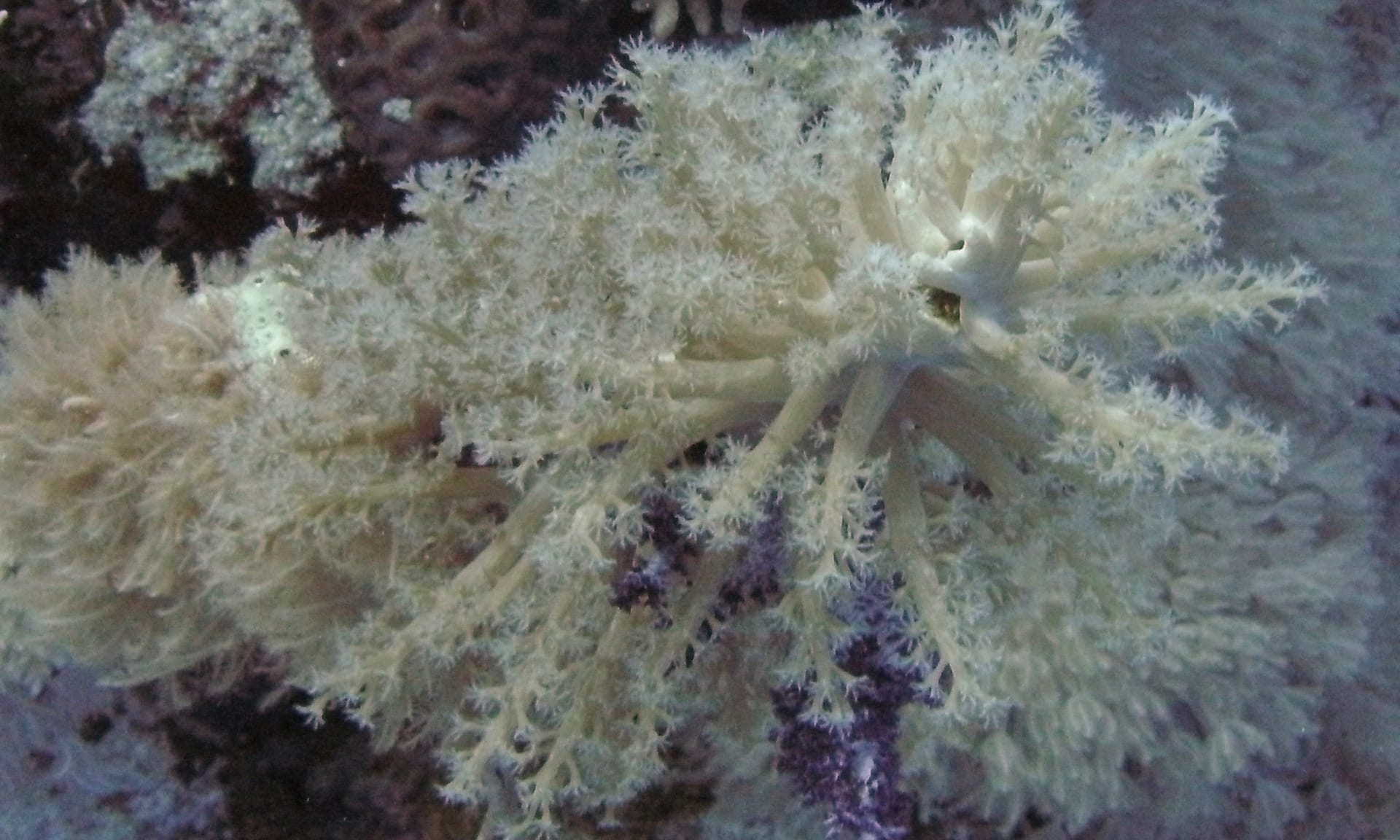
 © Grete Pasch / CC BY 4.0
Paralemnalia
Paralemnalia is a brown soft coral that grows thick, short finger-like branches in dense clusters from an encrusting base. Its branch tips are covered in tiny polyps that sway gently in the current, giving tanks a soft, textured look. It thrives in strong water flow and opens well when placed where currents run freely. Keep in mind that it releases mild chemical compounds (terpenoids) that can affect neighboring corals, so some spacing in the tank is wise. Suited to intermediate keepers who already have a feel for water quality and flow management, it makes a striking, full-bodied accent piece in a reef layout.
View Paralemnalia encyclopedia →Breeder Wanted!
List on BreederDirect and sell directly to customers nationwide!
BreederDirect's 6 Transparency Commitments
Our Breeder sellers disclose detailed care specs for all Coral listings. We prioritize Aquacultured/CB specimens, verify WYSIWYG photos, and provide difficulty ratings—avoiding wild-caught.
- Aquacultured
- WYSIWYG Photo
- Difficulty Disclosed
- Frag/Colony
- Care Info Included
- Trade name shown
Browse all 241 breeds
Difficulty
No listings match your filters
Adjust your filters, or get notified when new listings arrive.
Getting alerts is free with a member account. When new listings match your saved search, we'll notify you by email and in-app.
Browse other categories
Verified breeders (preview)
Paralemnalia key facts
- Care level
- Intermediate
- Temperature
- 24〜26℃
- Diet
- Mainly nutrition from its zooxanthellae; feeding micro-plankton or baby brine shrimp speeds growth.
- Lighting
- LiveAquaria lists tree corals as needing moderate to high light; in low light the branches stretch out thin.
- Flow & Placement
- LiveAquaria gives placement as middle and flow as medium to strong, and notes a preference for a coarse gravel substrate. It releases toxins, so keep it away from other corals.
- Water Temperature & Quality
- Water 24-26C, specific gravity 1.023-1.025 (salinity 33-35 ppt), pH 8.1-8.4, KH 8-12. Iodine, strontium and trace elements are recommended.
- Feeding
- Most of its nutrition comes from photosynthesis. Micro-plankton, baby brine shrimp or foods for filter-feeding invertebrates can be offered as a supplement.
- Notes
- It releases toxins that suppress neighbouring corals, so give it space and run activated carbon. It is normally shipped attached to a small piece of live rock or rubble. Having no stony skeleton, it is not covered by the CITES coral listings.
About Paralemnalia
Paralemnalia is a brown soft coral with thick, finger-like branches and dense polyps that sway in strong current. An intermediate-level species that releases mild chemical compounds affecting nearby corals.
7 things to know before welcoming a Paralemnalia
1Needs Strong Water Flow
Paralemnalia grows best under fairly strong, well-circulated current, and its polyps open fully in good flow. Weak flow can leave the branches under-extended, so it's worth setting up a pump to create adequate movement.
2Space From Other Corals
This coral releases mild chemical compounds (terpenoids) that can suppress the growth of neighboring corals. Give it plenty of space in the layout to avoid stressing nearby colonies.
3A Brown, Finger-Branched Coral
It rises from an encrusting base into thick, short, finger-like branches with a distinctive brown color. The clustered growth form gives it real visual presence as an accent piece.
4Best For Intermediate Keepers
This species suits keepers who are already comfortable balancing water quality, flow, and lighting. It's sensitive to sudden shifts in water parameters, so consistent maintenance matters.
5Watch Polyp Extension
Whether the dense tip polyps are fully extended is a good day-to-day health indicator. If they stay closed for an extended period, it may be a sign to check flow or water quality.
6Choosing Its Placement
Pick a spot with strong current that also keeps some distance from other corals. Mapping out your tank's flow pattern beforehand makes placement much easier.
7Prepare Before Arrival
Soft corals like this do best in a tank that has already fully cycled and stabilized. Having flow equipment like a pump ready in advance makes settling it in much smoother.
Frequently asked questions about Paralemnalia
- Q.How difficult is Paralemnalia to keep?
- A.It's considered suitable for intermediate keepers. Having some experience managing water quality and flow first will help it settle in and thrive.
- Q.How much water flow does it need?
- A.It prefers fairly strong, well-circulated current. Weak flow can leave the polyps under-extended, so setting up a pump to create movement is a good idea.
- Q.Can it be kept near other corals?
- A.It releases mild chemical compounds that can suppress the growth of neighboring corals. It's best to give it plenty of distance from other colonies in your layout.
- Q.Is this species subject to CITES?
- A.Paralemnalia is not subject to CITES.
- Q.What if the polyps won't open?
- A.This can indicate the flow or water quality isn't quite right for it. Try adjusting its placement or the direction of current hitting it.
Useful tools for Paralemnalia care
Learn more about Paralemnalia in the encyclopedia
View Paralemnalia encyclopedia entry →
Care difficulty, lifespan, size and diet — all basics covered.
More in this category
Can't find the one you're looking for?
Post your wishes for free and breeders with matching animals will contact you with introductions.